The Bedside Organon of Medicine
- 88 pages
- 4 hours of reading
An supplement to the Organon of medicine for students and homoeopathic practitioners.



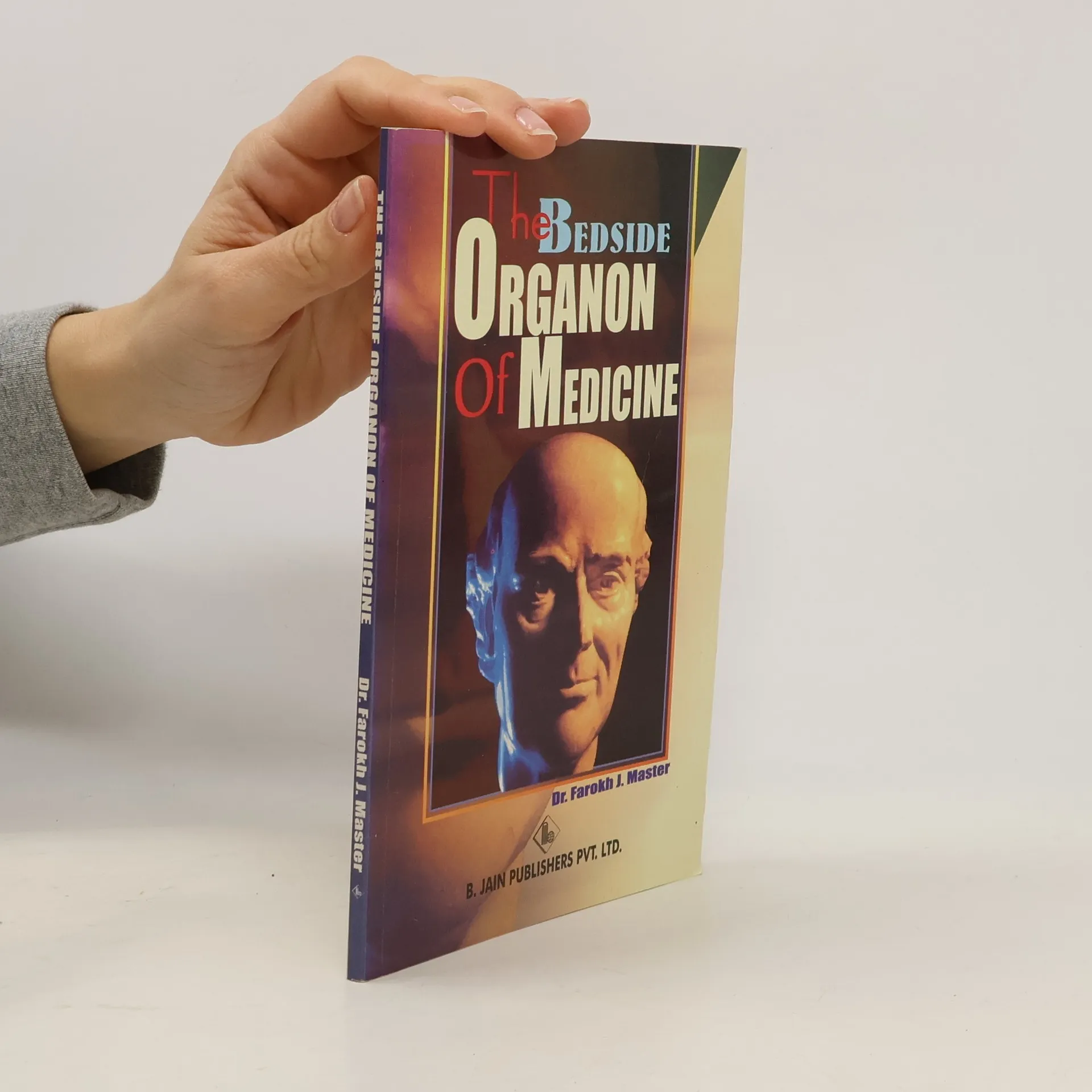
An supplement to the Organon of medicine for students and homoeopathic practitioners.
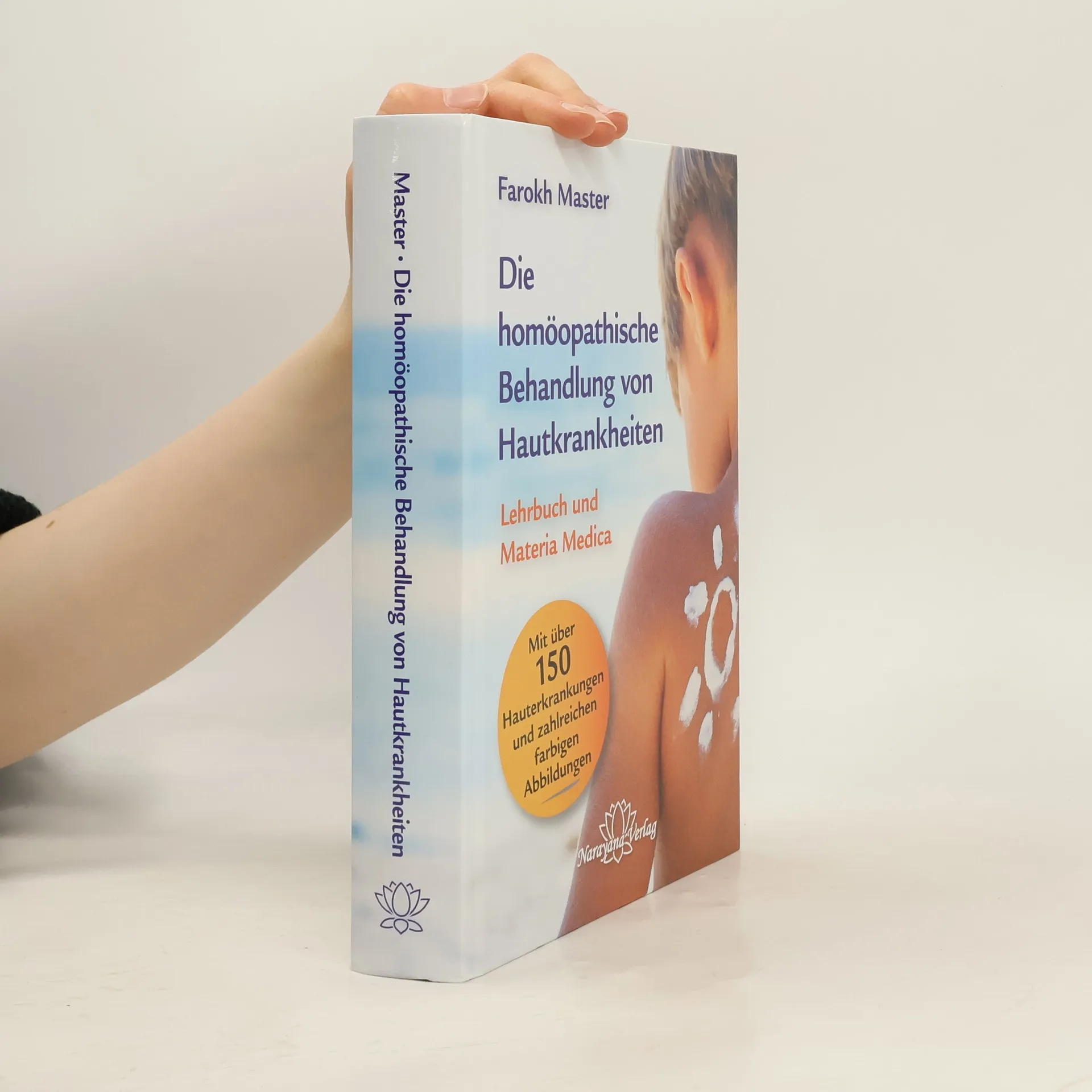
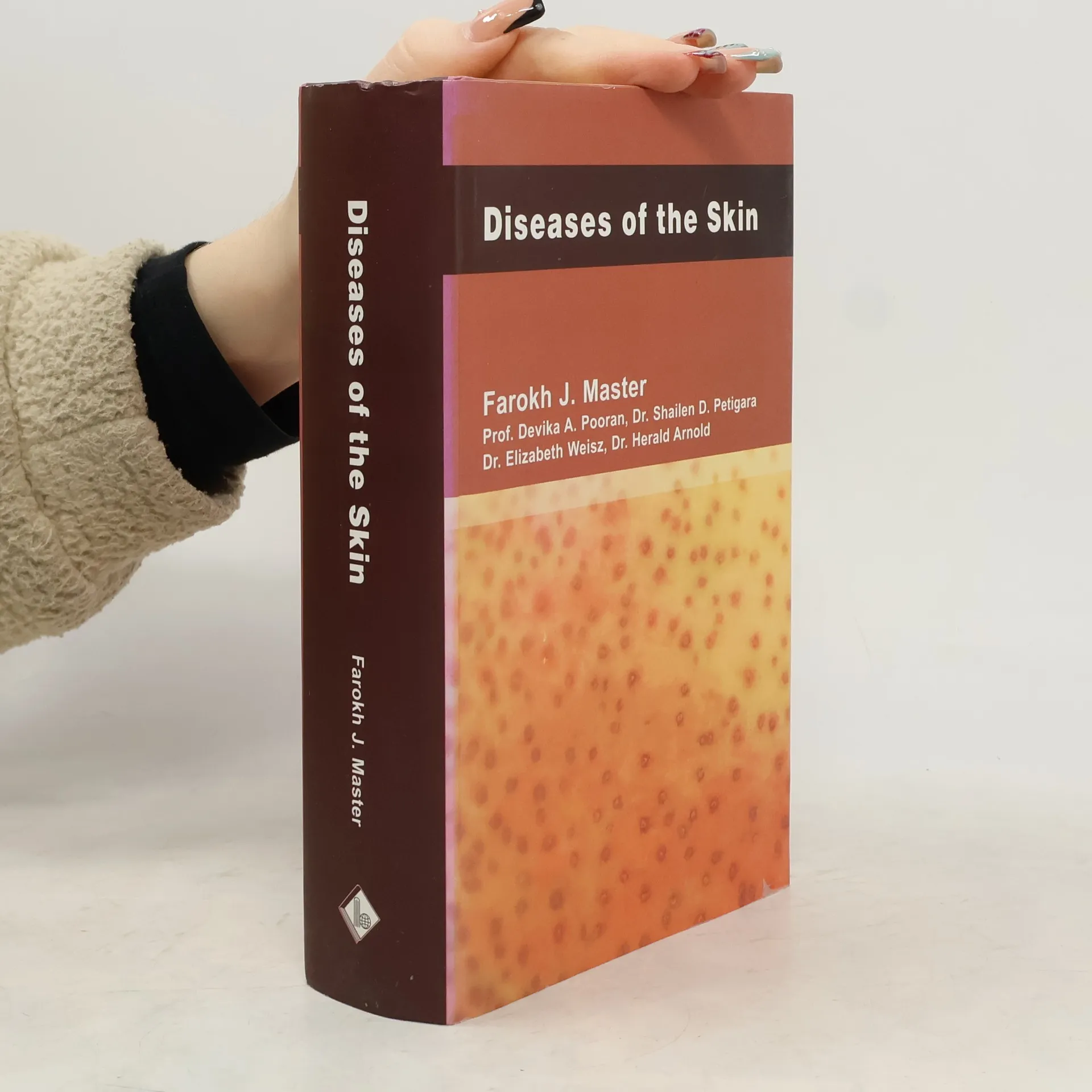
Skin diseases contribute to a significant proportion of our common day-to-day ailments. The author has given a detailed account of all the major skin conditions with their causation, diagnosis, and homeopathic treatment in an easy and comprehensible manner. This book will be of immense help in offering differentials to the younger and less experienced practitioner as well as to the undergraduate learner in their understanding of the therapeutics of skin diseases.
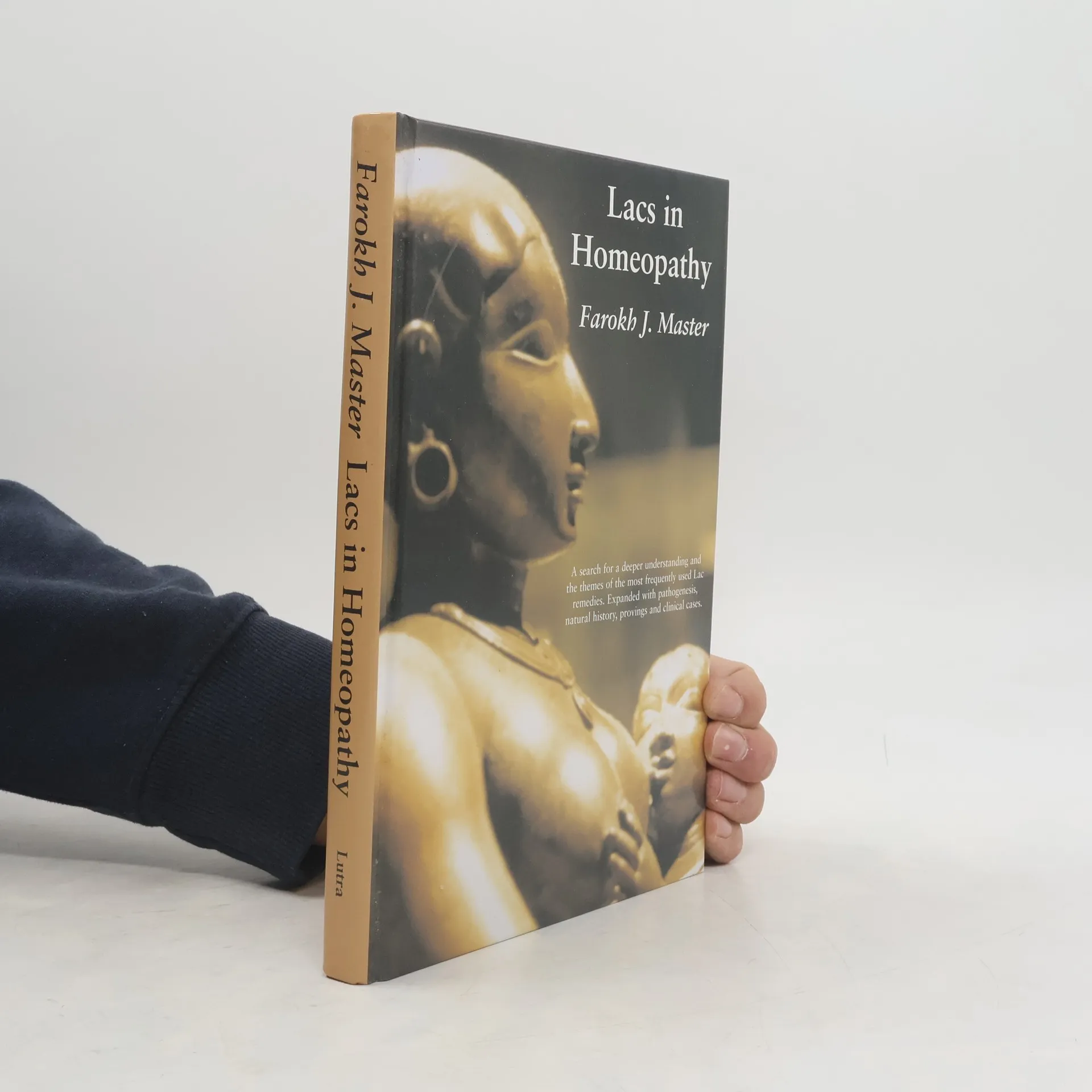
A Search for a Deeper Understanding and the Themes of Eight of Our Most Used Lac Remedies
A search for a deeper understanding and the themes of eight of our most used lac remedies
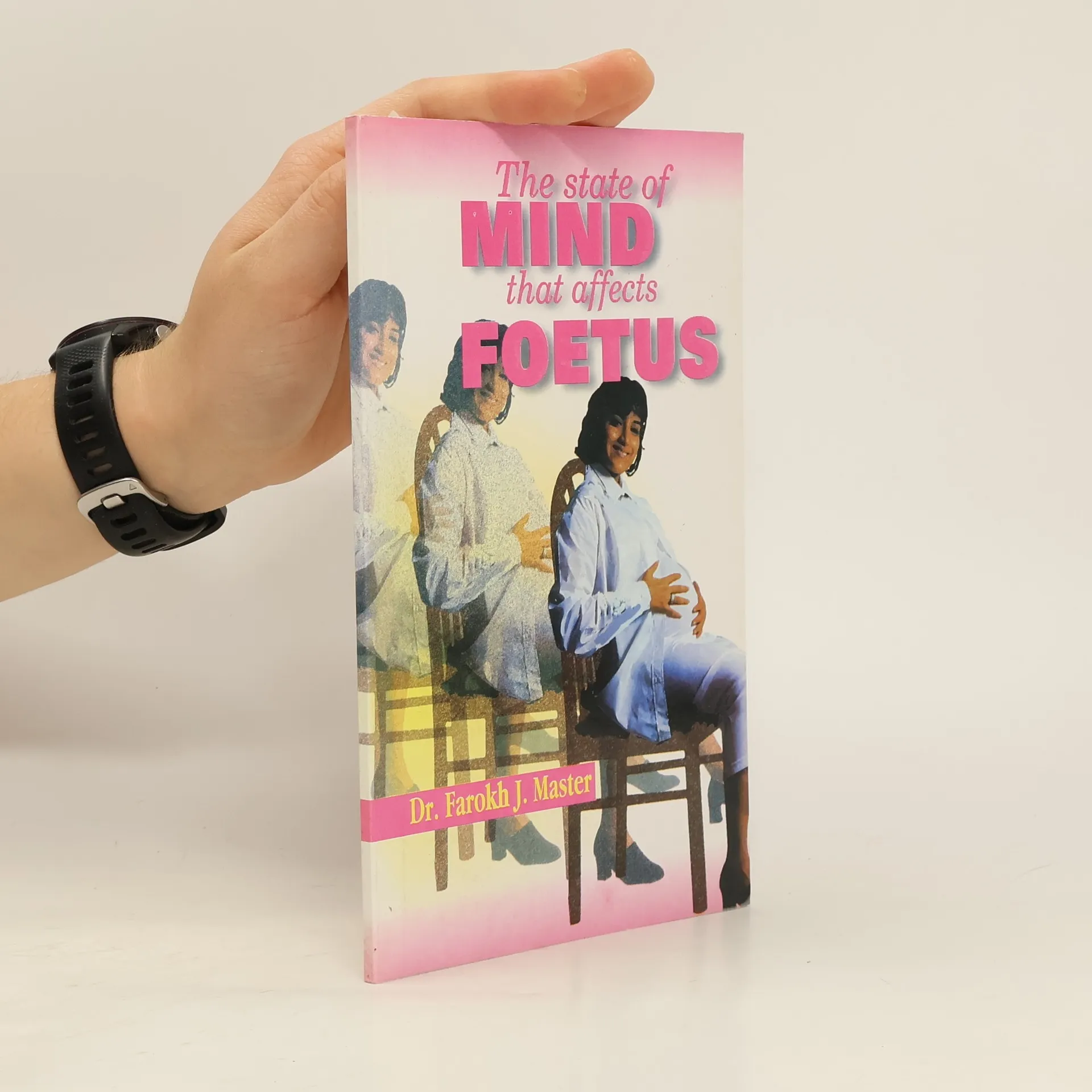
So far, we only have a fraction of understanding of the human mind, but we can definitely observe the effects of the physical state of the mother and child. This book is about the effect a mother's state of mind has on the foetus.
Provides a brief look at the features and natural habits of spiders and how these relate to the various remedies made from these creatures. In addition to the individual characteristics, the author has discovered the properties of various spider poisons that he has used to bring about some wonderful recoveries.
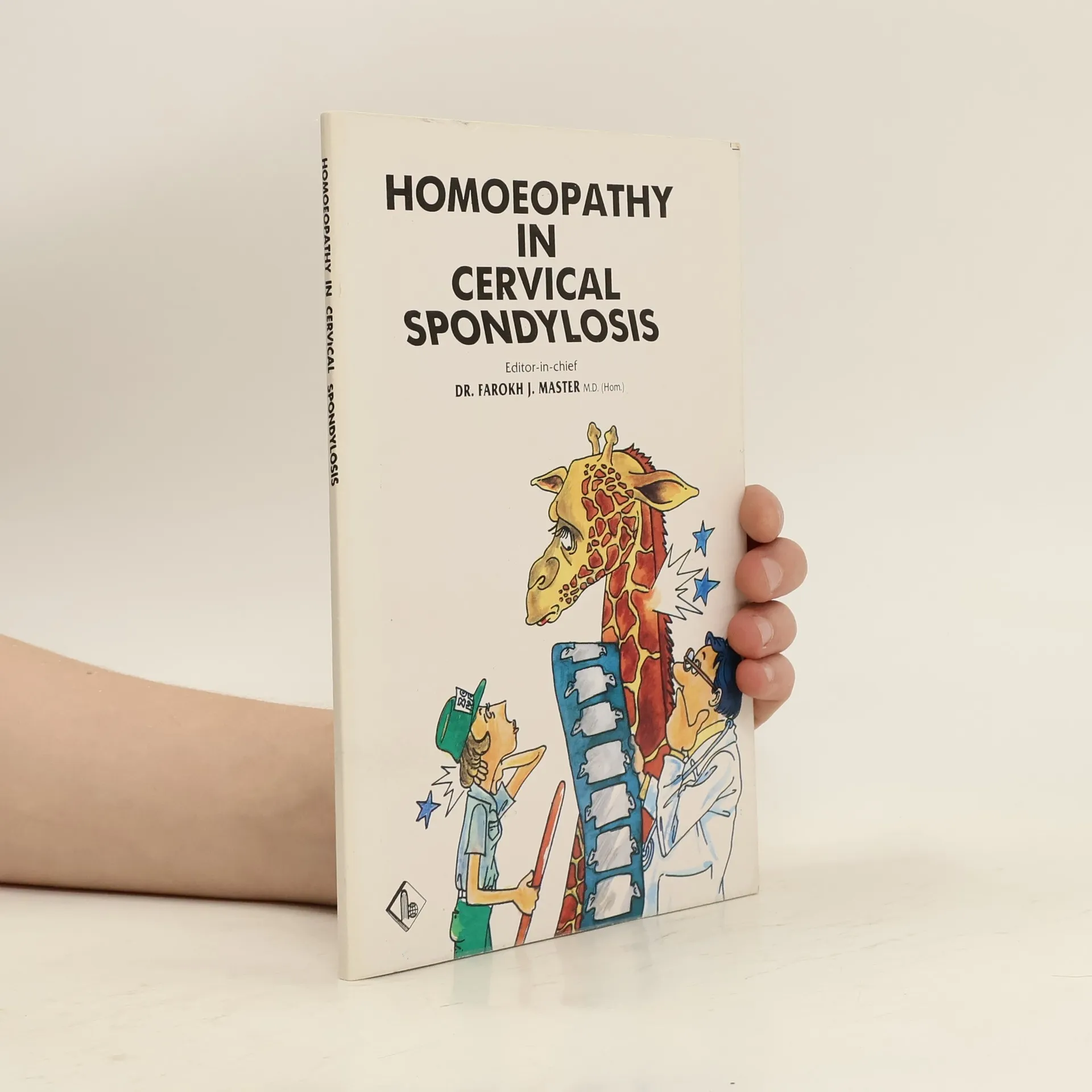
This book gives relevant information about this ailment under the following the structure and function of cervical spine cervical its causes, etc.
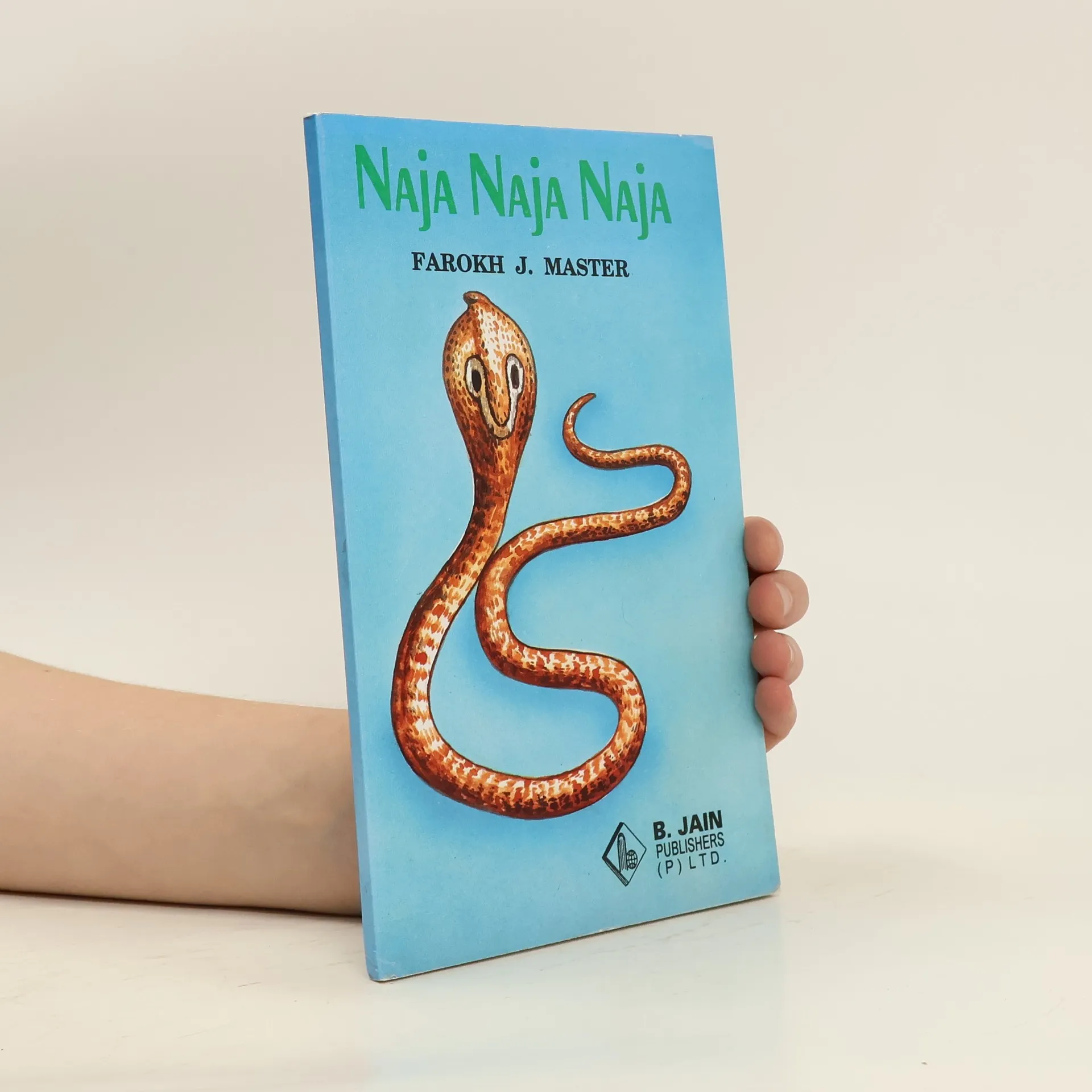
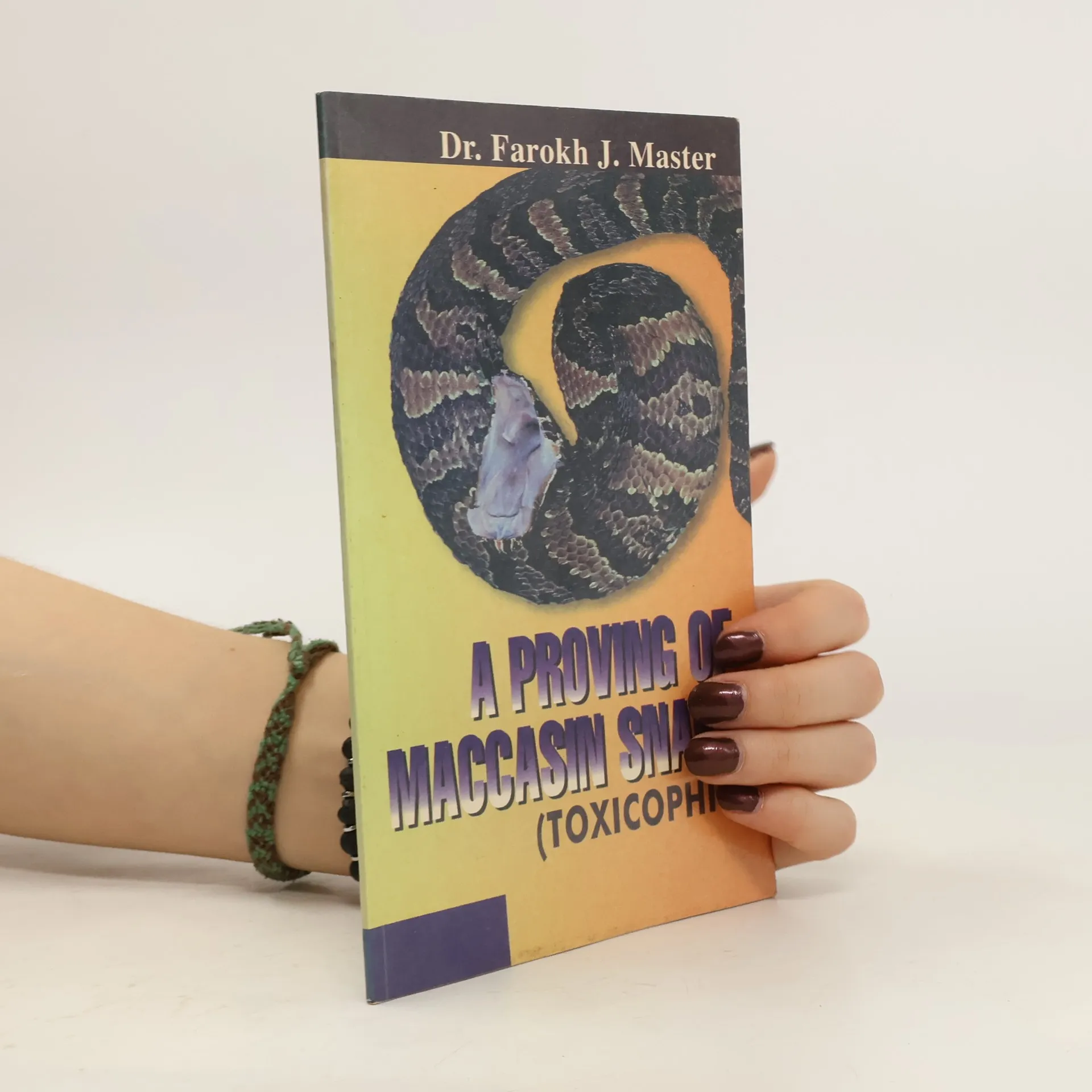
One of the best methods of obtaining an idea of the action of any drug is to investigate the source and study the ecology. One of the first features that strikes us is the serpent lethargy. You have seen the creature at the zoo, lying coiled up upon themselves, or upon one another, and you have difficulty in discerning whether they are dead or alive. So it is with the provers that they want to do nothing, and be left alone, but let anyone disturb them and they dart out in anger, ready to strike as the serpents themselves.
Toxicophis
A part from the symptoms recorded during the proving the book has the already existing information on the drug substance.
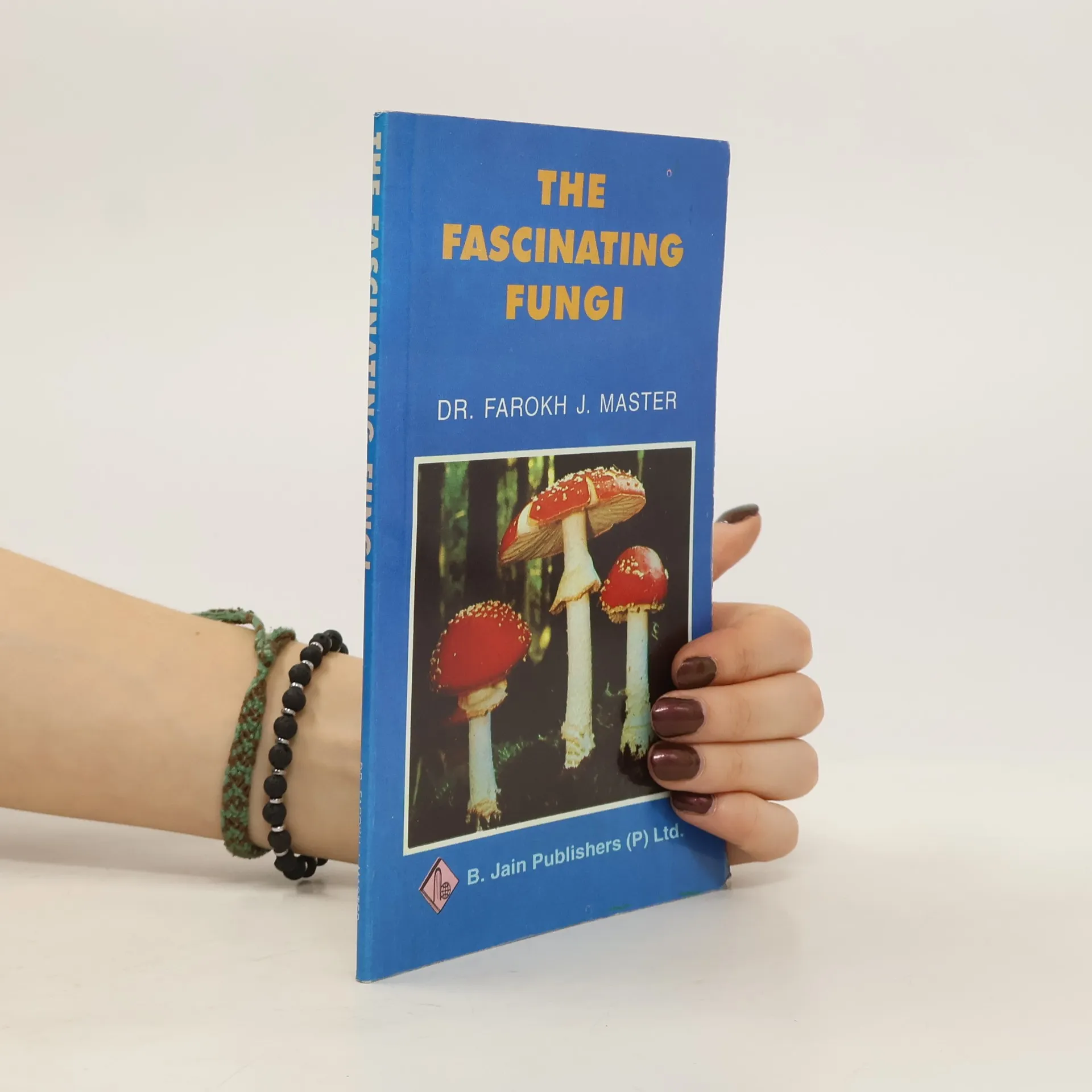
Offers an account of symptomatology and differential diagnosis of Fungal remedies.
This book explains how Ammonium salts are represented in the repertory yet are not frequently prescribed. A useful treatise exploring the therapeutic properties of the ammonium salts in a diverse range of diseases. A must read for every student and ardent practitioner of the healing art.
The book explains lucidly every aspect of Silicea ranging from its historical background, proving, pharmacology to the evolution of Silicea personality. It also includes comparison of Silicea with other remedies. It is an interesting book to increase our knowledge about this inert substance.
This book begins with a journey through the life and works of Boenninghausen and Boger, taking the readers to the destination of final conception of this repertory and its effective and efficient usage for practice. The concept and plan of Boger Boenninghausen's Characteristics and Repertory is thoroughly discussed which is essential for proper utilisation of this valuable tool. An additional section mentions the experiences of the author illustrating case studies. This book also contains gems of clinical case examples and rich practical experiences by the author. An indispensable book for young and experienced homeopaths alike; Salient features of individual chapters of Boenninghausen's Repertory; Life and works of Boger and Boenninghausen are well illustrated; For conceptual understanding of BBCR with illustrated examples.
The book brings together a large array of mental rubrics collected from standard references like the Kent???s, Boenninghausen???s, Synthetic &Vithoulkas repertories. Useful cross references & meanings with list of remedies have also been included to impart maximum information to students.
This book especially covers enuresis in detail with proper homeopathic approach, helping physicians to solve the problem of almost every parent. Are you frustrated because your child wets the bed? Are you looking for information to help you understand what you can do? You are not alone!! Bedwetting is a VERY common childhood condition that affects millions of children. By the time your child reaches school age (six and up) night time wetting begins to affect the entire family. This book reveals the untrodden and equally unrevealed aspects of this problem with their solution.
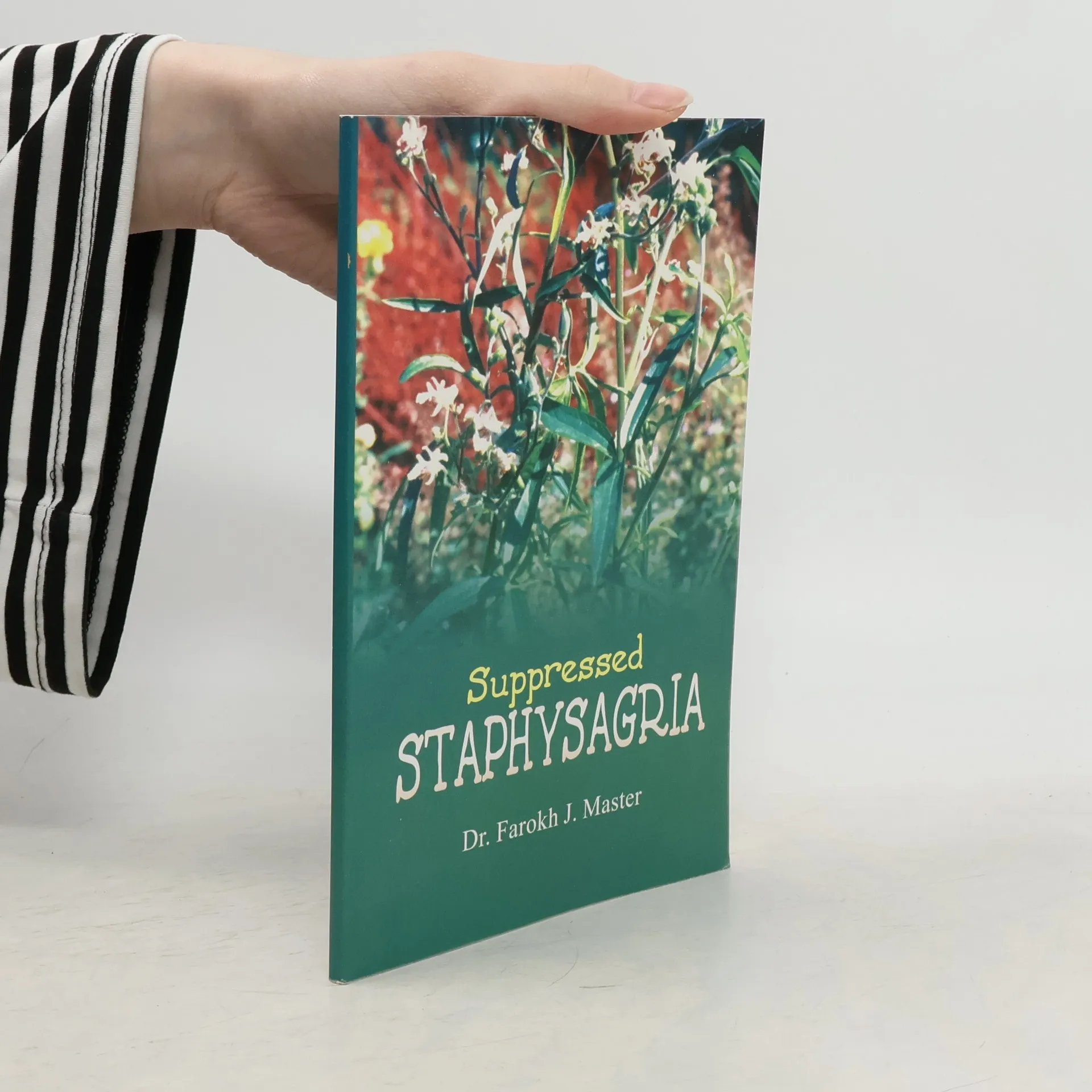
The author has included the following topics: A general introduction to the Staphysagria plant with an interesting doctrine of signatures, the state of mind during pregnancy which would create a Staphysagria child, general mental and physical characteristics of a Staphysagria individual and cases from his practice.
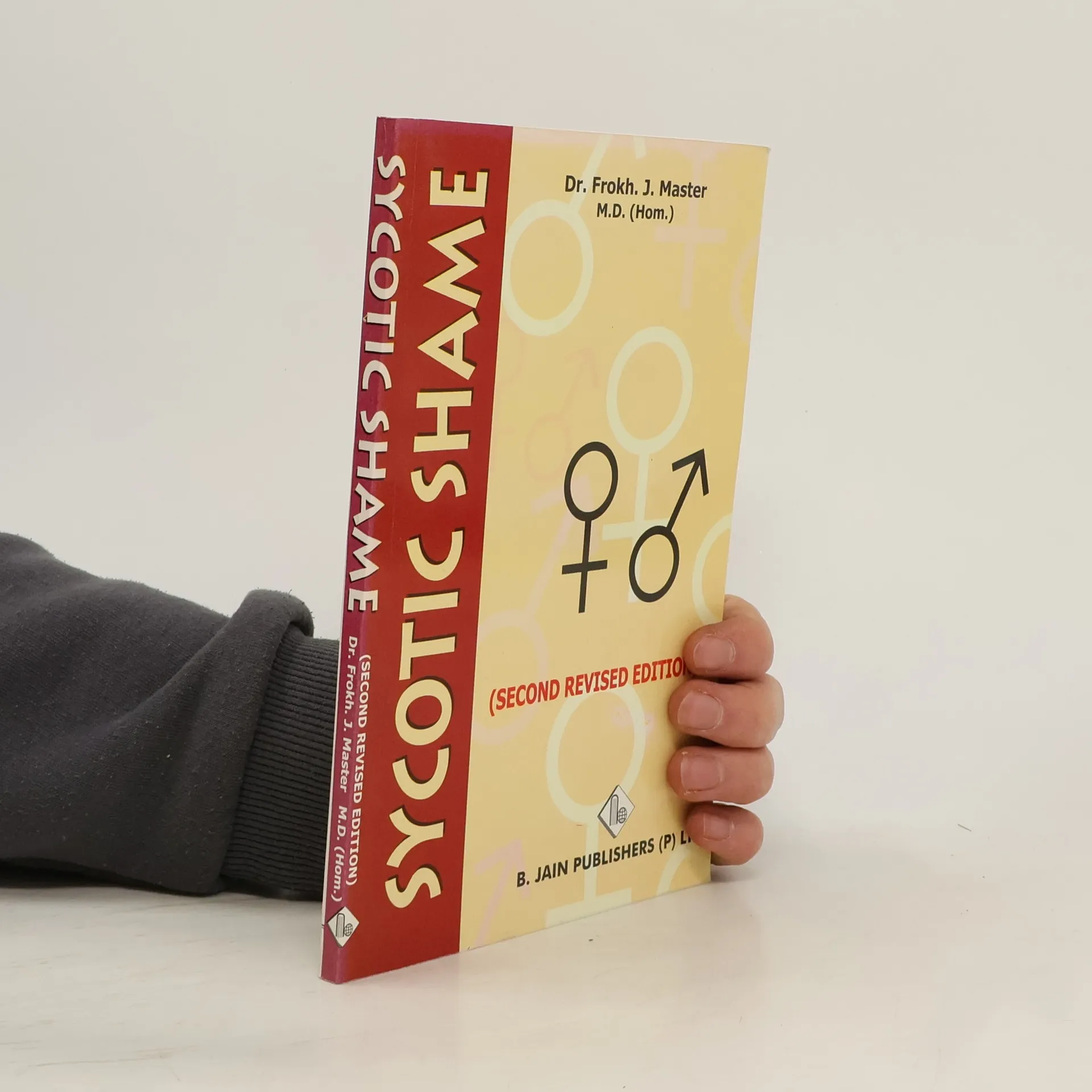
A thought provoking treatise on Sycotic Miasm. In this Second Revised Edition the author has added the many chaptes like: Comparision of sycosis with psora, shphils and tubercular miasm.
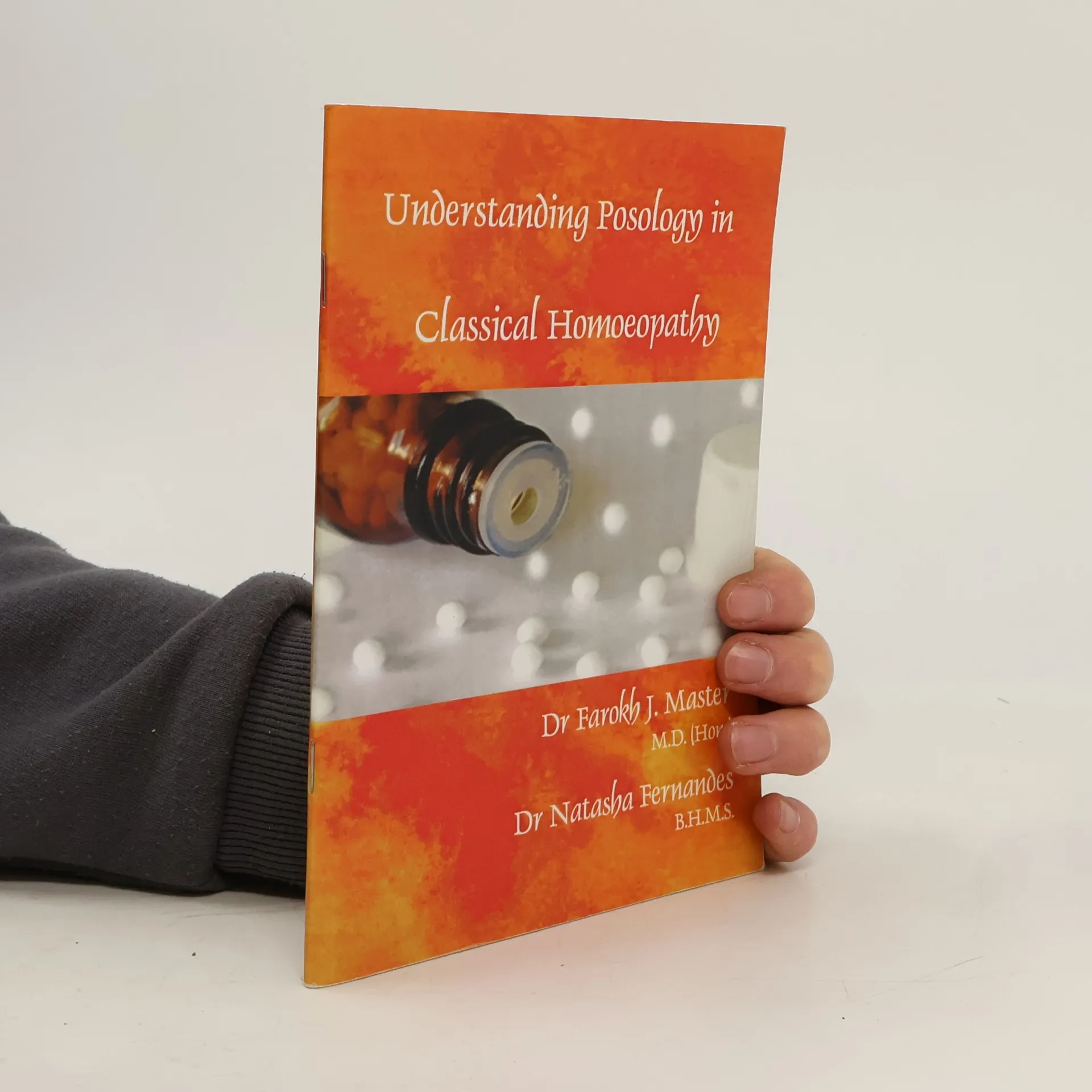
When I started teaching in my seminars the subject of posology, I found a great need of a book which students can read and understand. Hence, for the first time in mid-nineties I published my 1st edition of 'Bedside Organon' where I mentioned a chapter on posology. Few years down the line I published the second and the third edition of the same book with more information, however the quest for more information was still very strong from my students and medical doctors who were hungry for knowing in the art of posology what Hahnemann had written, hence I requested my student Dr. Natasha Fernandes to compile from my seminar notes all the information on posology and help me publish a small booklet on the subject.
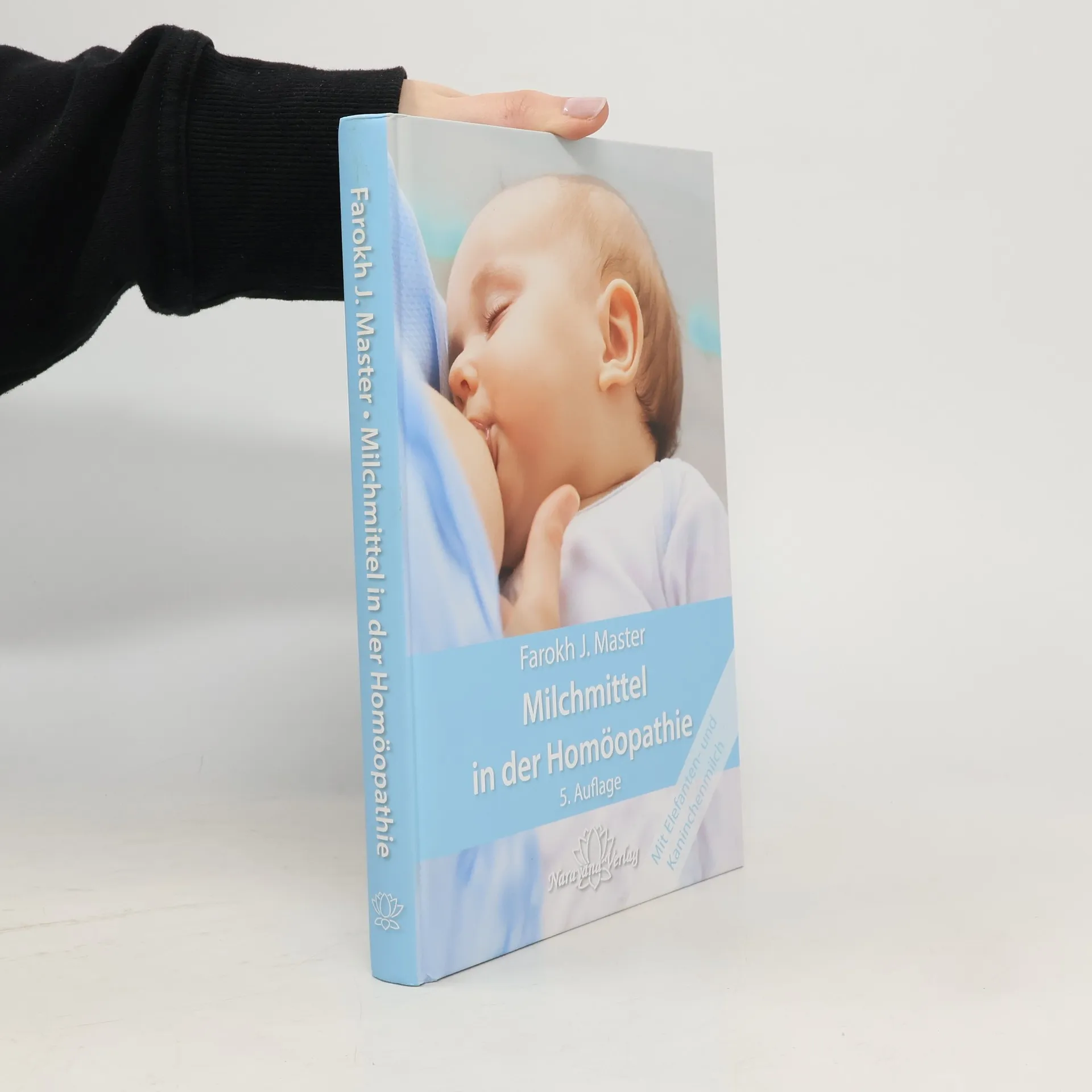
Der bekannte indische Arzt präsentiert hier das rundeste und klinisch fundierteste Werk über die Milchmittel. Mit 15 Mittelbeschreibungen ist es eine umfassende Sammlung dieser Familie.Die deutsche Ausgabe wurde gegenüber der englischen um sechs neue Mittel ergänzt. So werden hier erstmals Fälle von Seehund-, Schweine- und Eselsmilch publiziert. Alle dargestellten Mittel werden durch klinische Erfahrungen bereichert. Es werden nicht nur Prüfungssymptome aufgelistet, sondern auch der Sinn der Symptome gezeigt und differentialdiagnostische Hinweise gegeben.Neben den allgemeinen Themen der Milchmittel folgt eine Beschreibung der Arzneimittelbilder von Lac humanum (Mensch), Lac equinum (Pferd), Lac delphinum (Delphin), Lac caprinum (Ziege), Lac leoninum (Löwe), Lac caninum (Hund), Lac felinum (Katze), Lac vaccinum defloratum (entrahmte Kuhmilch), Lac ovinum (Schaf), Lac suinum (Schwein), Lac lupinum (Wolf), Lac asinum (Esel) und Lac phoca vitulina (Seehund).In der dritten Auflage wurden durch die zwei aktuellen Milchmittel Lac loxodonta africana (Elefant) und Lac oryctolagus cunicilus (Kaninchen) ergänzt."Das Buch ist eine Empfehlung. Die Arzneien sind gut herausgearbeitet, auch aufgrund einer guten Mischung zwischen Prüfungssymptomen, klinischen Beobachtungen und Betrachtung des jeweiligen Tieres."Thomas Schweser (Homoeopathia viva)Neu ab der 3. erweiterten- Kanninchen und Elefantenmilch