
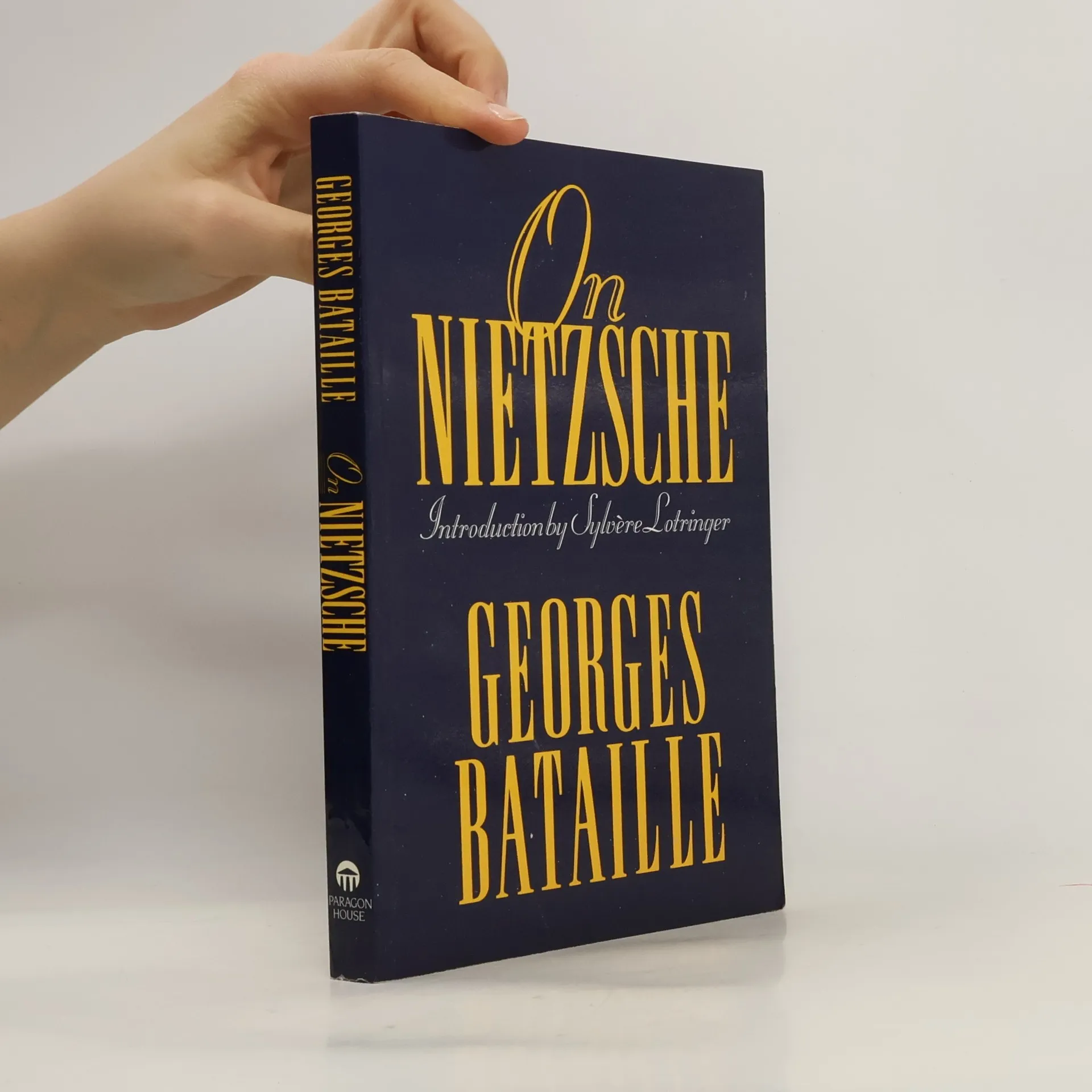
Hailed as "one of France's best minds" by Martin Heidegger, Georges Bataille has become a pivotal figure in American thought, influencing thinkers like Barthes, Foucault, Derrida, and Kristeva. For the first time in English, this volume is the final part of Bataille's significant work, The Atheological Summa, which includes Inner Experience and Guilty. Originally published in 1945, it represents Bataille's closest attempt to formulate his own system—an "atheology." Nietzsche profoundly impacted Bataille's life, leading him to abandon Catholicism for a unique form of godless mysticism after a personal crisis. In this work, Bataille extends Nietzsche's exploration of spirituality beyond religion, addressing how one can lead a spiritual life without traditional faith. He critiques fascist interpretations of Nietzsche, discusses Nietzsche's conflicts with Richard Wagner, and condemns German anti-Semitism, portraying Nietzsche as a prophet of "the crude German fate." The text serves as a journal that intertwines observations with fragments, aphorisms, poems, and myths against the backdrop of war and occupation. Bataille transitions seamlessly between abstraction and confession, connecting his internal struggles with the external chaos of his time. This volume reaffirms Michel Foucault's assertion that Bataille "broke with traditional narrative to tell us what has never been told before."
Michal Pacvoň Books


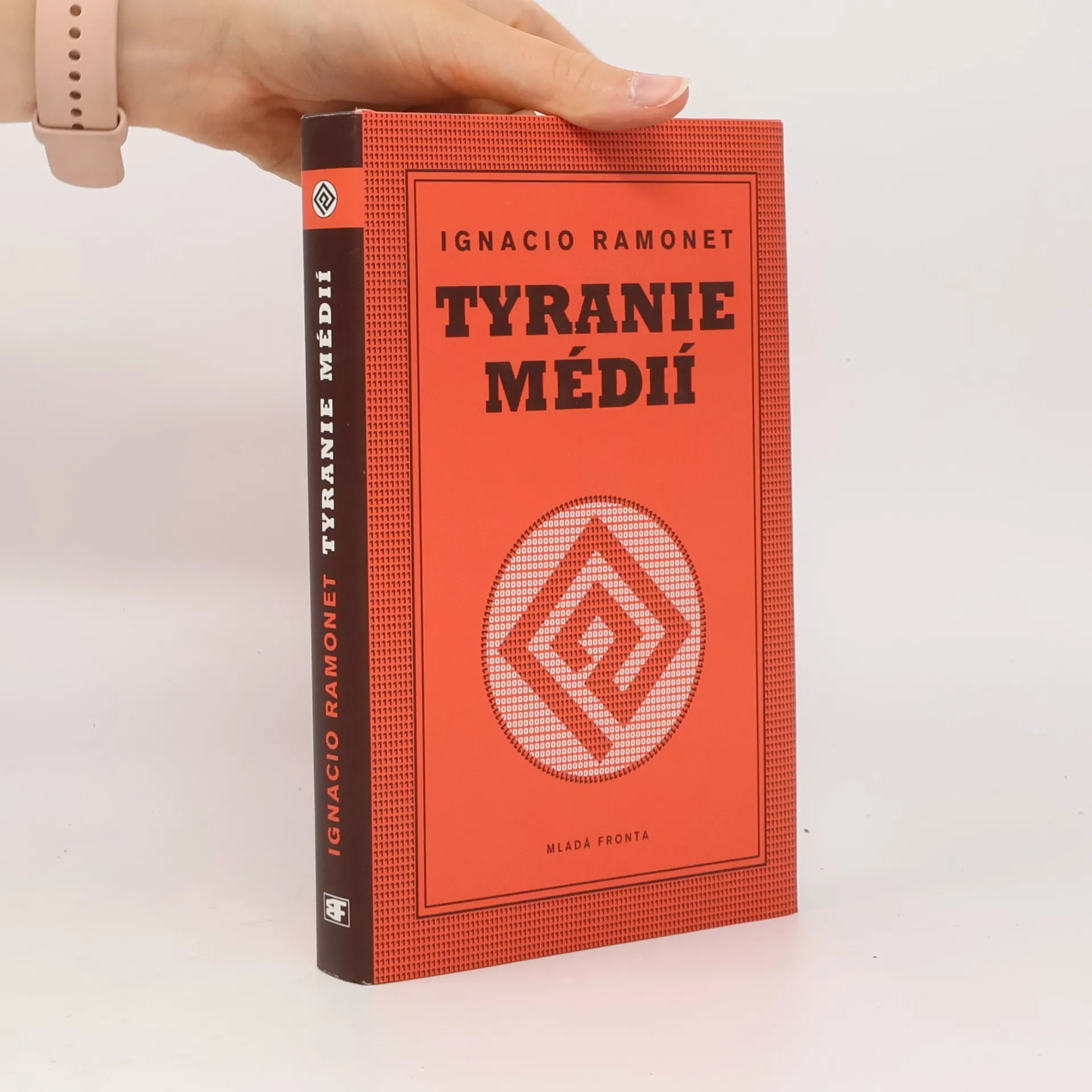
Cílem Ramonetovy geniální knihy je zachytit situaci propojeného trojúhelníku média-moc-komunikace v současné době radikální proměny komunikačních prostředků. Noviny jsou v krizi, počet odběratelů klesá, podobná situace provází teležurnály. Autor sleduje zcela konkrétní kauzy, jako smrt princezny Diany, aféru Clinton-Lewinská apod., rozebírá jejich pozadí a snaží se dobrat k obecným tendencím a závěrům. Ramonet považuje nástup digitalizace ve spojení s multimédii za tak významný přelom v dějinách lidstva, jakým byl Gutenbergův vynález knihtisku v 15. století. Snaží se analyzovat, jak nový fenomén mediálního zpracování světa ovlivňuje náš pohled na něj, do jaké míry se svět tímto procesem virtualizuje a zplošťuje, jinými slovy zachycuje proces, při kterém se mediální svět stává skutečnějším, než realita sama. V kapitolách, jako je Mediální mesianismus či Myšlenková policie, nahlíží přelomové okamžiky ve způsobu informování v posledních letech. Nedochází k povzbudivým závěrům, ale pojednává téma, které se bolestivě vtírá do života každého z nás.... celý text
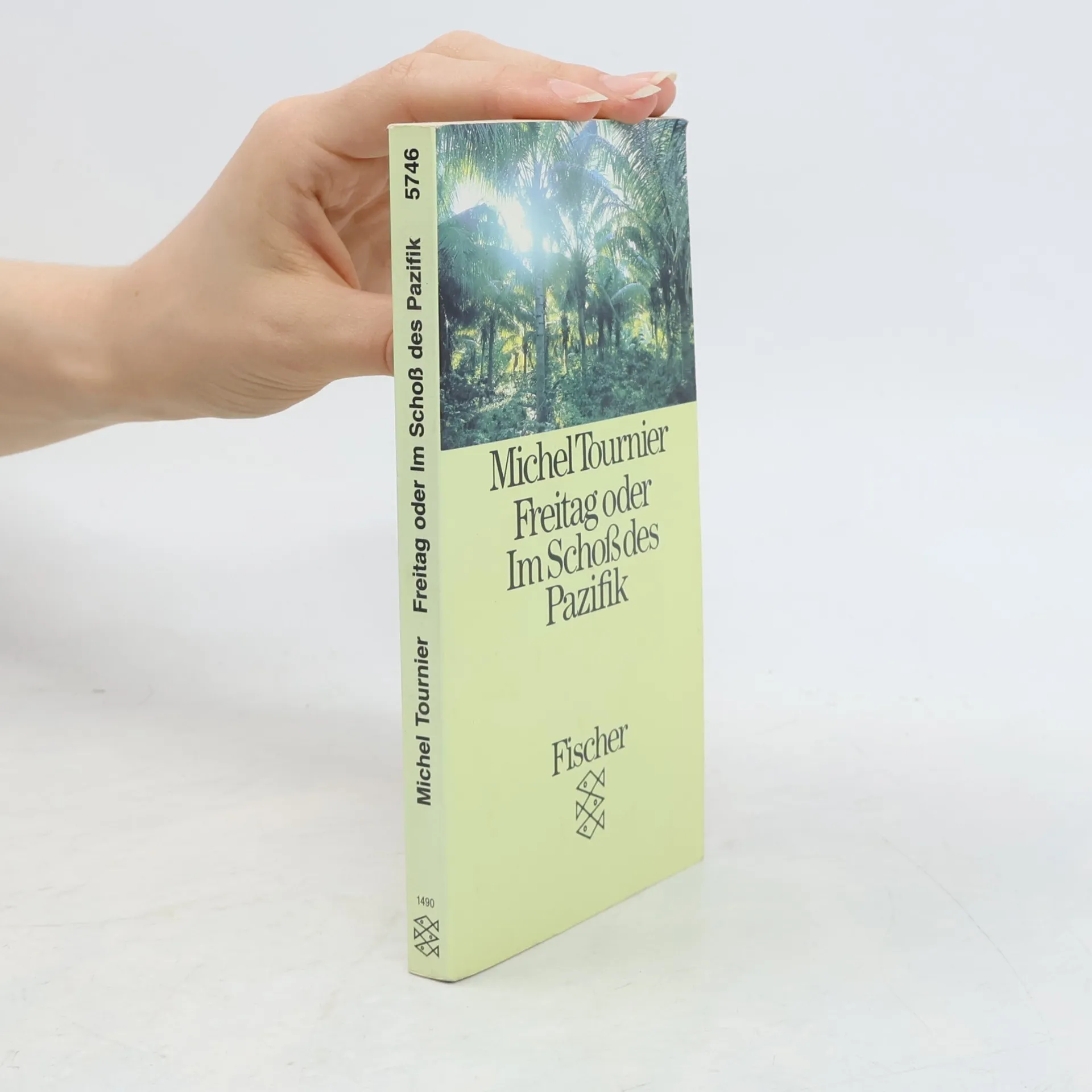
Wie bei Defoe, so strandet auch Tourniers Robinson auf einer einsamen Insel. Er findet Freitag, den er zu seinem Sklaven macht. Doch je mehr Robinson versucht, dem Jungen seine Regeln beizubringen, um so mehr erkennt er die Lächerlichkeit des eigenen Herrschaftsstrebens. Als am Horizont das lang ersehnte Schiff auftaucht, ist es nicht Robinson, sondern Freitag, der die Insel verläßt. Robinson bleibt zurück, und sein Leben ist jetzt allein von den Gesetzen der Natur bestimmt. »Der Roman Freitag oder das Leben in der Wildnis liest sich leicht wie ein Abenteuerroman, und doch nimmt man mehr mit als nur eine spannungsreiche Lektüre.« FUNDEVOGEL JUGENDBUCH DES MONATS, DEUTSCHE AKADEMIE FÜR KINDER- UND JUGENDLITERATUR 1997