


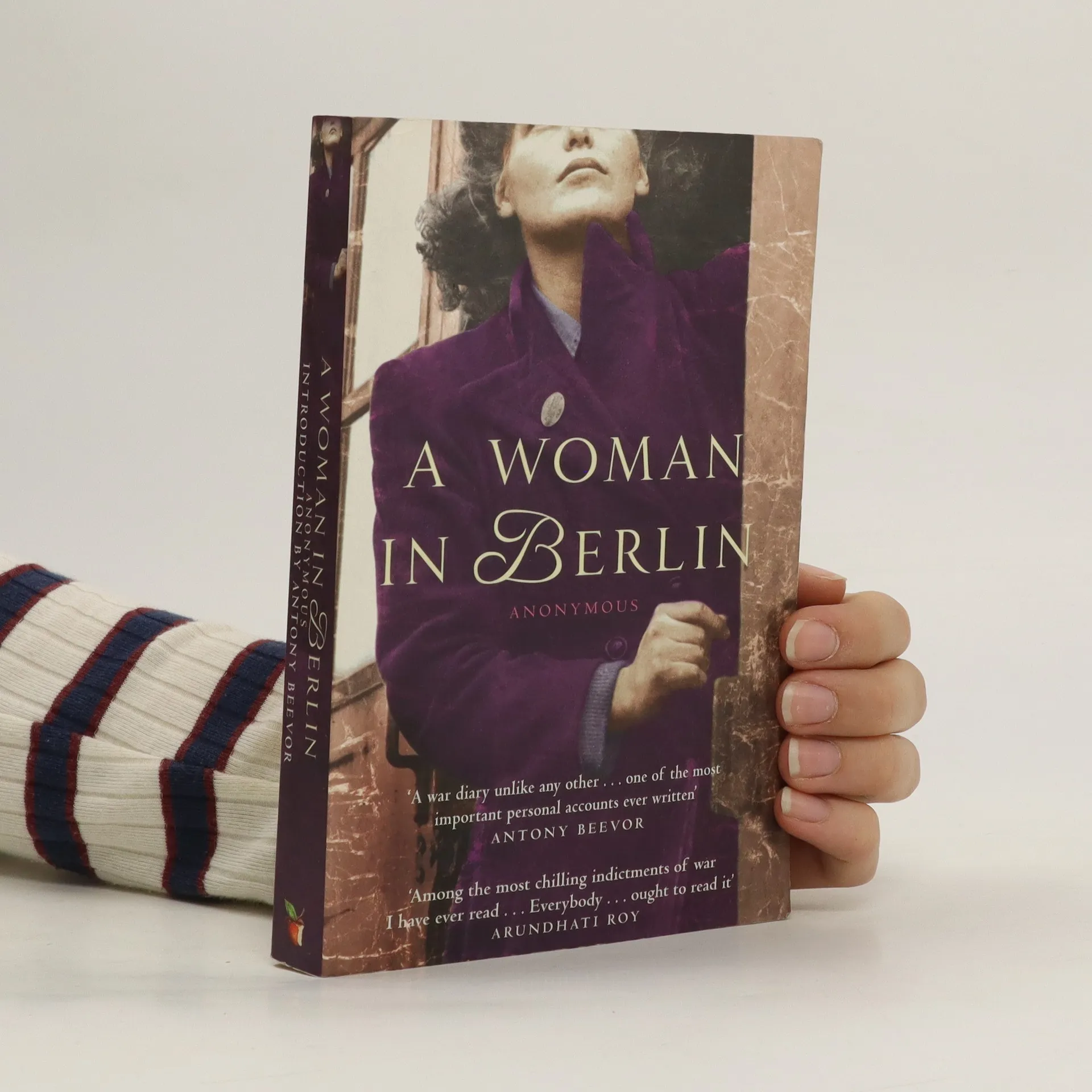
A Woman in Berlin is the astonishing and deeply affecting diary of a woman fighting for survival amid the horror and inhumanity of war. Begun on 20 April 1945, the day Berlin first saw the face of war and ending on 22 June 1945, the anonymous author describes life within the falling city as it was sacked by the Russian army.
A moving portrait of people in transition - between old and new, life and death. Germans flee the besieged city of Danzig in 1945. Poles driven out of eastern regions by the Russians move into the homes hastily abandoned by their previous inhabitants. In an area of the city graced with beech trees and a stately cathedral, the stories of old and new residents intertwine: Hanemann, a German and a former professor of anatomy, who chooses to stay in Danzig after the mysterious death of his lover; the Polish family of the narrator, driven out of Warsaw; and a young Carpathian woman who no longer has a country, her cheerful nature concealing deep wounds. Through his brilliantly defined characters, stunning evocation of place, and memorable description of remnants of a world that was German but survives in Polish households, Chwin has created a reality that is beyond destruction.
A tour of Germany after reunification provides anecdotes of the West German people, an East German baker, Bavarian yodelers, Stalinist functionaries, and Western capitalists
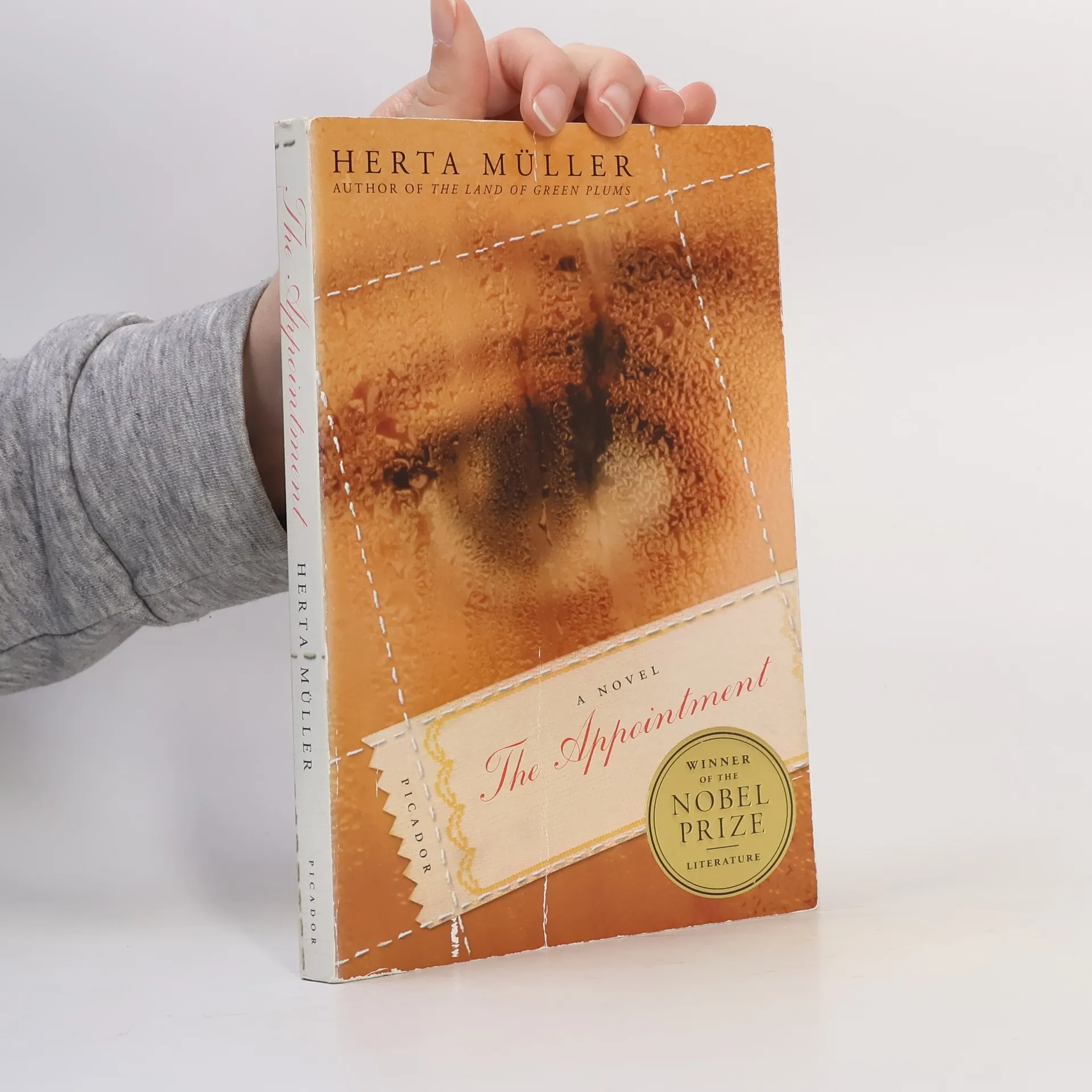
From the winner of the IMPAC Award, a fierce novel about a young Romanian woman's discovery of betrayal in the most intimate reaches of her life"I've been summoned. Thursday, ten sharp." Thus begins one day in the life of a young clothing-factory worker during Ceaucescu's totalitarian regime. She has been questioned before; this time, she believes, will be worse. Her crime? Sewing notes into the linings of men's suits bound for Italy. "Marry me," the notes say, with her name and address. Anything to get out of the country.As she rides the tram to her interrogation, her thoughts stray to her friend Lilli, shot trying to flee to Hungary, to her grandparents, deported after her first husband informed on them, to Major Albu, her interrogator, who begins each session with a wet kiss on her fingers, and to Paul, her lover, her one source of trust, despite his constant drunkenness. In her distraction, she misses her stop to find herself on an unfamiliar street. And what she discovers there makes her fear of the appointment pale by comparison.Herta Müller pitilessly renders the humiliating terrors of a crushing regime. Bone-spare and intense, The Appointment confirms her standing as one of Europe's greatest writers.