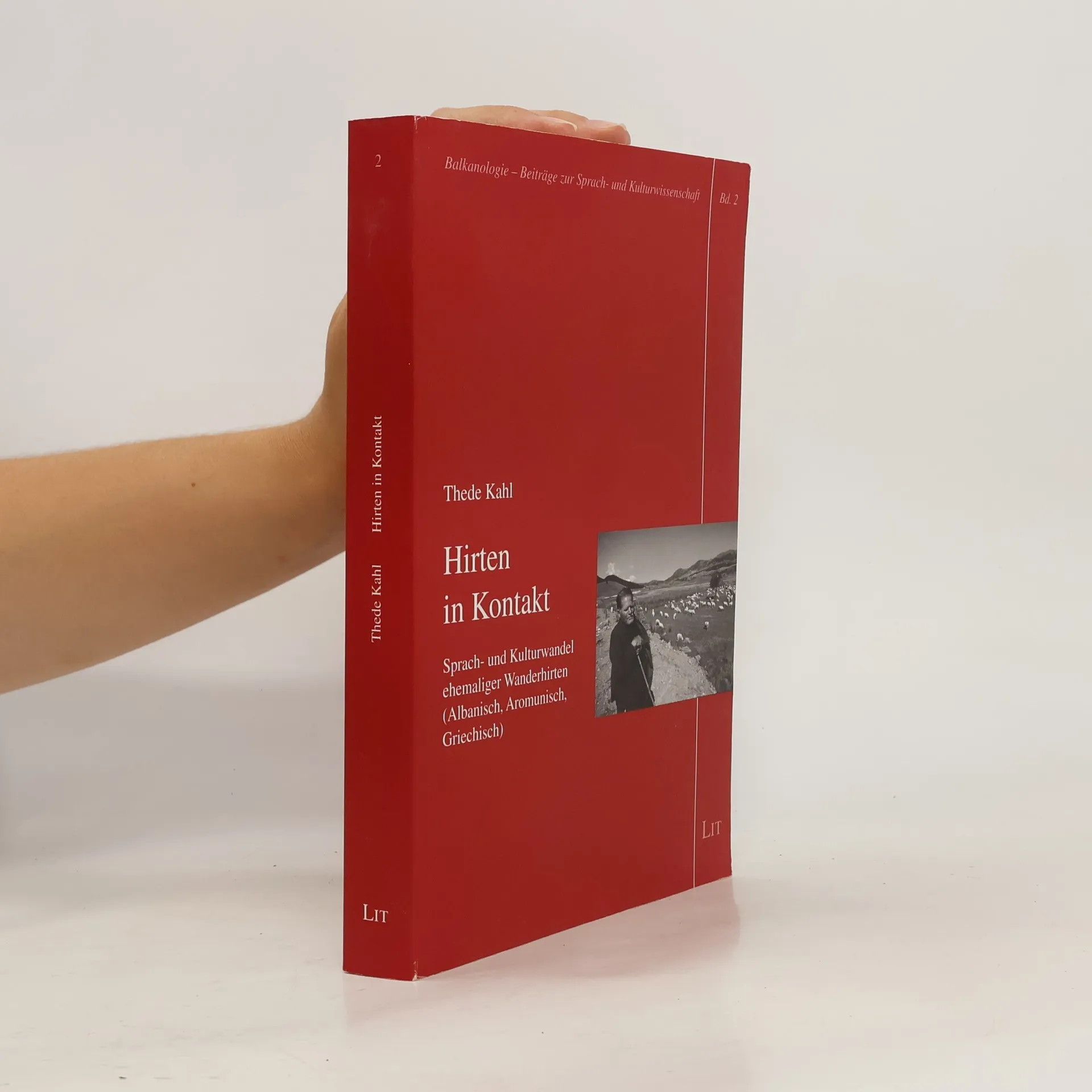
Hirten in Kontakt
Sprach- und Kulturwandel ehemaliger Wanderhirten (Albanisch, Aromunisch, Griechisch)
- 379 pages
- 14 hours of reading


Sprach- und Kulturwandel ehemaliger Wanderhirten (Albanisch, Aromunisch, Griechisch)
The book explores various themes related to regional identities, migration, and cultural interactions in Central and Eastern Europe. It begins with discussions on regionalization and identity in Eastern Central Europe, examining the complexities of state borders, particularly in the context of the Moldova Republic. The text delves into identities and stereotypes, focusing on the Polish perception of Germans during the political discourse of the 1990s, and the historical relationship between Hungarian and Jewish communities through figures like Ignác Goldziher. It also addresses the portrayal of ethnic minorities, specifically Roma in Romania, and the cultural dynamics between Islam and Europe from the decline of the Ottoman Empire to the present. Literature and language are examined through various lenses, including the regional identity reflected in the urban text of Lviv and the significance of Czech literary constructions by Marie von Ebner-Eschenbach. The book also discusses the role of Polish theater in Lviv and highlights influential figures in the Slovenian women's movement. Furthermore, it tackles migration, environmental issues, and prosperity, analyzing the integration of Balkan traders in Hungary and the historical context of Hungarian refugees in Austria. The implications of cross-border economic cooperation and environmental research are also addressed, particularly in relation to transportation and waste mana
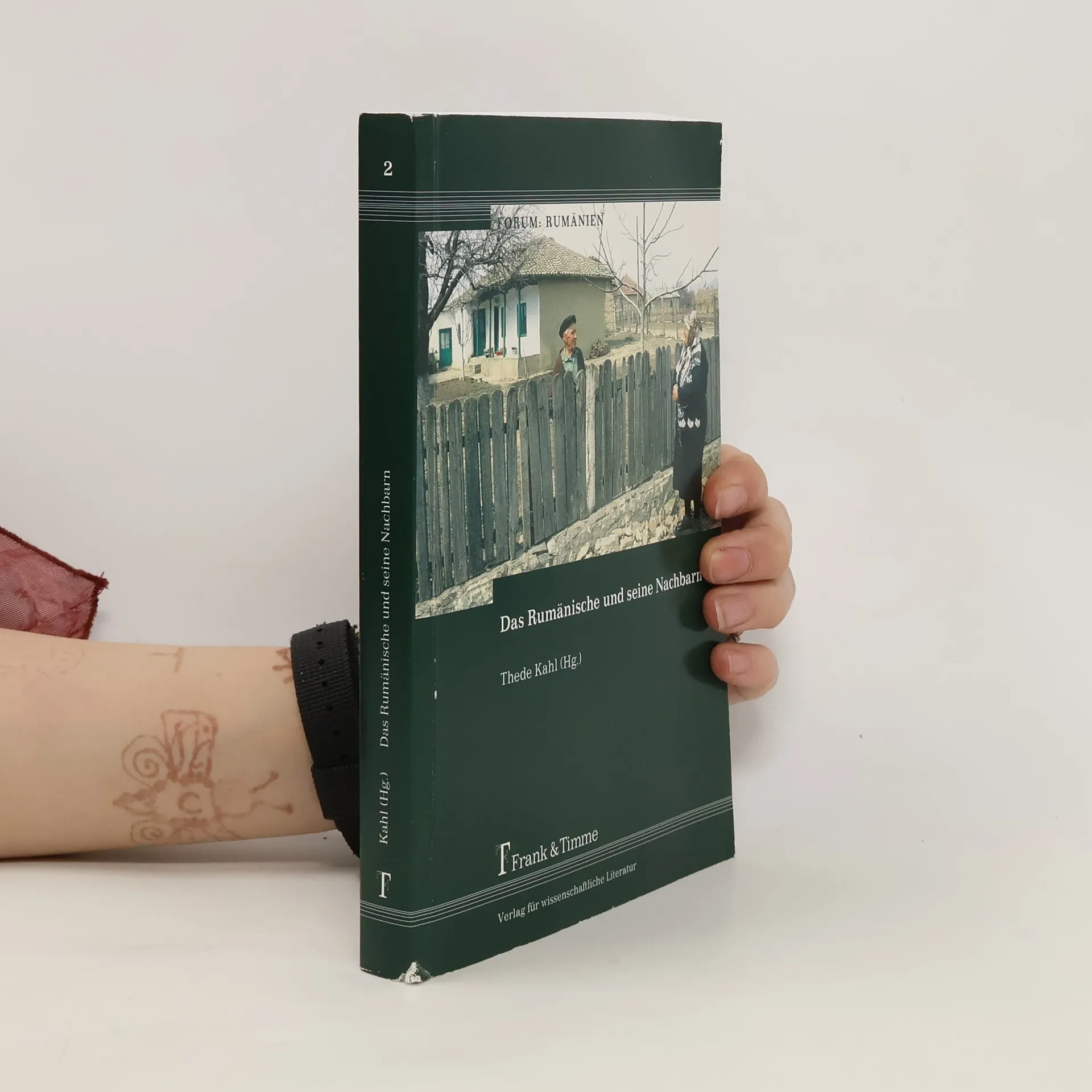
Das Rumänische ist für Linguisten aufgrund seiner äußerst komplexen Kontaktsituation von großem Interesse: Wie eine romanische Insel erhebt es sich aus einem Meer nichtromanischer Sprachen, umrahmt von ost- und südslawischen Sprachen und dem Ungarischen. Sprachhistorisch kommen Beziehungen mit dem Albanischen, Griechischen, Türkischen hinzu. Innerhalb des Landes beeinflussen Minderheiten wie die Roma das Rumänische. Berücksichtigt man das Aromunische sowie das Istro- und Meglenorumänische, dann erhöht sich diese Komplexität noch. Schließlich sind es die tiefgreifenden politischen Veränderungen des 20. Jahrhunderts, die immer wieder die Kontaktsituation rumänischer Sprechergruppen änderten. Namhafte Experten untersuchen im vorliegenden Band die kontaktlinguistischen Beziehungen des Rumänischen, Fragen zur Romanität und Balkanität sowie Phänomene des heutigen Sprachwandels in der Literatur und in der Sprache rumänischer Emigranten.