Andrew Heywood is a leading author of politics textbooks in the UK, and a Chief Examiner in Government and Politics. His works are crucial for understanding advanced-level government and political studies. As an experienced educator and writer, he focuses on providing clear and accessible analyses of political concepts. His goal is to make complex political ideas accessible to a wider audience.
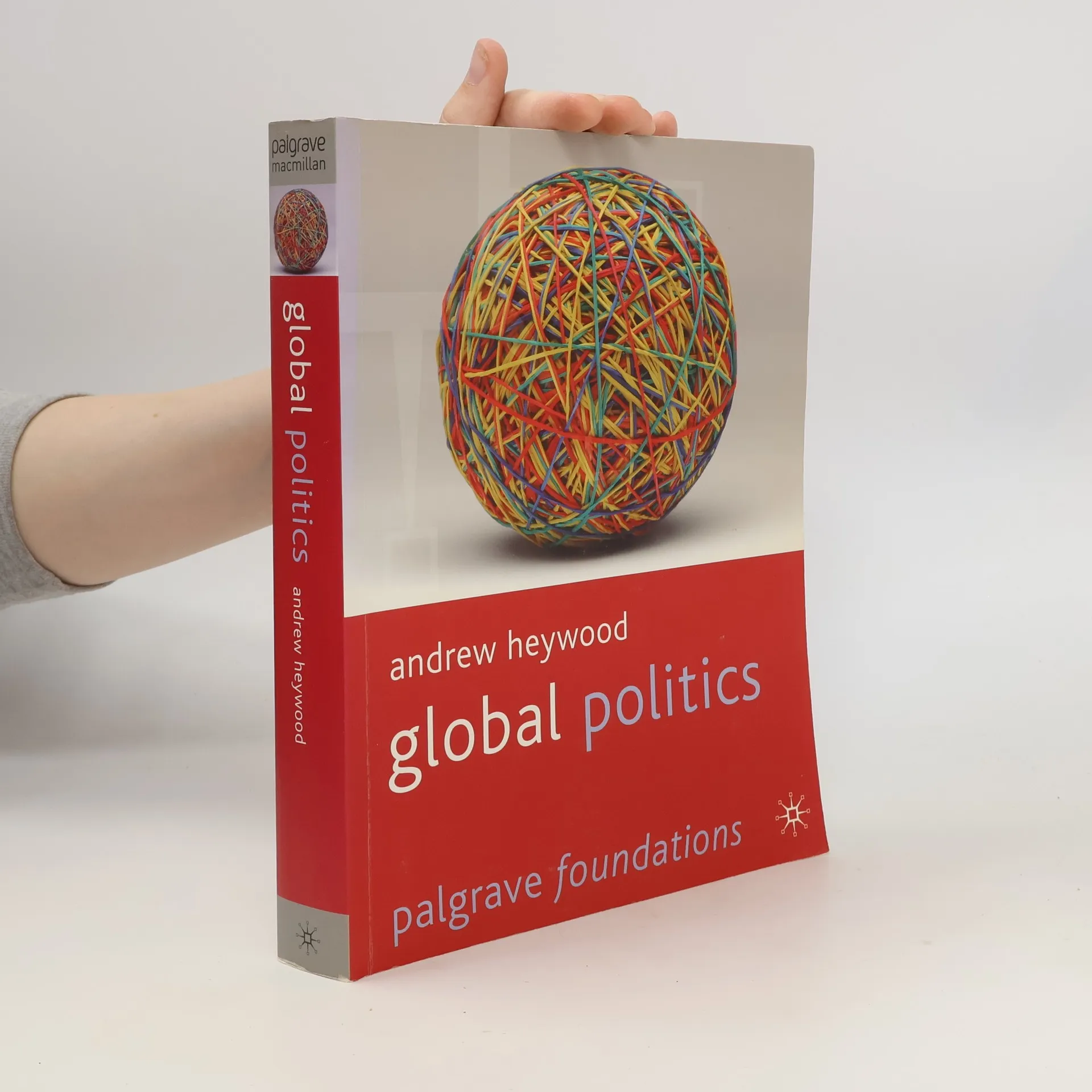
This book is a major new introduction to international relations/global politics. Written by a leading textbook author, it is engaging, stimulating and forward-looking, covering all the topics and theory students require at an introductory level.
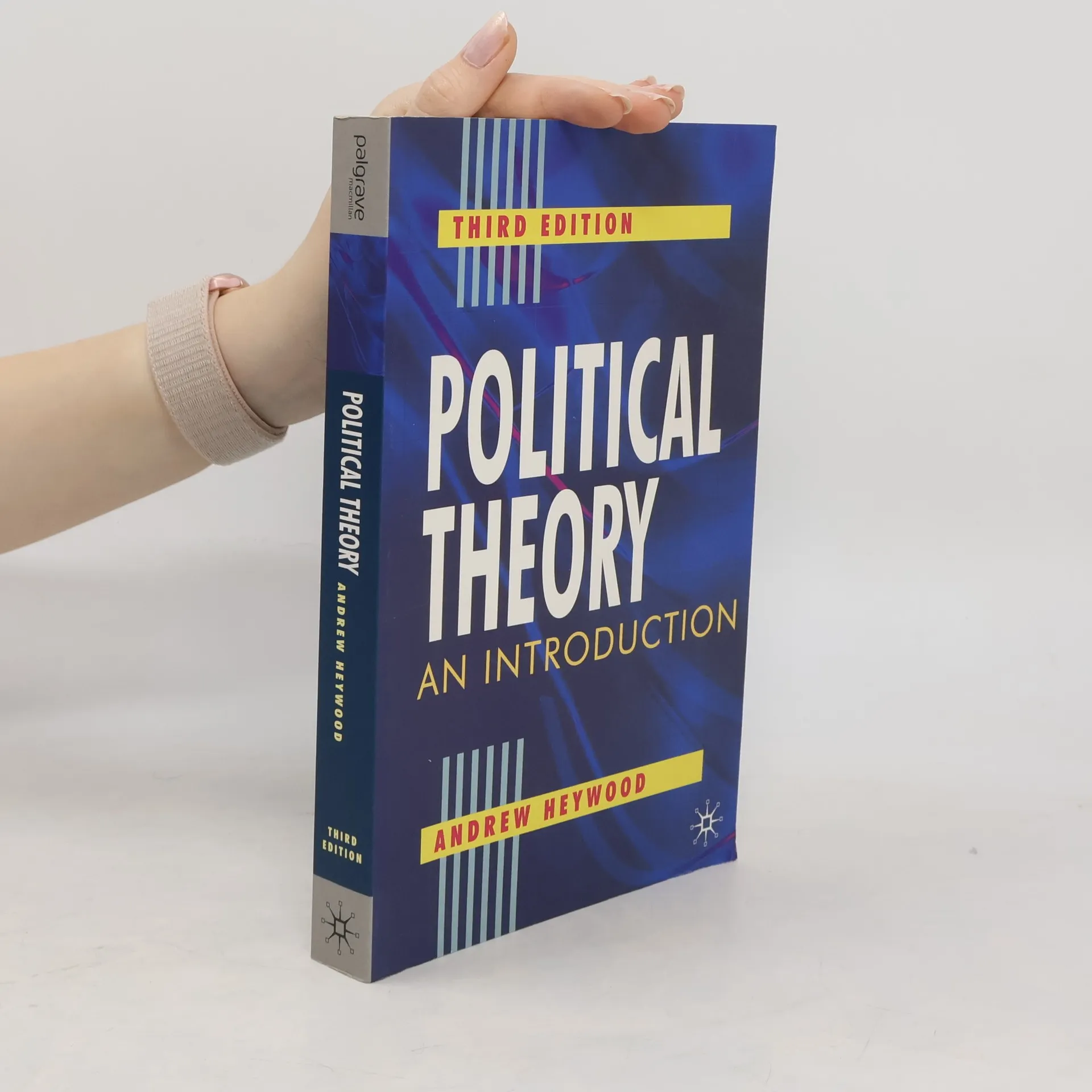
The new third edition of the highly successful text has been revised and updated throughout to take account of new issues such as identity and difference, globalization and multiculturalism. The book provides a clear and accessible introduction to political theory and key concepts in political analysis. Each chapter discusses a cluster of interrelated terms, examines how they have been used by different thinkers and in the various political traditions, and explores related debates and controversies.
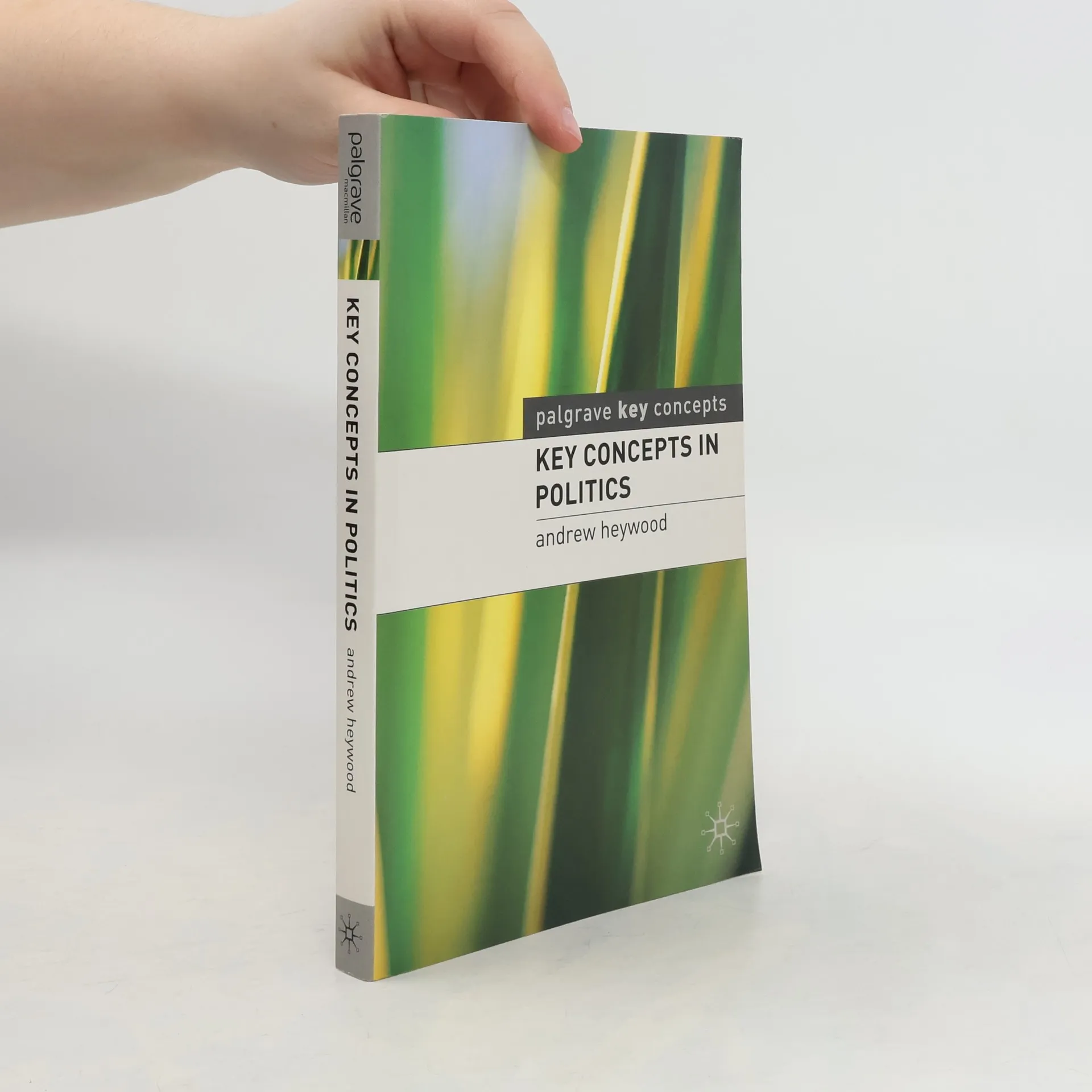
This accessible guide to the key concepts in politics now features over 60 additional international relations entries to take account of the increasing influence of globalization upon politics. Each term is fully and clearly defined and its significance for political understanding and debate is explored.
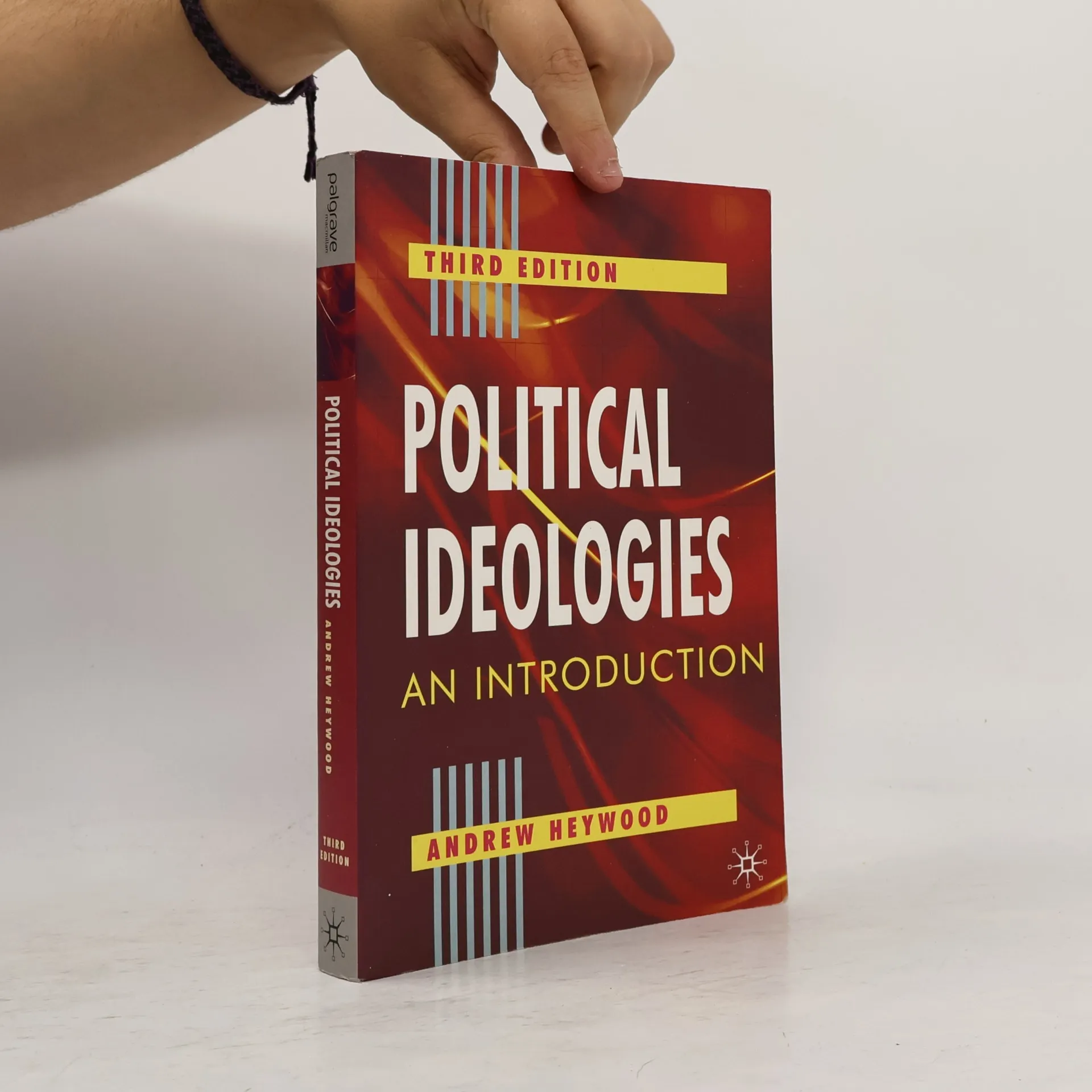
This substantially revised third edition of the leading text on political ideologies takes full account of the impact of the post-Cold War world order, the challenge of postmodernism, the advance of globalization, and the advent of global terrorism, and includes additional coverage of the prospects for ideologies in the 21st century.
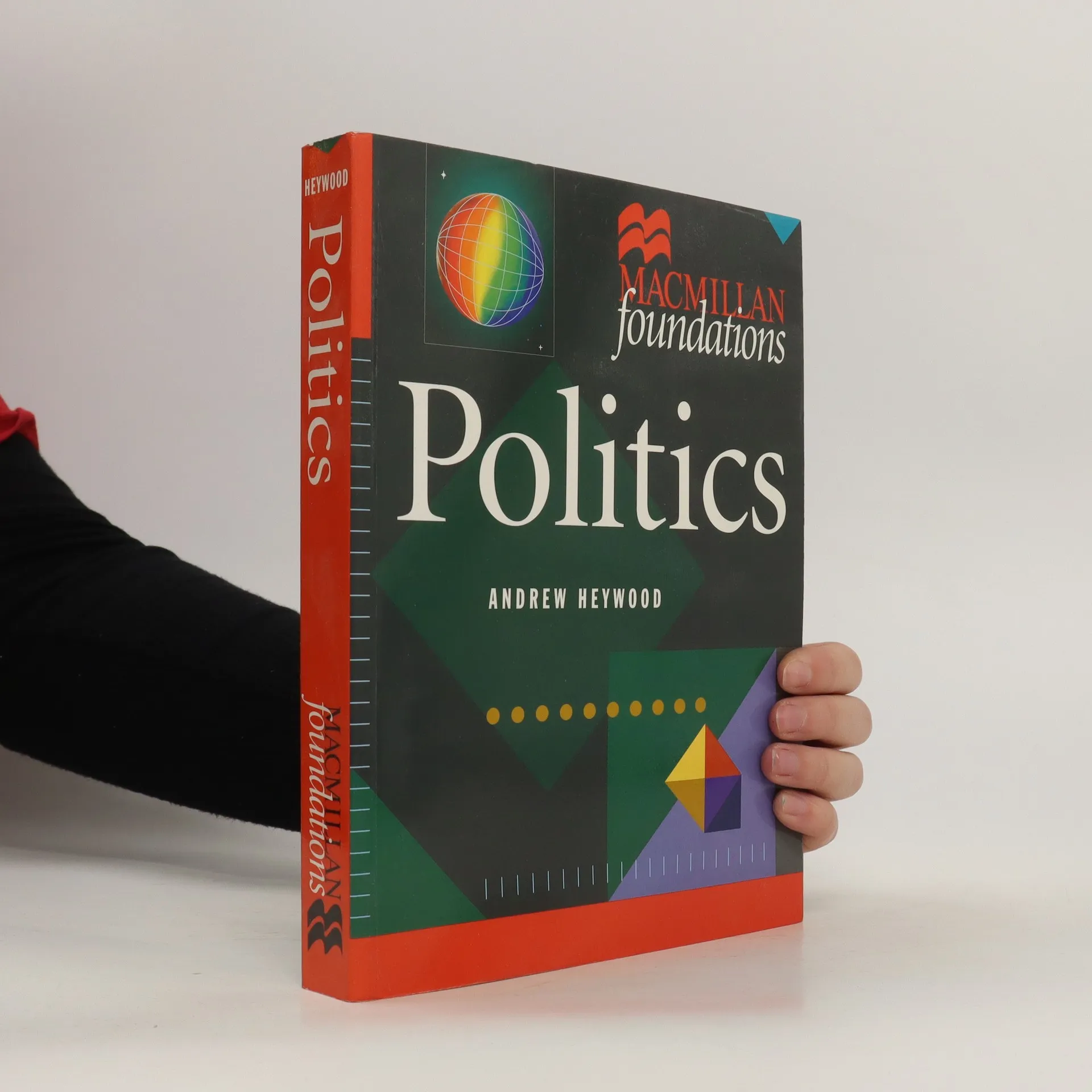
Politics covers areas as different as comparative government, political philosophy, international relations, political economy and so on. This book offers a comprehensive introduction to the study of politics, written from an international perspective. Key concepts and the ideas of major thinkers are clearly explained and cross-referenced throughout, together with an analysis of important debates and a full glossary of political terms.
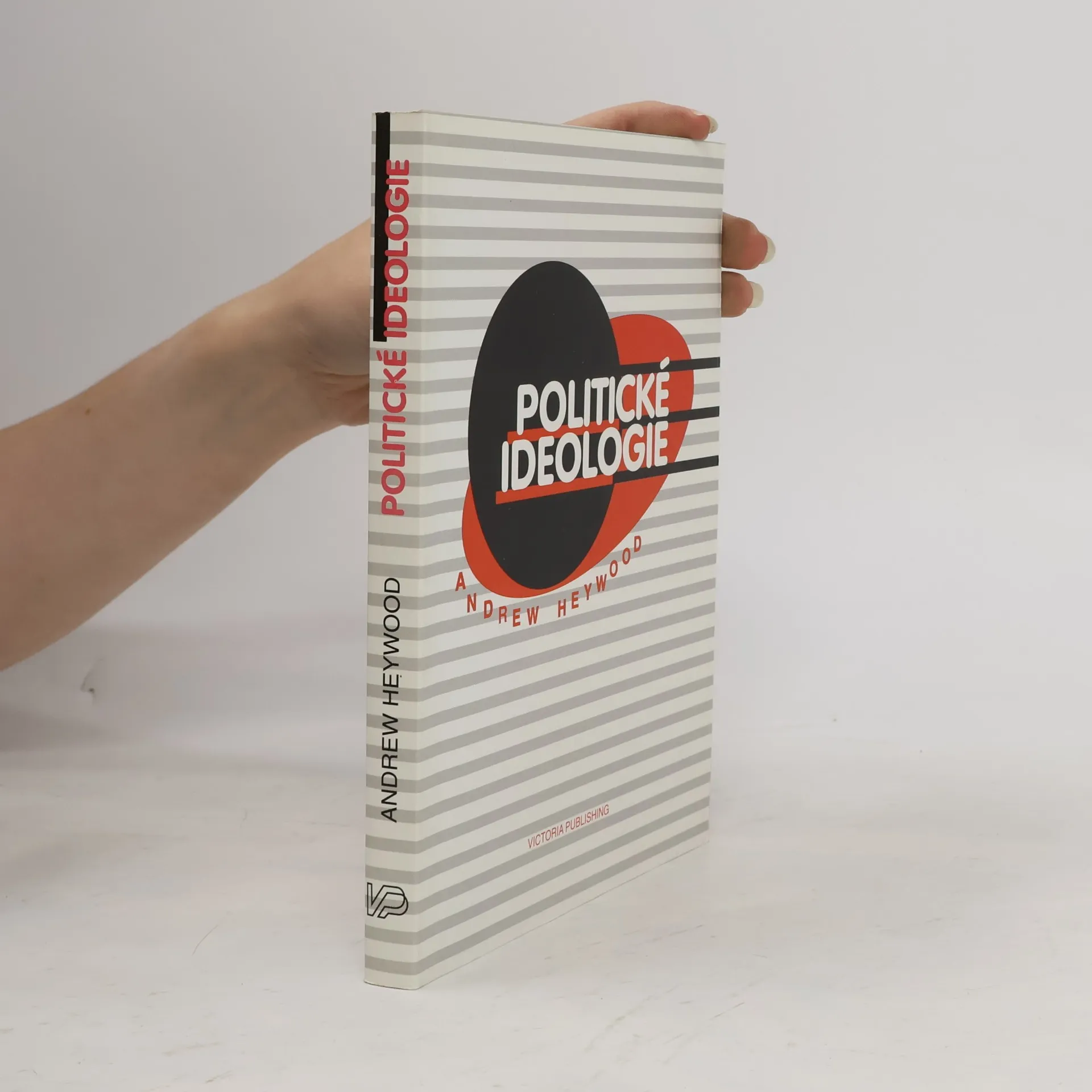
Čtvrté vydání této učebnice – odborníky nanejvýš příznivě přijaté a i komerčně úspěšné – je čtivým a srozumitelným uvedením do názorových proudů a doktrín, které utvářely světovou politiku a dominovaly jí. Počínaje tradičními ideologiemi 19. století, jako jsou liberalismus, konzervatismus a socialismus a konče tzv. „novými“ ideologiemi jako jsou feminismus, ekologismus a politický islám. Autor objasňuje jak historický vývoj každé z nich, tak jejich vliv na politická hnutí, strany a vlády dnes. Ve své práci představuje myšlenky a hodnoty pro jednotlivé ideologie příznačné a osvětluje konkurující si a leckdy i vzájemně protikladné proudy, ve které tyto myšlenky a hodnoty vyústily. Nové vydání bylo všestranně aktualizováno. Obšírného výkladu se dostalo např. multikulturalismu a neokonzervatismu, které v současnosti hrají významnou roli.