
Explore the latest books of this year!
Bookbot

Leslie S. Greenberg

    January 1, 1945
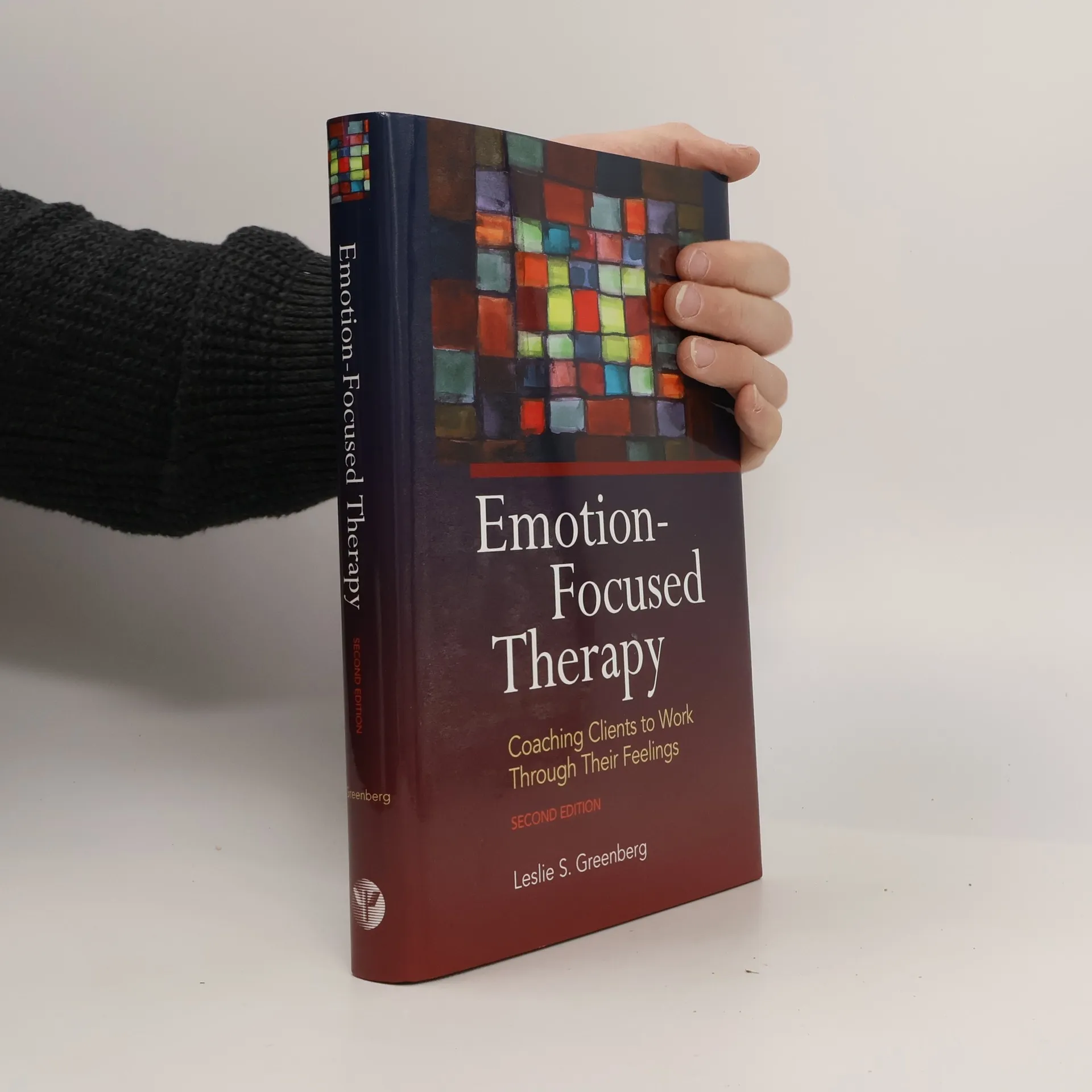
    Emotion-Focused Therapy
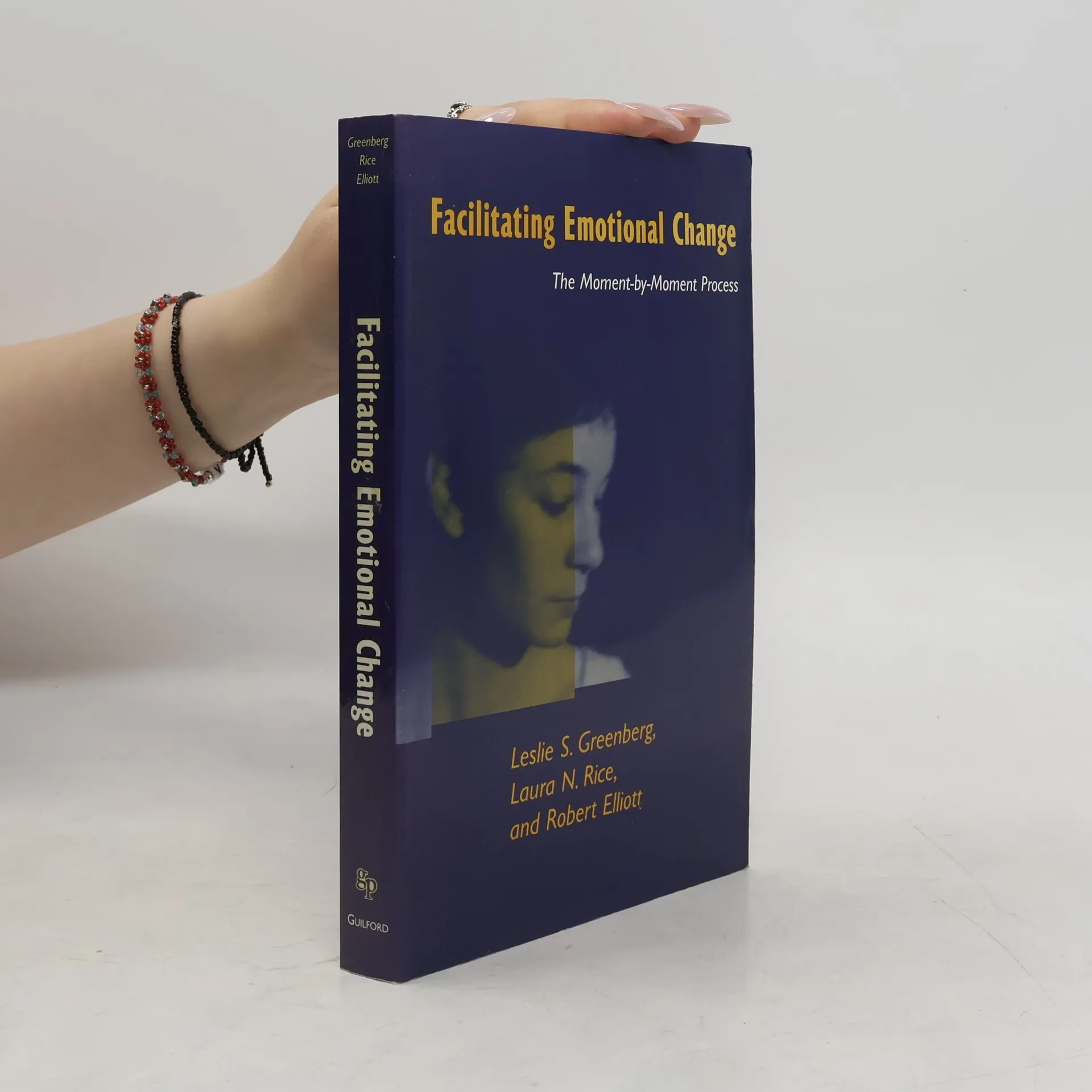
    Facilitating Emotional Change
    The Working alliance. Theory, research, and practice
    Changing Emotion With Emotion
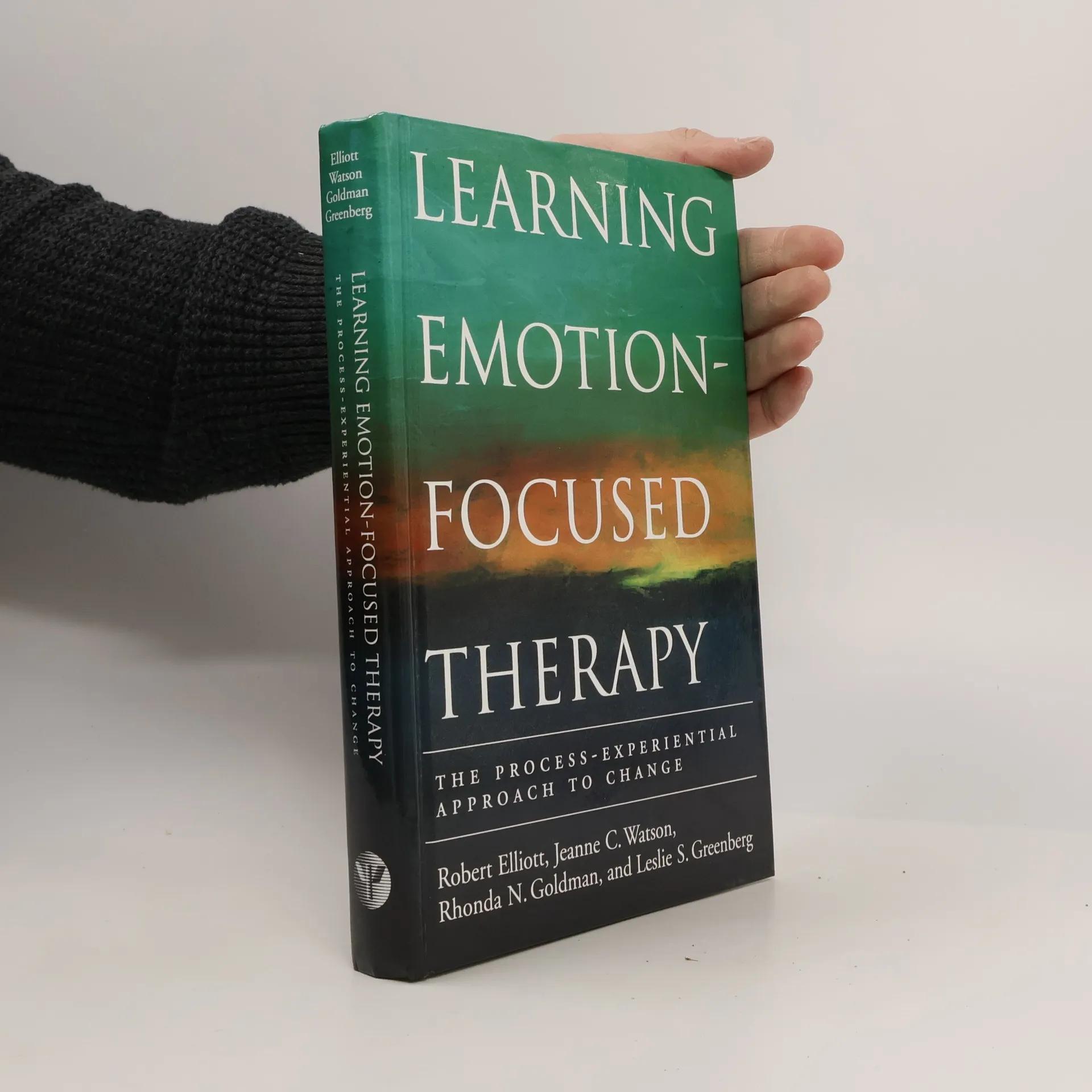
    Learning Emotion-Focused Therapy
    Emotion-Focused Therapy
    • Emotion-Focused Therapy

      Coaching Clients to Work Through Their Feelings - Second Edition

      • 411 pages
      • 15 hours of reading

      In this seminal volume, master clinician and founder of emotion-focused therapy (EFT) Leslie Greenberg presents a comprehensive overview of EFT--a treatment that helps clients identify, experience, accept, explore, interpret, transform, and flexibly manage their emotions. Essentially, the approach helps clients increase their emotional intelligence and achieve greater well-being. EFT's influence has grown in the decade since the first edition of this book was published. There have been significant theoretical and empirical advances, and the approach has been applied successfully to new clinical populations. This second edition incorporates the latest theory and research on EFT. It also includes a new chapter on specific marker-guided interventions and case formulation, as well as chapters on forgiveness and working with emotion in organizational leadership. This essential guide to EFT is required reading for all therapists who believe that accessing emotions can be a source of healing and wisdom.
      Emotion-Focused Therapy
      4.8
    • Learning Emotion-Focused Therapy

      The Process-Experiential Approach to Change

      • 376 pages
      • 14 hours of reading

      Univ. of Toledo, OH. Provides the step-by-step process of emotion-focused therapy and how to integrate experiential interventions into one's practice. Discusses the basic principles and provides case examples. Emphasizes the importance of the therapeutic relationship and shows how to enable patients to learn from their various emotions. For therapists.

      Learning Emotion-Focused Therapy
      4.3
    • Changing Emotion With Emotion

      A Practitioner's Guide

      • 373 pages
      • 14 hours of reading

      Focusing on the principles and methods of emotion in psychotherapy, this book aims to tackle the fundamental maladaptive processes that lead to anxiety, depression, and various clinical disorders. It offers insights into how emotional work can be effectively integrated into therapeutic practices, providing a framework for mental health professionals to enhance their approach to treatment.

      Changing Emotion With Emotion
      4.4
    • In the past decade, the working alliance has emerged as possibly the most important conceptualization of the common elements in diverse therapy modalities. Created to define the relationship between a client in therapy or counseling and the client's therapist, it is a way of looking at and examining the vagaries and expectations and commitments previously implicit in the therapeutic relationship, explaining the cooperative aspects of the alliance between the two parties.

      The Working alliance. Theory, research, and practice
      3.0
    • Facilitating Emotional Change

      The Moment-by-moment Process

      • 346 pages
      • 13 hours of reading

      While emotions are often given a negative connotation people are described as being "too emotional" or as needing to "control their emotions" this book demonstrates that emotions are organizing processes that enhance adaptation and problem solving. Within an experiential therapy framework, the volume shows how to work with moment-by-moment emotional processes to resolve various psychological difficulties. The first two sections introduce the process experiential approach to treatment. Exploring the interrelationships among emotion, cognition, and change, the authors develop a powerful, clinically relevant theory of human functioning. The third section, a detailed treatment manual, outlines the general principles and methods of therapy and provides step-by-step directions for six specific types of interventions. Excerpts from actual transcripts exemplify the various methods, illuminating the moment-by-moment process for both the client and the therapist.

      Facilitating Emotional Change
      4.1
    • Emotion-Focused Therapy

      • 224 pages
      • 8 hours of reading

      The book offers a comprehensive overview of emotion-focused therapy, detailing its theoretical foundations, historical development, and practical applications. Leslie S. Greenberg delves into the therapy process, key mechanisms of change, and the empirical evidence supporting its effectiveness. Additionally, it highlights recent advancements that have refined the approach, making it a versatile tool in psychotherapy. This exploration emphasizes the significance of emotions in therapeutic practice and the humanistic principles that underpin this method.

      Emotion-Focused Therapy
      4.0
    • W niniejszej książce autorzy, Leslie S. Greenberg i Jeanne C. Watson, eksperci w dziedzinie terapii skoncentrowanej na emocjach (emotion-focused therapy- EFT), opisują zastosowanie tej techniki u pacjentów z depresją. Greenberg i Watson przytaczają wyniki badań, w których EFT porównano z terapią poznawczo- behawioralną i terapią skoncentrowaną na kliencie oraz wskazują, w jaki sposób pokierować leczeniem EFT, by było ono skuteczne u pacjentów depresyjnych. W publikacji omówiono naturę depresji oraz różnorakie metody jej leczenia, a także rolę emocji w tym procesie. Terapia depresji skoncentrowana na emocjachma wymiar przede wszystkim praktyczny, choć rozważania mają solidne podstawy teoretyczne. Konkretnym narzędziom terapeutycznym towarzyszą opisy przypadków, tzn. zapisy z sesji oraz omówienie leczenia. Książka stanowi doskonałe wprowadzenie do EFT dla wszystkich, którzy chcieliby stosować tę technikę w leczeniu pacjentów z depresją.

      Terapia depresji skoncentrowana na emocjach
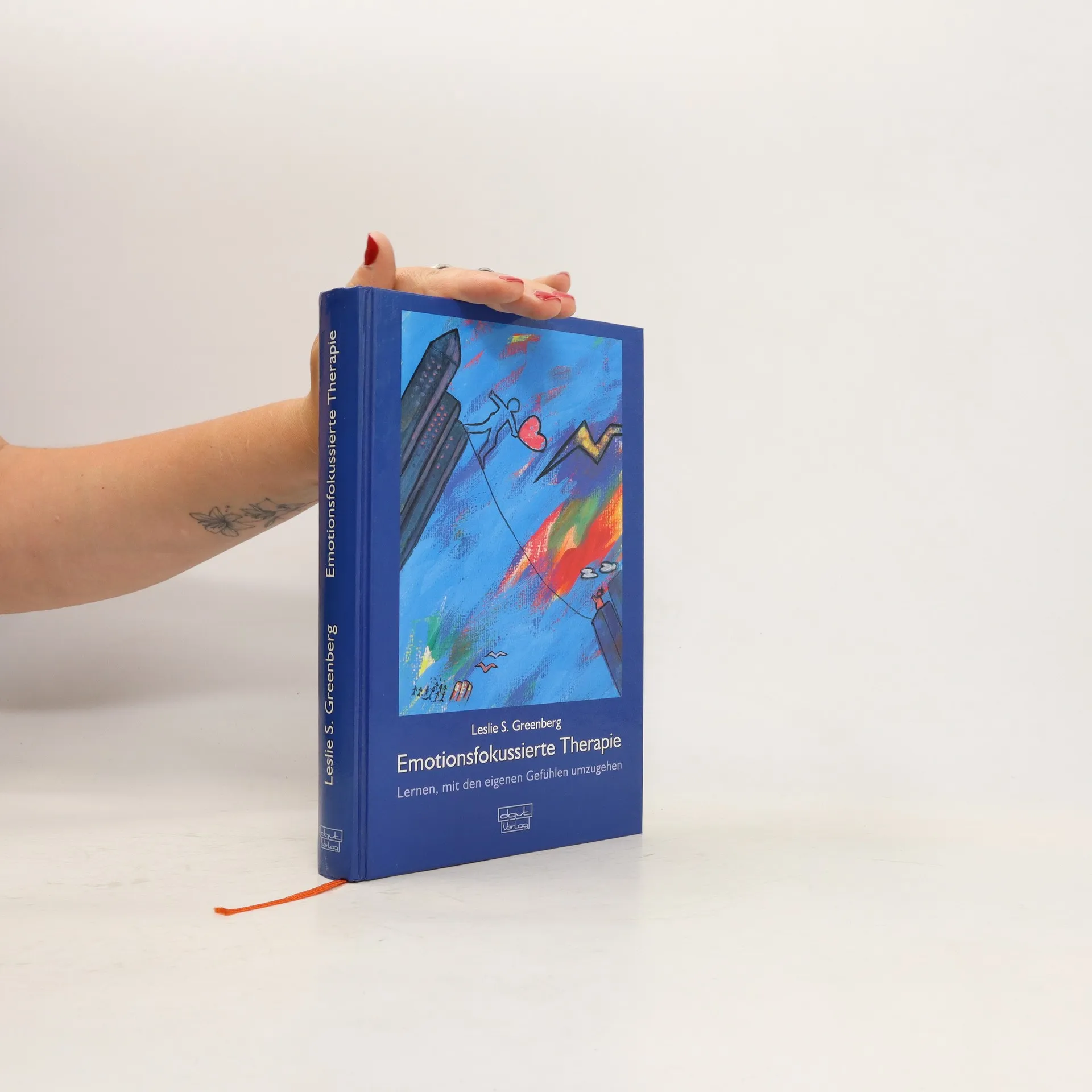
    • Die Dynamik von Liebe und Macht

      Emotionsfokussierte Paartherapie

      • 456 pages
      • 16 hours of reading

      Soll Paartherapie etwas bewirken, muss es „heiß hergehen“: Denn Emotionen heizen Konflikte an. Im Kampf um Macht in der Partnerschaft brechen sich Bedürfnisse nach sicherer Bindung, eigenständiger Identität und wechselseitiger Attraktivität in Gefühlen Bahn. Oft stecken Verluste und Kränkungen aus der Kindheit dahinter. Hier setzt die emotions-fokussierte Paartherapie an: Sie hilft Paaren, unbefriedigte Bedürfnisse und Verwundbarkeit hinter den heftigen Gefühlen aufzuspüren. Die Partner lernen, ihre Gefühle einzuordnen, zu meistern und für ihre Entwicklung als Paar und als individuelle Persönlichkeiten fruchtbar zu machen - damit die Liebe wieder eine echte Chance hat.

      Die Dynamik von Liebe und Macht
    • Emotionale Veränderungen fördern

      • 431 pages
      • 16 hours of reading

      Emotionen werden häufig negativ beurteilt. So heißt es z. B., jemand reagiere zu emotional oder müsse lernen, seine Emotionen besser zu kontrollieren. Im Gegensatz hierzu vertreten die Autoren die Auffassung, daß Emotionen ein wesentlicher Bestandteil des Prozesses sind, durch den Veränderungen und Problemlösungen herbei geführt werden können. Sie zeigen, wie durch die prozeß- und erlebensorientierte Therapie Bedeutungsveränderungen erzielt werden, wodurch zahlreiche psychische Probleme gelöst werden können. Am Beispiel von Behandlungstranskripten werden allgemeine theoretische Prinzipien erläutert und sechs Methoden der Intervention ausführlich beschrieben. „Unsere Auffassung von Emotionen ist wesentlich, um unseren Ansatz zu verstehen. Wir halten es für ein wichtiges Therapieziel, daß Menschen ihre Bedürfnisse und ihre Gefühle zu äußern lernen, weil sie hierdurch Zugang zu dem erlangen, was für sie emotional von Bedeutung ist. Für uns sind Emotionen keine Synonyme für starke Erregung oder eine stark erregte Ausdrucksweise. Wir sehen sie auch nicht als störende Kognition oder störendes Verhalten. Wir gehen vielmehr davon aus, daß Emotionen ein organisiertes, bedeutungsvolles und grundsätzliches anpassungsfähiges System von Handlungen darstellen.“ (Aus dem Vorwort)

      Emotionale Veränderungen fördern