Explore the latest books of this year!
Bookbot

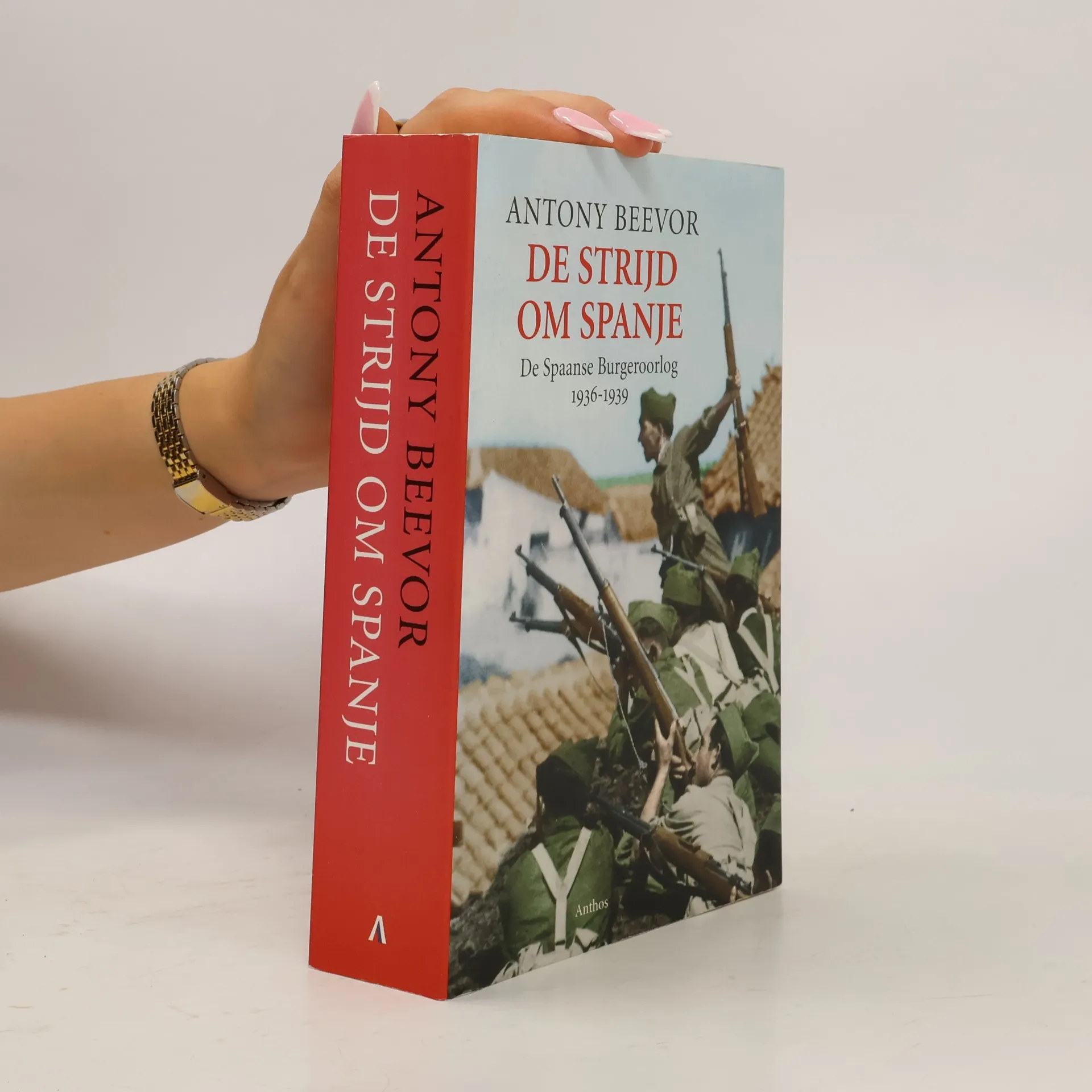
Antony Beevor

    December 14, 1946

    Antony Beevor is a British historian whose work primarily focuses on military history, particularly the events of the 20th century. His writings are characterized by thorough research and compelling narratives that bring complex wartime events to life for the reader. Beevor delves into the human experience of conflict, analyzing the causes and consequences of historical occurrences. His books are valued for their meticulous detail and their ability to contextualize events within a broader historical landscape.

    Antony Beevor
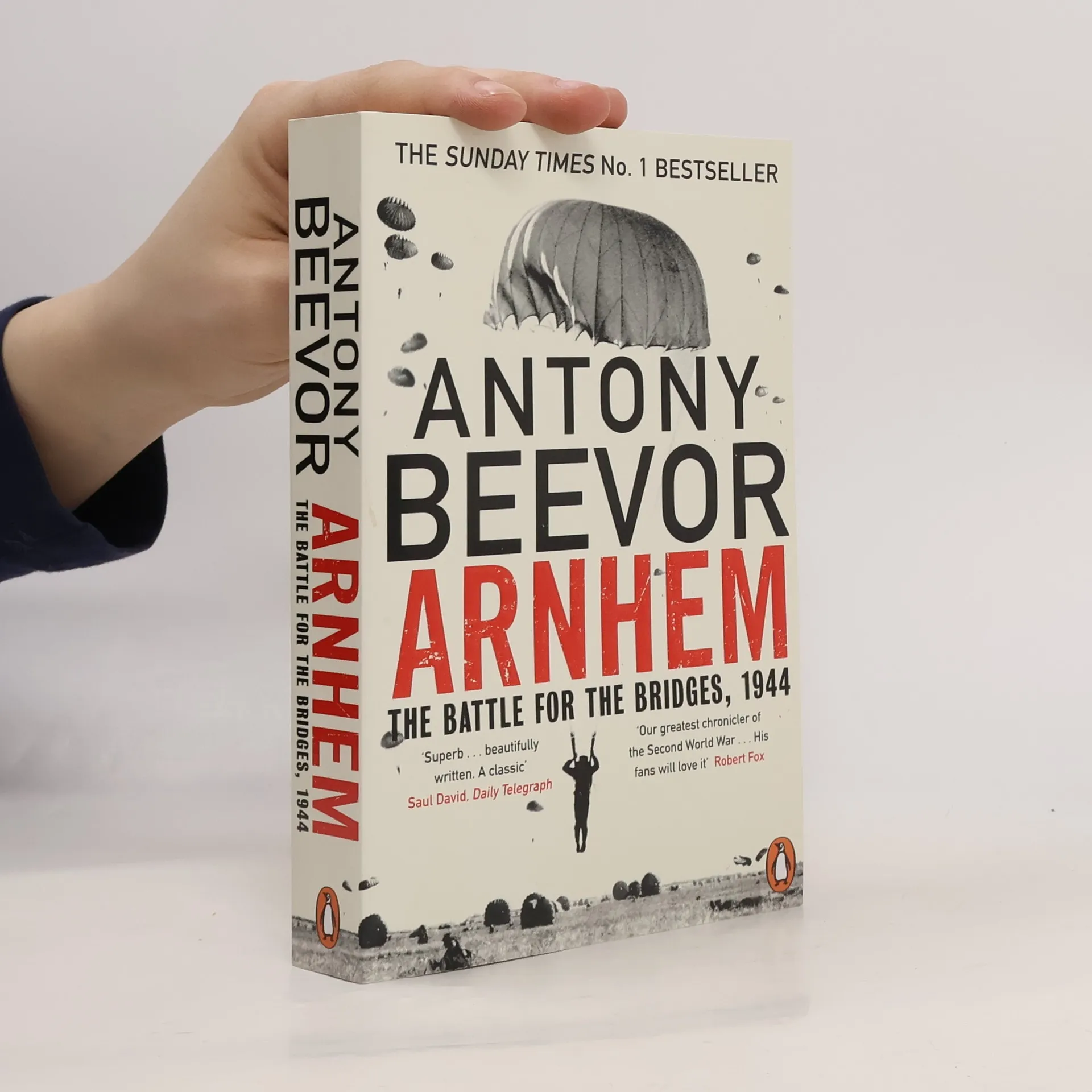
    Arnhem : The Battle for the Bridges, 1944
    D-Day
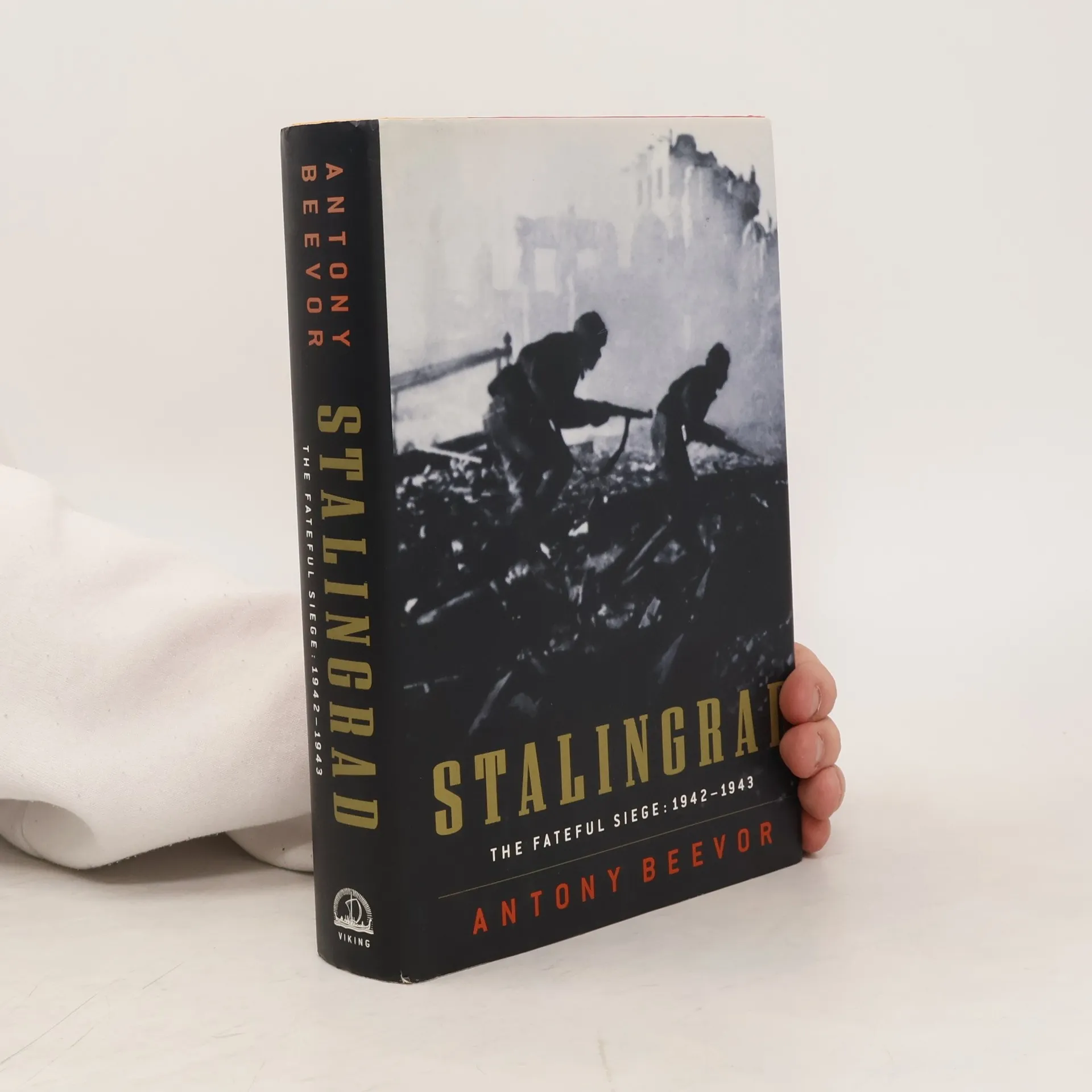
    Stalingrad
    The Battle of Arnhem: The Deadliest Airborne Operation of World War II
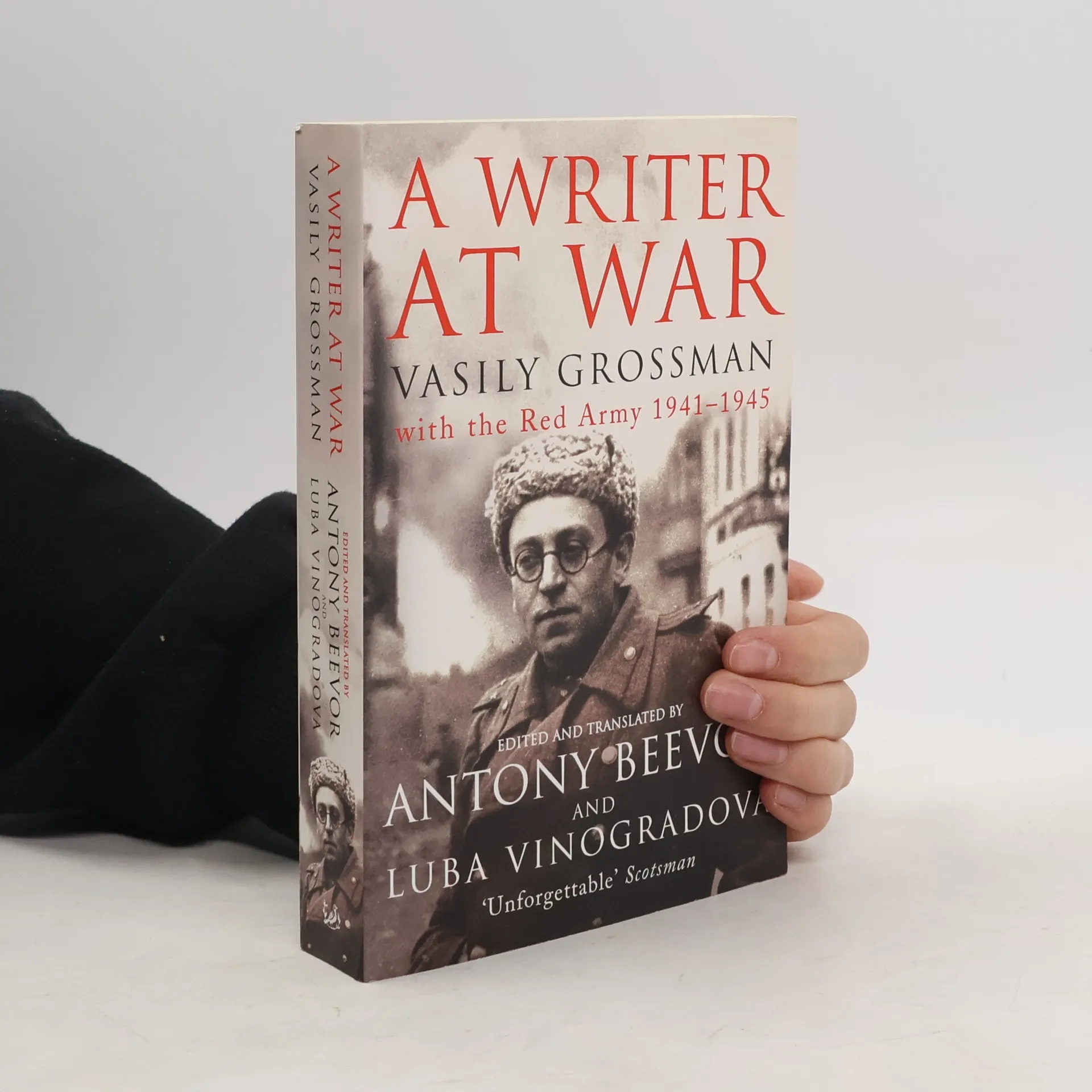
    A writer at war: Vasily Grossman with the Red Army 1941-1945
    Second World War
    • Second World War

      • 880 pages
      • 31 hours of reading
      4.6(351)Add rating

      The Second World War began in August 1939 on the edge of Manchuria and ended there exactly six years later with the Soviet invasion of northern China. The war in Europe appeared completely divorced from the war in the Pacific and China, and yet events on opposite sides of the world had profound effects. Using the most up-to-date scholarship and research, Beevor assembles the whole picture in a gripping narrative that extends from the North Atlantic to the South Pacific and from the snowbound steppe to the North African Desert. Although filling the broadest canvas on a heroic scale, Beevor's THE SECOND WORLD WAR never loses sight of the fate of the ordinary soldiers and civilians whose lives were crushed by the titanic forces unleashed in this, the most terrible war in history.
      Second World War
    • Vasily Grossman's masterpiece "Life and Fate" is rated by many as the greatest Russian novel of the twentieth century. Among its admirers is Antony Beevor, the bestselling author of Stalingrad and Berlin. This book is based on the notebooks in which Grossman gathered his raw material.

      A writer at war: Vasily Grossman with the Red Army 1941-1945
    • Focusing on the airborne battle of Arnhem, this gripping account by a prizewinning historian and bestselling author delves into the complexities and challenges faced during this significant military operation. The narrative offers a detailed reconstruction of events, providing insights into the strategies, experiences, and consequences of the battle, making it an essential read for history enthusiasts and those interested in World War II.

      The Battle of Arnhem: The Deadliest Airborne Operation of World War II
    • Stalingrad

      • 493 pages
      • 18 hours of reading
      4.4(653)Add rating

      On August 23, 1942, Hitler's 16th Panzer Division halted on the banks of the Volga. To their right, the city of Stalingrad blazed from the first of General von Richthofen's air raids, which ultimately killed 40,000 civilians. Many German soldiers thought the war against Russia was won. But in Stalin's namesake city on the Volga, Hitler had chosen the wrong target. The battle of Stalingrad would be the most pitiless, and perhaps the most important, battle in history. When the fighting was over, the world would begin to believe for the first time that Hitler could be defeated

      Stalingrad
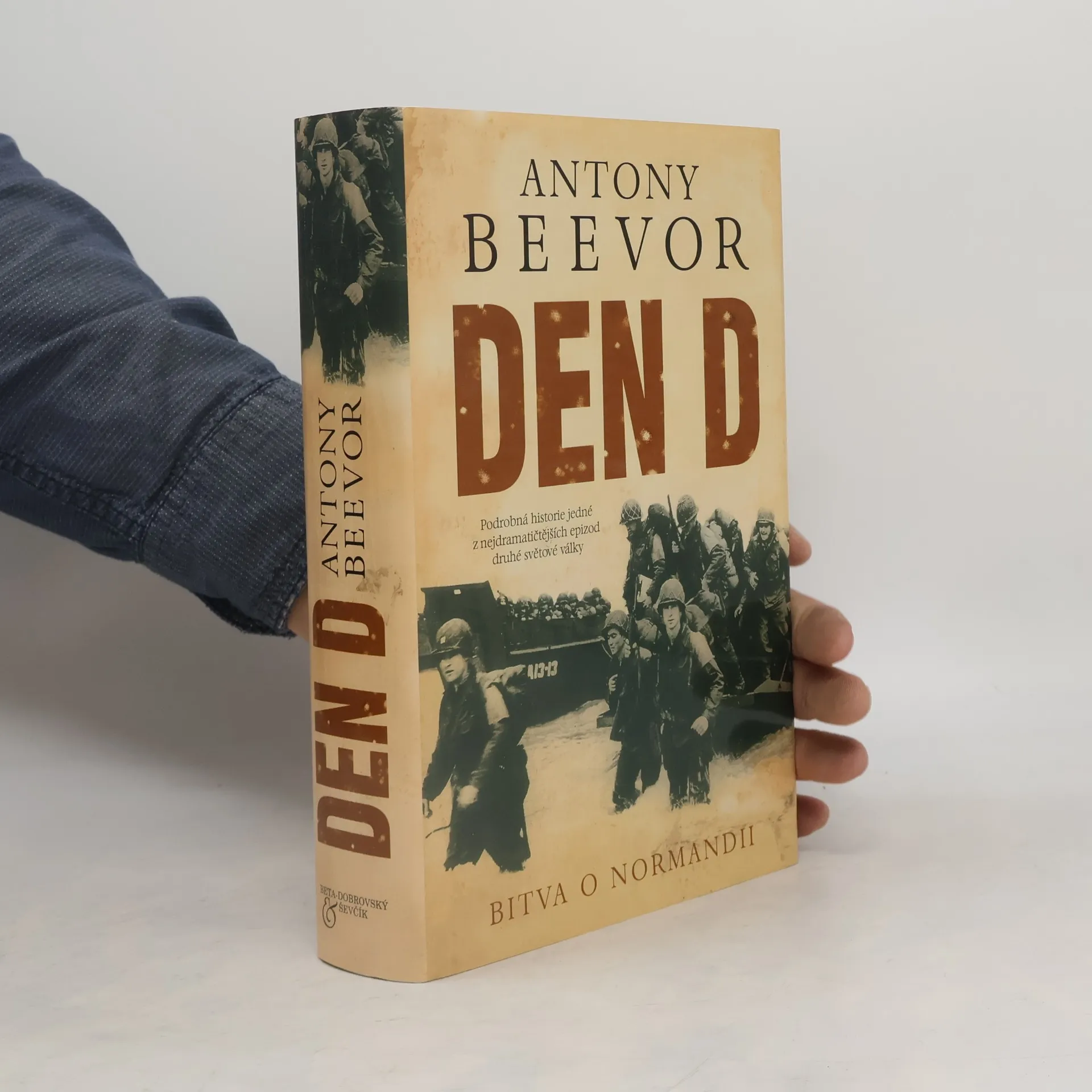
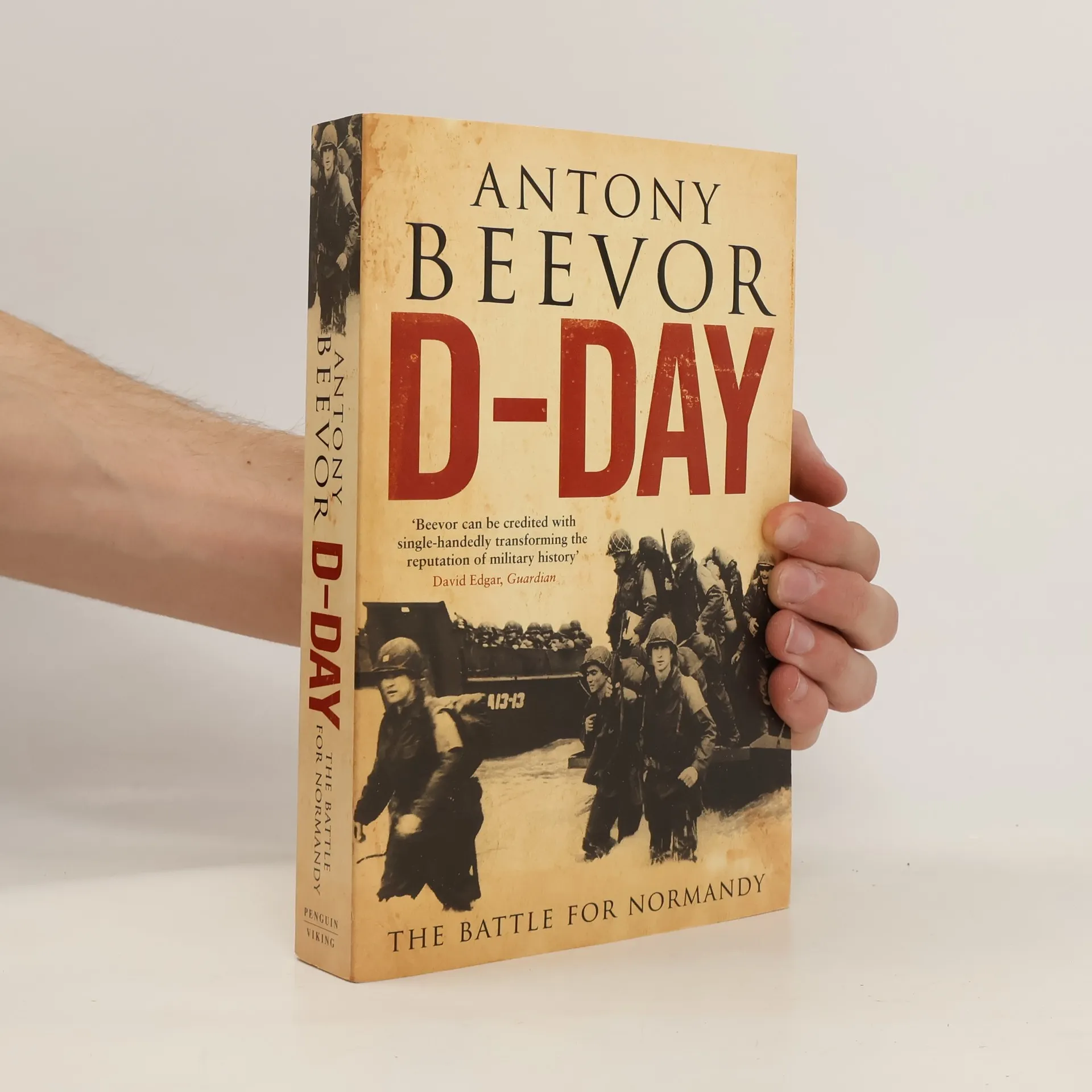
    • From critically acclaimed world historian Antony Beevor, this is the first major account in more than twenty years to cover the whole invasion from June 6, 1944, right up to the liberation of Paris on August 25. It is the first book to describe not only the experiences of the American, British, Canadian, and German soldiers, but also the terrible suffering of the French caught up in the fighting

      D-Day
    • Arnhem : The Battle for the Bridges, 1944

      • 496 pages
      • 18 hours of reading
      4.3(64)Add rating

      In September 1944, having sped through France and Belgium, Montgomery sought to race into Germany and to end the war by Christmas. It wasn't, of course, that simple. Operation Market Garden would drop Allied troops into The Netherlands, held by Nazi Germany, to secure key bridges across the Rhine along the path of advance. But it was folly - in the Dutch staff college exams, any candidate who adopted this plan had been failed on the spot. Indeed, the campaign ended in a glorious defeat, and half of the 12,000 Allied troops taken prisoner. With his typical authority and skill in bringing a campaign to life, Britain's bestselling historian creates a gripping, vivid narrative that shows why the battle was fought, and lost. With masterful command of material from a vast range of sources, he also paints the human side of war, and its heroes and villains - "more like a prosperous dentist than the head of the Waffen-SS" - and moments of glory and humour too. This is classic Antony Beevor - on an iconic campaign.

      Arnhem : The Battle for the Bridges, 1944
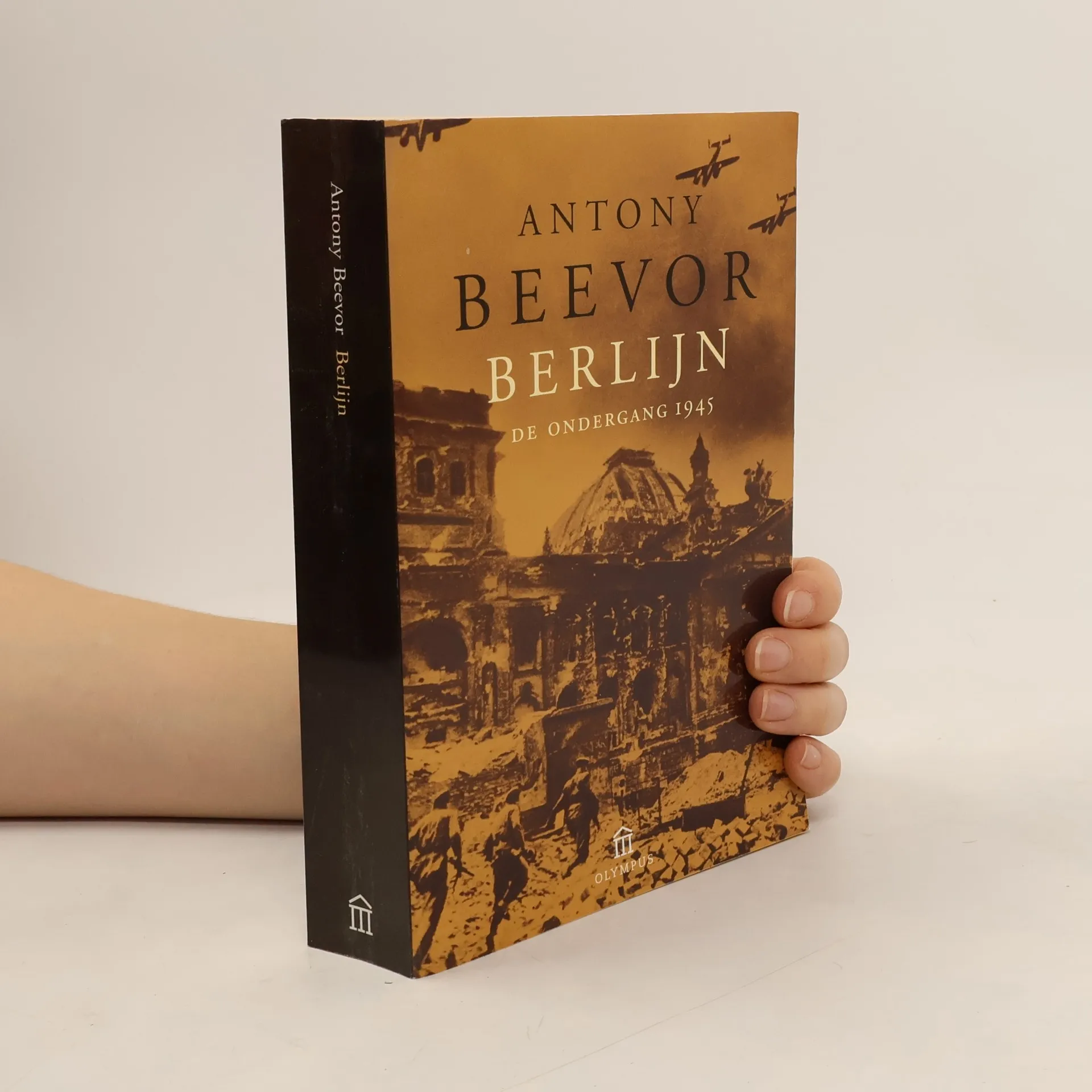
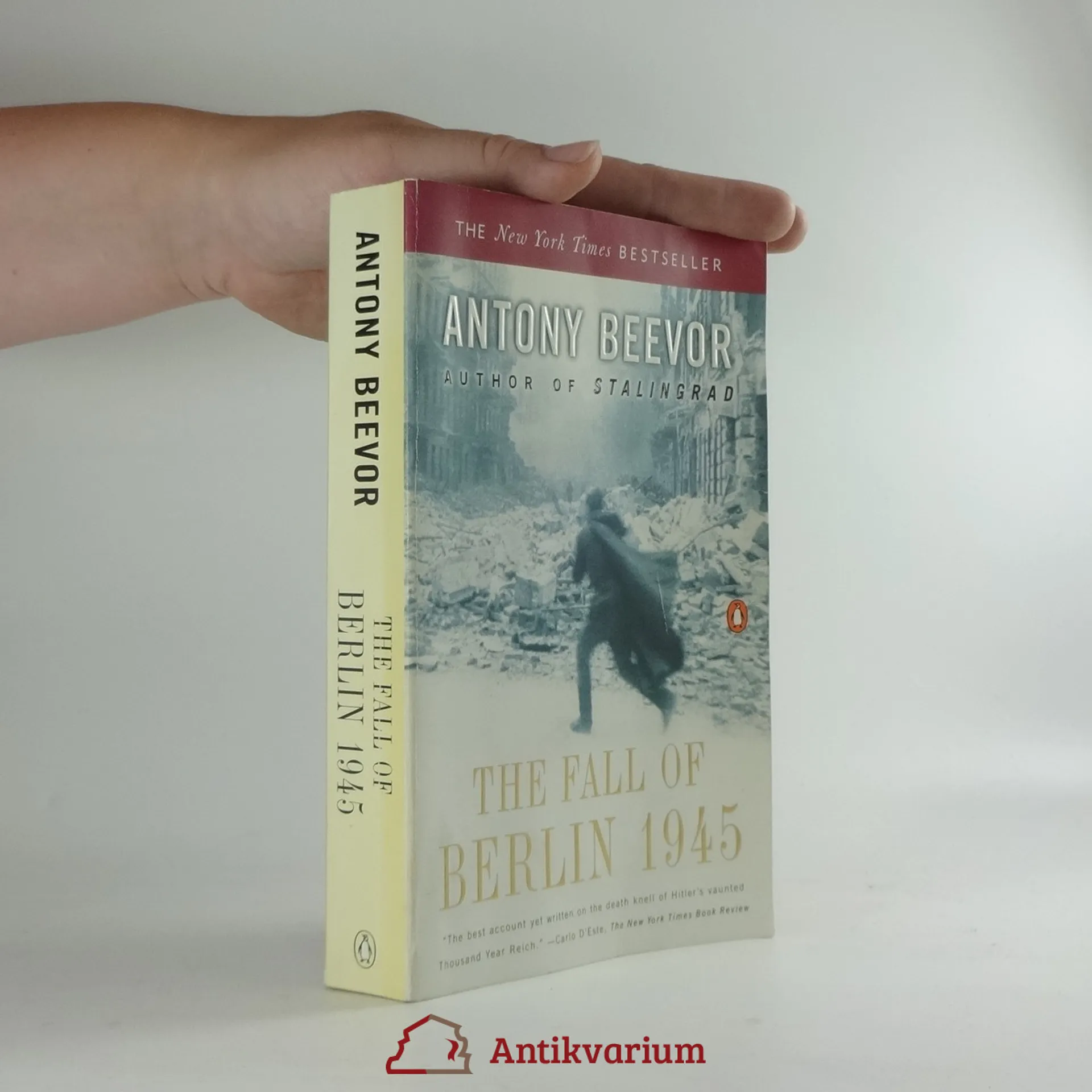
    • Berlin

      The Downfall 1945

      4.3(695)Add rating

      Chronicles the horror of Berlin's fall to the Soviets in 1945, recalling the starvation, exposure, artillery fire, rape, and mass destruction that marked the Red Army's final push on Germany's capital.

      Berlin
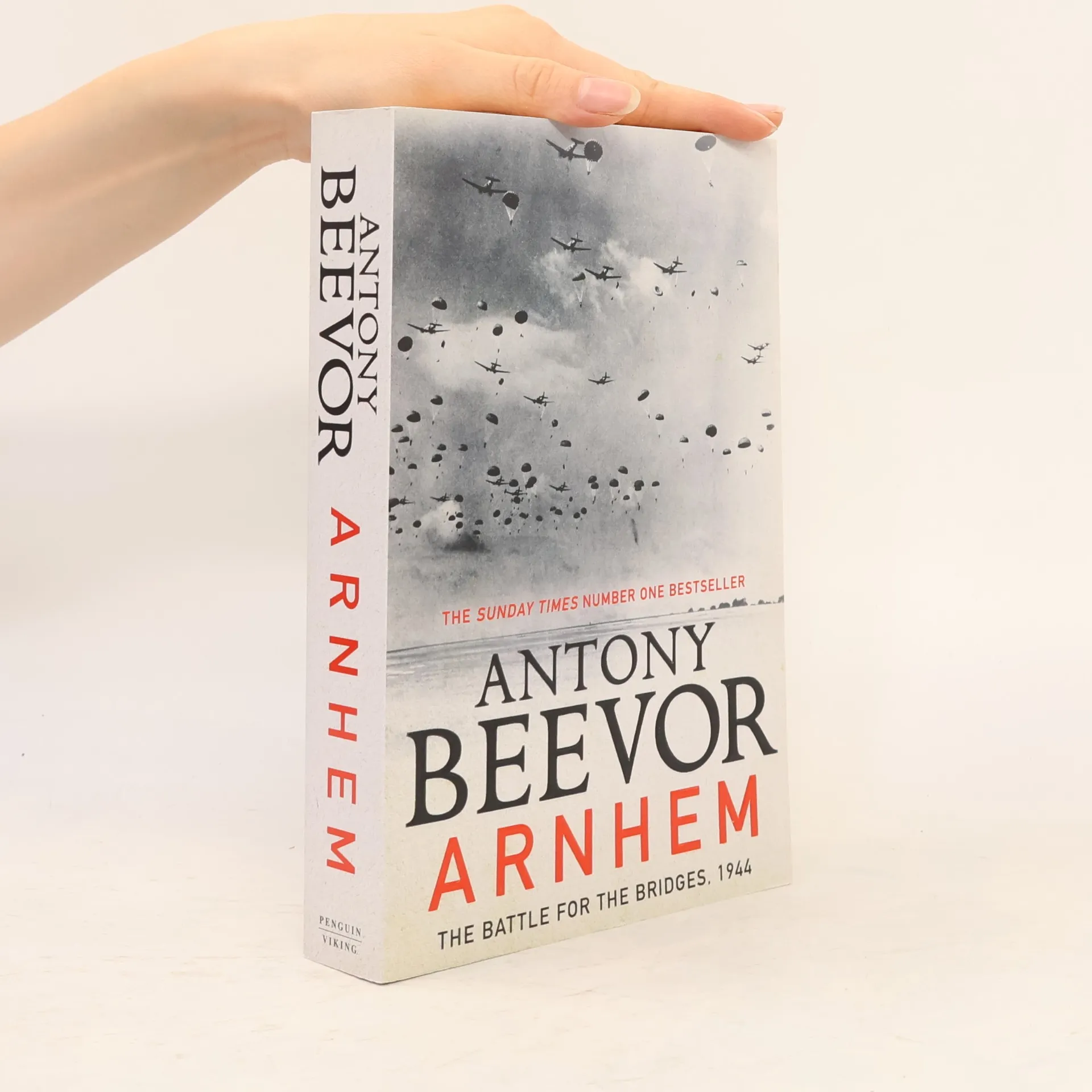
    • Arnhem

      • 480 pages
      • 17 hours of reading
      4.2(1894)Add rating

      Operation Market Garden, the plan in 1944 to end the war by capturing the bridges leading to the Lower Rhine and beyond, was a bold concept- the Americans thought it unusually bold for Field Marshal Montgomery. It was the greatest demonstration of paratroop power ever seen - but the cost of failure was horrendous, above all for the Dutch who risked everything to help. German reprisals were cruel and lasted until the end of the war. The British fascination for heroic failure has clouded the story of Arnhem in myths, not least that victory was even possible. Antony Beevor, using many overlooked and new sources from Dutch, British, American, Polish and German archives, has reconstructed the terrible reality of this epic clash. Yet this book, written in Beevor's inimitable and gripping narrative style, is about much more than a single dramatic battle. It looks into the very heart of war.

      Arnhem
    • Making use of overlooked and new material from over 30 archives in half a dozen countries, 'D-Day' is a vivid and well-researched account yet of the battle of Normandy.

      D-Day : the battle for Normandy
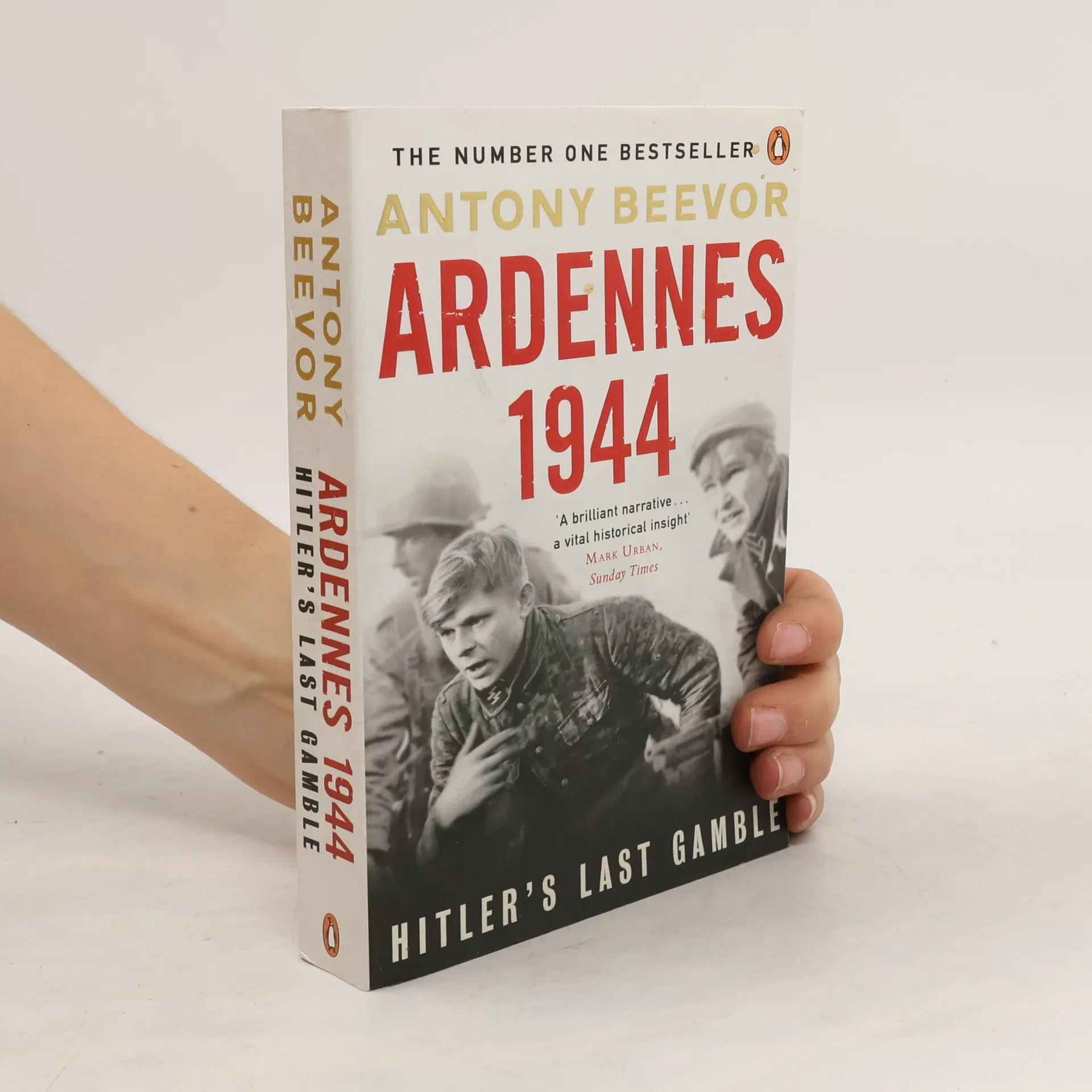
    • This is from the bestselling author of Stalingrad, Berlin and D-Day, Antony Beevor's Ardennes 1944: Hitler's Last Gamble tells the story of the German's ill-fated final stand. On 16 December, 1944, Hitler launched his 'last gamble' in the snow-covered forests and gorges of the Ardennes. He believed he could split the Allies by driving all the way to Antwerp, then force the Canadians and the British out of the war. Although his generals were doubtful of success, younger officers and NCOs were desperate to believe that their homes and families could be saved from the vengeful Red Army approaching from the east. Many were exultant at the prospect of striking back. The Ardennes offensive, with more than a million men involved, became the greatest battle of the war in western Europe. American troops, taken by surprise, found themselves fighting two panzer armies. Belgian civilians fled, justifiably afraid of German revenge. Panic spread even to Paris. While many American soldiers fled or surrendered, others held on heroically, creating breakwaters which slowed the German advance. The harsh winter conditions and the savagery of the battle became comparable to the eastern front. And after massacres by the Waffen-SS, even American generals approved when their men shot down surrendering Germans. The Ardennes was the battle which finally broke the back of the Wehrmacht

      Ardennes 1944