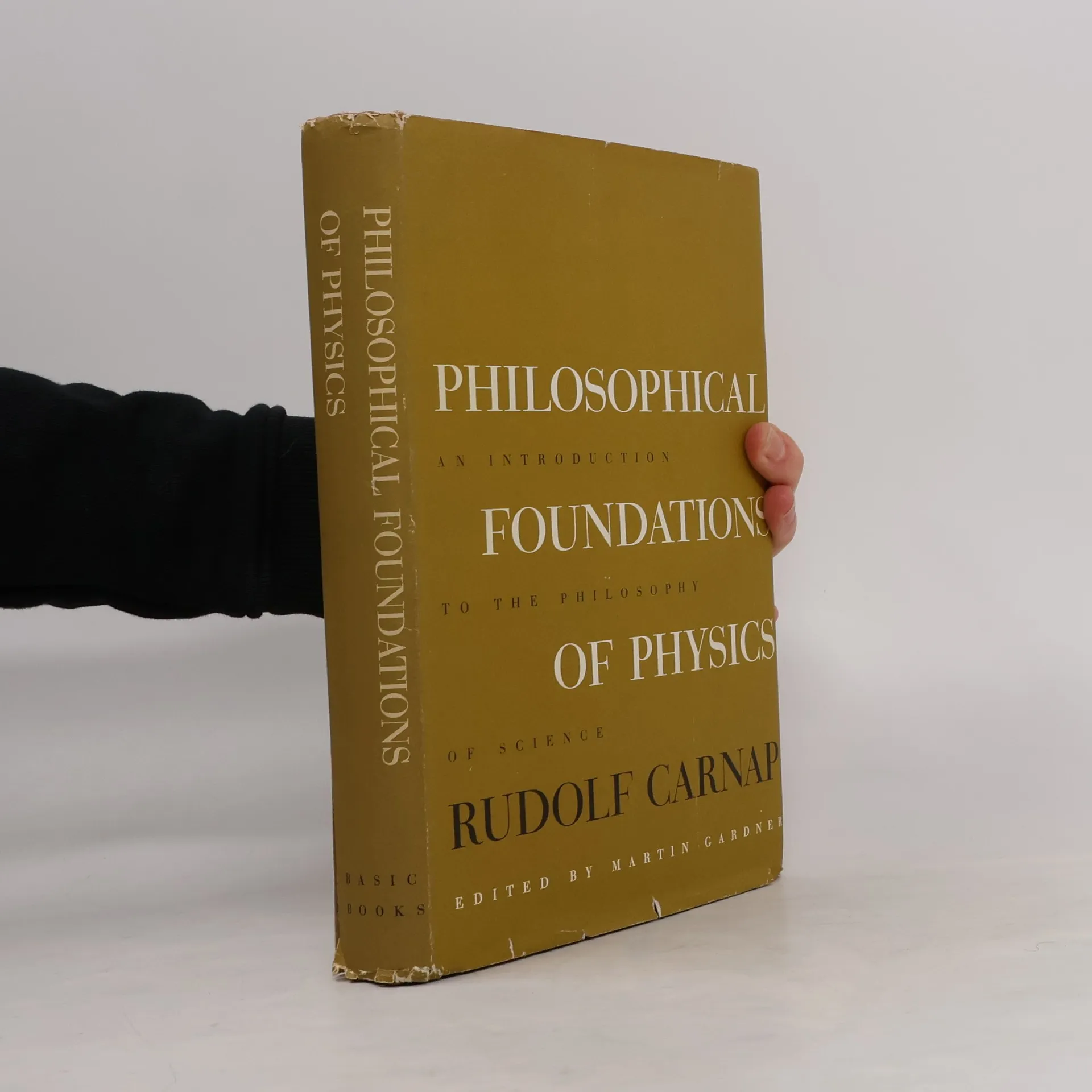
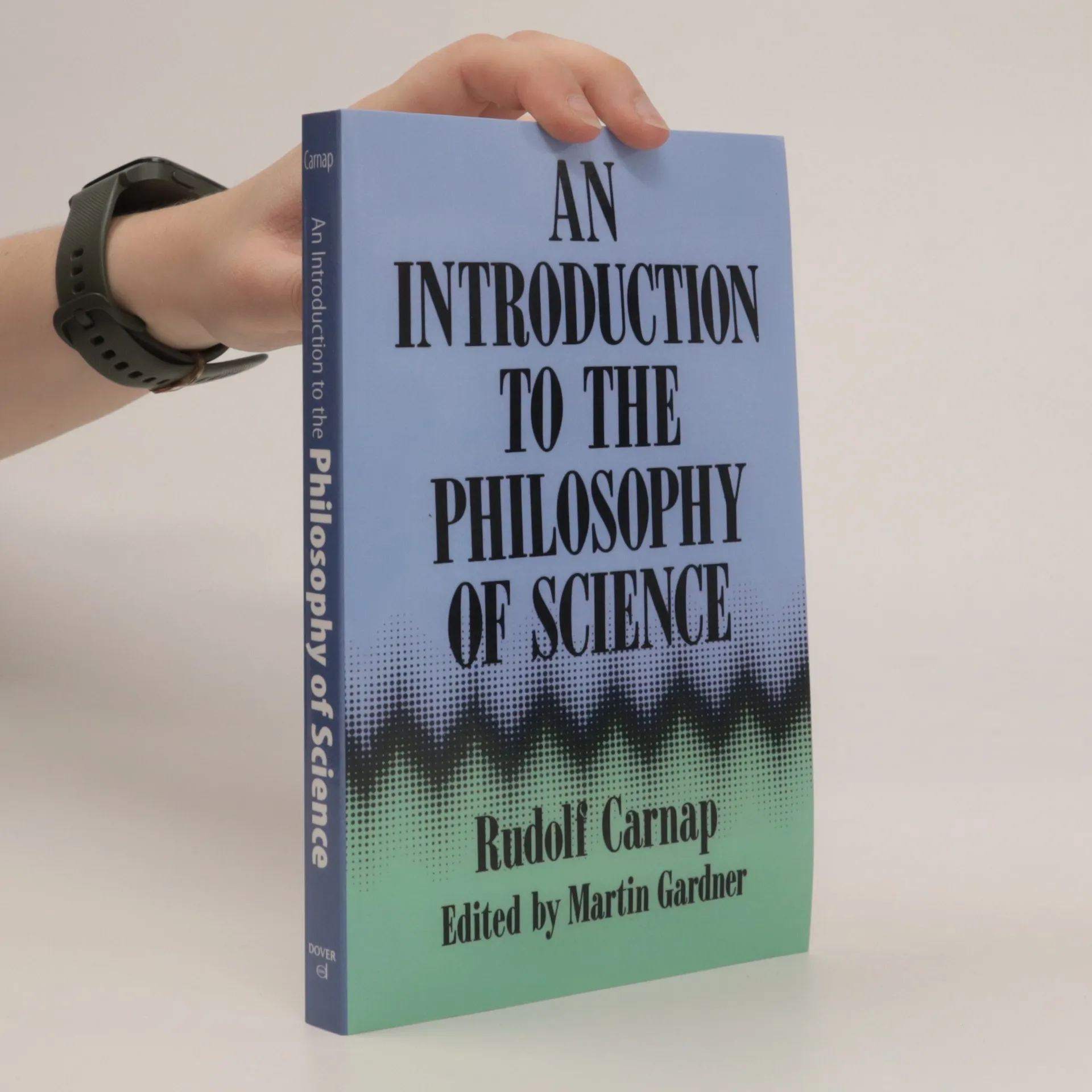
One of the most creative philosophers of the 20th century, Rudolf Carnap presented a series of science lectures at the University of California in 1958. The present volume is an outgrowth of that seminar, which dealt with the philosophical foundations of physics. Edited by Martin Gardner from transcripts of Carnap's classroom lectures and discussions, the book remains one of the clearest and soundest introductions to the philosophy of science.Specially designed to appeal to a wide range of readers, An Introduction to thePhilosophy of Science offers accessible coverage of such topics as laws and probability, measurement and quantitative language, the structure of space, causality and determinism, theoretical laws and concepts and much more. Stimulating and thought-provoking, the text will be of interest to philosophers, scientists and anyone interested in logical analysis of the concepts, statements and theories of science. Its clear and readable style help make it "the best book available for the intelligent reader who wants to gain some insight into the nature of contemporary philosophy of science" ― Choice. Foreword to the Basic Books Paperback Edition, 1974 (Gardner); Preface (Carnap); Foreword to the Dover Edition (Gardner). 35 black-and-white illustrations. Bibliography.
Rudolf Carnap Books
Rudolf Carnap was a pivotal figure in logical positivism, a German-born philosopher who profoundly influenced 20th-century thought. He argued that metaphysical statements lack meaning because they cannot be empirically verified. Carnap contended that many philosophical problems are illusory, stemming from the misuse of language. His work significantly advanced the philosophy of science and language.

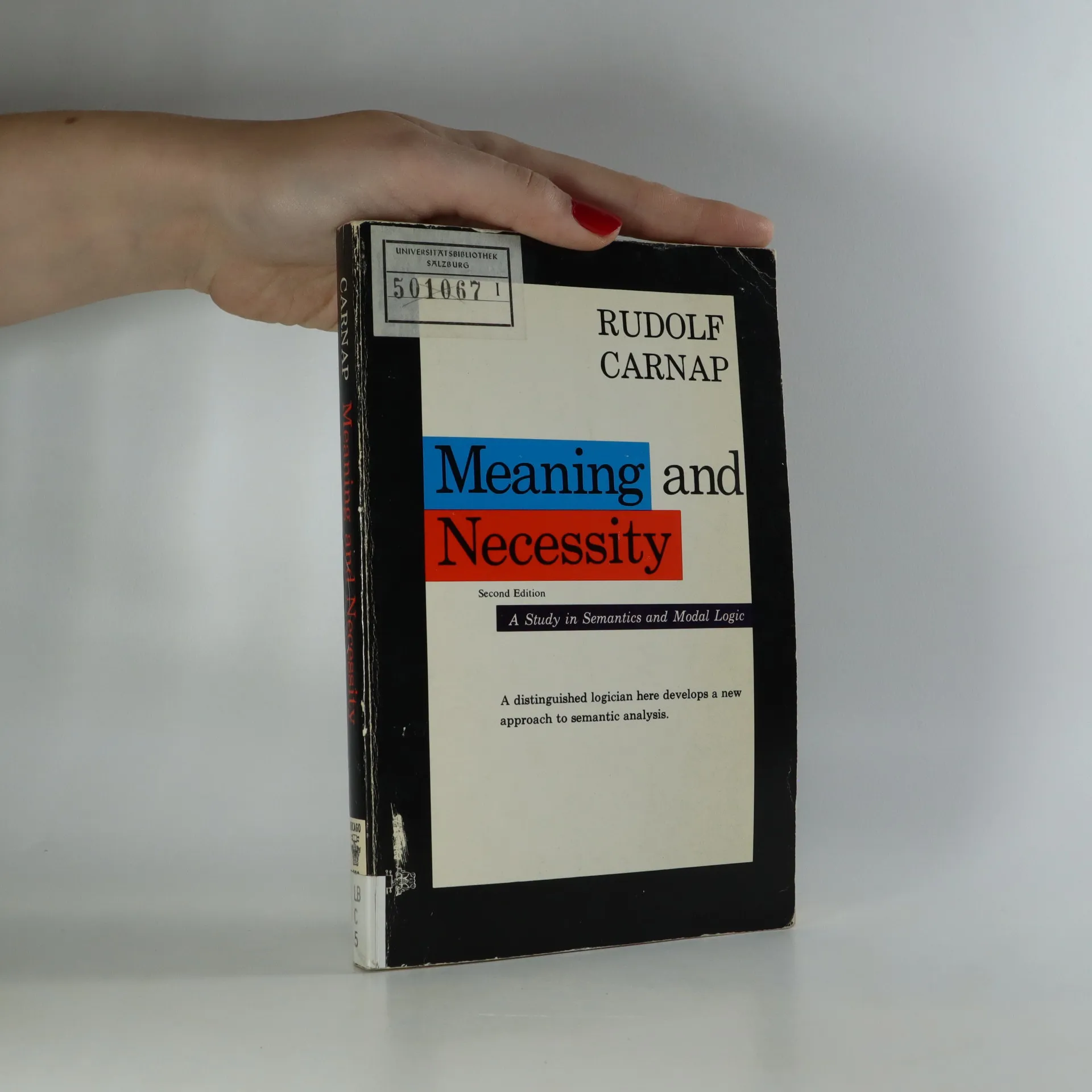
Focusing on a new approach to semantical analysis, the book introduces the method of extension and intension, which redefines the understanding of linguistic meanings. By modifying traditional concepts of class and property, it contrasts this innovative method with conventional semantical approaches that treat expressions as names of entities. Instead, it emphasizes that expressions embody both an intension and an extension, offering a fresh perspective on meaning in language.
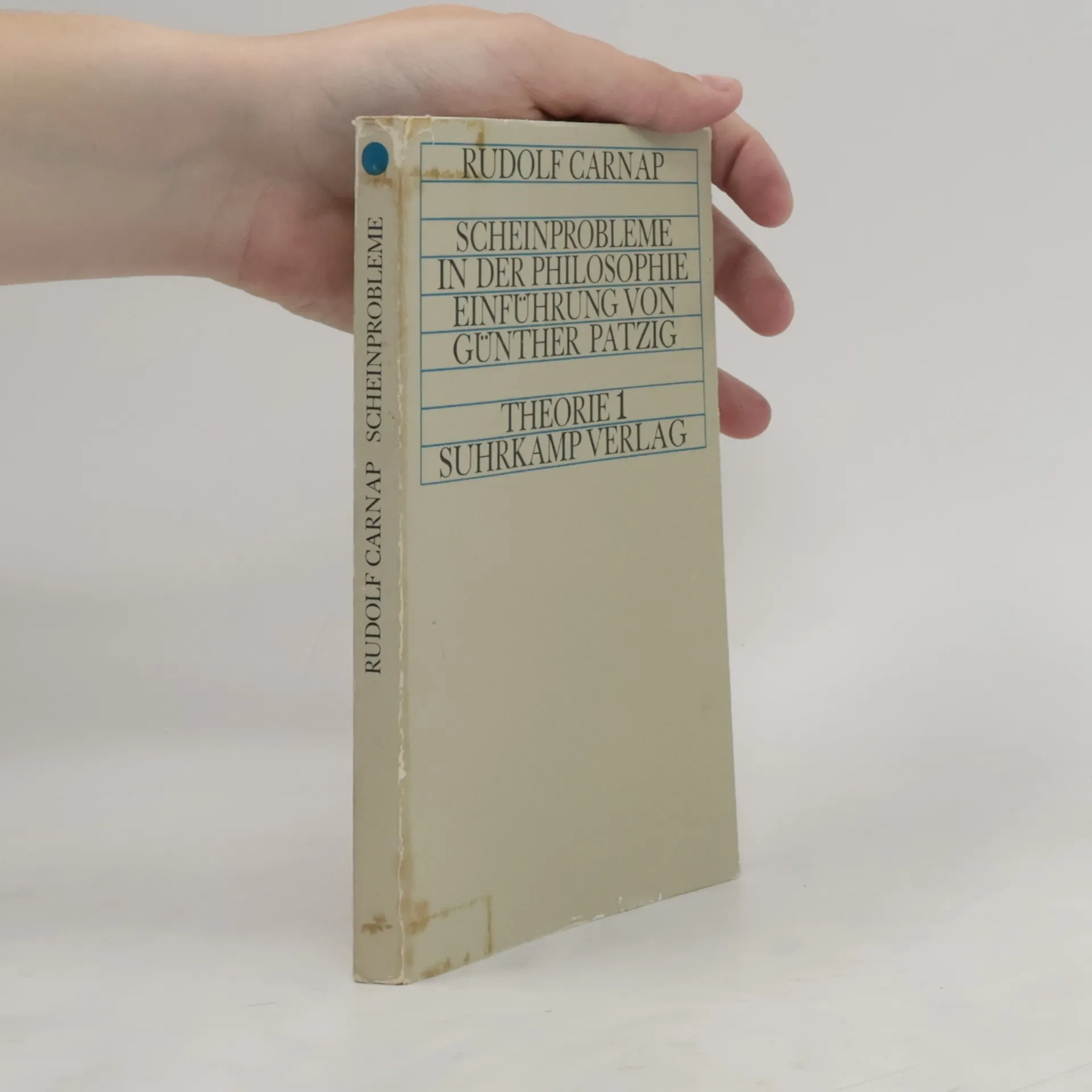
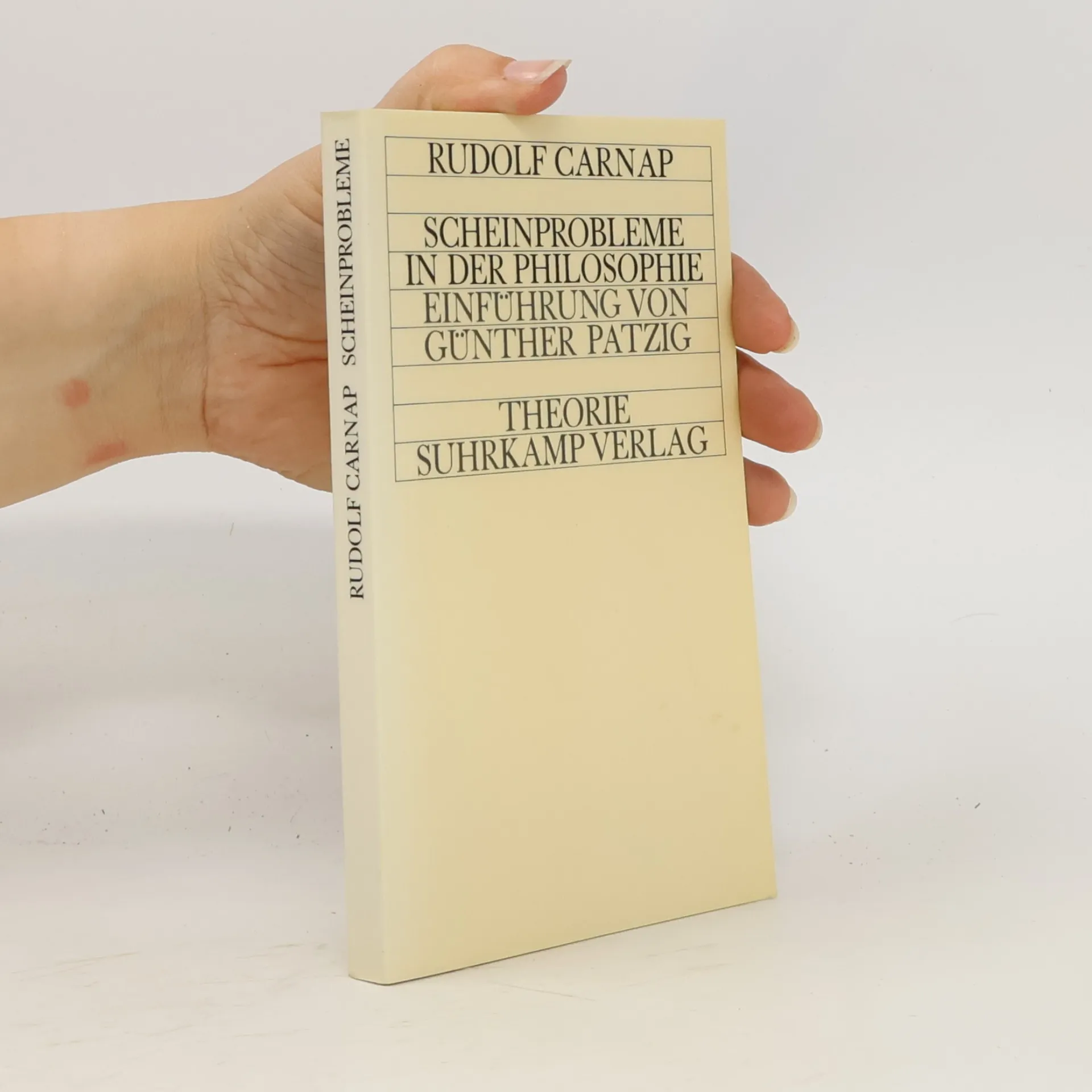
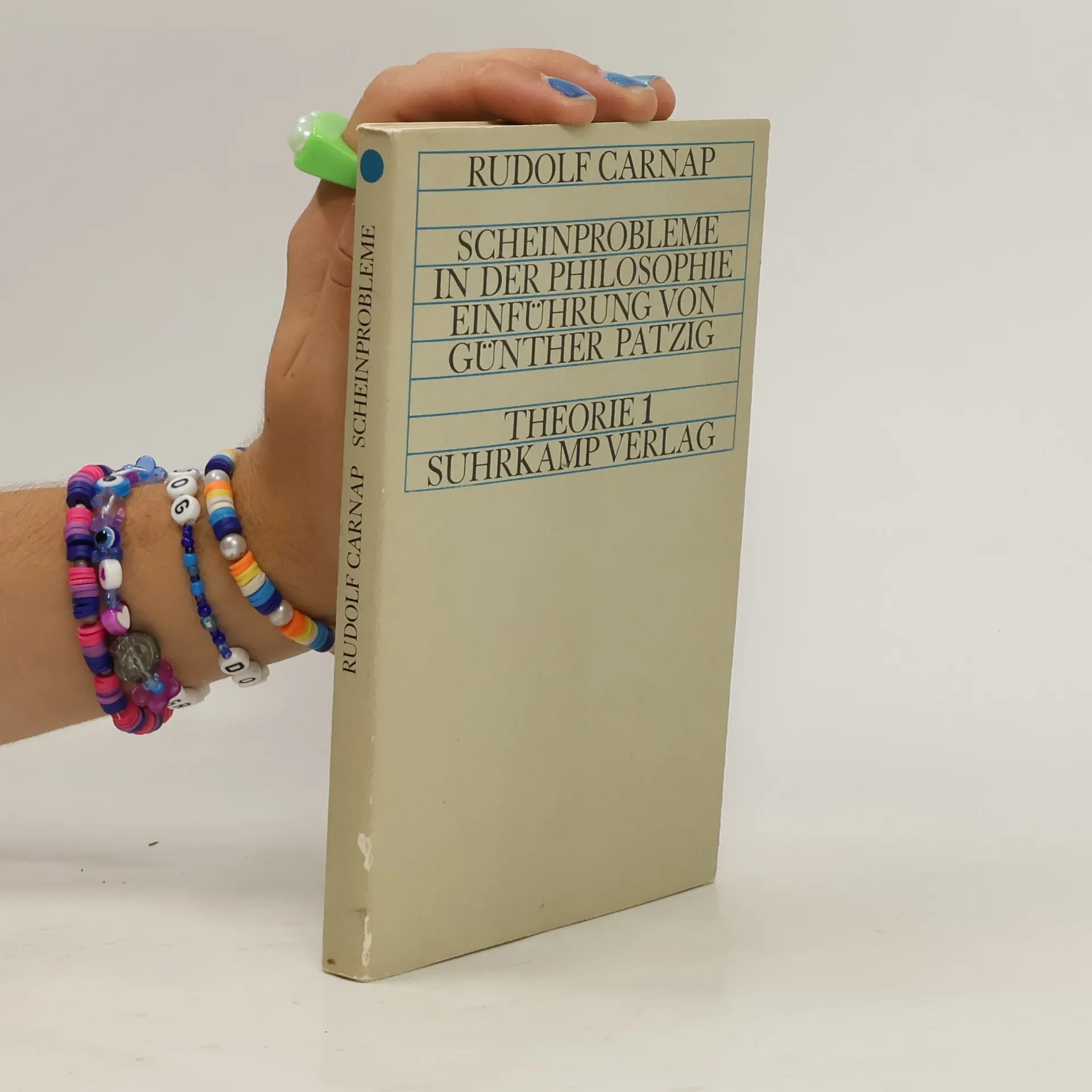
Scheinprobleme in der Philosophie und andere metaphysikkritische Schriften
- 149 pages
- 6 hours of reading
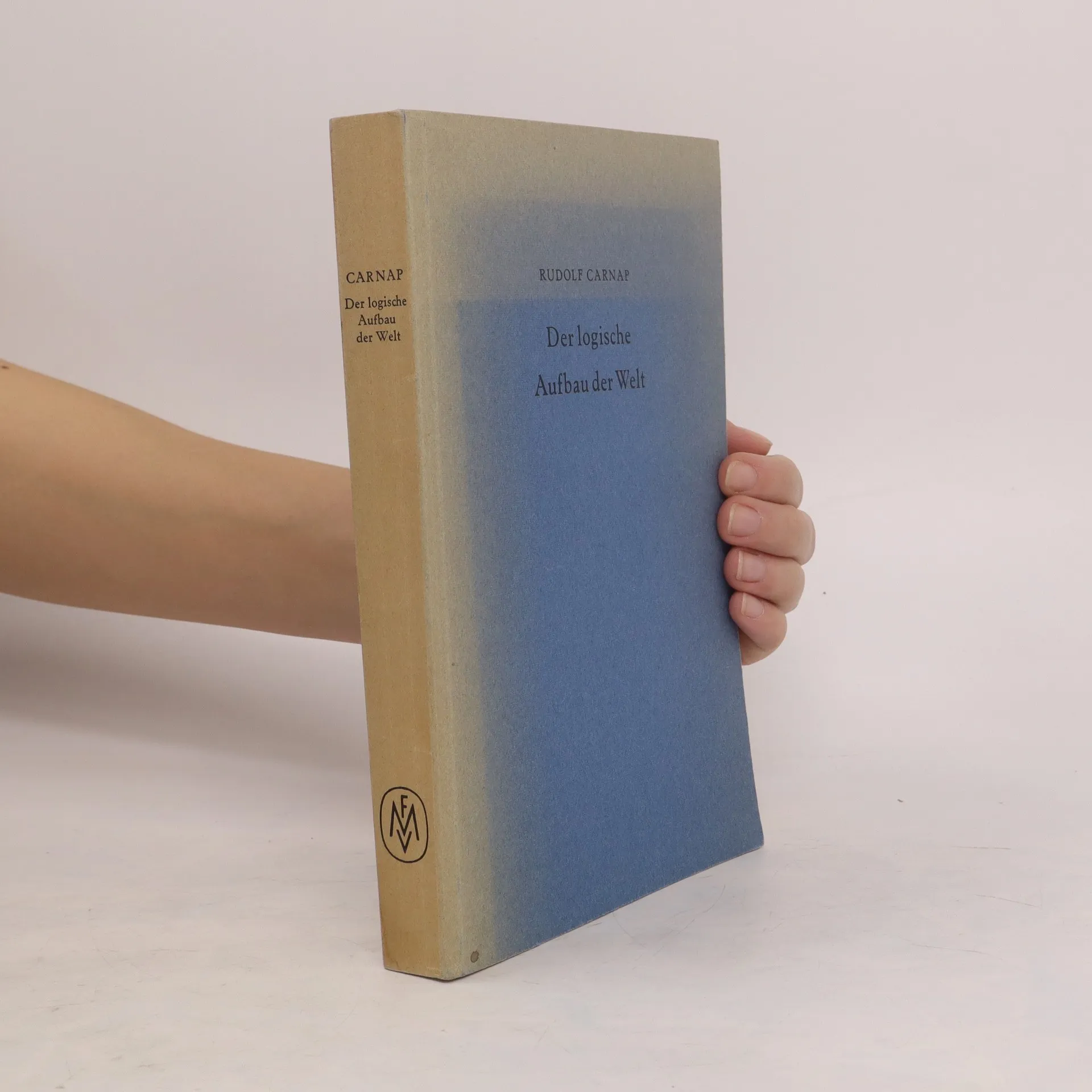
Der logische Aufbau der Welt
- 289 pages
- 11 hours of reading
In seinem 1928 erschienenen Hauptwerk Der logische Aufbau der Welt unternahm Rudolf Carnap den Versuch, die erkenntnistheoretische These des englischen Empirismus, nach der die Basis aller unserer Wirklichkeitserkenntnis in Wahrnehmungserlebnissen bestehe, durch die methodische und zugleich logisch einsichtige Konstruktion der Gegenstandswelt aus solcherart bestimmten Elementarerlebnissen zu untermauern. Neu und richtungweisend an diesem Ansatz war der Gebrauch, den Carnap - er war Schüler Freges - 'von den Hilfmitteln der modernen Logik, besonders der von Russell entwickelten Relationenlogik, machte, und die Rücksicht auf die psychologische Erkenntnis, daß die einfachen Sinnesdaten nicht Erlebnisse sind, sondern erst rückwärts aus den Erlebnissen erschlossen werden müssen' (Günter Patzig).
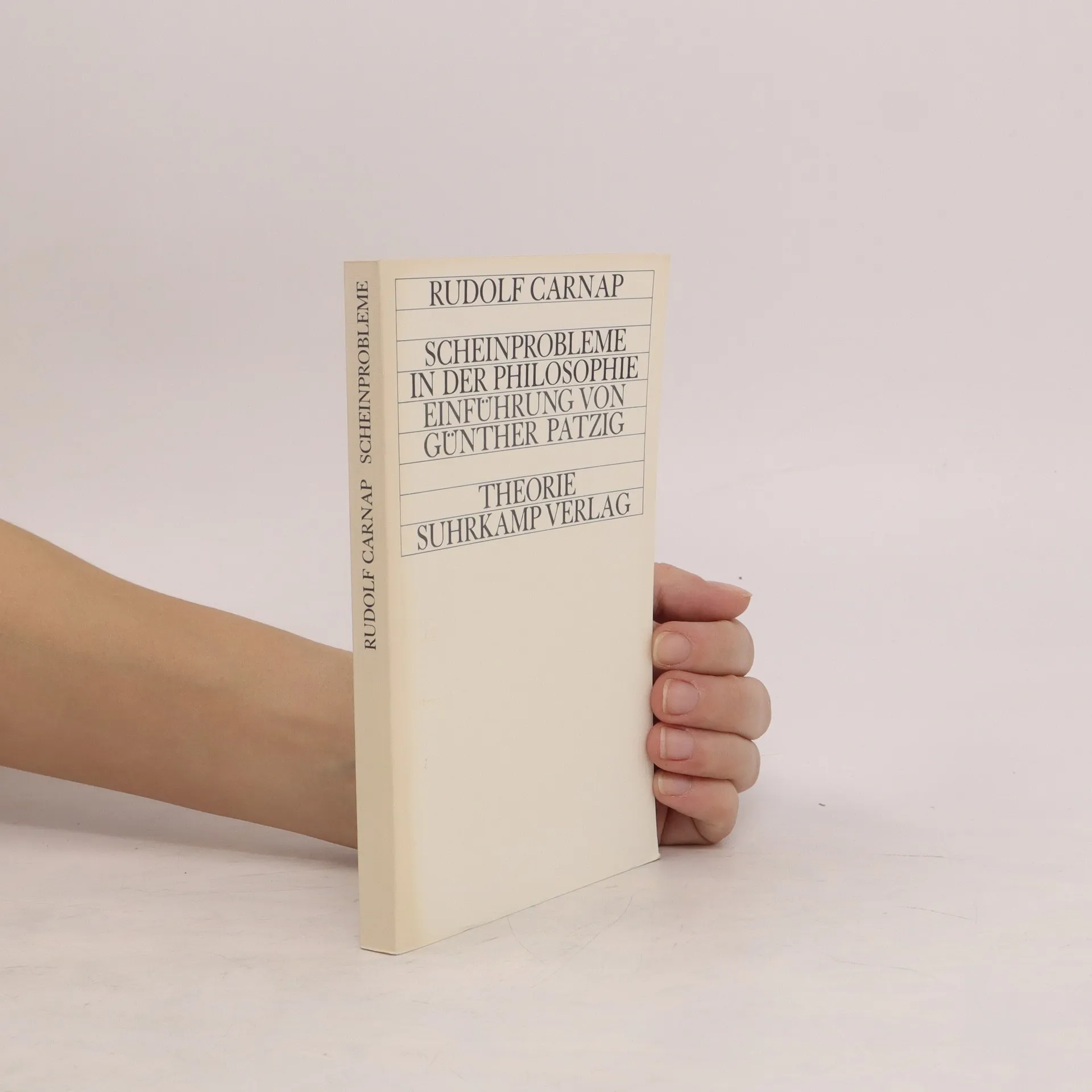
Scheinprobleme in der Philosophie
Theorie 1
Einführung in die symbolische Logik
mit besonderer Berücksichtigung ihrer Anwendungen
- 256 pages
- 9 hours of reading
Die symbolische Logik hat sich in den letzten hundert Jahren grundlegend gewandelt und zeichnet sich durch ihre exakte Formulierung und umfangreiche Anwendbarkeit aus. Rudolf Carnap beleuchtet in diesem Werk die Entwicklung und die vielfältigen Einsatzmöglichkeiten der symbolischen Logik, insbesondere in der Theorie der Relationen und höheren Begriffe. Das Buch richtet sich an Philosophen, Mathematiker und Fachwissenschaftler, die ein Interesse an der präzisen Analyse von Begriffen haben. Die dritte, unveränderte Auflage bietet eine umfassende Einführung in diese bedeutende Disziplin.
Die frühen Tagebücher Rudolf Carnaps bieten einen einzigartigen Einblick in die Gedankenwelt einer Schlüsselperson der 20. Jahrhunderts Philosophie. Sie beleuchten die Entstehung seines Werkes sowie die Geschichte des Wiener Kreises und des Logischen Empirismus. Die Edition umfasst auch sein „Kriegstagebuch“ und ist sorgfältig bearbeitet.
Die frühen Tagebücher Rudolf Carnaps bieten einen einzigartigen Einblick in die Gedankenwelt einer Schlüsselperson der 20. Jahrhunderts Philosophie. Sie beleuchten die Entstehung seines Werkes sowie die Geschichte des Wiener Kreises und des Logischen Empirismus. Die Edition umfasst auch sein „Kriegstagebuch“ und ist sorgfältig bearbeitet.
Überwindung der Metaphysik durch logische Analyse der Sprache
- 96 pages
- 4 hours of reading
Wiener Kreis
Texte zur wissenschaftlichen Weltauffassung von Rudolf Carnap, Otto Neurath, Moritz Schlick, Philipp Frank, Hans Hahn, Karl Menger, Edgar Zilsel und Gustav Bergmann
- 699 pages
- 25 hours of reading
Am Wiener Kreis scheiden sich die Geister, trat er doch mit dem dezidierten Anspruch auf, mit den Mitteln der modernen Logik den metaphysischen Schutt von Jahrtausenden aus dem Weg zu räumen. Statt einer homogenen Bewegung, die sich empiristischen Dogmen verschrieb, erscheint der Wiener Kreis in der philosophischen Forschung jedoch heute als eine heterogene Gruppe von eigenständigen Denkern, die gemeinsam die Grundlagen der modernen Wissenschaftstheorie legten. In jeweils spezifischer Weise setzten sie sich von der philosophischen Tradition ab oder versuchten, einzelne Teile davon in die wissenschaftliche Weltauffassung zu integrieren. Der Band enthält eine repräsentative Auswahl von Aufsätzen der Mitglieder des Wiener Kreises. Sie beschränkt sich mit Ausnahme dreier Frühschriften der Gründer bewußt auf die Jahre des historischen Kreises vom Beginn der Treffen 1924 bis zur Ermordung Schlicks 1936, obwohl einige der Hauptideen erst in den USA ihre volle Wirkung entfalteten und von dort Ende der sechziger Jahre wieder in die deutschsprachige Philosophie zurückwirkten. In ihrer Einleitung skizzieren die Herausgeber die historische Entwicklung des Kreises und erläutern die zentralen thematischen Fragestellungen. Die Anmerkungen identifizieren die internen wie externen Opponenten und erklären den Kontext der zeitgenössischen Wissenschaft.
Logic and language
- 256 pages
- 9 hours of reading
Untersuchungen zur allgemeinen Axiomatik
- 166 pages
- 6 hours of reading
Der Raum
- 87 pages
- 4 hours of reading
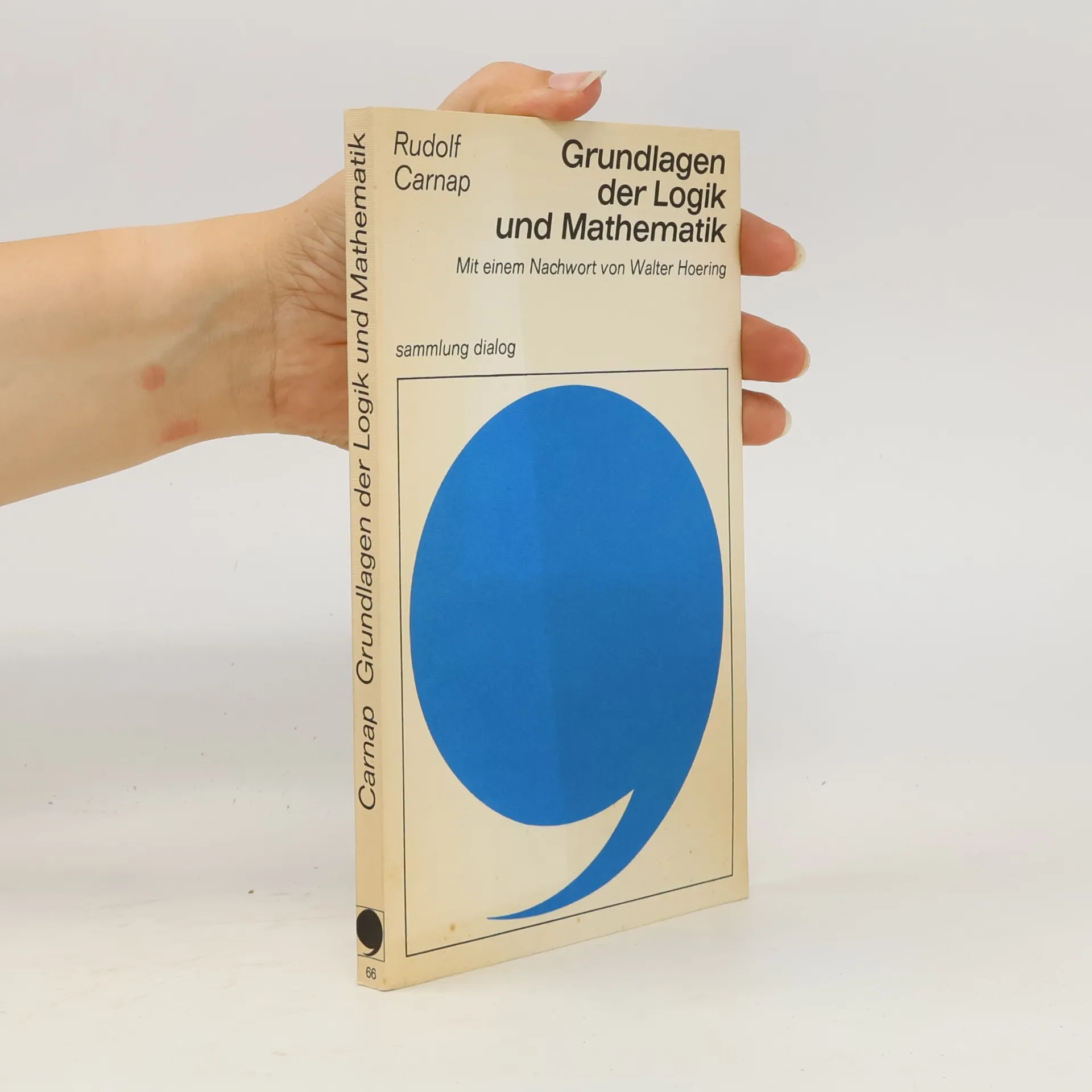
Grundlagen der Logik und Mathematik
- 105 pages
- 4 hours of reading
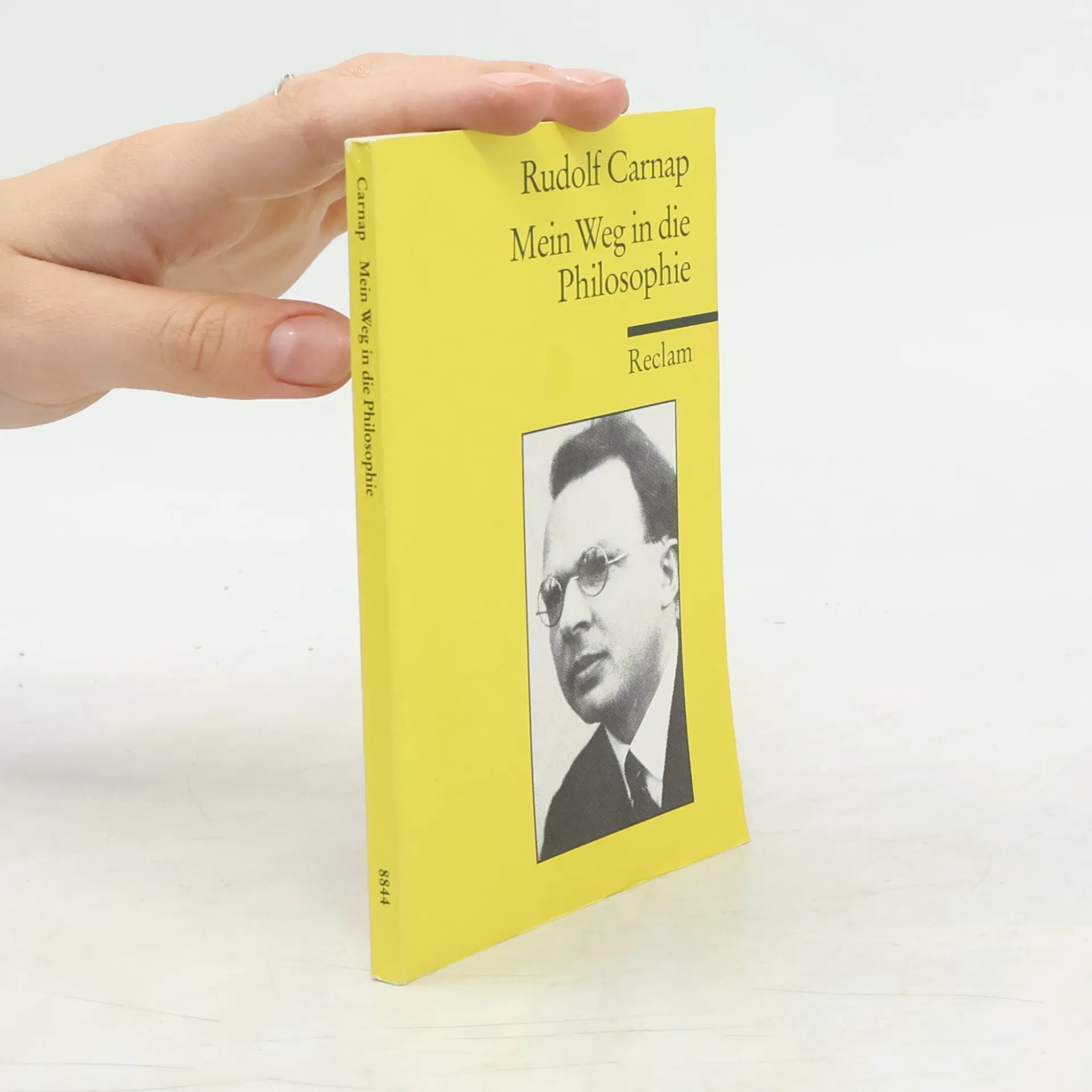
Mein Weg in die Philosophie
- 160 pages
- 6 hours of reading
Si los programas conceptuales del positivismo lógico y la filosofía analítica son claves en el pensamiento del siglo XX, la figura de Carnap es clave para entender esos programas. Carnap partió como Wittgenstein, del proyecto de filosofía científica propuesto por Russell a principios de siglo y pronto se identificó con los ideales del positivismo lógico, aproximando la filosofía a la ciencia e influyendo así de modo determinante en la filosofía norteamericana de posguerra como los de Wittgenstein en la británica. Carnap es también, igual que Popper, su antagonista en el debate sobre la inducción, padre de la actual filosofía de la ciencia. Manuel Garrido, autor de la introducción, ha sido catedrático de Lógica y Filosofía de la Ciencia en las universidades de Valencia y Madrid.
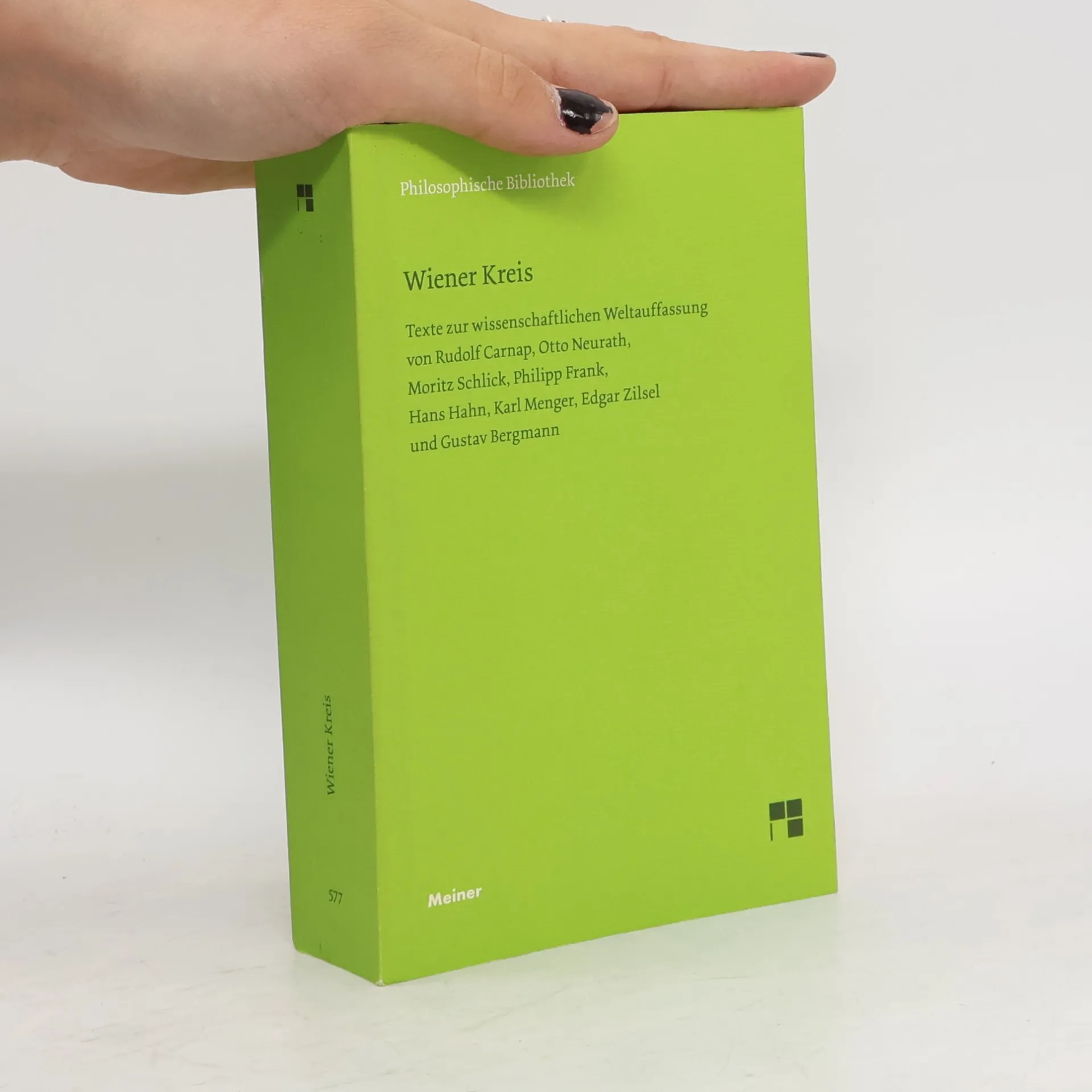
Philosophische Bibliothek - 577: Wiener Kreis
Texte zur wissenschaftlichen Weltauffassung von Rudolf Carnap, Otto Neurath, Moritz Schlick, Philipp Frank, Hans Hahn, Karl Menger, Edgar Zilsel und Gustav Bergmann
- 803 pages
- 29 hours of reading
Am Wiener Kreis scheiden sich die Geister, trat er doch mit dem dezidierten Anspruch auf, mit den Mitteln der modernen Logik den metaphysischen Schutt von Jahrtausenden aus dem Weg zu räumen. Statt einer homogenen Bewegung, die sich empiristischen Dogmen verschrieb, erscheint der Wiener Kreis in der philosophischen Forschung jedoch heute als eine heterogene Gruppe von eigenständigen Denkern, die gemeinsam die Grundlagen der modernen Wissenschaftstheorie legten. In jeweils spezifischer Weise setzten sie sich von der philosophischen Tradition ab oder versuchten, einzelne Teile davon in die wissenschaftliche Weltauffassung zu integrieren.Der Band enthält eine repräsentative Auswahl von Aufsätzen der Mitglieder des Wiener Kreises. Sie beschränkt sich mit Ausnahme dreier Frühschriften der Gründer bewußt auf die Jahre des historischen Kreises vom Beginn der Treffen 1924 bis zur Ermordung Schlicks 1936, obwohl einige der Hauptideen erst in den USA ihre volle Wirkung entfalteten und von dort Ende der sechziger Jahre wieder in die deutschsprachige Philosophie zurückwirkten.In ihrer Einleitung skizzieren die Herausgeber die historische Entwicklung des Kreises und erläutern die zentralen thematischen Fragestellungen. Die Anmerkungen identifizieren die internen wie externen Opponenten und erklären den Kontext der zeitgenössischen Wissenschaft.
Fundamentación lógica de la física
- 253 pages
- 9 hours of reading
El moderno modelo atómico. El sistema de períodos. El enlace químico. Gases. El estado sólido. El estado lí disoluciones. Relaciones cuantitativas. Termodinámica de las reacciones químicas; equilibrio químico. La velocidad de las reacciones químicas
Scheinprobleme in der Philosophie
das Fremdpsychische und der Realismusstreit
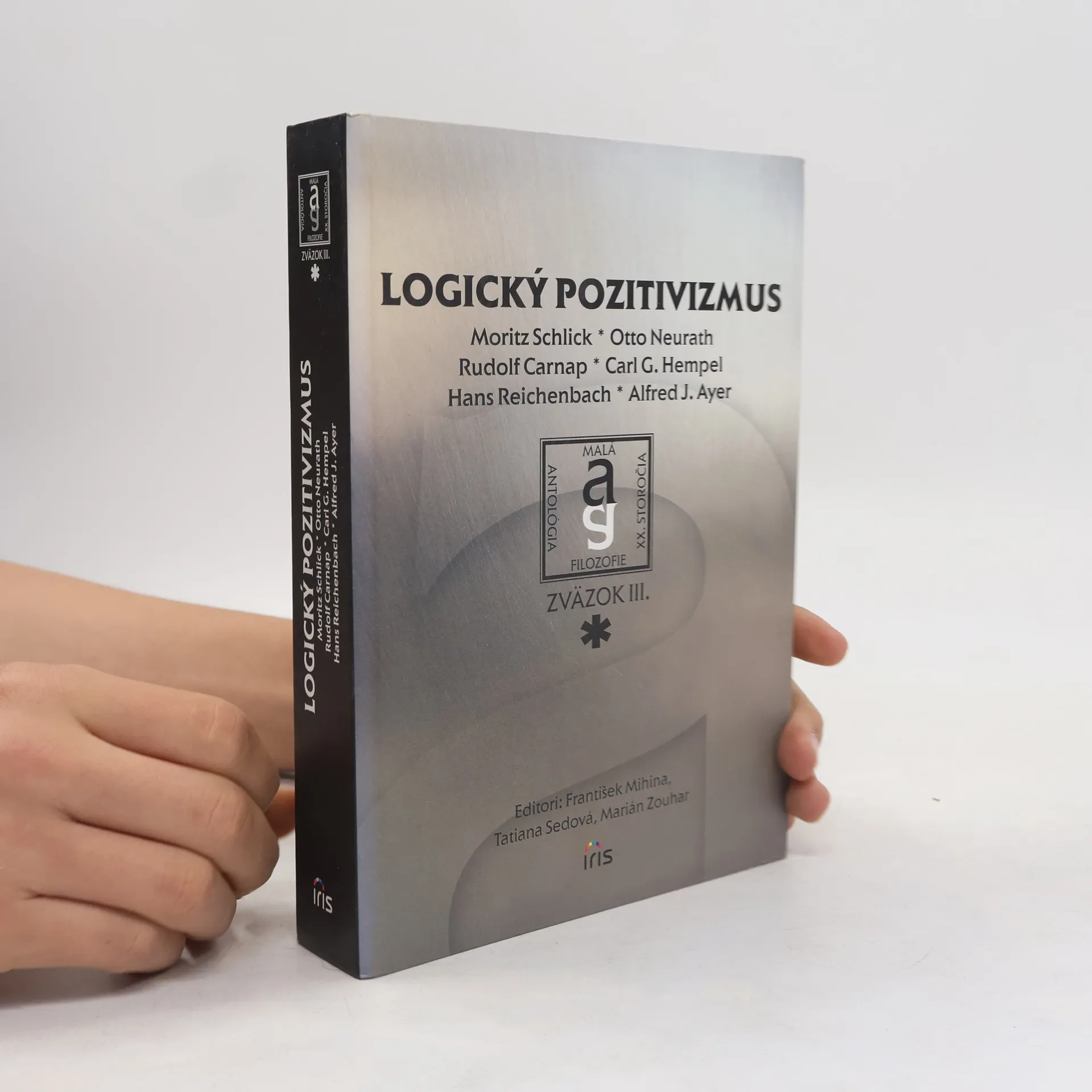
Logický pozitivizmus
- 540 pages
- 19 hours of reading
Tretí zväzok Malej antológie filozofie 20. storočia obsahuje projekty filozofie a filozofie vedy, ktoré vznikli v prvých desaťročiach dvadsiateho storočia a mali charakter scientizácie možného chápania filozofie. Pre toto obdobie je typická predstava, že takmer všekty dôležité problémy súčasnosti nemajú bez využitia vedy veľké šance na úspech. V tomto zväzku sa čitateľ zoznámi s názormi M. Schlicka, R. Carnapa, O. Neuhartha, C. G. Hempela, H. Reichenbacha a A. J. Ayera. editori: F. Mihina, T. Sedová, M. Zouhar
Význam a nevyhnutnosť
- 380 pages
- 14 hours of reading
Rudolf Carnap patrí k vedúcim osobnostiam analytického prúdu vo filozofii 20. storočia. V knihe Význam a nevyhnutnosť sa pokúsil nájsť vhodné definície bežných sémantických pojmov a podať sémantickú analýzu významu a modalít. Ide o priekopnícke dielo v oblasti intenzionálnej logiky.