Die Handlung beginnt im Jahr 1578. Heinrich III. ist mittlerweile König von Frankreich und hat sich allerlei politischer Feinde zu erwehren; zum einen seinen Bruder Franz d'Anjou und dann auch noch die Familie der Guise, die zwar vorgeben, Franz zu unterstützen, diesen aber nur als Marionette benutzen wollen, um letztendlich selbst den Thron zu erringen. Diesen Kontrahenten stehen verschiedene Helfer zur Verfügung, die jeweils aktiv für die Sache ihres Herrn eintreten. Dies sind auf Seiten des Königs die sogenannten Mignons, Edelleute, die in besonderer Gunst des Königs standen, und dessen Hofnarr Chicot. Auf der Seite von Franz stehen unter anderen der Edelmann Bussy und scheinbar auch der Graf von Monsoreau, der aber eigentlich mit der Familie Guise sympathisiert. Neben diesem gibt es auch noch den Bruder Gorenflot, ein feiger, egoistischer, verfressener und sauffreudiger Mönch, der offen für die Sache der Guise eintritt. Die wichtigsten Figuren und Sympathieträger im Roman sind von den Genannten sicherlich der Hofnarr Chicot, der so manche Intrige gegen seinen Herrn aufdeckt und der Edelmann Bussy. Und dann gibt es noch die schöne Dame Diana, um deren Gunst sich gleiche mehrere bewerben. Der Roman gipfelt im sogenannten Duell der Mignons, das in der französischen Geschichte sehr populär geworden ist.
Maurice Leloir Book order (chronological)


Die Handlung beginnt im Jahr 1578. Heinrich III. ist mittlerweile König von Frankreich und hat sich allerlei politischer Feinde zu erwehren; zum einen seinen Bruder Franz d'Anjou und dann auch noch die Familie der Guise, die zwar vorgeben, Franz zu unterstützen, diesen aber nur als Marionette benutzen wollen, um letztendlich selbst den Thron zu erringen. Diesen Kontrahenten stehen verschiedene Helfer zur Verfügung, die jeweils aktiv für die Sache ihres Herrn eintreten. Dies sind auf Seiten des Königs die sogenannten Mignons, Edelleute, die in besonderer Gunst des Königs standen, und dessen Hofnarr Chicot. Auf der Seite von Franz stehen unter anderen der Edelmann Bussy und scheinbar auch der Graf von Monsoreau, der aber eigentlich mit der Familie Guise sympathisiert. Neben diesem gibt es auch noch den Bruder Gorenflot, ein feiger, egoistischer, verfressener und sauffreudiger Mönch, der offen für die Sache der Guise eintritt. Die wichtigsten Figuren und Sympathieträger im Roman sind von den Genannten sicherlich der Hofnarr Chicot, der so manche Intrige gegen seinen Herrn aufdeckt und der Edelmann Bussy. Und dann gibt es noch die schöne Dame Diana, um deren Gunst sich gleiche mehrere bewerben. Der Roman gipfelt im sogenannten Duell der Mignons, das in der französischen Geschichte sehr populär geworden ist.
Die Handlung beginnt im Jahr 1578. Heinrich III. ist mittlerweile König von Frankreich und hat sich allerlei politischer Feinde zu erwehren; zum einen seinen Bruder Franz d'Anjou und dann auch noch die Familie der Guise, die zwar vorgeben, Franz zu unterstützen, diesen aber nur als Marionette benutzen wollen, um letztendlich selbst den Thron zu erringen. Diesen Kontrahenten stehen verschiedene Helfer zur Verfügung, die jeweils aktiv für die Sache ihres Herrn eintreten. Dies sind auf Seiten des Königs die sogenannten Mignons, Edelleute, die in besonderer Gunst des Königs standen, und dessen Hofnarr Chicot. Auf der Seite von Franz stehen unter anderen der Edelmann Bussy und scheinbar auch der Graf von Monsoreau, der aber eigentlich mit der Familie Guise sympathisiert. Neben diesem gibt es auch noch den Bruder Gorenflot, ein feiger, egoistischer, verfressener und sauffreudiger Mönch, der offen für die Sache der Guise eintritt. Die wichtigsten Figuren und Sympathieträger im Roman sind von den Genannten sicherlich der Hofnarr Chicot, der so manche Intrige gegen seinen Herrn aufdeckt und der Edelmann Bussy. Und dann gibt es noch die schöne Dame Diana, um deren Gunst sich gleiche mehrere bewerben. Der Roman gipfelt im sogenannten Duell der Mignons, das in der französischen Geschichte sehr populär geworden ist.
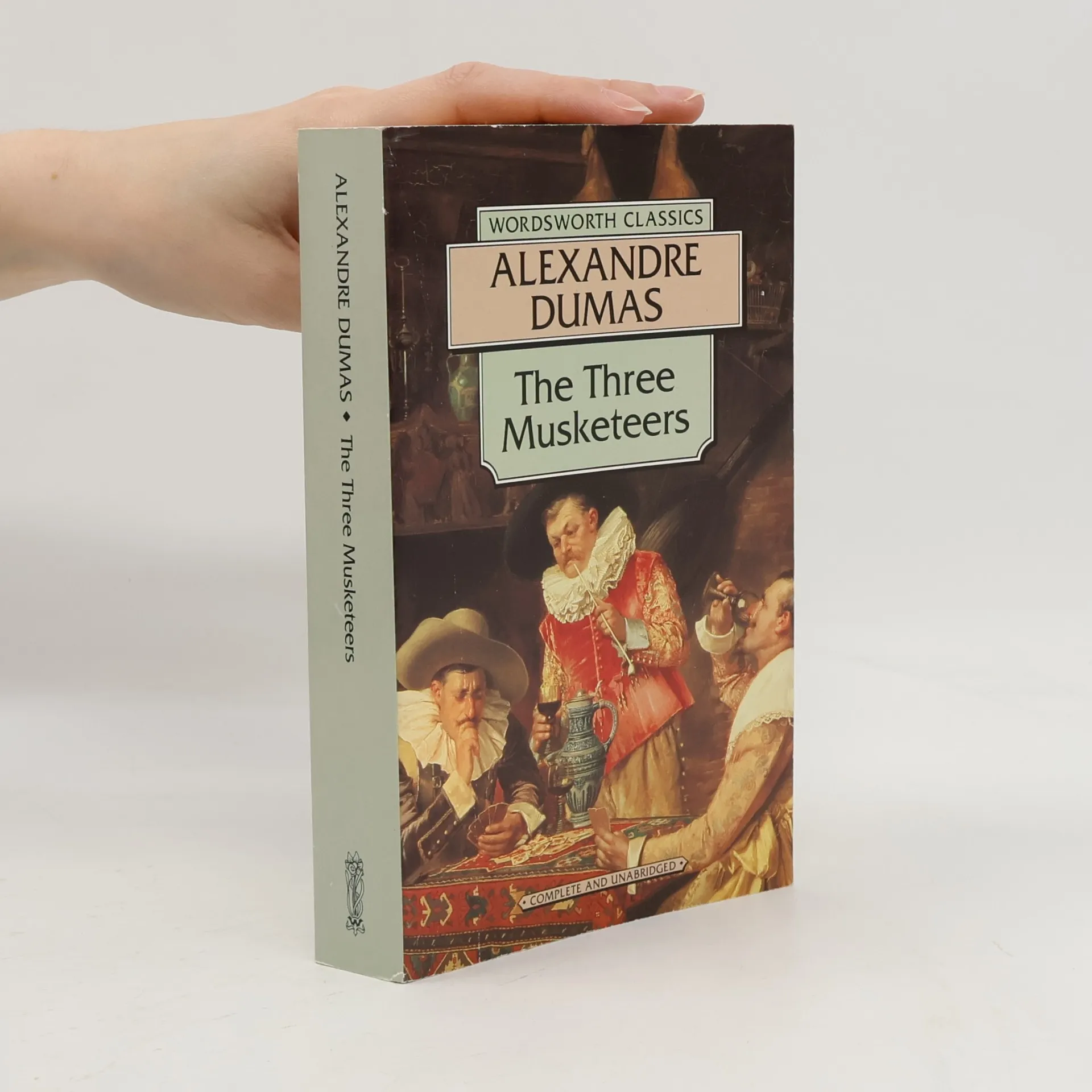
The Three Musketeers
- 592 pages
- 21 hours of reading
CLASSIC FICTION (PRE C 1945). A historical romance, this novel tells of the adventures of the hot-headed young Gascon, d'Artagnan and his three companions Athos, Porthos and Aramis as they gallantly defend the Queen of France, using their wit and their swords.
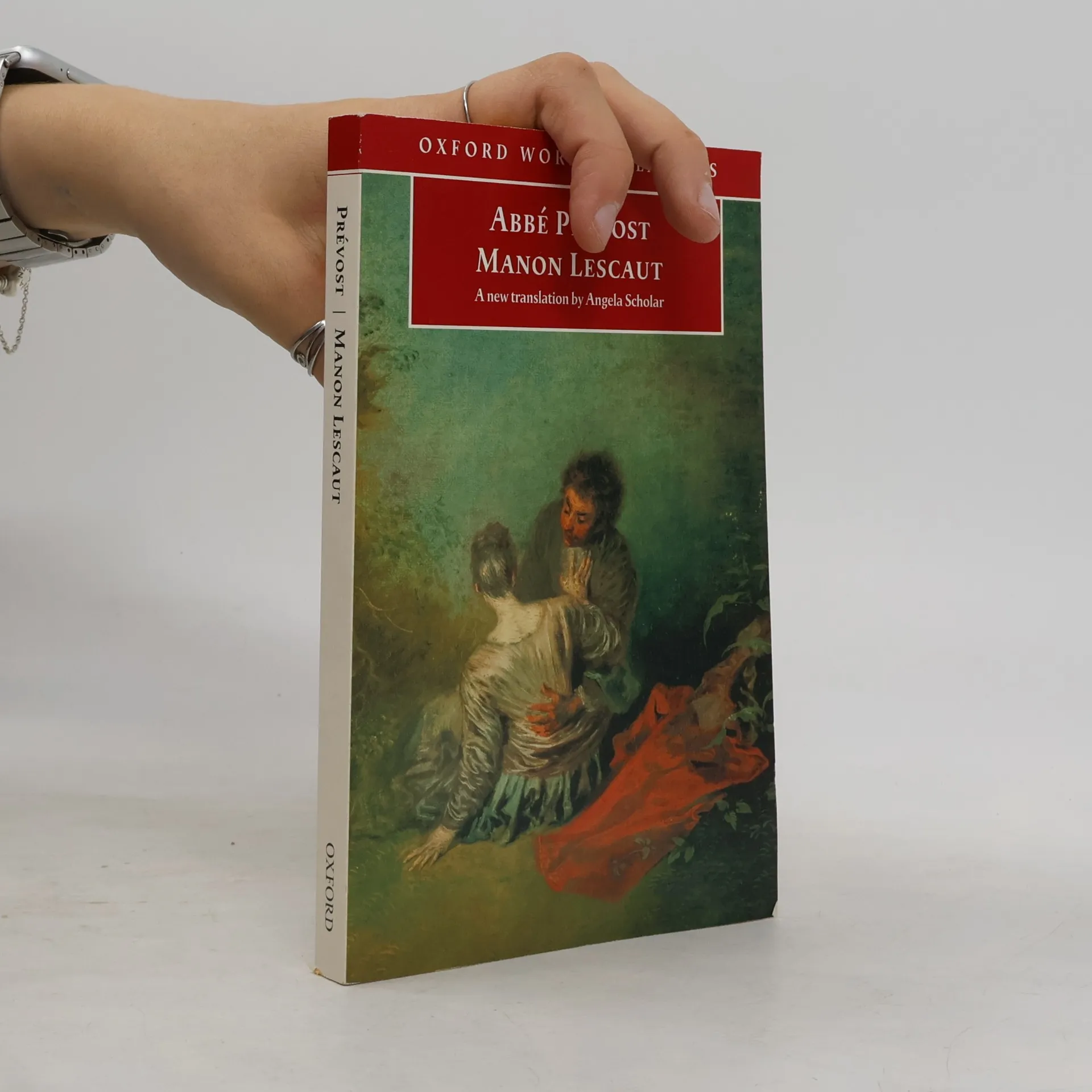
Manon Lescaut: A New Translation by Angela Scholar
- 208 pages
- 8 hours of reading
The sweetness of her glance, or rather my evil star already in its ascendant and drawing me to my ruin, did not allow me to hesitate for a moment." So begins the story of Manon Lescaut, a tale of passion and betrayal, of delinquency and misalliance, which moves from early eighteenth-century Paris--with its theatres, assemblies, and gaming-houses-via prison and deportation to a tragic denouement in the treeless wastes of Louisiana. It is one of the great love stories, and also one of the most enigmatic: how reliable a witness is Des Grieux, Manon's lover, whose tale he narrates? Is Manon a thief and a whore, the image of love itself, or a thoroughly modern woman? Prevost is careful to leave the ambiguities unresolved, and to lay bare the disorders of passion. This new translation includes the vignette and eight illustrations that were approved by Prevost and first published in the edition of 1753.
The Three Musketeers, Volume II
- 436 pages
- 16 hours of reading
Alexandre Dumas, père (French for "father", akin to Senior in English), born Dumas Davy de la Pailleterie (1802-1870) was a French writer, best known for his numerous historical novels of high adventure which have made him one of the most widely read French authors in the world. Many of his novels, including The Count of Monte Cristo (1845), The Three Musketeers (1844), and The Man in the Iron Mask (1848) were serialized, and he also wrote plays and magazine articles and was a prolific correspondent. Though best known now as a novelist, He earned his first fame as a dramatist. His Henri III et sa Cour (1829) was the first of the great Romantic historical dramas produced on the Paris stage, preceding Victor Hugo's more famous Hernani (1830). He was also a wellknown travel writer, writing such books as From Paris to Cadiz (1847), and Travel Impressions: In Russia (1860). His other works include Twenty Years After (1845), The Two Dianas (1846), Queen Margot (1845), The Black Tulip (1850), The Wolf-Leader (1857), and The Knight of Sainte-Hermine (1869).
The Three Musketeers, Vol. I by Alexandre Dumas, Fiction, Classics, Historical, Action & Adventure
- 336 pages
- 12 hours of reading
Set in 1625, the narrative follows young D'Artagnan, who arrives in Paris eager to join the king's musketeers. His initial confrontations with the seasoned musketeers—Porthos, Aramis, and Athos—quickly turn into camaraderie when they unite against the Cardinal's guards. Their friendship deepens as they embark on a quest to locate a missing woman, facing court intrigues and the treacherous Milady, a spy determined to undermine Queen Anne. This volume captures D'Artagnan's journey filled with adventure, loyalty, and political machinations.
Chicot the Jester
- 662 pages
- 24 hours of reading
Set in a vibrant historical context, the novel features a clever jester who dares to mock royalty and cleverly outmaneuvers a knight in battle. This character-driven tale showcases Dumas's talent for crafting memorable personalities and engaging plots. The book is a collaboration with Auguste Maquet and is celebrated among Dumas's works, appealing to both fans and collectors. Accompanying the text is a new biography of Dumas, enhancing the reader's understanding of the author behind the iconic stories.