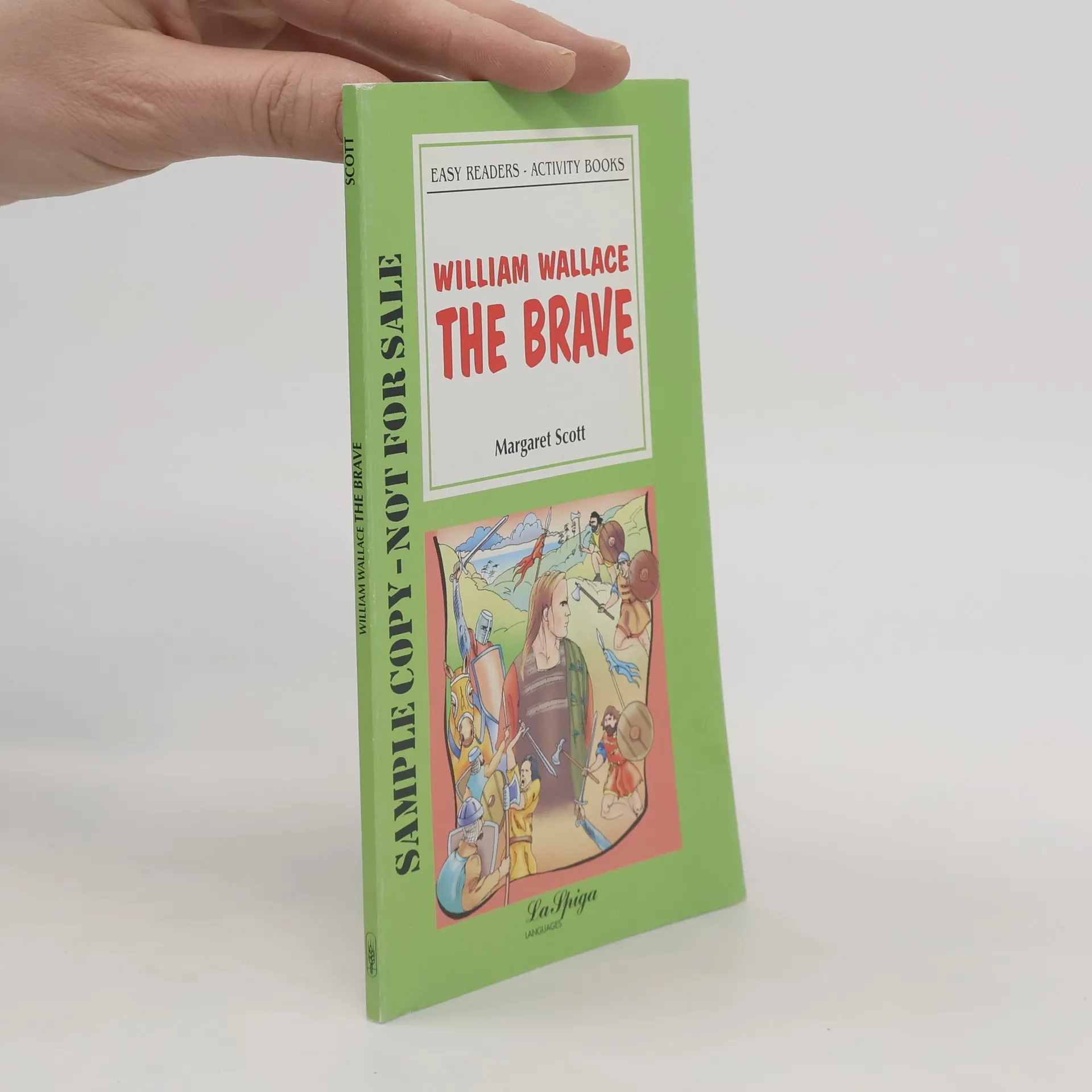
This author's literary journey began in childhood, sparked by Greek myths shared by her father, which laid the foundation for her imaginative storytelling. Transitioning from early inspirations to writing novels upon retiring from a career in music education, her early prose often draws from personal experiences. Her work later explored ancient legends and myths, demonstrating a keen interest in historical narratives. This blend of personal reflection and deep engagement with mythology gives her writing a distinctive and compelling voice.
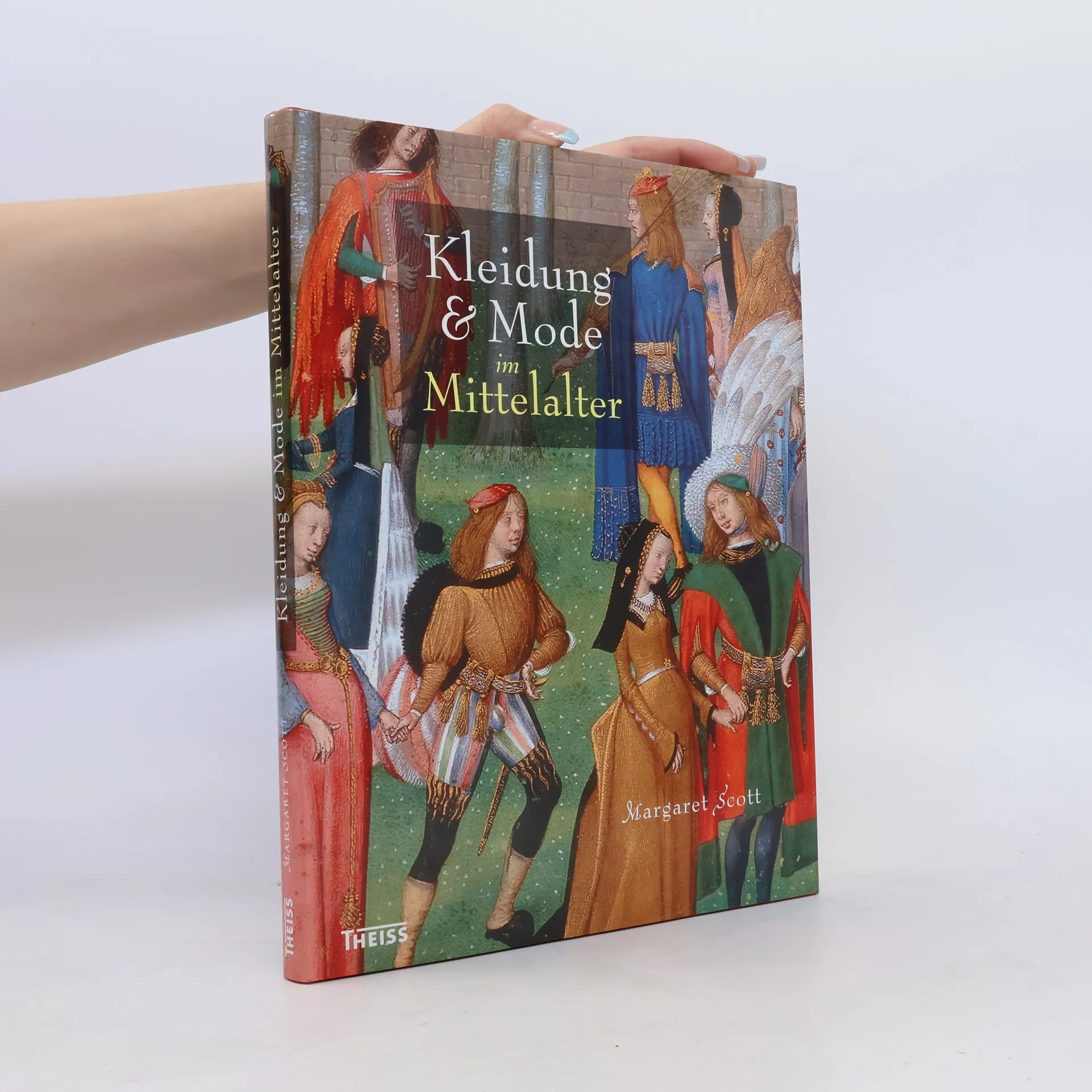
A sumptuously illustrated compact volume which uses full colour images and the
accented gold of illuminated manuscripts to full advantage. . . . [This book]
tantalises the reader through the well written text and accompanying
illustrations.-European Review of History
König, Edelmann, Bauer - das trug man im Mittelalter Welcher „Look“ war vor über 1000 Jahren der Renner und welche Schnitte waren „out“? Welche Farben, Muster, Stoffe wählte der mittelalterliche Mann von Welt, welchen Schmuck die Frau? Kleidung und Mode sind heute nahezu identisch. Ehemals berufs- oder funktionsbezogene Bekleidung ist ganz in der Alltagskleidung aufgegangen. Es gibt heute auch nur noch wenige Dresscodes, an denen sich die gesellschaftliche Stellung des jeweiligen Trägers ablesen ließe. Anders im Mittelalter: „Mode“ im Sinne von bewusstem Tragen und Zurschaustellen von neuen, oft gewagten Stilrichtungen blieb den hoheren Ständen vorbehalten. Der einfache Bauer oder Handwerker trug meist schlichtere Kleidung ohne modische Zier und ohne Streben nach dem modisch Neuen. Darstellungen von Kleidung und Mode in mittelalterlichen Handschriften aus dem 9. bis 16. Jahrhundert lassen deshalb umfangreiche Rückschlüsse auf die gesellschaftlichen Verhältnisse dahinter zu. Margaret Scott zeigt in diesem liebevoll gestalteten, reich illustrierten Band die Zusammenhänge auf und beschreibt anschaulich, in welchem Maße darin die sozialen Unterschiede zwischen wohlhabenden und ärmeren Schichten zum Ausdruck kommen.