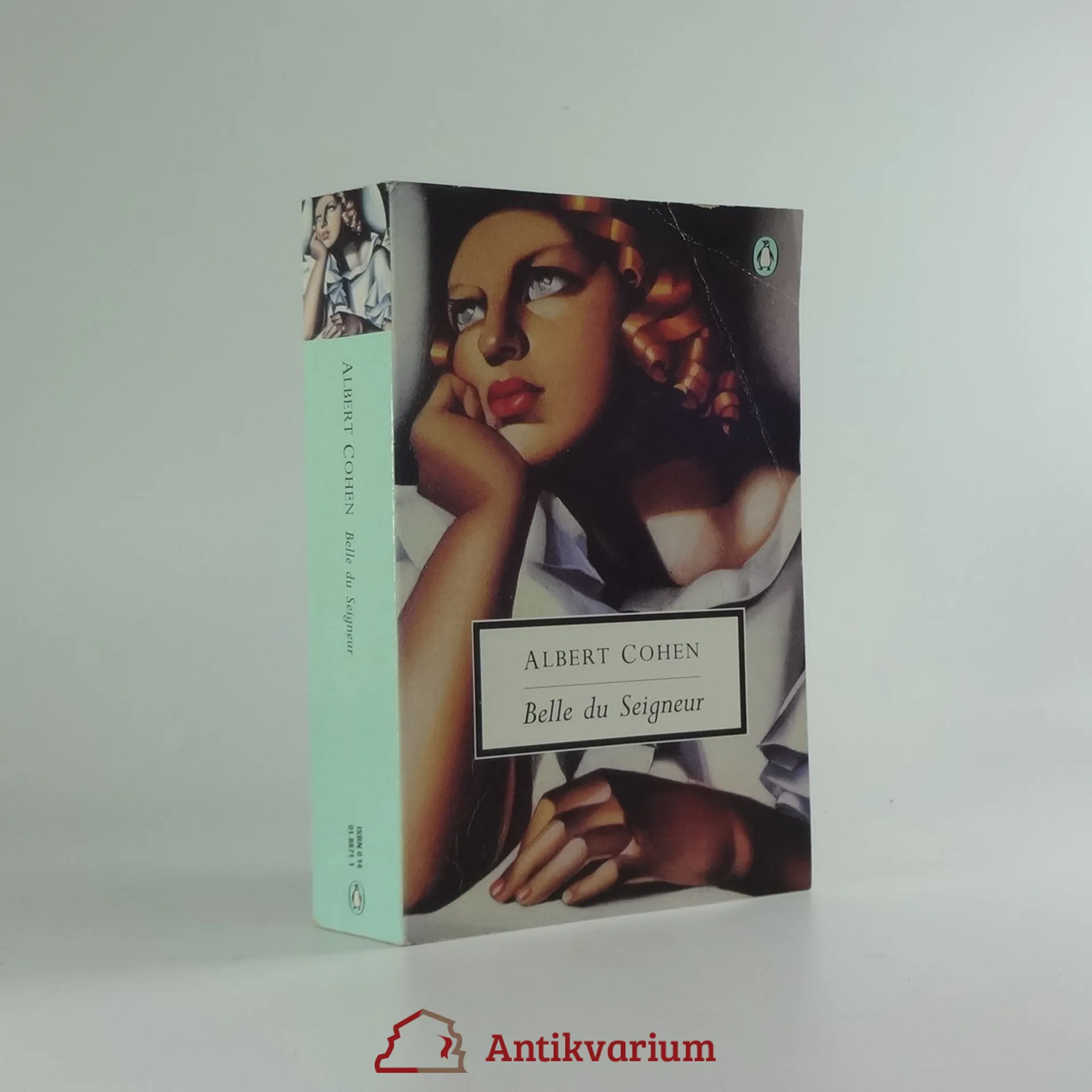
Published in 1968 "Belle du Seigneur" is the longest love story in French literature. At one level it is a hiliarious mock-epic concerning the mental world of the cuckold in the affair - a minor bureaucrat in the United Nations.
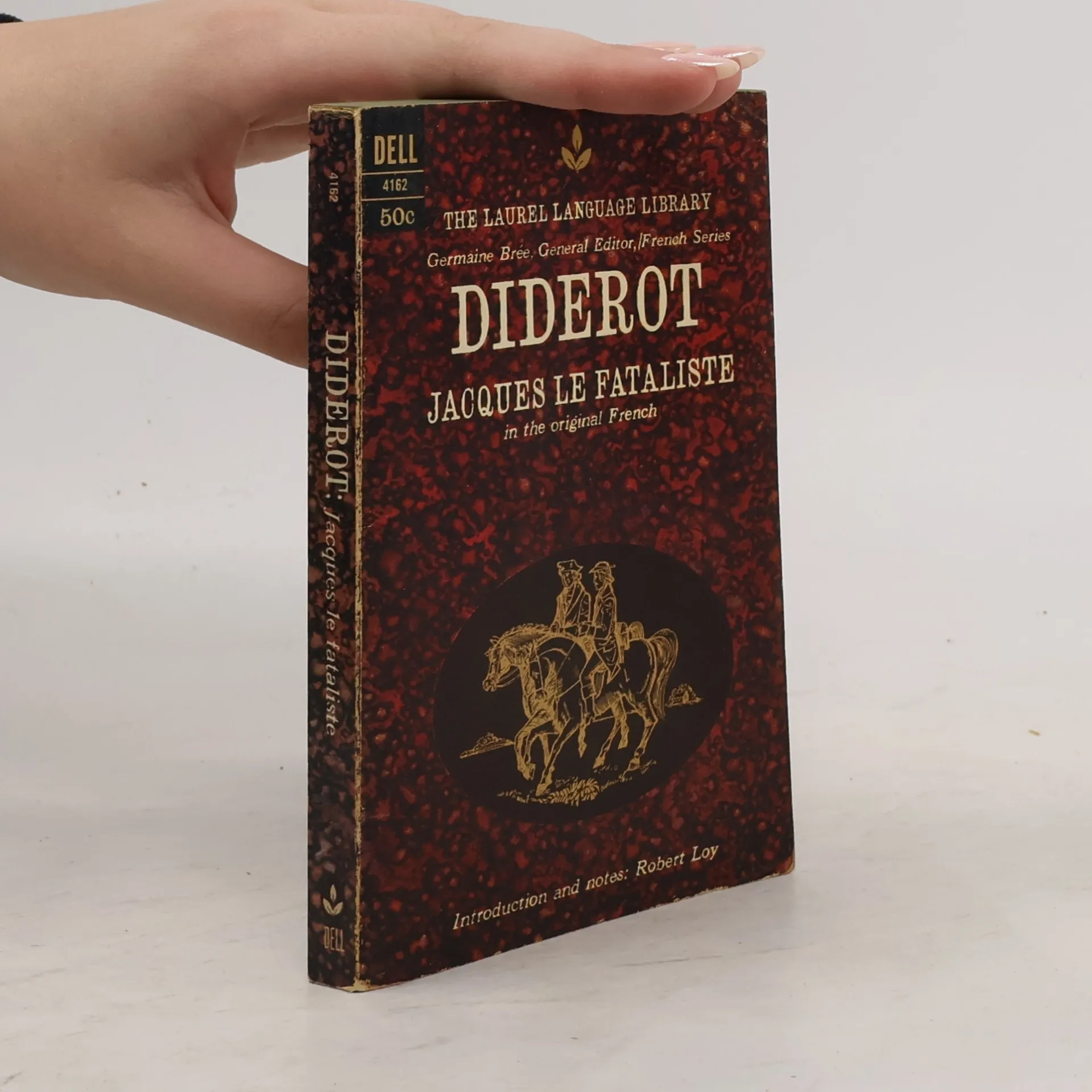
Everything that happens to us in the world, both good and bad, is written in the heavens. This is claimed by the titular character of the philosophical tale by the French writer and philosopher Denis Diderot. Not without reason, he has earned the nickname fatalist. However, despite his unwavering belief in the inevitability of fate, he stands against evil and believes that good must prevail. During countless wanderings, the characters discuss many fundamental issues, including the problem of individual freedom, friendship, and social relations. A significant portion of their humorous dialogues is dedicated to male-female relationships—mainly through the character of Kubuś, readers learn a number of love stories. The colorful conversations between Kubuś and his master entertained a few holders of Diderot's manuscript for two decades, and they were published only after the author's death in 1796. Even today, despite the fact that the world has undergone a true revolution, they still provoke reflection.
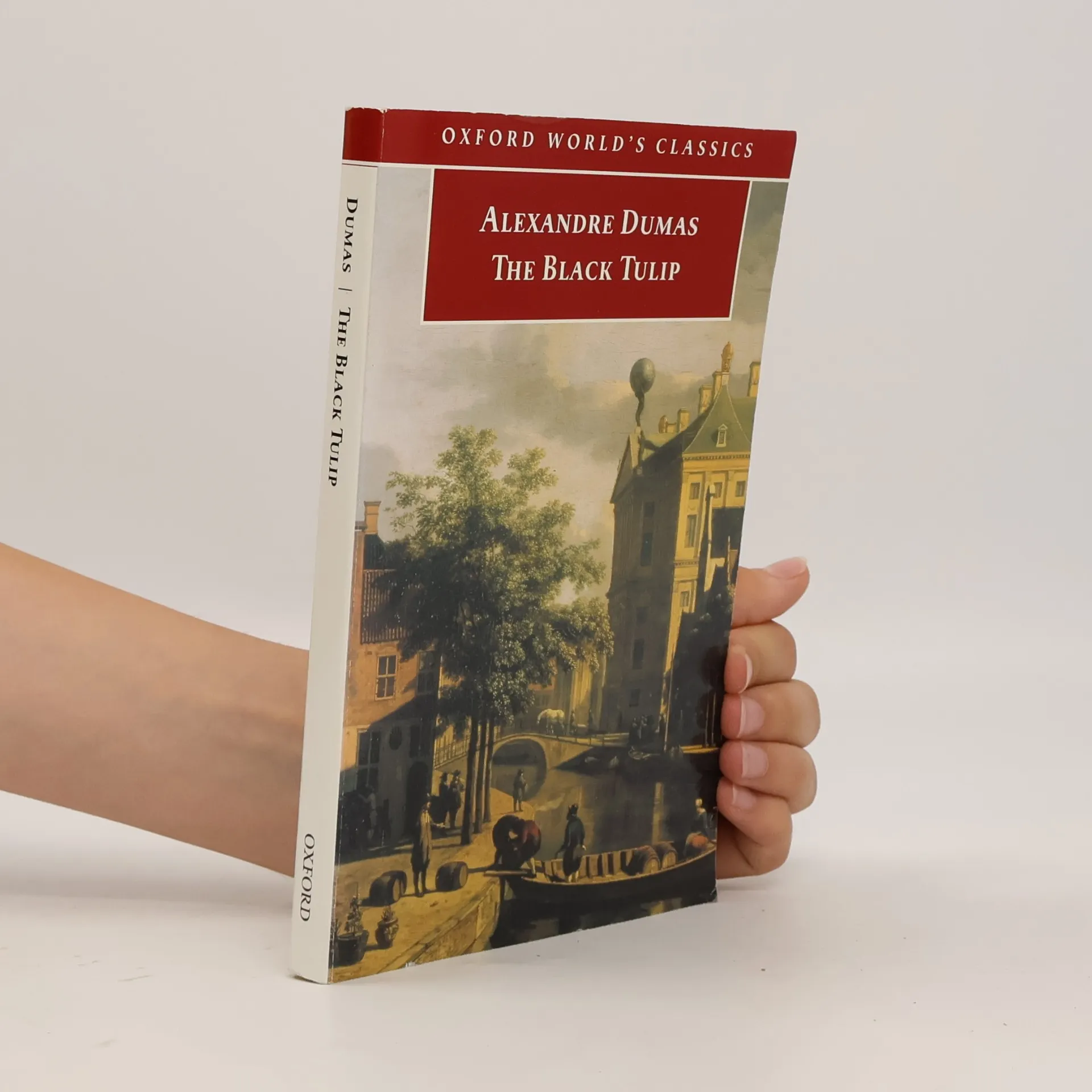
A deceptively simple story and the shortest of Dumas's most famous novels, The Black Tulip (1850) weaves historical events surrounding a brutal murder into a tale of romantic love. Set in Holland in 1672, this timeless political allegory draws on the violence and crimes of history, making a case against tyranny and creating a symbol of justice and tolerance: the fateful tulipa negra.
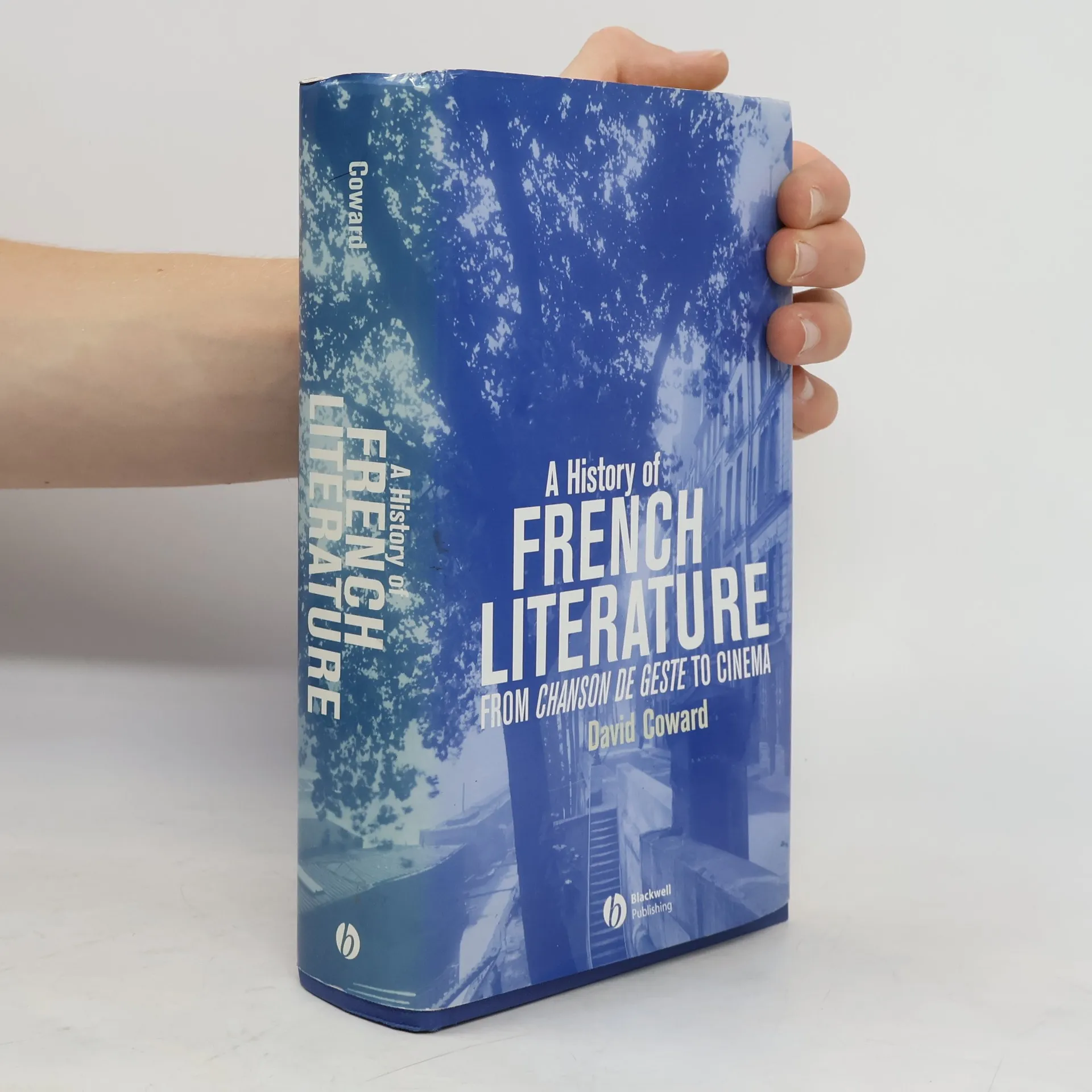
This ambitious volume is more than a history of French literature; it explores the profound impact of post-modern thought on our understanding of 'literature' itself. David Coward presents the rich diversity of French literature, enhanced by new Francophone contributions from Europe, Canada, the West Indies, and Africa. His narrative situates literary development within broader cultural contexts, linking it to the social conditions and mentalities that shaped it.
Coward transcends traditional notions of 'literature' by delving into best-sellers, graphic fiction, and cinema. He traces the evolution of the intellectual from the Dreyfus Affair through the divisions of the 1930s, from Existentialists to Post-Structuralists, mapping a journey from literary doctrine to critical theory.
Covering a wide range of topics—from medieval feminism to contemporary issues, and from 15th-century modernism to Proust—Coward serves as an engaging guide. He clearly outlines themes and genres, enabling readers to follow the evolution of theatre, poetry, and fiction, as well as broader issues like censorship and writers' rewards. The text is further enhanced by a comprehensive and user-friendly index, making it accessible for readers seeking to navigate this expansive literary landscape.