Překlad jedné z nejvýznamnějších prací klíčové osobnosti filosofie 20. století chce českému čtenáři zprostředkovat systematicky cenný příspěvek k diskusi o metodologii vědeckého vysvětlování. Von Wright v něm plodně využívá a spojuje nosné motivy analytické i kontinentální tradice a pohybuje se tak v poli nerespektujícím mnohdy uměle zdůrazňovanou a pěstovanou dichotomii těchto dvou linií filosofie 20. století.
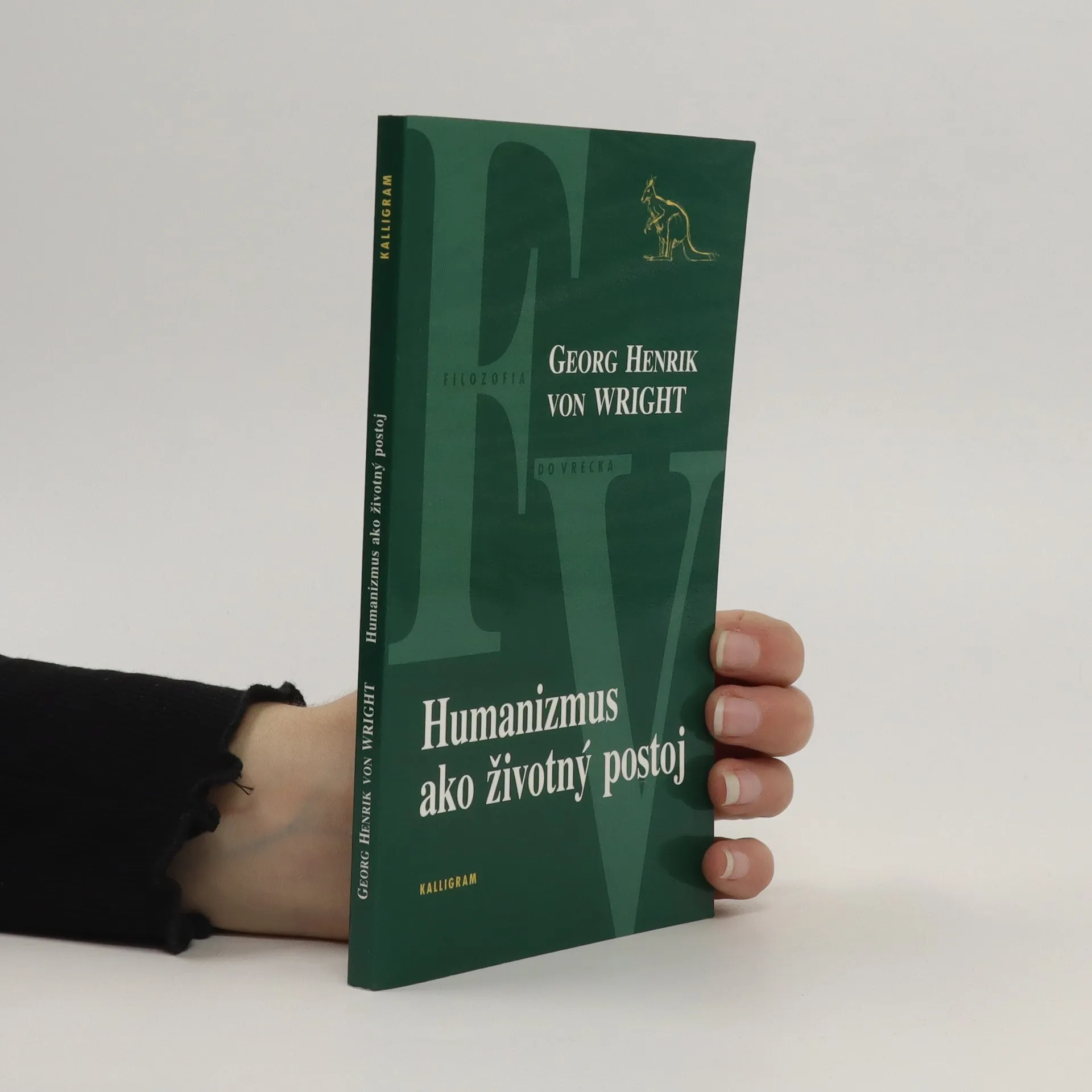
Tento žiak a nástupca Ludwiga Wittgensteina na poste profesora filozofie Cambridgeskej univerzity je známy nielen ako autor závažných prác z oblasti teórie poznania, ale aj ako editor zobraných Wittgensteinových spisov. V centre Wrightovho záujmu je problematika humanizmu, jeho miesta vo svete zmietanom krízami najrozmanitejšieho charakteru. Sám autor (1916 – 2003) charakterizoval svoje práce ako úsilie o „diagnózu nášho času“. Podhubím jeho uvažovania sú diela svetovej literatúry, historiografie i vlastné životné skúsenosti vo svete, ktorý ho obklopuje.
This volume distinguishes between two main traditions in the philosophy of science - the aristotelian, with its stress on explanation in terms of purpose and intentionality, and the galilean, which takes causal explanation as primary. It then traces the complex history of these competing traditions as they are manifested in such movements as positivism, idealism, Marxism and contemporary linguistic analysis. Hempels's theory of scientific explanation, the claims of cybernetics the rise of an analytic philosophy of action and the revival of hermenuetics are all discussed. The volume also deals with causal explanation, intentionality and teleological explanation, and explanation in history and the social sciences. The author concludes that explanation of human actions cannot be reduced to simple causality, and discusses the implications of this conclusion for the disciplines of history and sociology.