

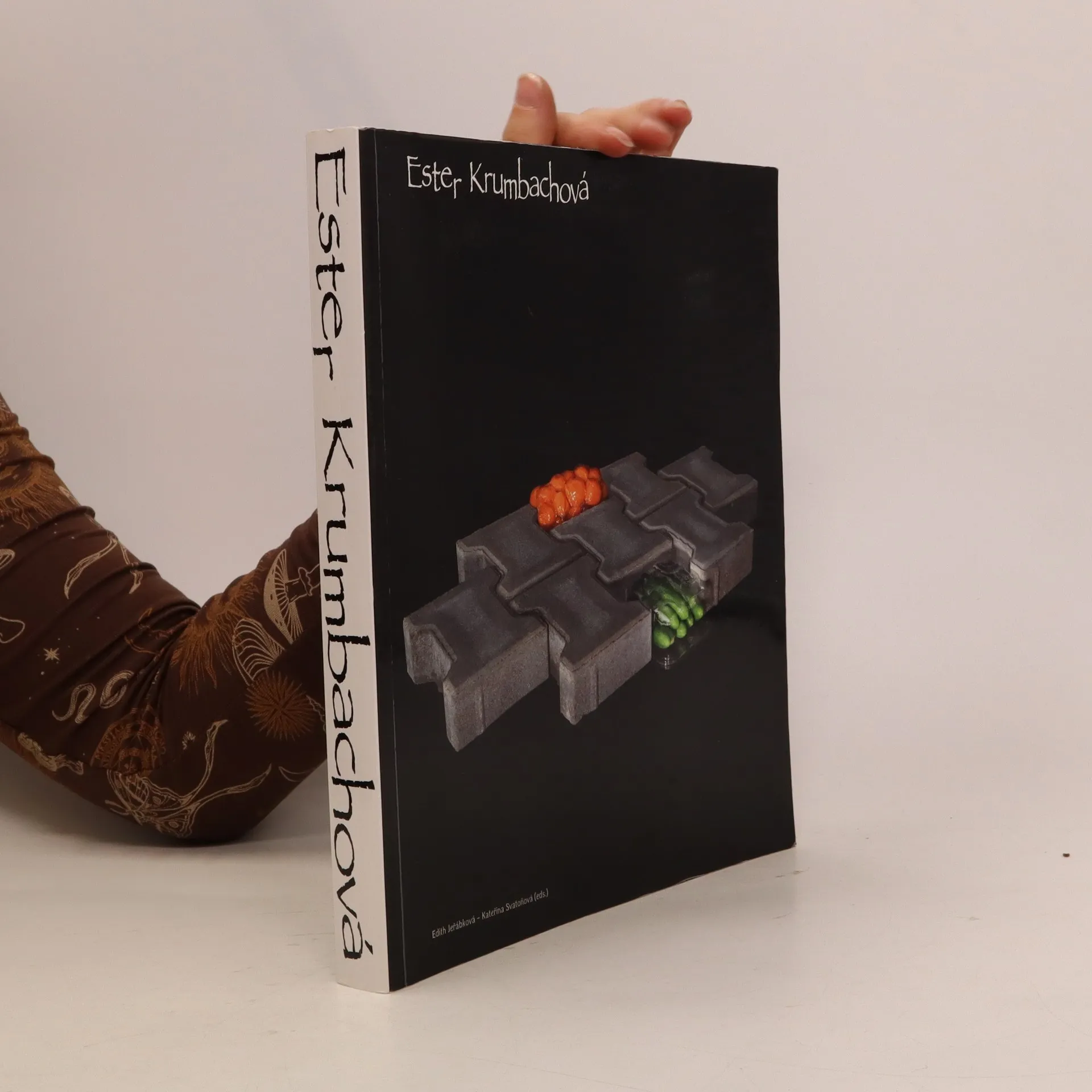
This publication is dedicated to Ester Krumbachová (1923–1996), a significant costume designer, screenwriter, writer, director, and artist. She collaborated with theater figures such as Miroslav Macháček, Ladislav Smoček, and Ivan Vyskočil, as well as filmmakers like Otakar Vávra, Věra Chytilová, Jan Němec, Karel Kachyňa, and Petr Václav. The aim of this work is a critical examination of the previously unknown legacy of Ester Krumbachová, her oeuvre, and themes that resonate into the present. The book consists of multiple layers, featuring scholarly and essayistic texts by both Czech and international specialists from various fields, alongside archival materials organized into thematic, loosely connected clusters. This rhizomatic structure closely reflects Krumbachová's own working methods and reveals her thoughts on directing, scenography, costume design, screenwriting, as well as on detail, active objects, color concepts, the symbiosis of film professions, magic, folklore, exoticism, realism, subjectivity, hierarchy, gender polarity, queerness, feminism, love and sexuality, food, and companionship.
Daniela Vránová Book order (chronological)
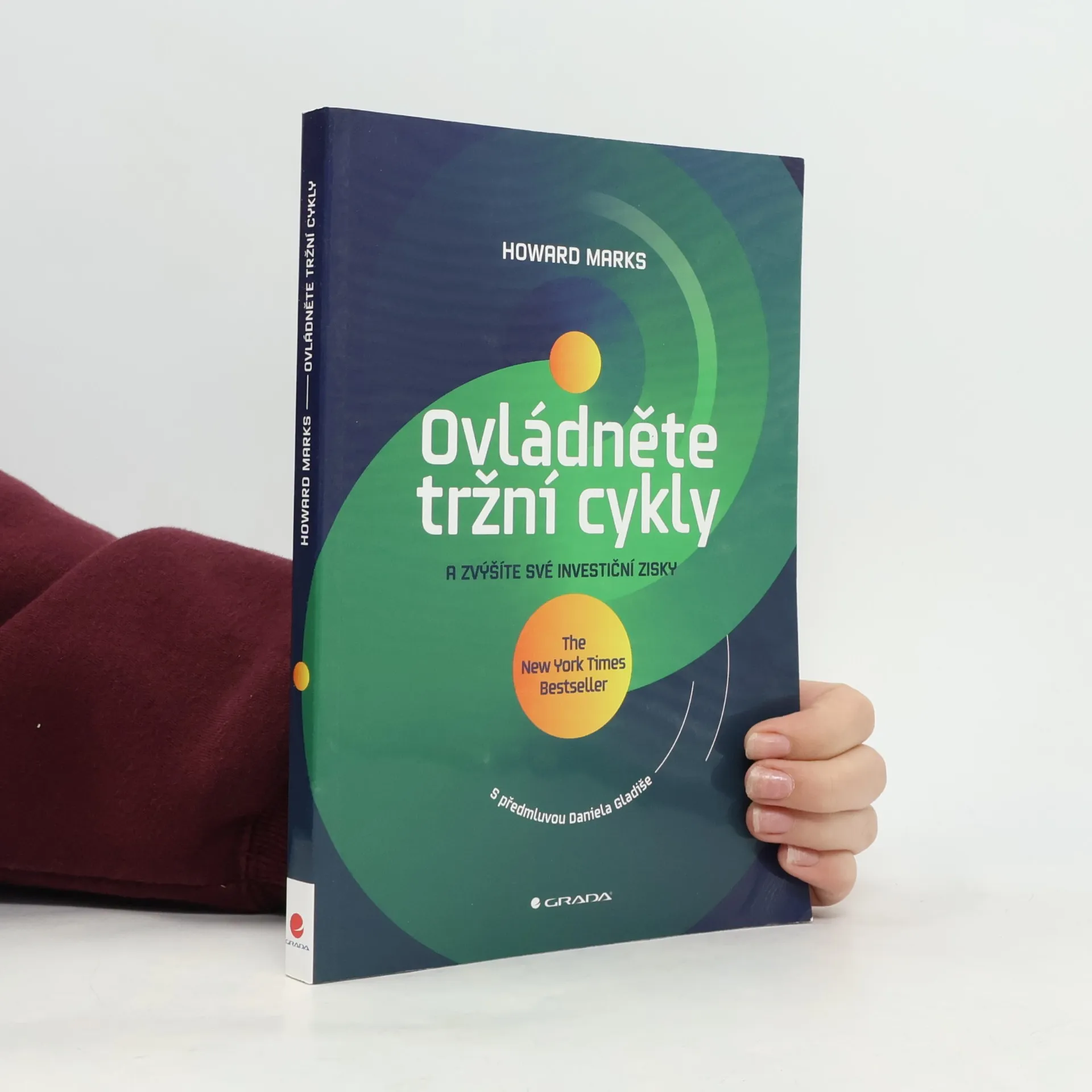
Ovládněte tržní cykly: A zvýšíte své investiční zisky
- 232 pages
- 9 hours of reading
Legendární investor ukazuje, jak identifikovat a ovládat cykly, které řídí trhy. Všichni víme, že trhy rostou a klesají, ale jak poznat, kdy ještě zůstat a kdy raději odejít? Odpověď není nikdy černá nebo bílá, ale hodně pochopíme důkladným pochopením rytmu těchto ekonomických cyklů. Vzestupy a pády ovlivňují nejen ekonomiku, trhy a společnosti, ale i lidskou psychologii a investiční chování. Pokud studujete minulé cykly, porozumíte jejich původu a zůstanete v pohotovosti pro další. Budete dobře naladěni na aktuální investiční prostředí a jeho změny a připraveni, zatímco jiné zaslepí neočekávané události a stanou se oběťmi emocí.
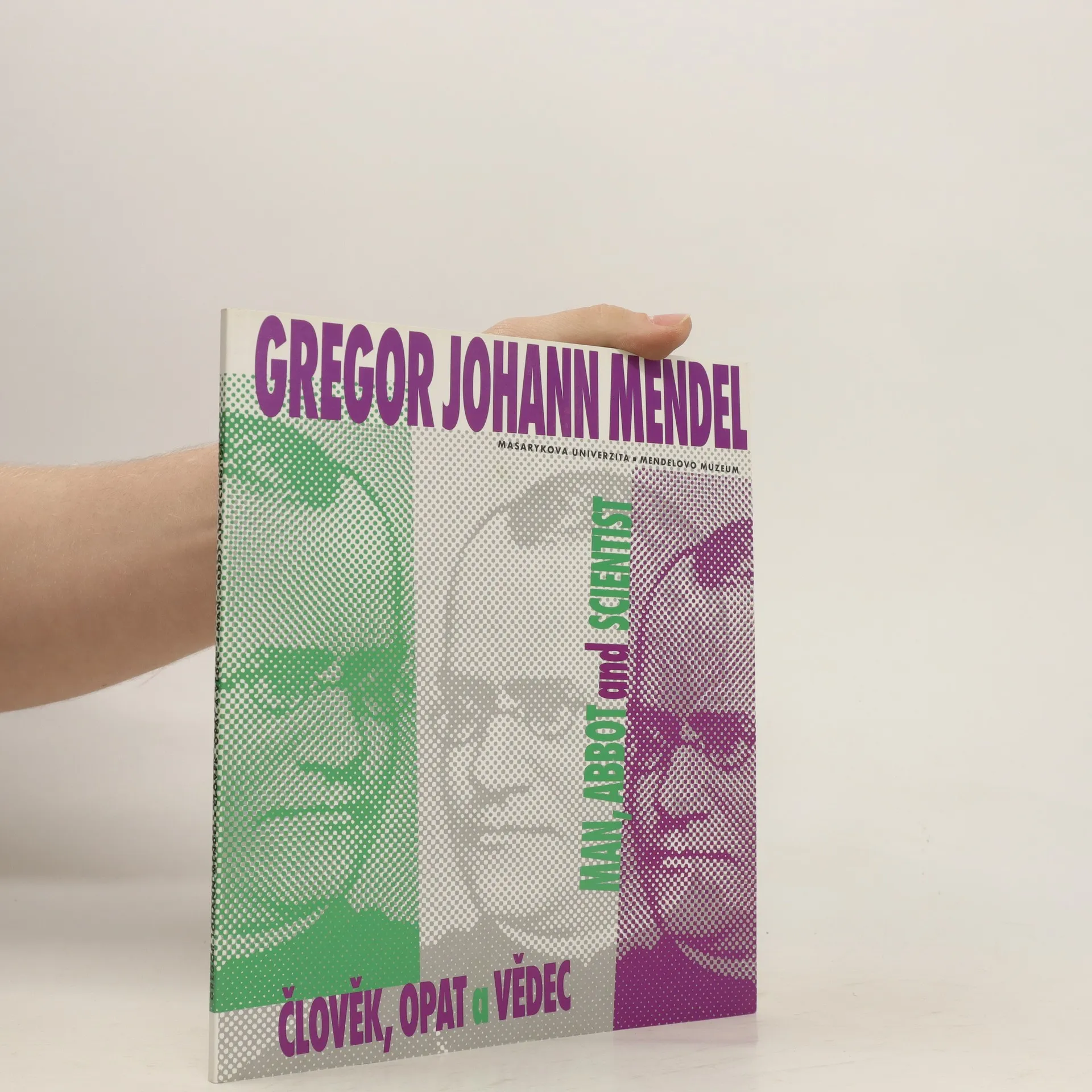
Gregor Johann Mendel - člověk, opat a vědec = Gregor Johann Mendel - man, abbot and scientist
- 72 pages
- 3 hours of reading
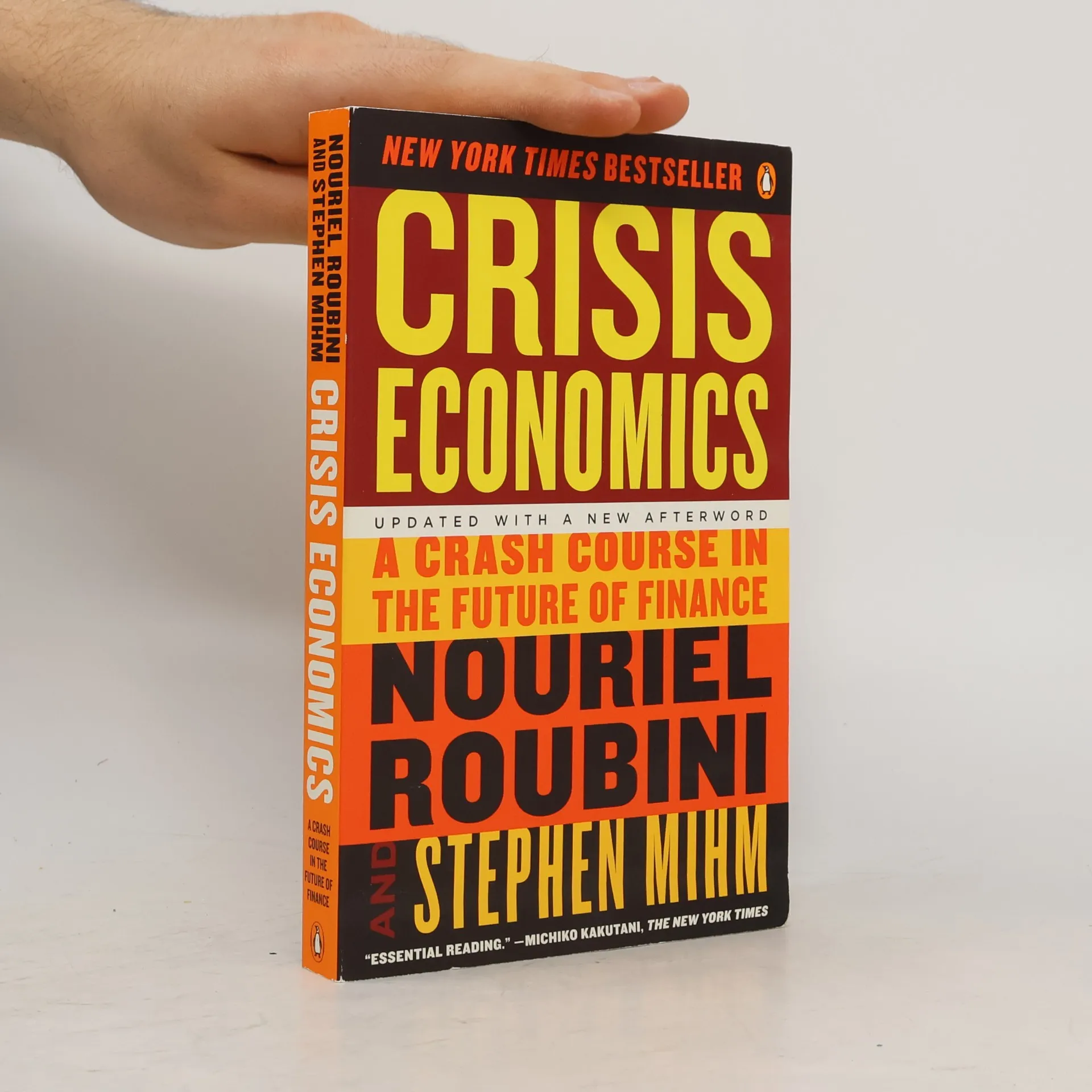
The New York Times bestseller "A succinct, lucid and compelling account . . . Essential reading." -Michiko Kakutani, The New York Times Renowned economist Nouriel Roubini electrified the financial community by predicting the 2008 crisis before others in his field saw it coming. This myth-shattering book reveals the methods he used to foretell the current crisis and shows how those methods can help us make sense of the present and prepare for the future. Using an unconventional blend of historical analysis with masterful knowledge of global economics, Nouriel Roubini and Stephen Mihm, a journalist and professor of economic history, present a vital and timeless book that proves calamities to be not only predictable but also preventable and, with the right medicine, curable.
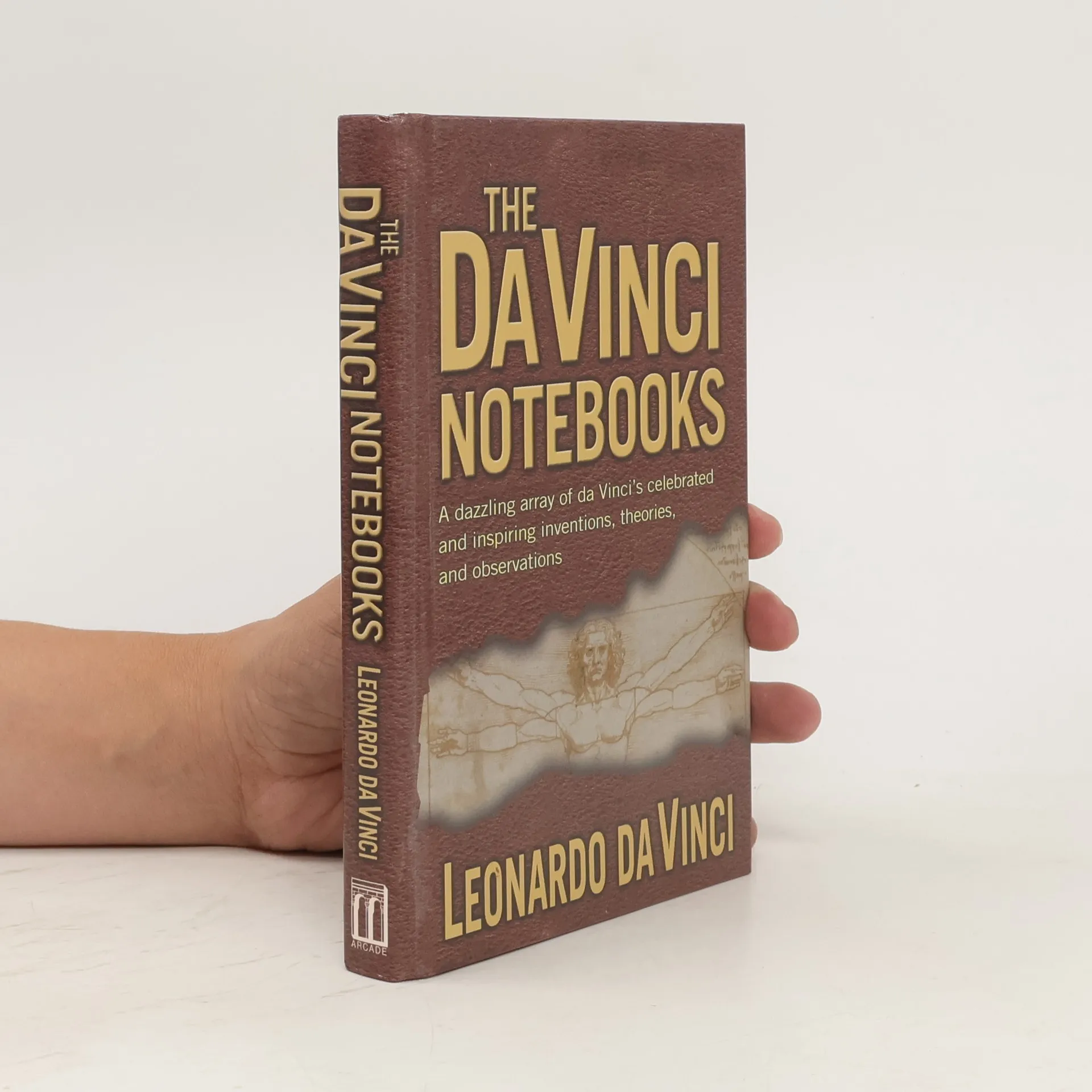
A selection of sketches, diagrams, and notebook writings by the Italian Renaissance master offers insight into his theories and observations as well as his role in period art, town planning, science, and philosophy