

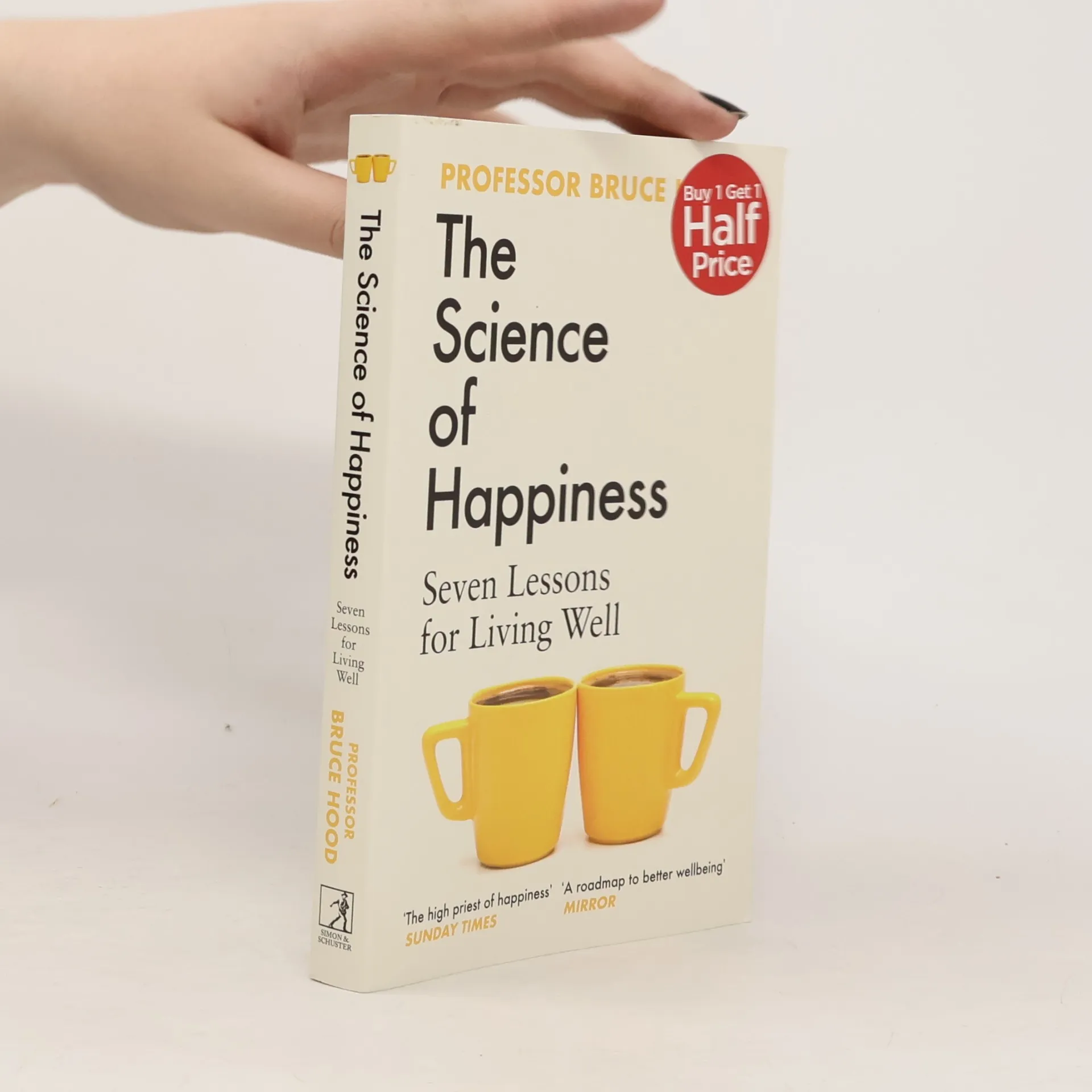
We all desire happiness, yet our minds often hinder us. When we become trapped in our thoughts, we fixate on our flaws, compare ourselves to others, and overlook the positives in our lives. A world-leading psychologist and happiness expert reveals that connection, not self-care, is the true key to happiness. Through seven transformative lessons, he guides us to break free from negative thought patterns and reconnect with what truly matters: Alter Your Ego, Avoid Isolation, Reject Negative Comparisons, Become More Optimistic, Control Your Attention, Connect With Others, and Get Out of Your Own Head. Drawing on decades of research in neuroscience and developmental psychology, this work presents a groundbreaking perspective on the roots of well-being and the barriers we face. With practical insights throughout, the author shows how we can leverage scientific findings to rewire our thinking and enhance our lives. Esteemed figures praise the book for its clear, valuable lessons and scientific backing, calling it a roadmap to better well-being and a comprehensive guide to understanding what genuinely fosters happiness.
Bruce M. Hood Books
This author delves into the intricate aspects of the human psyche, drawing inspiration from a personal fascination with infant visual development and academic research in psychology. Their writing is shaped by a life lived across diverse continents, reflecting a profound understanding of human behavior. With a touch of playful unpredictability, the author offers readers a distinctive perspective on the world.



Possessed
- 224 pages
- 8 hours of reading
"You may not believe it, but there is a link between our current political instability and your childhood attachment to teddy bears. There's also a reason why children in Asia are more likely to share than their Western counterparts and why the poor spend more of their income on luxury goods than the rich. Or why your mother is more likely to leave her money to you than your father. What connects these things? The answer is our need for ownership. Award-winning psychologist Bruce Hood draws on research from his own lab and others around the world to explain why this uniquely human preoccupation governs our behavior from the cradle to the grave, even when it is often irrational, and destructive. What motivates us to buy more than we need? Is it innate, or cultural? How does our urge to acquire control our behavior, even the way we vote? And what can we do about it? Timely, engaging, and persuasive, Possessed is the first book to explore how ownership has us enthralled in relentless pursuit of a false happiness, with damaging consequences for society and the planet - and how we can stop buying into it." --
The Self Illusion
- 368 pages
- 13 hours of reading
Wonderful. Illuminating. Full of insight, beauty and-humor."--David Eagleman, author of Incognito and Sum The Self Illusion is about the science of self-the truth behind the illusion that we all share, that we exist as individuals inside our bodies and are in control of our own thoughts and behaviours. Recent developments in neuroscience tell us that we consist of a multitude of unconscious mechanisms interpreting the world, yet we are largely under the influence of those around us. We are not the individuals we think we are. The truth-that our self is a narrative our brain creates-may startle those of us who fervently believe that we are in full control of who we are and what we do. Bruce Hood, a world-renowned expert on the brain, reaches deep into our evolutionary past to find out what makes us tick. He reveals fascinating original research about child development and ultimately takes us inside our own heads to explain how and why we act the way we do, even in the new frontier of Twitter and Facebook.The Self Illusion is a highly accessible, often entertaining and ultimately provocative book about the nature of you, yourself and I.
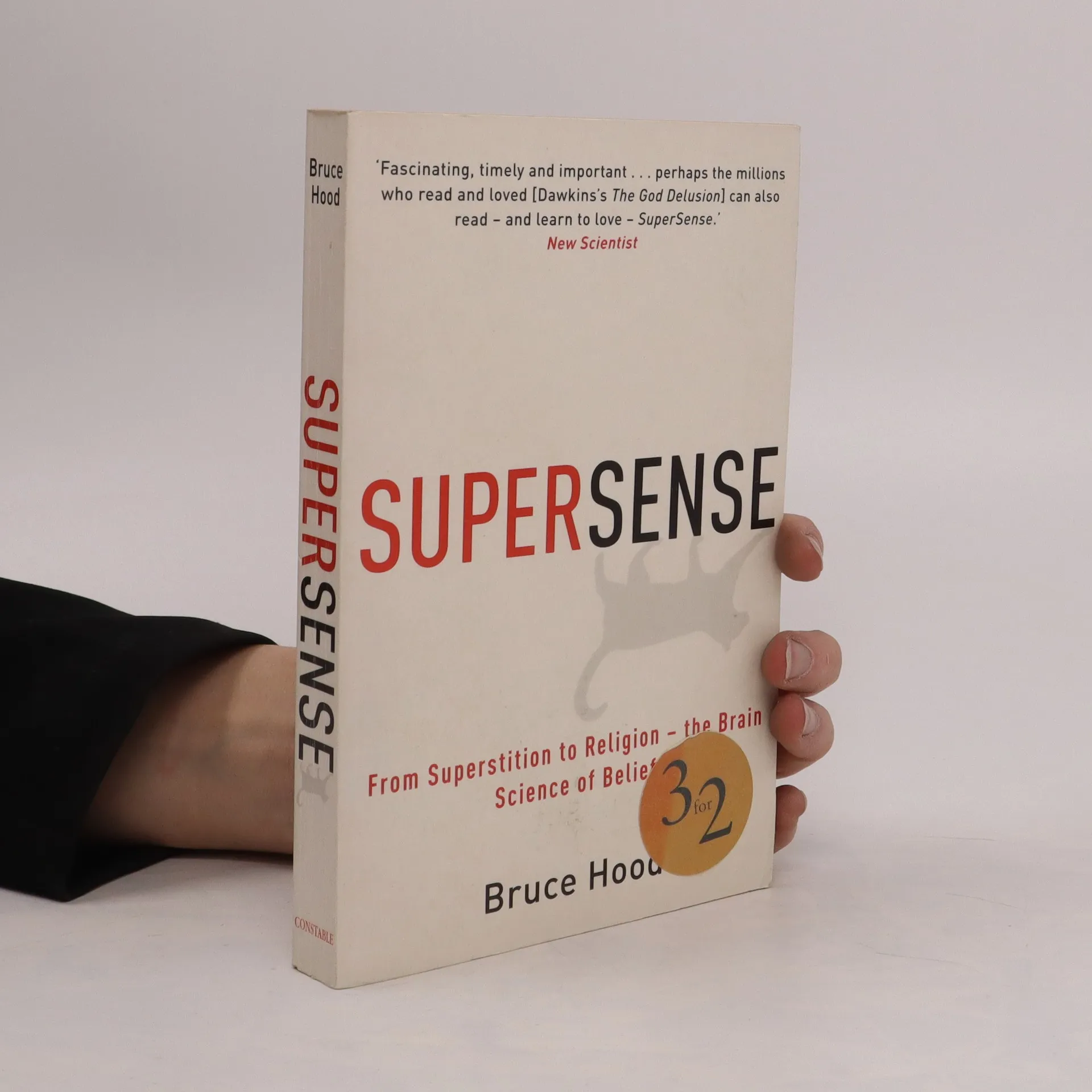
A fascinating and engaging examination of why we believe in the supernatural.