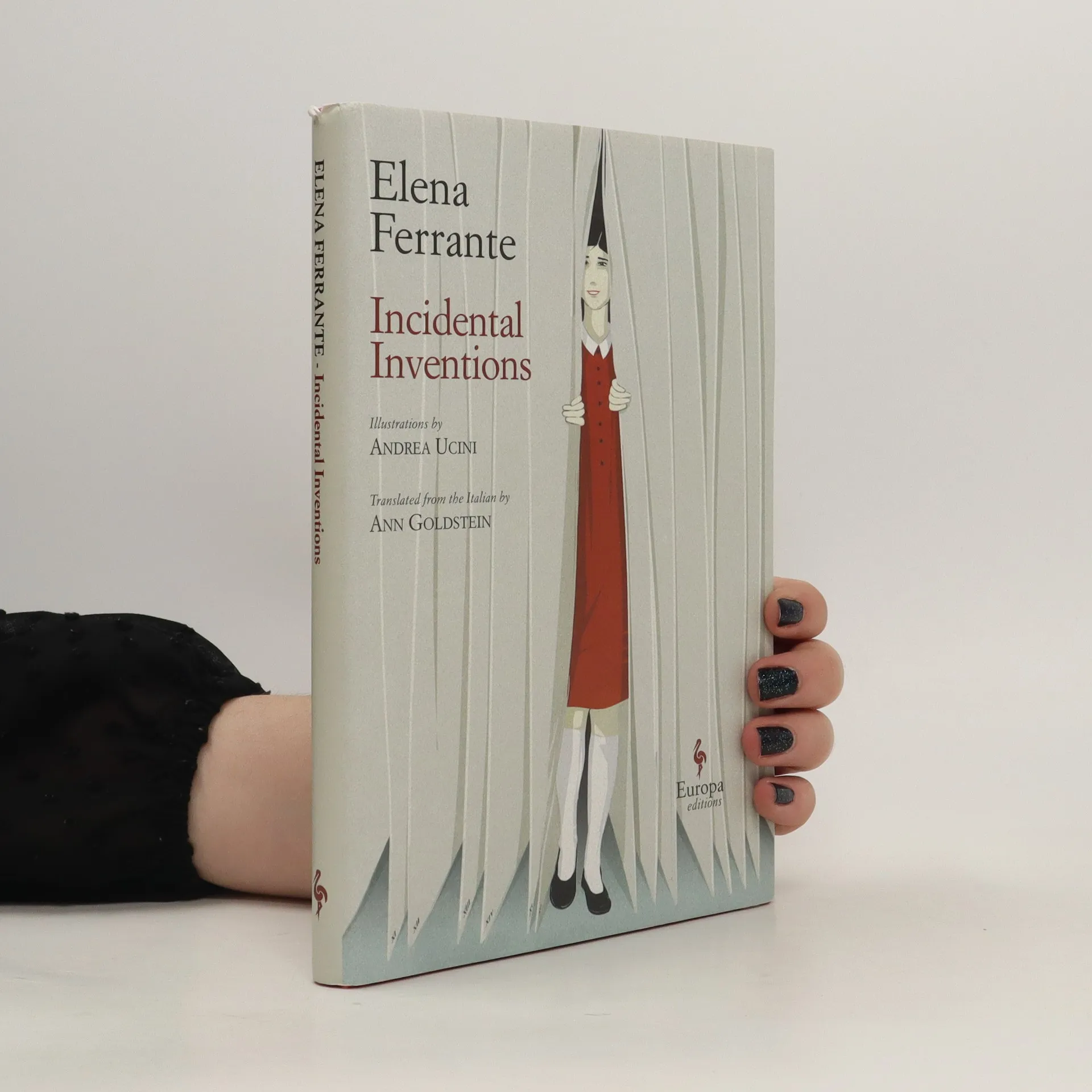
With these words, Elena Ferrante bid farewell to her year-long collaboration with the Guardian newspaper. For a full year, she wrote an article each week, the subjects of which had been suggested by Guardian editors, making the writing process a form of prolonged interlocution.
Set in Naples, Italy, this debut novel by New York Times bestselling author Elena Ferrante (My Brilliant Friend, The Days of Abandonment) tells a story about mothers and daughters and the complicated knot of lies, emotions, and shared history than binds them.Following her mother's untimely and mysterious death, Delia embarks on a voyage of discovery through the chaotic, suffocating streets of her native Naples in search of the truth about her family. A series of mysterious telephone calls leads her to compelling and disturbing revelations about her mother's final days.As the New York Times wrote about this novel, "the raging, torrential voice of the author is something rare." Troubling Love is indeed a rare look into the abiding preoccupations and obsessions that bring millions of readers all over the world to her fiction.
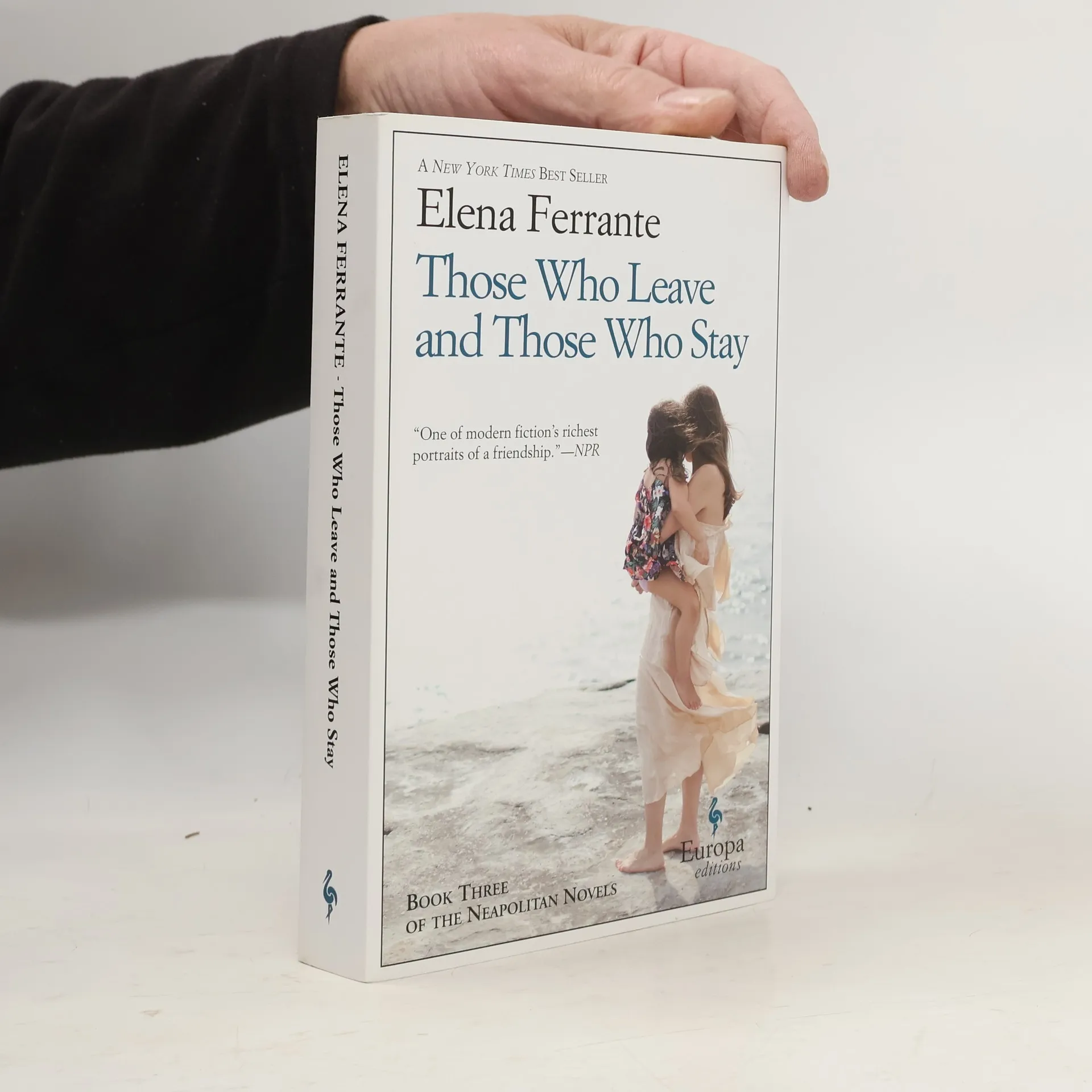
Since the publication of My Brilliant Friend, the first of the Neapolitan novels, Elena Ferrante's fame as one of our most compelling, insightful, and stylish contemporary authors has grown enormously. She has gained admirers among authors -- Jhumpa Lahiri, Elizabeth Strout, Claire Messud, to name a few --- and critics -- James Wood, John Freeman, Eugenia Williamson, for example. But her most resounding success has undoubtedly been with readers, who have discovered in Ferrante a writer who speaks with great power and beauty of the mysteries of belonging, human relationships, love, family, and friendship§In this third Neapolitan novel, Elena and Lila, the two girls whom readers first met in My Brilliant Friend, have become women. Lila married at sixteen and has a young son; she has left her husband and the comforts her marriage brought and now works as a common laborer. Elena has left the neighborhood, earned her college degree, and published a successful novel, all of which has opened the doors to a world of learned interlocutors and richly furnished salons. Both women have attempted are pushing against the walls of a prison that would have seen them living a life of misery, ignorance and submission. They are afloat on the great sea of opportunities that opened up during the nineteen-seventies. Yet they are still very much bound to each other by a strong, unbreakable bond
Filth (Failed in London, try Hong Kong) is a successful lawyer when he marries Elisabeth in Hong Kong soon after the War. Reserved, immaculate and courteous, Filth finds it hard to demonstrate his emotions. But Elisabeth is different - a free spirit. She was brought up in the Japanese Internment Camps, which killed both her parents but left her with a lust for survival and an affinity with the Far East. No wonder she is attracted to Filth's hated rival at the Bar - the brash, forceful Veneering. Veneering has a Chinese wife and an adored son - and no difficulty whatsoever in demonstrating his emotions ...How Elisabeth turns into Betty and whether she remains loyal to stolid Filth or is swept up by caddish Veneering, makes for a page-turning plot in a perfect novel which is full of surprises and revelations, as well as the humour and eccentricites for which Jane Gardam's writing is famous.
Mia is forced to reexamine her life when her husband puts their marriage on "pause" after thirty years. She returns to the prairie town of her childhood, and is drawn into the lives of those around her.
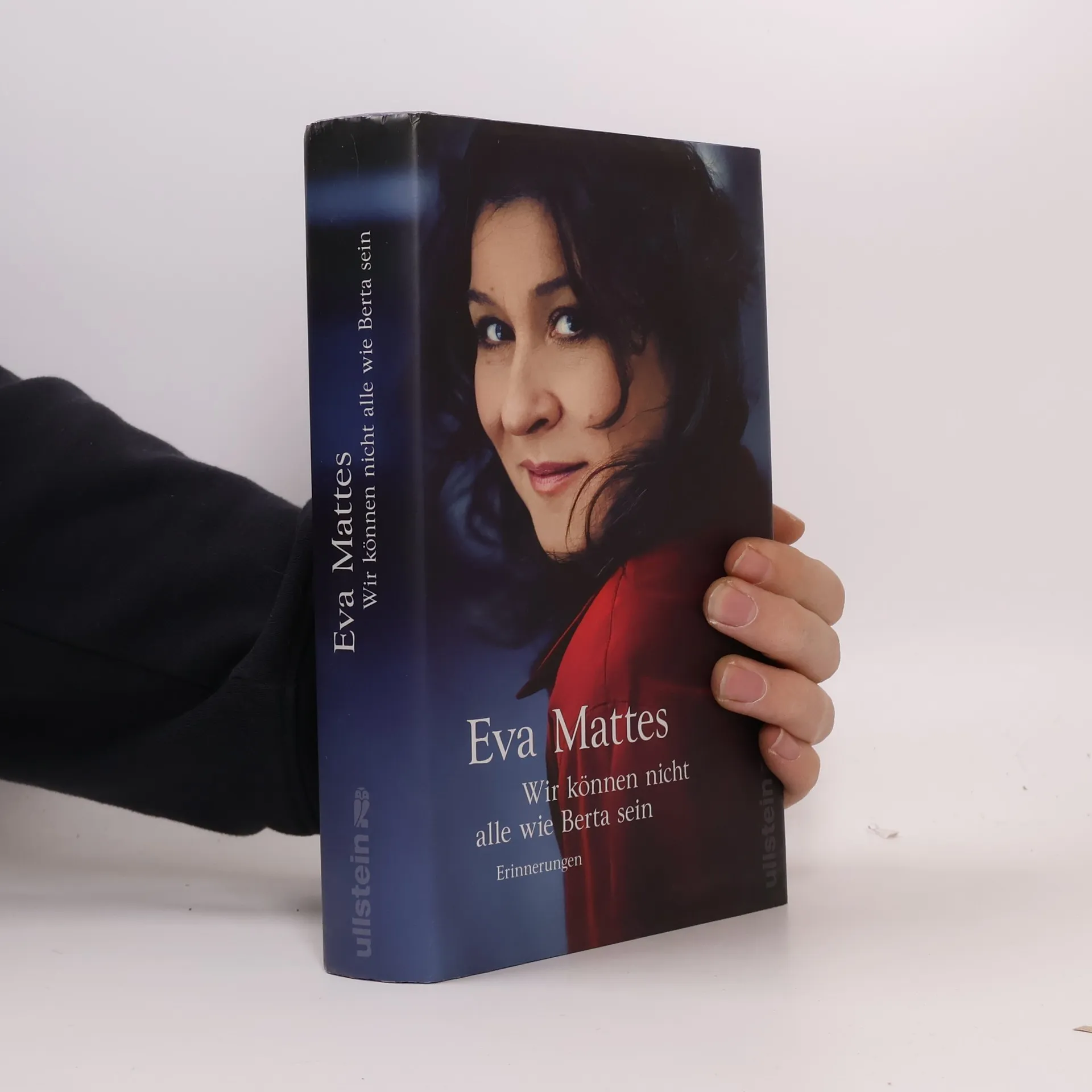
Tatort-Kommissarin, beliebte Theaterschauspielerin, Kultfigur des Neuen Deutschen Films: eine Frau, die zwischen den Rollen zu sich selbst findet.
Mit 13 ist sie die deutsche Stimme von Timmy aus der Fernsehserie Lassie. Mit 15 steht sie in Verhoevens Antikriegsfilm o. k. zum ersten Mal vor der Kamera. Mit 16 sorgt ihre Rolle in Wildwechsel für den ersten deutschen Fernsehskandal. Heute deckt sie als Konstanzer Tatort-Kommissarin Klara Blum spektakuläre Fälle im Dreiländereck auf. In ihrer Autobiographie erzählt Eva Mattes von Begegnungen mit Rainer Werner Fassbinder, Werner Herzog, Peter Zadek und anderen Größen aus Film und Theater. Ein sehr persönliches, intensives Buch und ein spannender Streifzug durch die deutsche Theater- und Filmgeschichte.
This gripping thriller—and profoundly spiritual journey—reveals the greatest story never told. A GRIPPING THRILLER AND A PROFOUND SPIRITUAL JOURNEY THAT REVEALS THE GREATEST STORY NEVER TOLD! Two thousand years ago, in the French Pyrenees, Mary Magdalene hid a gospel that contained her own version of the events and characters of the New Testament. Protected by supernatural forces, these sacred scrolls could be uncovered only by a special seeker, one who fulfills the ancient prophecy of l'attendue -- The Expected One. When journalist Maureen Paschal begins the research for a new book, she has no idea that she is stepping into an ancient mystery so secret, so revolutionary, that thousands of people have killed and died for it. As the eerie prophecy of The Expected One casts a shadow over her life and work, a long-buried family secret comes to light. Ultimately she, and the reader, come face-to-face with Jesus Christ, Mary Magdalene, John the Baptist, Judas, and Salome in the pages of a deeply moving new gospel, the life of Jesus as told by Mary Magdalene. CONTAINS NEW, UNPUBLISHED MATERIAL FROM THE ARQUES GOSPEL