

The clearest, most accessible explanation yet of the amazing world of quantum mechanics: a Duckworth contemporary classic, beautifully repackaged for our 125th anniversary
Anil Ananthaswamy Books
This author delves into the frontiers of science and our understanding of reality. Their work explores the intricacies of scientific knowledge and how we communicate it. Through their writing, they illuminate the fascinating world of science, inspiring readers to contemplate the concepts being discovered. Their approach is both analytical and accessible, allowing readers to appreciate the elegance of scientific ideas.


A scientific and globetrotting exploration of the physics experiments changing the ways we understand our universe bringing the science of cosmology down to earth.
Reveals the mind boggling neuroscience connecting brain, body, mind, and society, by examining a range of brain disorders, in the tradition of Oliver Sacks.
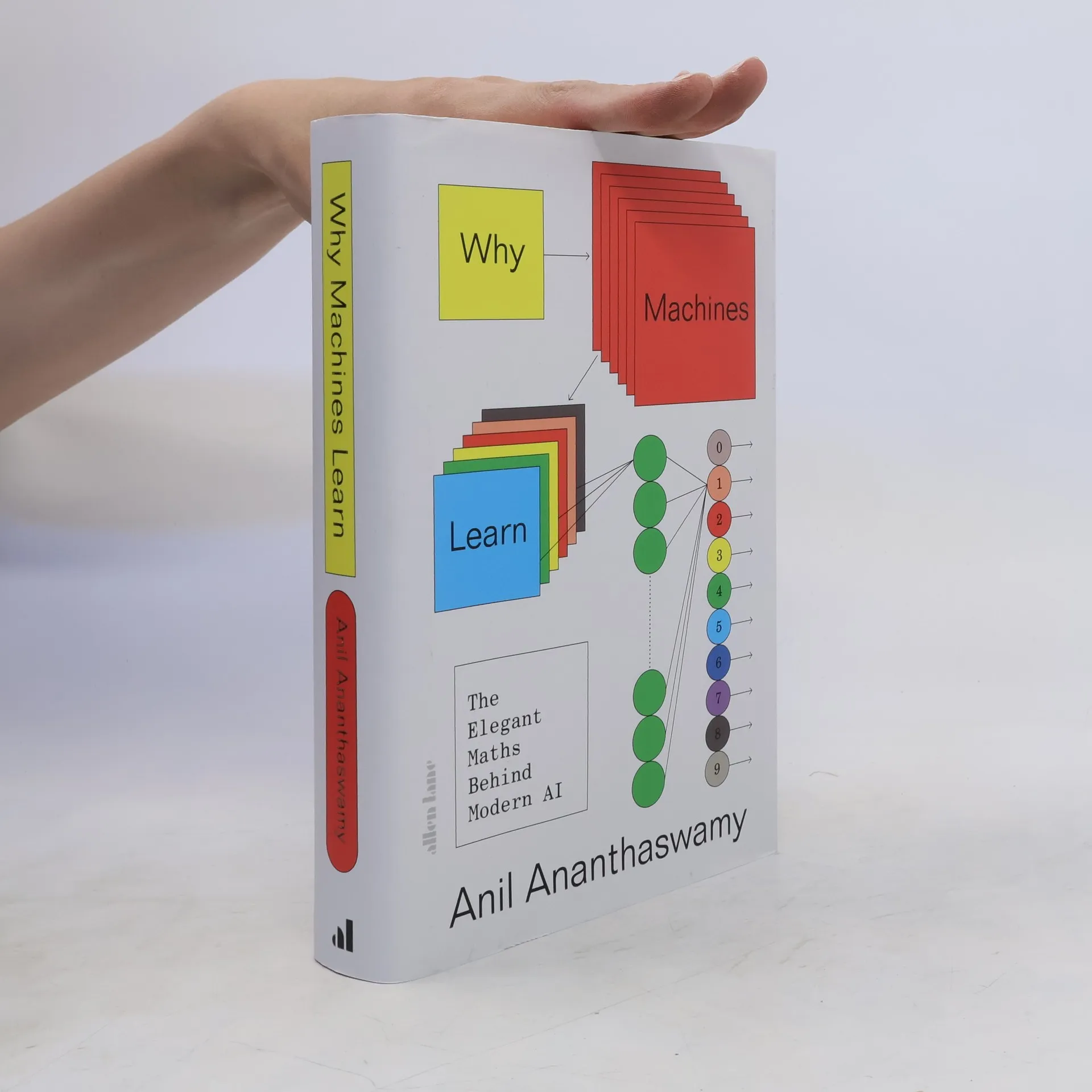
Machine-learning systems are making life-altering decisions for us: approving mortgage loans, determining whether a tumour is cancerous, or deciding whether someone gets bail. They now influence discoveries in chemistry, biology and physics - the study of genomes, extra-solar planets, even the intricacies of quantum systems. We are living through a revolution in artificial intelligence that is not slowing down. This major shift is based on simple mathematics, some of which goes back centuries: linear algebra and calculus, the stuff of eighteenth-century mathematics. Indeed by the mid-1850s, a lot of the groundwork was all done. It took the development of computer science and the kindling of 1990s computer chips designed for video games to ignite the explosion of AI that we see all around us today. In this enlightening book, Anil Ananthaswamy explains the fundamental maths behind AI, which suggests that the basics of natural and artificial intelligence might follow the same mathematical rules. As Ananthaswamy resonantly concludes, to make the most of our most wondrous technologies we need to understand their profound limitations - the clues lie in the maths that makes AI possible.
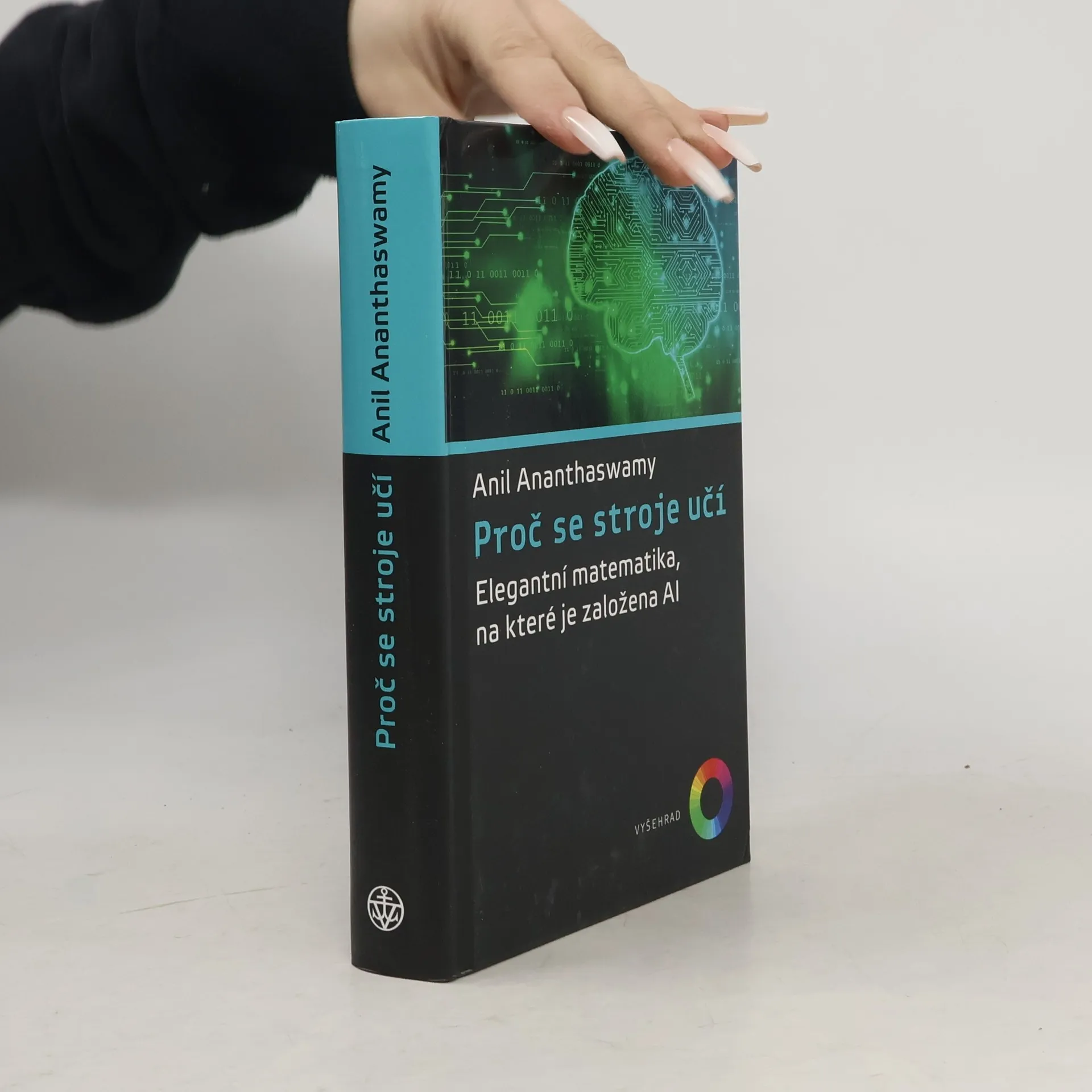
Proč se stroje učí: Elegantní matematika, na které je založena AI
- 440 pages
- 16 hours of reading
Principy strojového učení, na kterých stojí umělá inteligence Systémy založené na strojovém učení za nás dělají životně důležitá rozhodnutí: schvalují hypotéky, určují, zda je nádor zhoubný, nebo rozhodují o tom, jestli bude člověk propuštěn na kauci. Ovlivňují vývoj a objevy v chemii, biologii a fyzice – výzkum genomu, planet mimo sluneční soustavu i záludností kvantových systémů. To vše dělaly už předtím, než se na scéně objevily velké jazykové modely jako například ChatGBT. Přímo před našima očima probíhá revoluce umělé inteligence založené na strojovém učení a nezdá se, že by zpomalovala. Tato technologie je založená na poměrně jednoduchých matematických principech, některé z nich sahají hluboko do minulosti jako například lineární algebra a kalkulus, s kterými přišla matematika v 17. a 18. století. K překotnému rozvoji umělé inteligence, jehož jsme svědky, však byl zapotřebí ještě pokrok ve výpočetní technice a počítačové čipy, které byly v 90. letech 20. století vyvinuty pro počítačové hry. Anil Ananthaswamy v této knize velice zasvěceným způsobem vysvětluje základní matematiku za strojovým učením a vede zajímavé paralely mezi umělou a přirozenou inteligencí. Je možné, že obě stojí na stejných matematických základech?