
Explore the latest books of this year!
Bookbot

Jan Plamper

    Jan Plamper's scholarship delves into Russian history, with a particular focus on the history of emotions. His work critically examines how emotions are constructed and experienced within Russian culture and society. He explores the nuanced ways affect and feeling shape historical narratives and social dynamics.

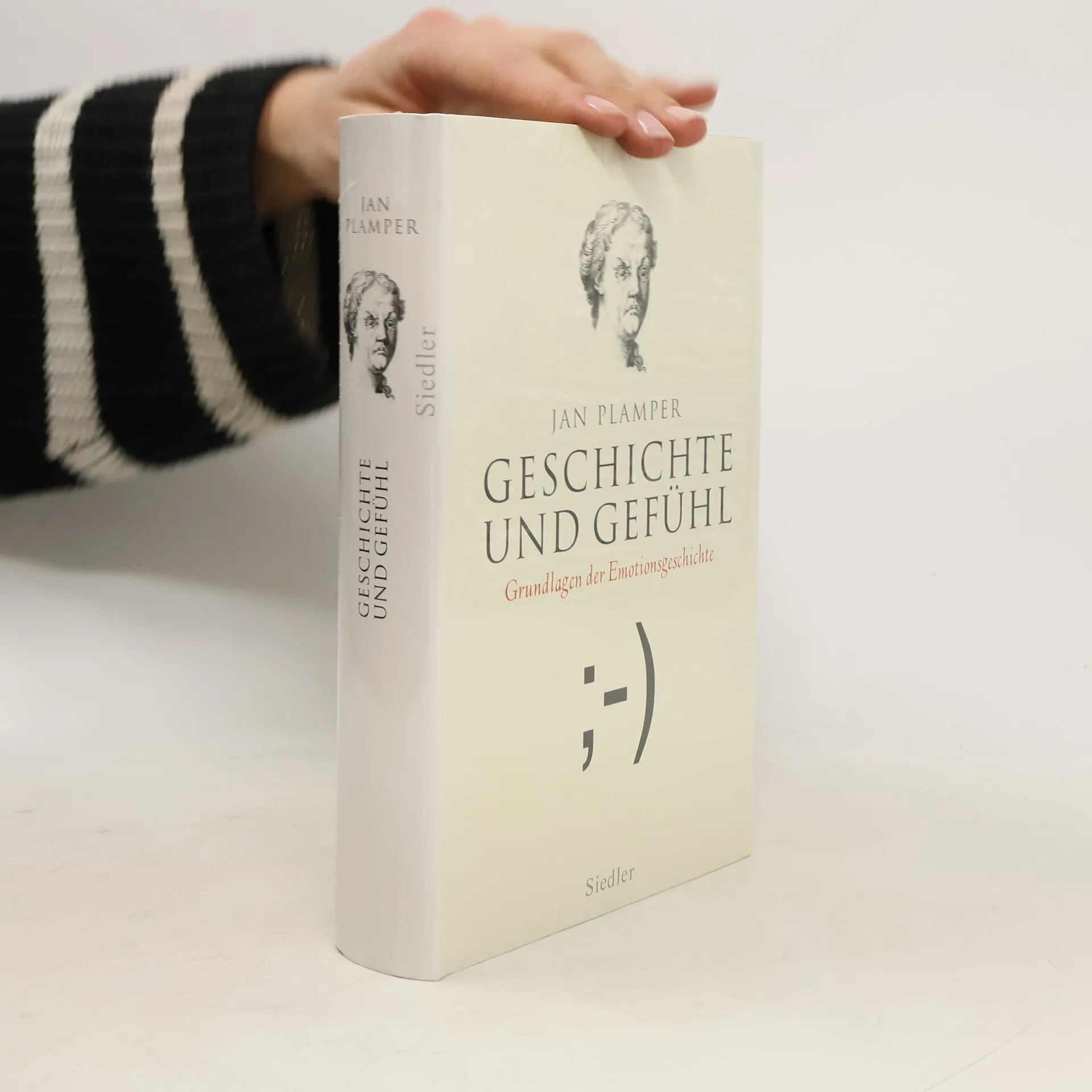
    Geschichte und Gefühl
    Kult Stalina
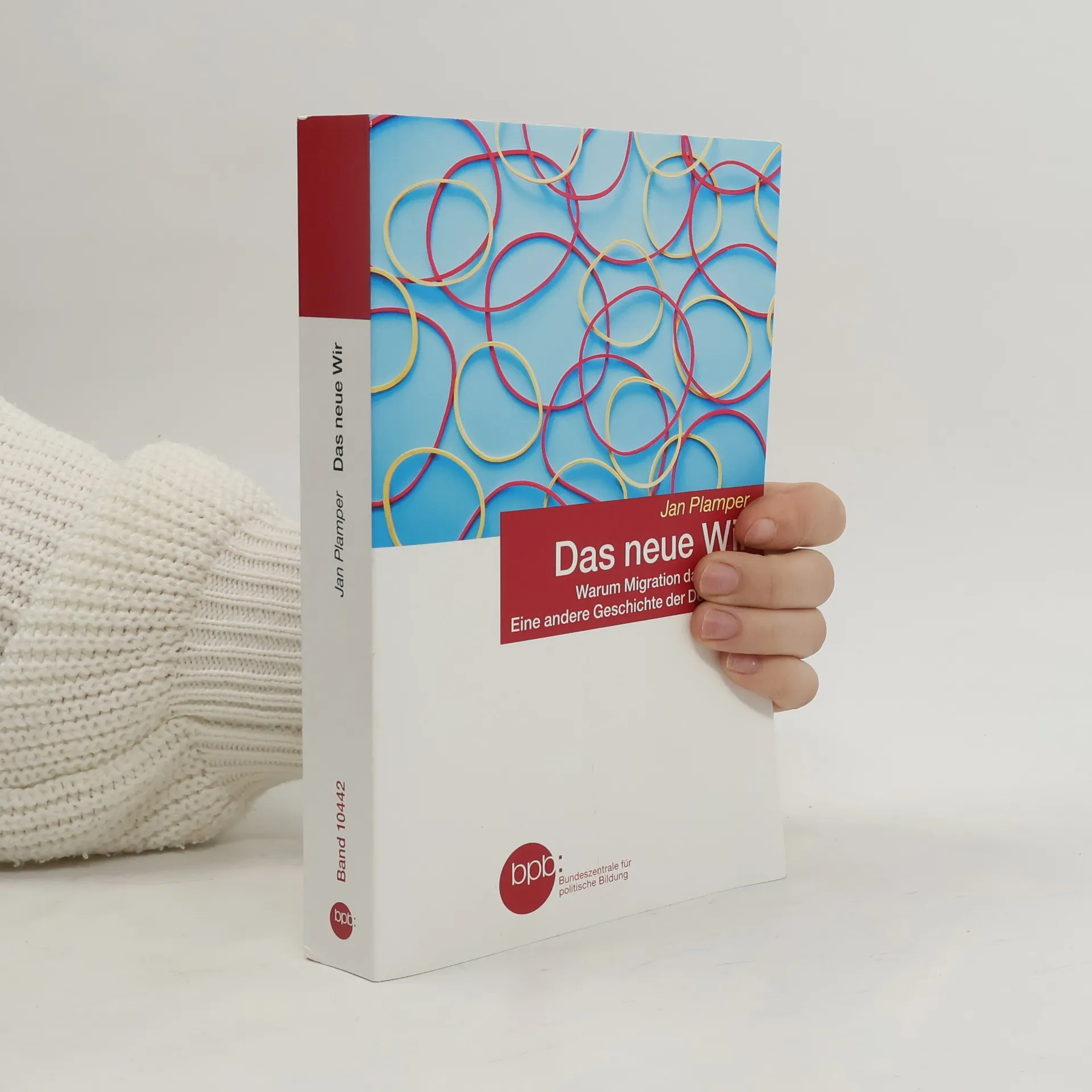
    We Are All Migrants
    The Stalin Cult. A Study in The Alchemy of Power
    The History of Emotions
    • Between the late 1920s and the early 1950s, one of the most persuasive personality cults of all times saturated Soviet public space with images of Stalin. A torrent of portraits, posters, statues, films, plays, songs, and poems galvanized the Soviet population and inspired leftist activists around the world. In the first book to examine the cultural products and production methods of the Stalin cult, Jan Plamper reconstructs a hidden history linking artists, party patrons, state functionaries, and ultimately Stalin himself in the alchemical project that transformed a pock-marked Georgian into the embodiment of global communism. Departing from interpretations of the Stalin cult as an outgrowth of Russian mysticism or Stalin's psychopathology, Plamper establishes the cult's context within a broader international history of modern personality cults constructed around Napoleon III, Mussolini, Hitler, and Mao. Drawing upon evidence from previously inaccessible Russian archives, Plamper's lavishly illustrated and accessibly written study will appeal to anyone interested in twentieth-century history, visual studies, the politics of representation, dictator biography, socialist realism, and real socialism.

      The Stalin Cult. A Study in The Alchemy of Power
    • We Are All Migrants is the first narrative history of multicultural Germany, told through life-stories, charting the groups and waves of post-1945 migration to Germany, West and East, and showing that the story of immigration to Germany is a success story.

      We Are All Migrants
    • Wybitna książka o radzieckiej propagandzie, drobiazgowy obraz sztuki w służbie polityki. Dlaczego miliony radzieckich obywateli nigdy nie widziało Stalina osobiście, ale byli pewni, że go 'widzieli'! Jan Plamper zrekonstruował i zanalizował niemal alchemiczny proces z udziałem artystów, aparatu partyjnego, funkcjonariuszy państwowych i samego Stalina, który zmienił dziobatego Gruzina w symbol światowego komunizmu. Jaki wpływ na kult Stalina miało traktowanie Napoleona III we Francji, Mussoliniego we Włoszech, czy Piłsudskiego w Polsce? Na ile fenomen Stalina wyrastał z rosyjskiej tradycji władzy (Tak, potrzebna nam republika, ale z dobrym carem na czele! – powiedział brytyjskiemu ambasadorowi młody rewolucjonista). Do jakiego stopnia wzorem dla apologetów Stalina była tak zwana „leniniada”, czyli pośmiertny kult Lenina? W jaki sposób Stalin sankcjonował, kontrolował, cenzurował i korygował świadectwa swojego kultu? Wreszcie: kto i jak je wytwarzał?

      Kult Stalina
    • Geschichte und Gefühl

      • 477 pages
      • 17 hours of reading

      Über die Macht der Emotionen von der Antike bis in unsere Zeit Wie verändern sich Moral und Ehre im Laufe der Zeit, was bedeutet Vertrauen in der Wirtschaftsgeschichte, was richtete die sprichwörtliche »German Angst« im 20. Jahrhundert an, und wieso befinden wir uns im sogenannten therapeutischen Zeitalter? Gefühle schreiben Geschichte, sie bestimmen Macht und Politik. Triebe, Affekte und Leidenschaften sind kulturspezifi sch, zeitlichem Wandel unterworfen und für den Lauf der Geschichte von immenser Bedeutung. Wenn Menschen lieben oder hassen, wenn sie ehrgeizig, rachsüchtig oder stolz sind, wenn sie Freude, Mitleid, Zorn oder Schuld empfinden – dann hat das Einfluss auf ihr Handeln. Diese scheinbar banale Erkenntnis eröffnet völlig neue Perspektiven auf vergangene Zeiten und ihre Auswirkungen auf die Gegenwart. Gut erzählt und mit zahlreichen Beispielen aus der Vergangenheit führt Jan Plampers Buch in das boomende Forschungsgebiet der Emotionsgeschichte ein. Zugleich warnt er vor voreiligen Schlüssen und leichtfertigen Anleihen bei den Neurowissenschaften, die viele aktuelle Debatten – wie zum Beispiel die Frage nach der Willensfreiheit – bestimmen.

      Geschichte und Gefühl