Owen Jones was a Welsh architect and design theorist who pioneered modern color theory. His work, drawing heavily on Islamic art, championed bold theories of flat patterning and abstraction in ornament. Jones was a fervent advocate for a unique nineteenth-century modern style, distinct from prevailing Neoclassicism and Gothic Revival aesthetics. His seminal publications and influence on the formation of the Victoria and Albert Museum cemented his legacy as a pivotal figure in design history.
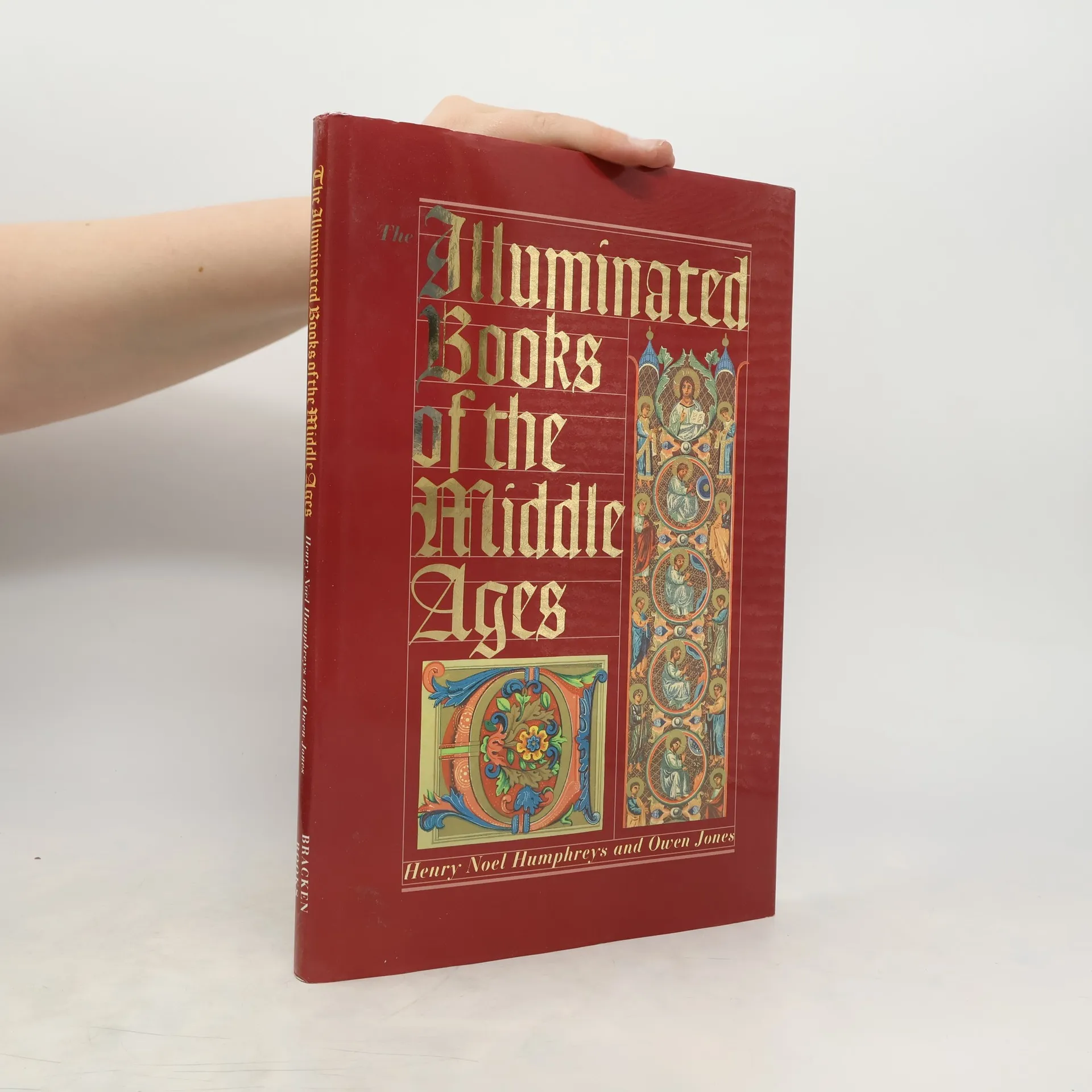
An Account of the Development and Progress of the Art of Illumination, as a Distinct Branch of Pictorial Ornamentation, from the IVth to the XVIIth Centuries
Includes material on the Taliban insurgency, the Musharraf years, the return
and subsequent assassination of Benazir Bhutto, and the unlikely election as
president of Asif Ali Zardari.
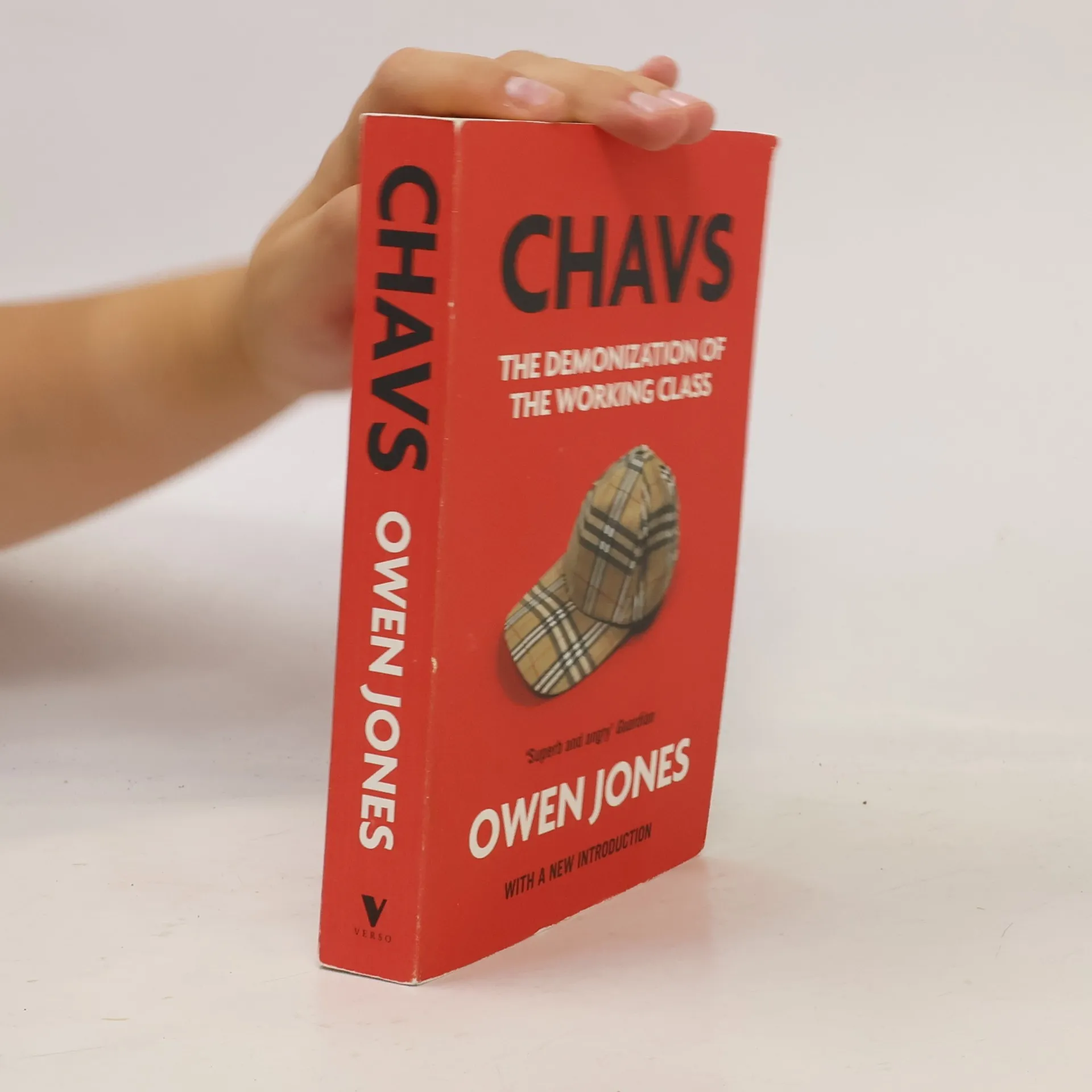
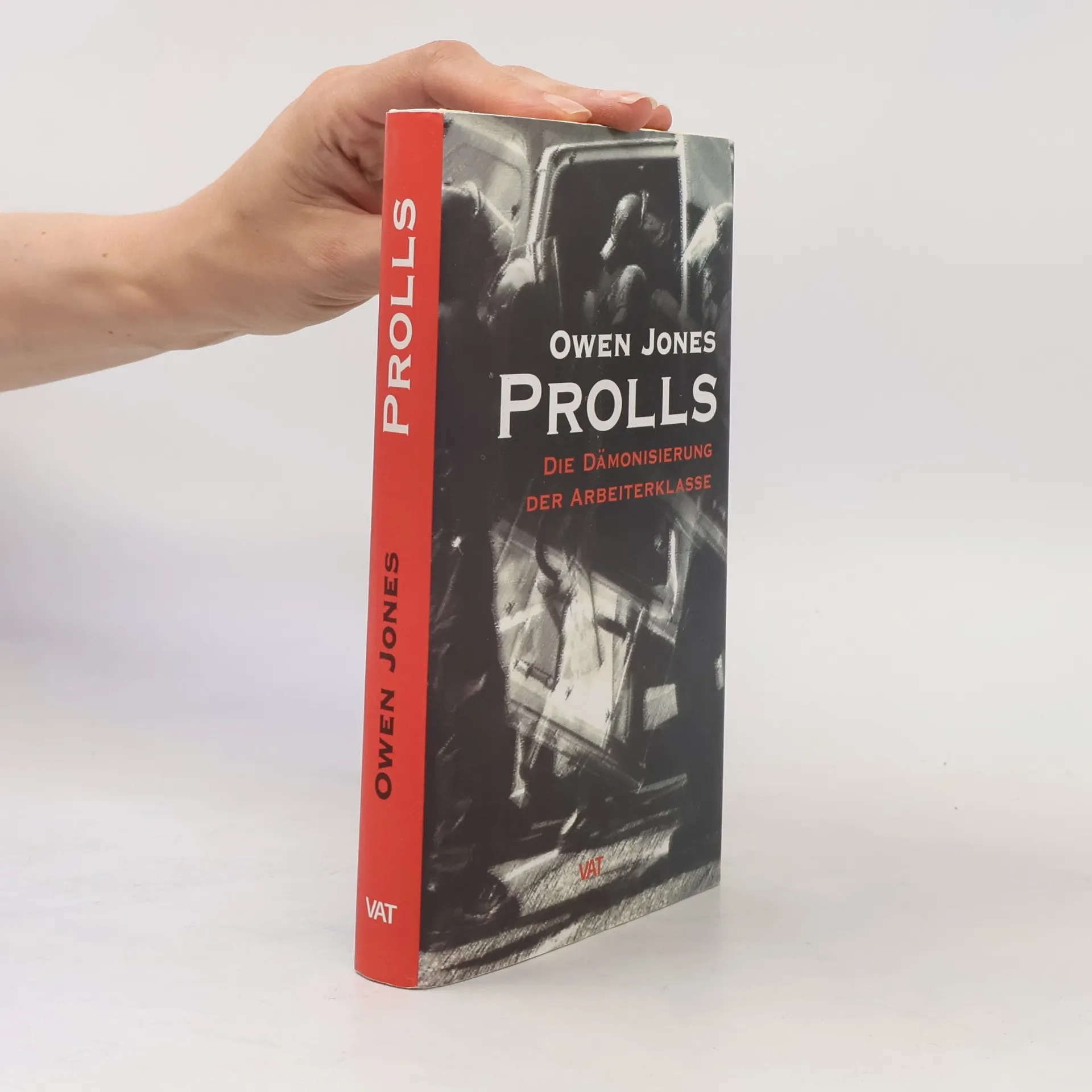
In modern Britain, the working class is often viewed with fear and ridicule, exemplified by media portrayals like Little Britain's Vicky Pollard and the demonization of Jade Goody. This demographic is frequently labeled as feckless and criminalized, reduced to the derogatory term "chavs." In a groundbreaking investigation, Owen Jones delves into the transformation of the working class from being seen as the "salt of the earth" to the "scum of the earth." He exposes the ignorance and prejudice behind the chav stereotype, which stems from the media's fixation on a marginalized white underclass. Through his exploration of Westminster and communities from Dagenham to Dewsbury Moor, Jones highlights the escalating poverty and desperation resulting from significant social and industrial changes, compounded by the neglect of policies from Thatcherism and New Labour. He argues that the chav stereotype serves as a convenient excuse for governments to evade genuine engagement with pressing social and economic issues, thereby justifying increasing inequality. Drawing on original research and interviews with media figures, political influencers, and workers, this work critiques the media and political establishment while providing a disturbing portrait of inequality and class hatred in contemporary Britain.
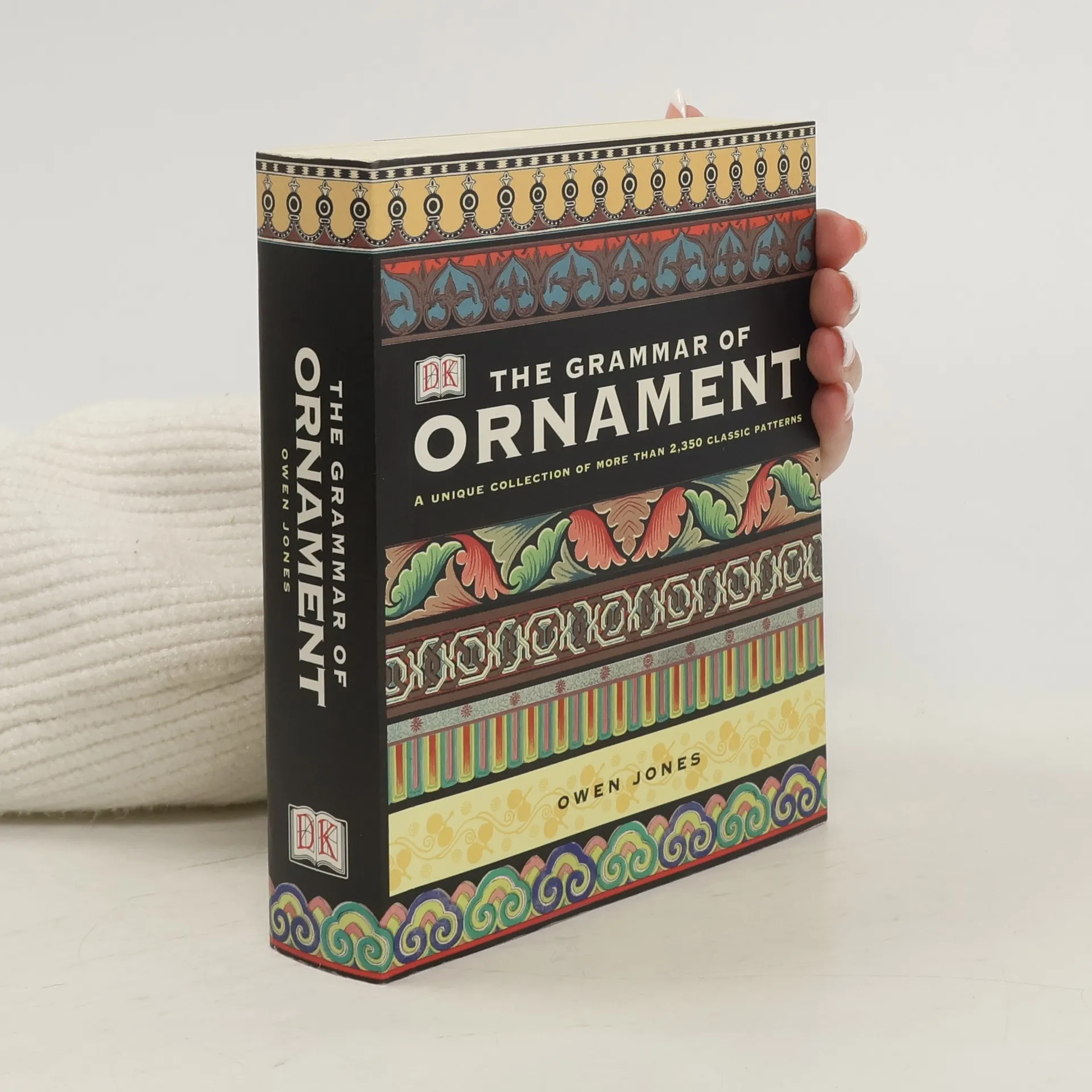
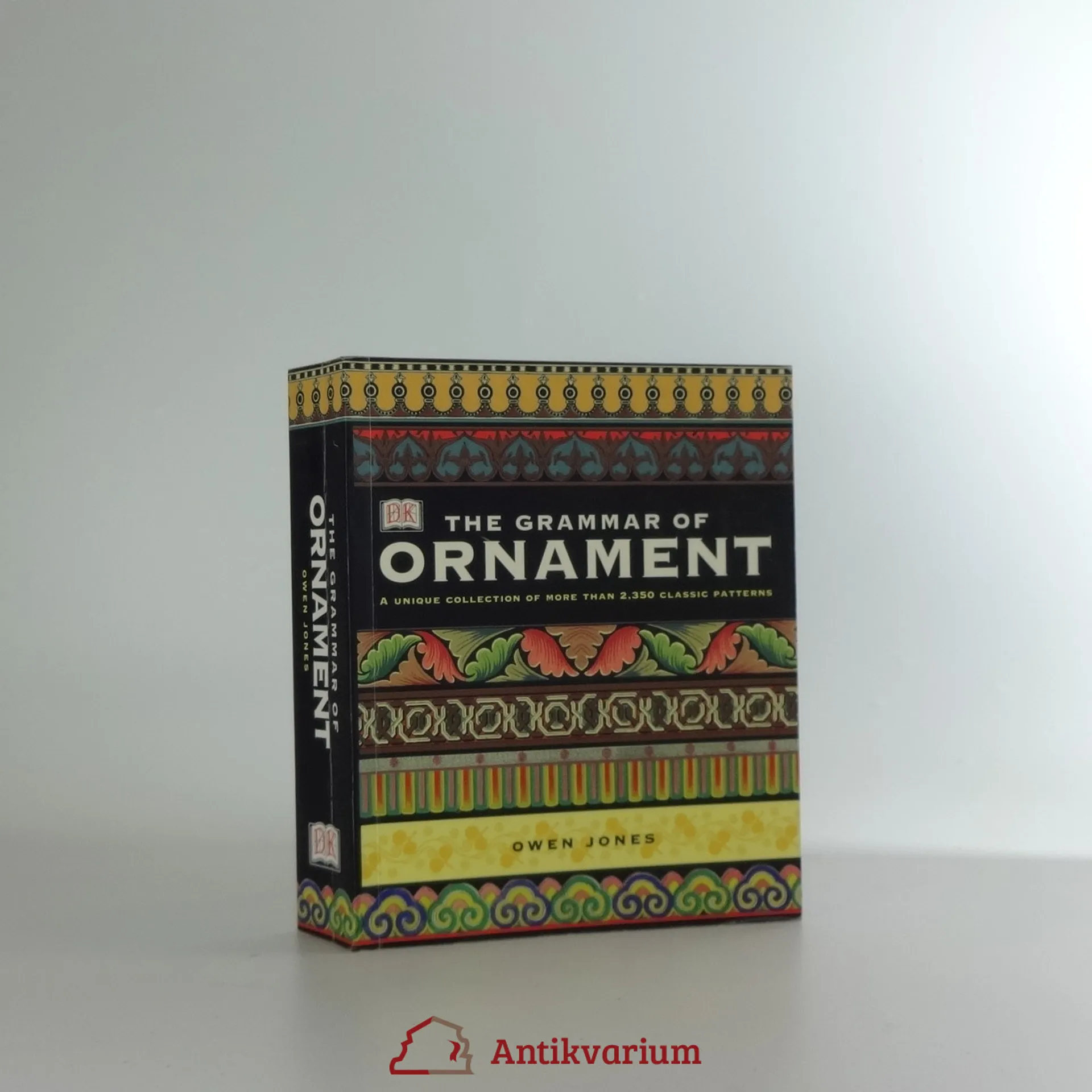
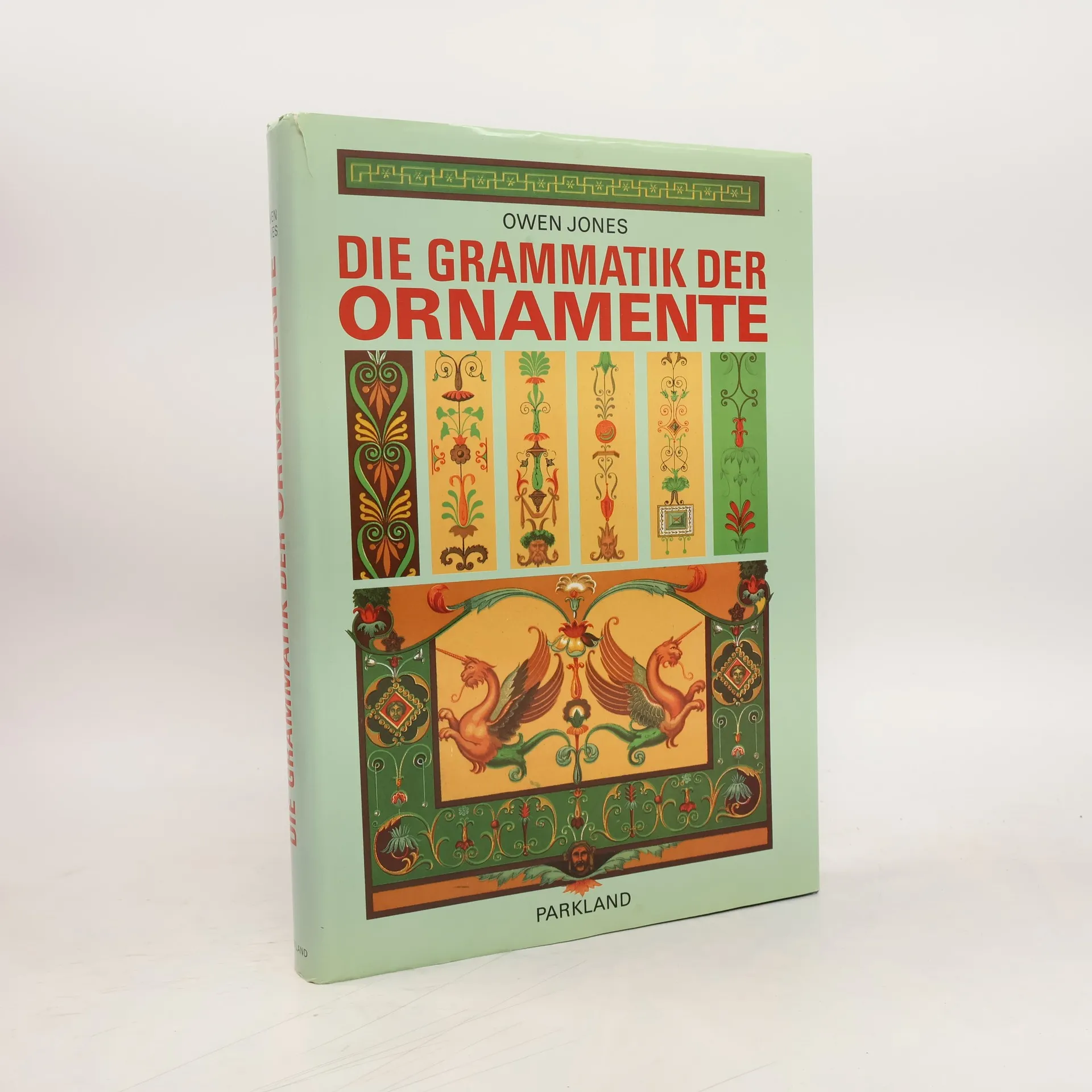
First published in 1856, this re-issue includes the complete text and fine artworks from the original book. All styles of ornamental decoration are covered: Egyptian, Persian, Greek, Roman, Indian, Chinese. It also contains the Manifesto of Design that inspired design greats like William Morris.
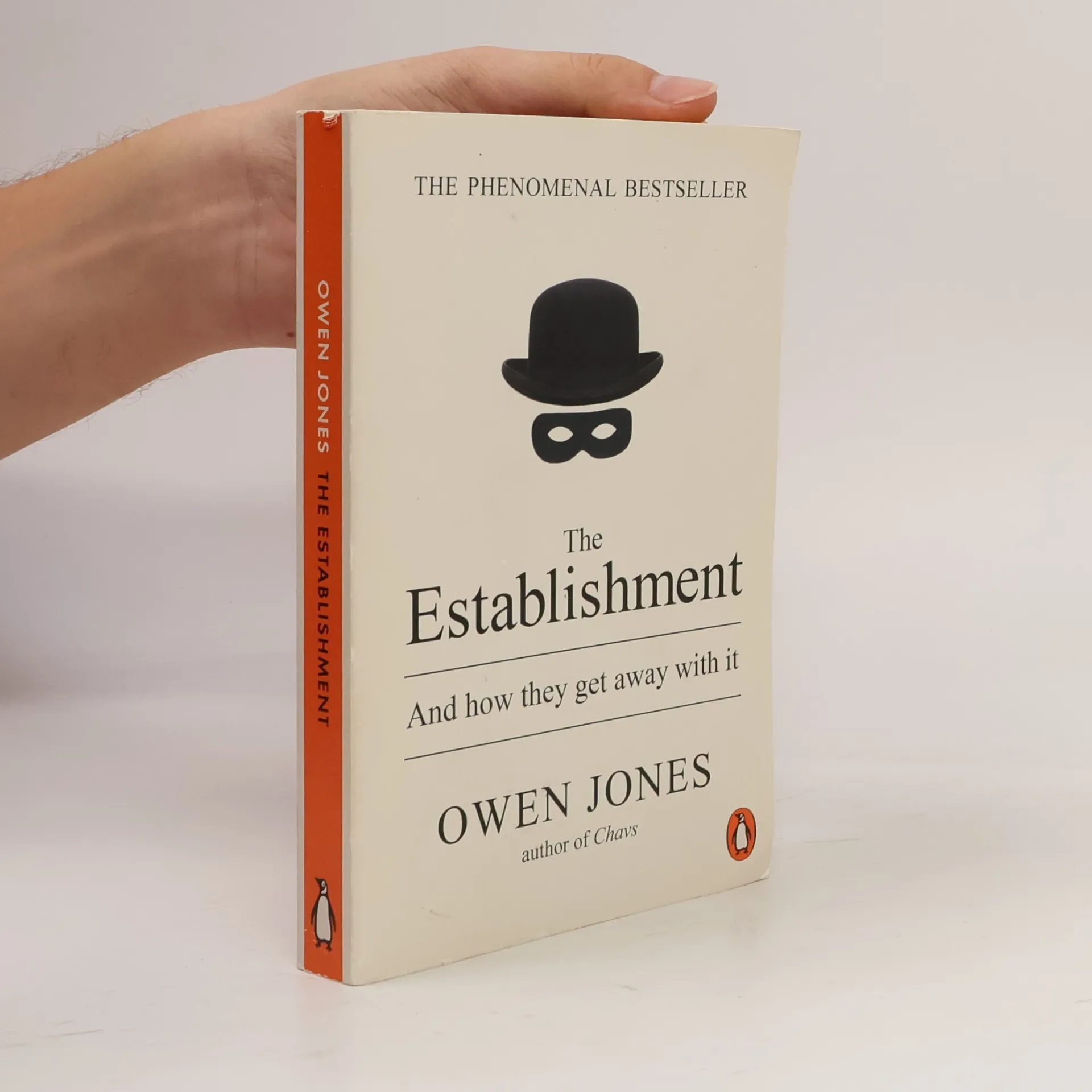
THE PHENOMENAL BESTSELLER 'Fantastic, timely, eye-opening' Armando Iannucci, New Statesman, Books of the Year 'Captures a collective sense of anger and awakening' Matt Haig, Observer, Books of the Year Behind our democracy lurks a powerful but unaccountable network of people who wield massive power and reap huge profits in the process. In exposing this shadowy and complex system that dominates our lives, Owen Jones sets out on a journey into the heart of our Establishment, from the lobbies of Westminster to the newsrooms, boardrooms and trading rooms of Fleet Street and the City. Exposing the revolving doors that link these worlds, and the vested interests that bind them together, Jones shows how, in claiming to work on our behalf, the people at the top are doing precisely the opposite. In fact, they represent the biggest threat to our democracy today - and it is time they were challenged. 'A book of revelations ... The Establishment have stitched it up - stitched you up - and they know it' Danny Dorling, Times Higher Education Supplement 'A dissection of the profoundly and sickeningly corrupt state that is present-day Britain. He is a fine writer, and this is a truly necessary book' Philip Pullman 'Owen Jones is a phenomenon of our times' David Kynaston, The Times Literary Supplement 'You will be enlightened and angry' Irvine Welsh
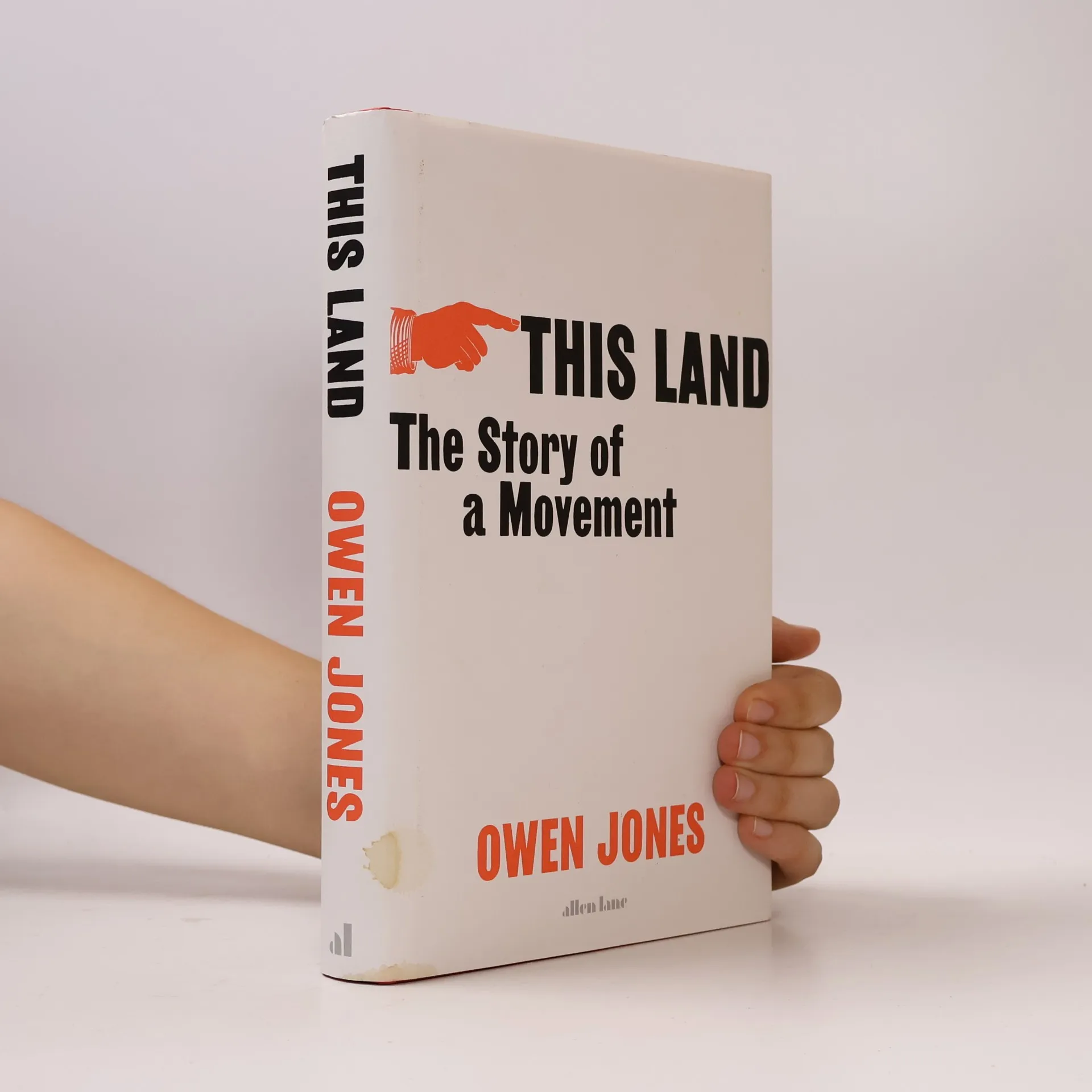
On 12th December 2019, the Left died. That at least was the view of much of Britain's media and political establishment, who saw the electoral defeat of Jeremy Corbyn's Labour Party as the damning repudiation of everything it stood for. Yet, just over four years previously, the election of Corbyn as Labour leader seemed like a sea-change in politics- reanimating not just a party in apparently terminal decline but a country adrift, with a transformative vision based on a more just, more equal society and economy. In this revelatory new book, Owen Jones explores how these ideas took hold, how they promised to change the nature of British politics - and how everything then went profoundly, catastrophically wrong. Why did the Left fail so badly? Where, in this most critical of times, does that failure leave its values and ideas? Where does it leave Britain itself?
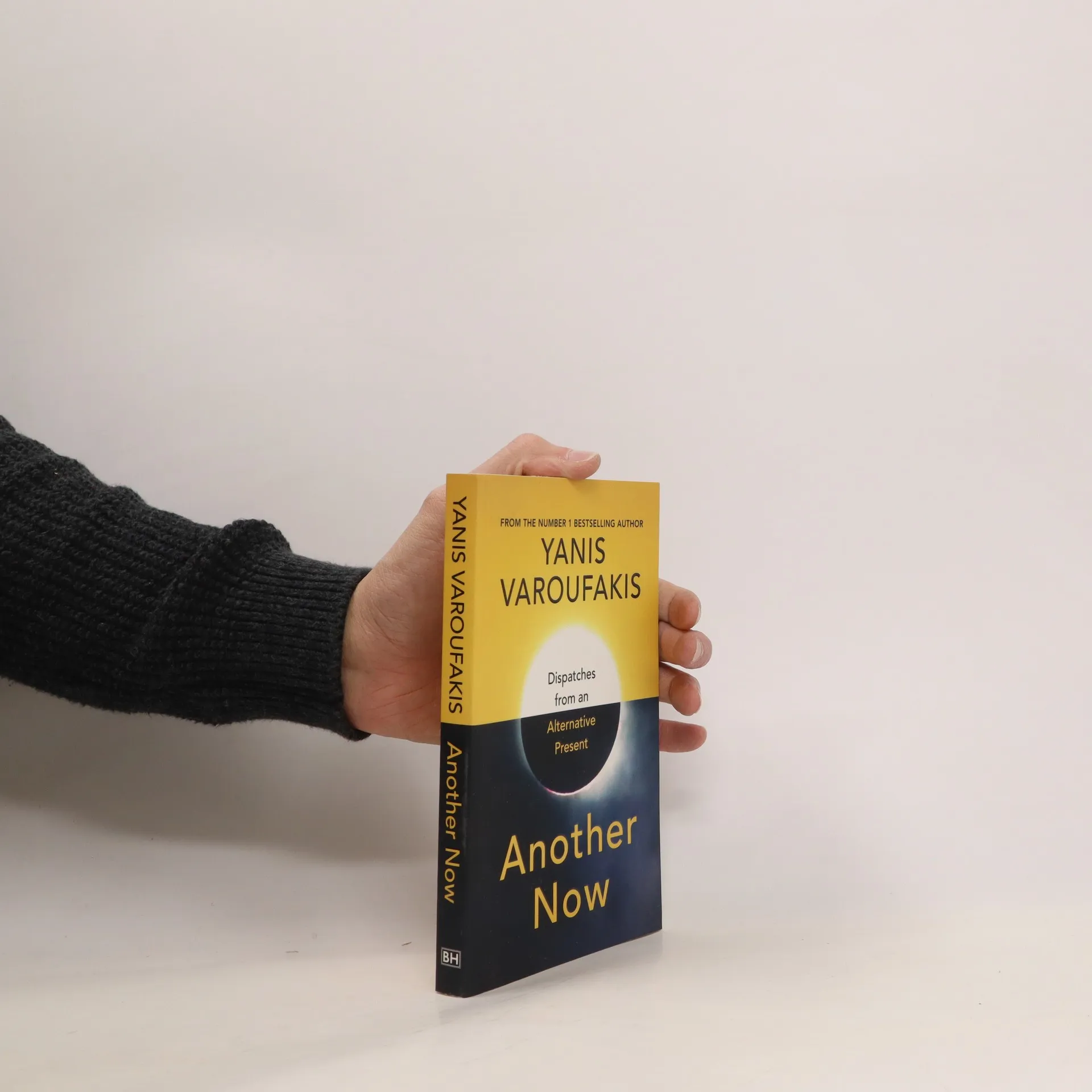
What would a fair and equal society look like? The world-renowned economist and bestselling author Yanis Varoufakis presents his radical and subversive answer. Imagine it is now 2025 and that years earlier, in the wake of the world financial crisis of 2008, a new post-Capitalist society had been born. In this ingenious book, Yanis Varoufakis draws on the greatest thinkers in European culture from Plato to Marx, as well as the great thought-experiments of science fiction, to offer us a dramatic and tantalising glimpse of a brave new world where the principles of democracy, equality and justice are truly embedded in our economy. Through the eyes of three characters - a liberal economist, a radical feminist and a left-wing technologist - we come to see what would be needed to forge such a world but also at what cost. This transformative vision forces each of us to confront the profound questions and trade-offs that underpin all societies- how do we balance freedom with fairness? How do we unleash the best that humanity has to offer without opening the door to the worst? Another Now offers answers to some of the most pressing questions of today. It also challenges us to consider how far we are willing to go in pursuit of our ideals.
The book is a large print reproduction of a historical work, aimed at enhancing accessibility for readers with impaired vision. Published by Megali, a house dedicated to producing such editions, it emphasizes the importance of making historical texts more readable and inclusive.
Medien und Politiker stempeln eine wachsende unterprivilegierte Bevölkerungsgruppe als rücksichtslos, dumm und kriminell ab. Die Mitglieder dieser Klasse werden mit einem haßerfüllten Wort bedacht: 'Prolls'. In seiner grundlegenden Studie untersucht Owen Jones, wie aus dem 'Salz der Erde' der 'Abschaum der Welt' werden konnte. Er zeichnet eine komplexe soziale Realität, während er die Unwissenheit und die Vorurteile entlarvt, die die überall zu findende Karikatur des 'Prolls' formen. Owen Jones berichtet von Krisenzentren inmitten der Welt des Wohlstands, von der wachsenden Armut und der Verzweiflung ganzer Gemeinden, deren Lage durch wirtschaftliche und soziale Verschiebungen immer prekärer wird, während die große Politik, von rechts wie von links bestimmt vom Neoliberalismus und Opportunismus, sie aufgegeben hat. Das 'Proll'-Stereotyp, so Owen Jones, wird von Politik und Medien benutzt, um die Notwendigkeit realer Veränderungen zu verdecken und die wachsende soziale Ungleichheit zu rechtfertigen. Auf der Basis von Gesprächen mit Politikern, Meinungsmachern und Arbeitern ist 'Prolls' eine scharfe Anklage des Medien- und Politestablishments und das verstörende Porträt der Konsequenzen der sozialen Ungleichheit und des Klassenhasses in modernen Gesellschaften.