

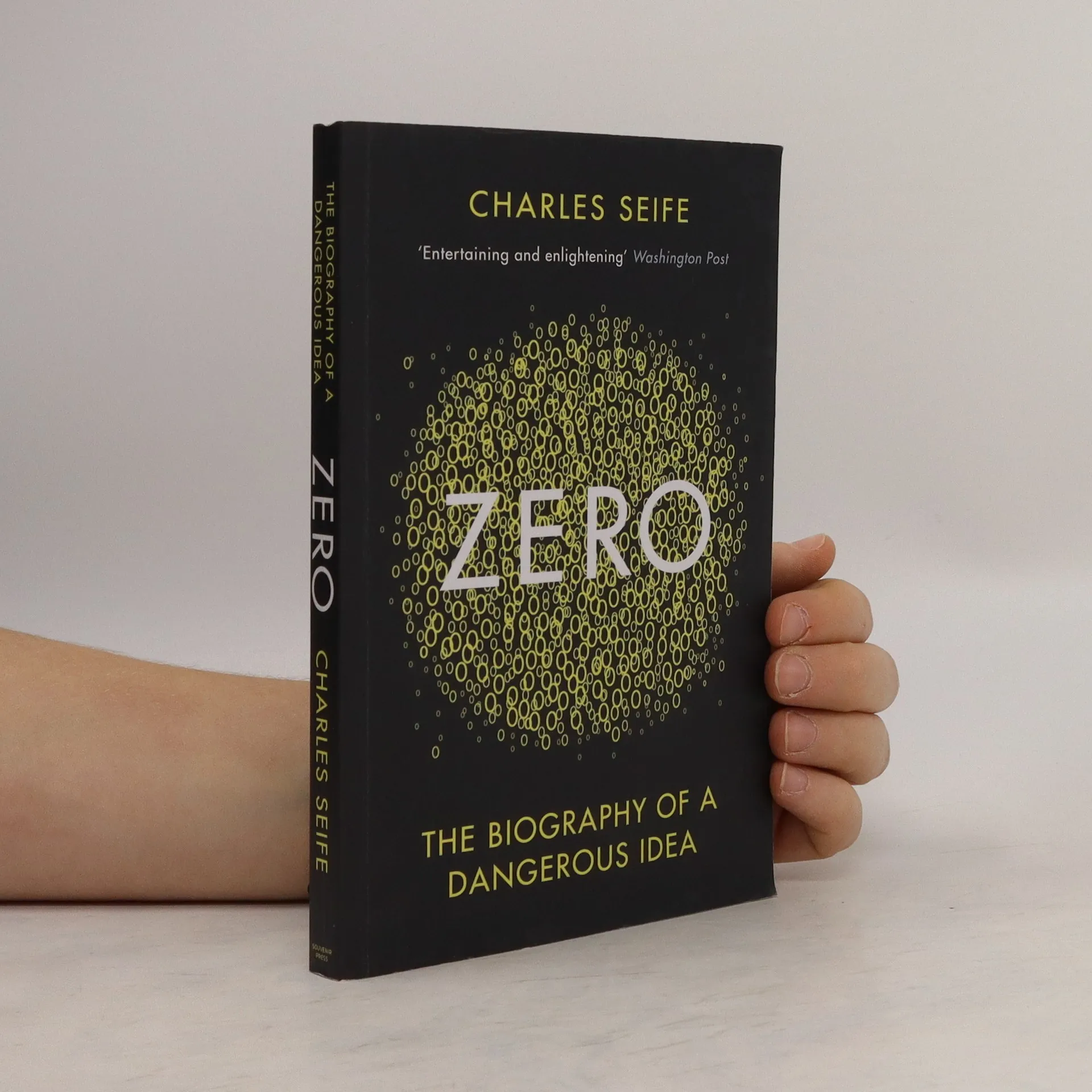
Popular math at its most entertaining and enlightening. "Zero is really something"-Washington Post A New York Times Notable Book. The Babylonians invented it, the Greeks banned it, the Hindus worshiped it, and the Church used it to fend off heretics. Now it threatens the foundations of modern physics. For centuries the power of zero savored of the demonic; once harnessed, it became the most important tool in mathematics. For zero, infinity's twin, is not like other numbers. It is both nothing and everything. In Zero, Science Journalist Charles Seife follows this innocent-looking number from its birth as an Eastern philosophical concept to its struggle for acceptance in Europe, its rise and transcendence in the West, and its ever-present threat to modern physics. Here are the legendary thinkers—from Pythagoras to Newton to Heisenberg, from the Kabalists to today's astrophysicists—who have tried to understand it and whose clashes shook the foundations of philosophy, science, mathematics, and religion. Zero has pitted East against West and faith against reason, and its intransigence persists in the dark core of a black hole and the brilliant flash of the Big Bang. Today, zero lies at the heart of one of the biggest scientific controversies of all time: the quest for a theory of everything.
Charles Seife Books
Charles Seife, a professor of journalism at New York University, delves into the peculiar and often overlooked concepts that shape our understanding of the world. His writing is characterized by a deep exploration of complex subjects, uncovering hidden meanings and connections. Seife masterfully blends his journalistic expertise with an analytical rigor, bringing fascinating realms of science and mathematics to life for the reader. His work challenges conventional thinking and prompts contemplation on the fundamental principles that define our reality.


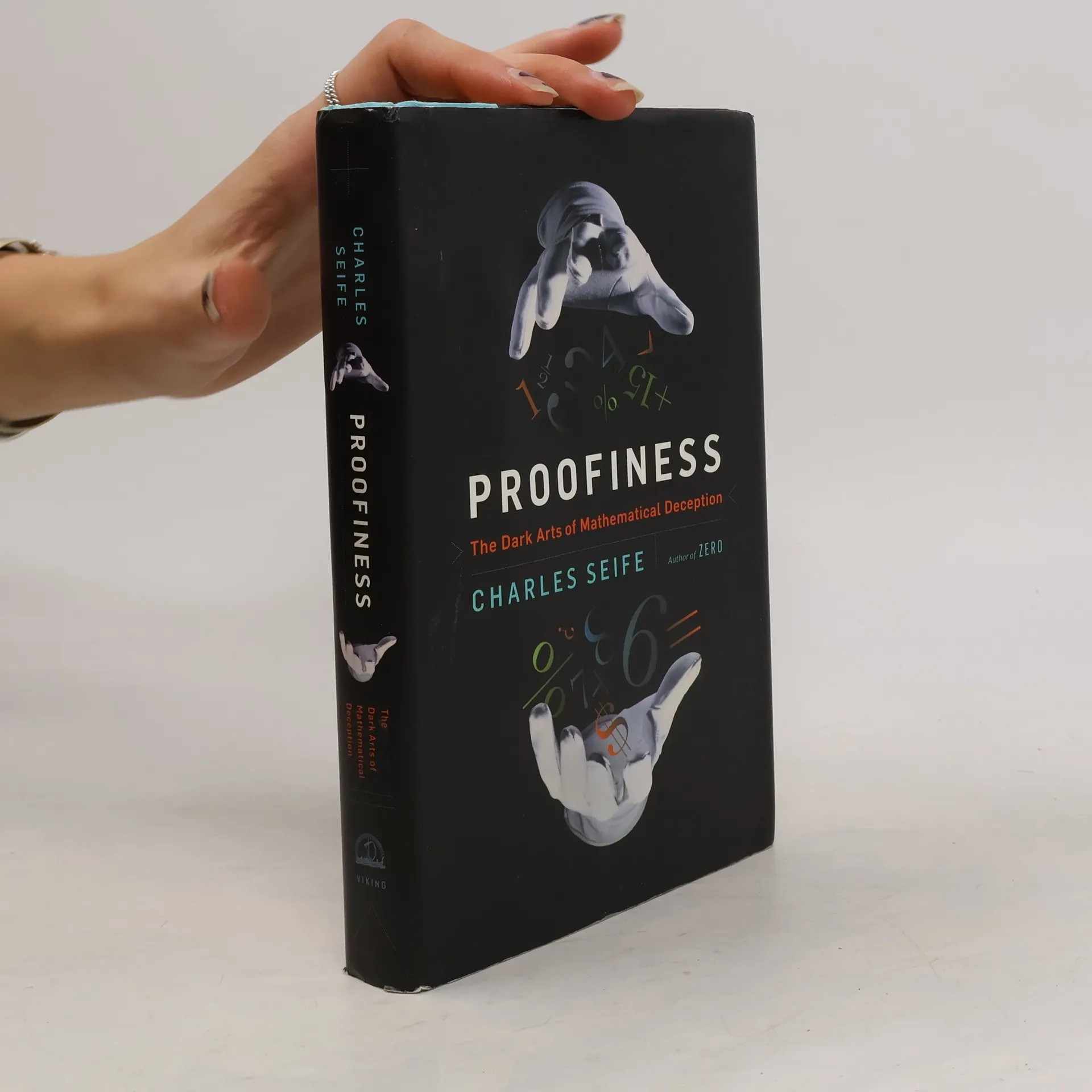
Exploring the concept of "proofiness," the book delves into how skewed metrics manipulate public perception through both humorous and alarming examples. From absurd mathematical claims to serious implications for democracy, it highlights the misuse of statistics in undermining justice and influencing elections. The author employs real mathematical analysis to critique society's fixation on metrics, revealing the dangers of misinformation while maintaining a lighthearted tone. Seife's examination serves as a call to recognize and challenge the deceptive use of numbers in media and government.
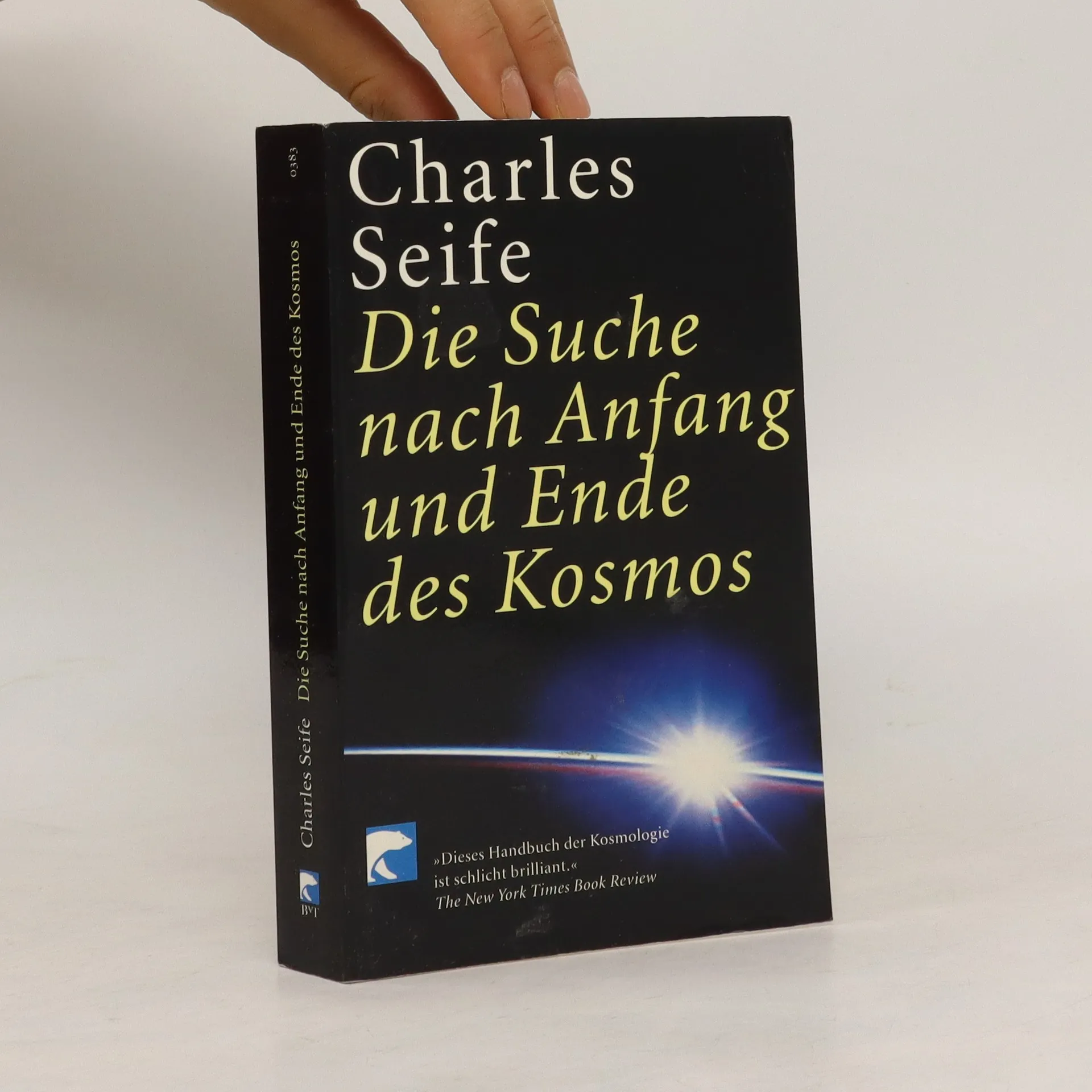
Die Suche nach Anfang und Ende des Kosmos
- 336 pages
- 12 hours of reading
Astronomen und Physiker sind dabei, die ultimativen Fragen, die die Menschheit seit Anbeginn beschäftigt haben, zu beantworten: Wie entstand das Universum, und wie wird es enden? Begeisternd und für jeden verständlich erzählt Charles Seife die schier unglaubliche Geschichte dieser aktuellen kosmologischen Revolution.
Stephen Hawking
Genie des Universums
Als Stephen Hawking in den frühen 1960er Jahren mit seiner Forschung begann, war sein Fach, die Kosmologie, eine verschlafene Disziplin. Als er 2018 starb, war sie das wohl aufregendste Forschungsgebiet der Physik, das einen Nobelpreis nach dem anderen einheimste. Und Stephen Hawking galt weithin als der beste Physiker, wenn nicht sogar als der klügste Mensch der Welt. Diese aufregende, zuweilen beunruhigende Biographie zeigt, wie es dazu kam.