

This is a major new study of Kant's ethics that will transform the way students and scholars approach the subject in the future. Allen Wood argues that Kant's ethical vision is grounded in the idea of the dignity of the rational nature of every human being. He focuses for the first time on the central role played in Kant's ethical theory by the value of rational nature as an end in itself. In addition, he shows the importance of Kant's systematic theory of human nature and history, and its implications for the structure, formulation, and application of Kant's moral principles.
Allen W. Wood Books
Allen Wood's work delves into the history of modern philosophy, with a particular emphasis on Kant and German idealism, alongside ethics and social philosophy. His scholarship is characterized by rigorous analysis of foundational philosophical concepts and their relevance to contemporary issues. Wood offers insightful interpretations of major thinkers, illuminating complex philosophical systems for a modern audience. His approach bridges historical thought with pressing ethical and social concerns, making intricate ideas accessible.

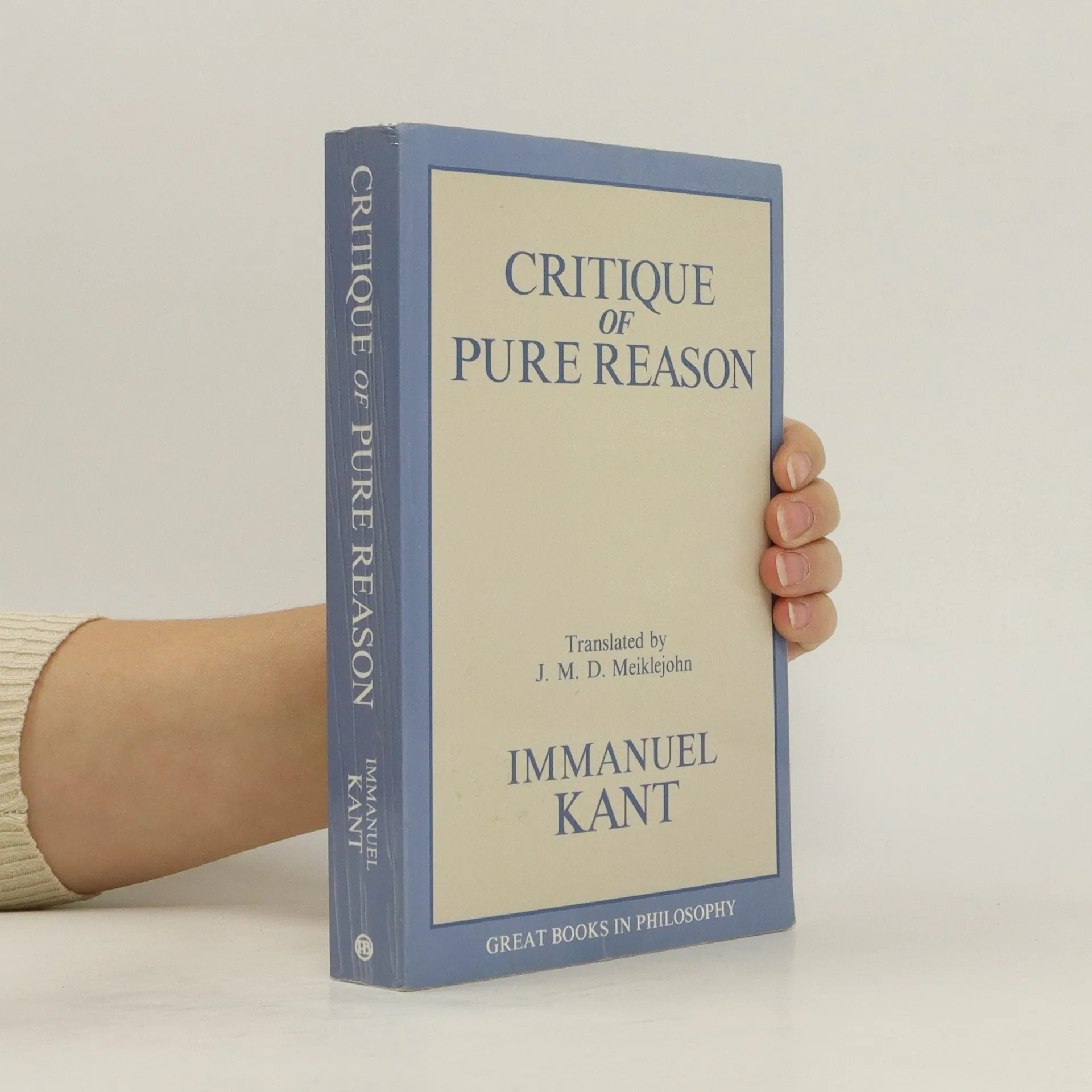

Critique of Pure Reason
- 489 pages
- 18 hours of reading
Kant seeks to define the nature of reason itself and builds his own unique system of philosophical thought with an approach known as transcendental idealism.
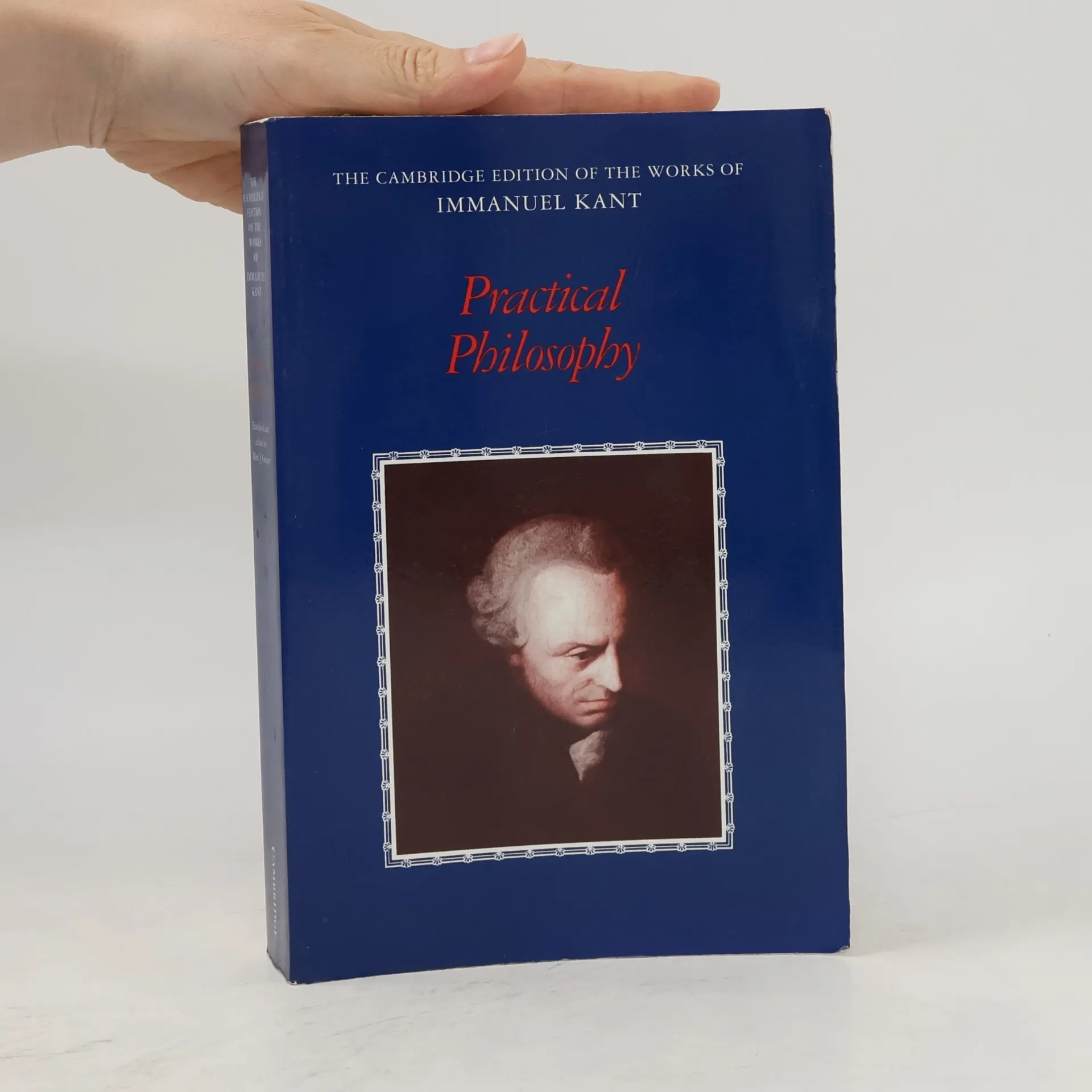
The Cambridge Edition of the Works of Immanuel Kant: Practical Philosophy
- 706 pages
- 25 hours of reading
This volume presents the first complete English translation of Kant's writings on moral and political philosophy, offering readers a comprehensive insight into his ethical theories and political ideas. It serves as an essential resource for understanding Kant's profound influence on modern thought, exploring themes such as autonomy, justice, and the nature of moral obligation. The collection is invaluable for scholars, students, and anyone interested in the foundations of contemporary philosophy and political theory.
Der einführende Kommentar zu Kants "Grundlegung zur Metaphysik der Sitten" richtet sich an Studierende und erschließt das Werk umfassend. Er erläutert Kants Argumentation textnah, bietet knappe Kommentare zu philosophischen Grundproblemen und enthält eine Auswahlbibliographie für vertiefende Lektüre.