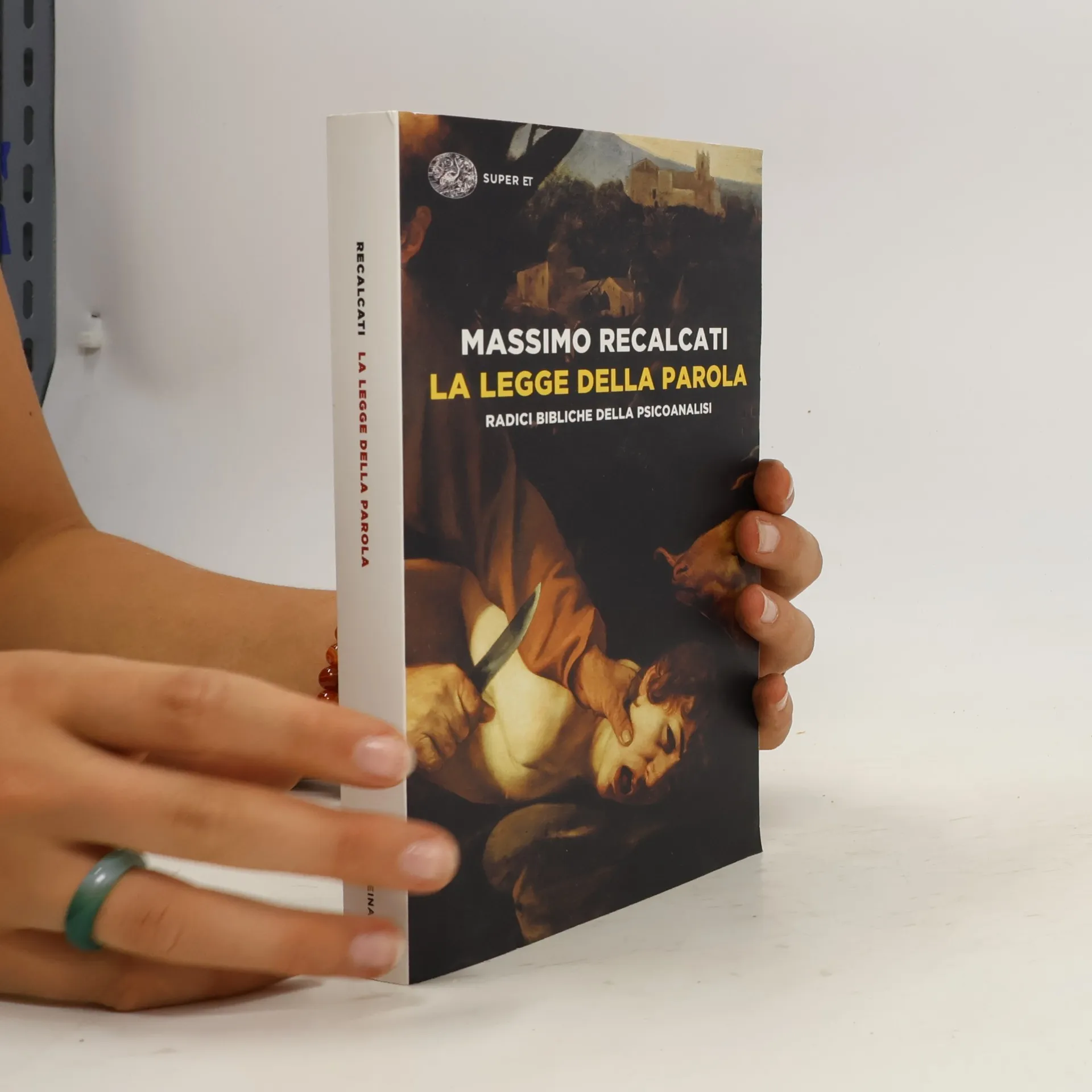
Cain's Act
- 96 pages
- 4 hours of reading
An examination of Cain's murderous act through the lens of psychoanalysis: an urgent, stirring reflection on violence and morality.


This author delves into the depths of the human psyche as a psychoanalyst practicing in Milan. His work is shaped by Lacanian psychoanalysis, influencing his approach to new symptoms and research. He teaches at university and at the Freudian Institute, sharing his insights into the complexities of the mind.


An examination of Cain's murderous act through the lens of psychoanalysis: an urgent, stirring reflection on violence and morality.
Al centro di questo libro c’è il rapporto della vita umana con l’esperienza traumatica della perdita. Cosa accade dentro di noi quando perdiamo chi abbiamo profondamente amato? Quale vuoto si spalanca? Quale lavoro ci attende per ritornare a vivere? E cosa avviene quando questo lavoro risulta impossibile e ci sentiamo persi insieme a chi abbiamo perduto?Il lavoro del lutto e la nostalgia sono due esempi di come possiamo restare vicini a ciò che abbiamo perduto senza però farci inghiottire dal dolore. Mentre il nostro tempo esalta il futuro, il progetto, l’intraprendenza, il lutto e la nostalgia ci ricordano che lo sguardo rivolto all’indietro non è sempre segno di impotenza, ma può anche alimentare le risorse che servono per essere davvero capaci di non smettere mai di nascere.Può la luce arrivare dal passato? Può esserci luce nella polvere?
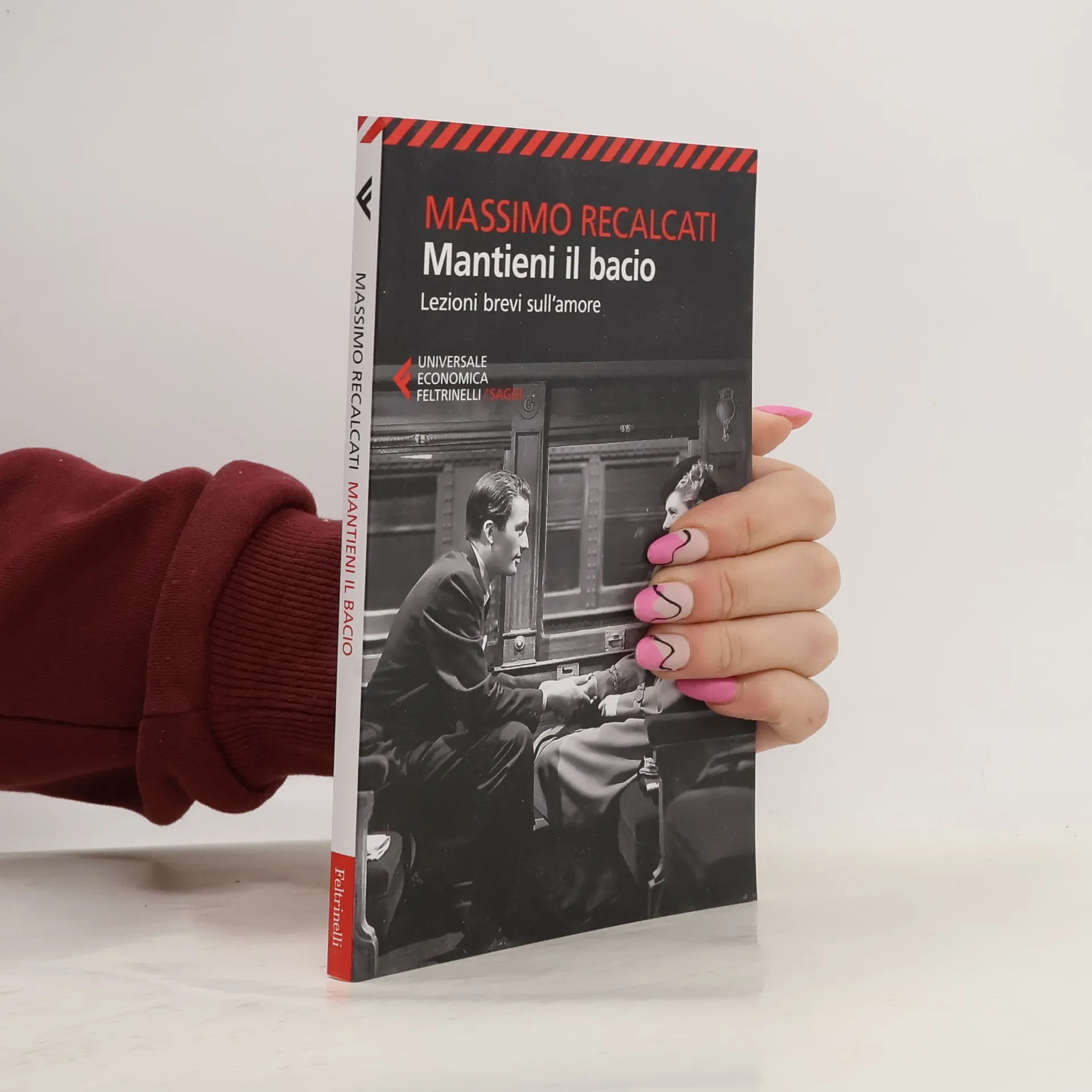
L’amore dura solo il tempo di un bacio? La sua promessa è destinata a dissolversi? Può la fiamma dell’amore bruciare eternamente, o ogni relazione finisce inevitabilmente male? Il desiderio di novità è insaziabile? Il matrimonio è solo il cimitero del desiderio? E il linguaggio familiare esaurisce quello amoroso? È possibile un amore duraturo che continui a brillare nel tempo? Inoltre, l’erotismo può integrarsi nell’amore o lo esclude? La possessività e la gelosia sono caratteristiche intrinseche dell’amore o sintomi di una malattia? Cosa succede quando uno dei due tradisce? Cos’è il tradimento e quali ferite provoca? È possibile perdonare in una relazione? E la violenza? È parte inevitabile dell’amore o la sua massima profanazione? Cosa avviene quando un amore finisce, lasciando solo cenere al posto dell’estasi iniziale? Si può sopravvivere alla morte di un amore che si pensava eterno? Qual è il mistero degli amori che resistono senza arrendersi alla morte del desiderio, quelli che vivono una “quiete accesa”? In sette brevi lezioni, Massimo Recalcati esplora questi interrogativi e presenta testi inediti del suo programma televisivo "Lessico amoroso".
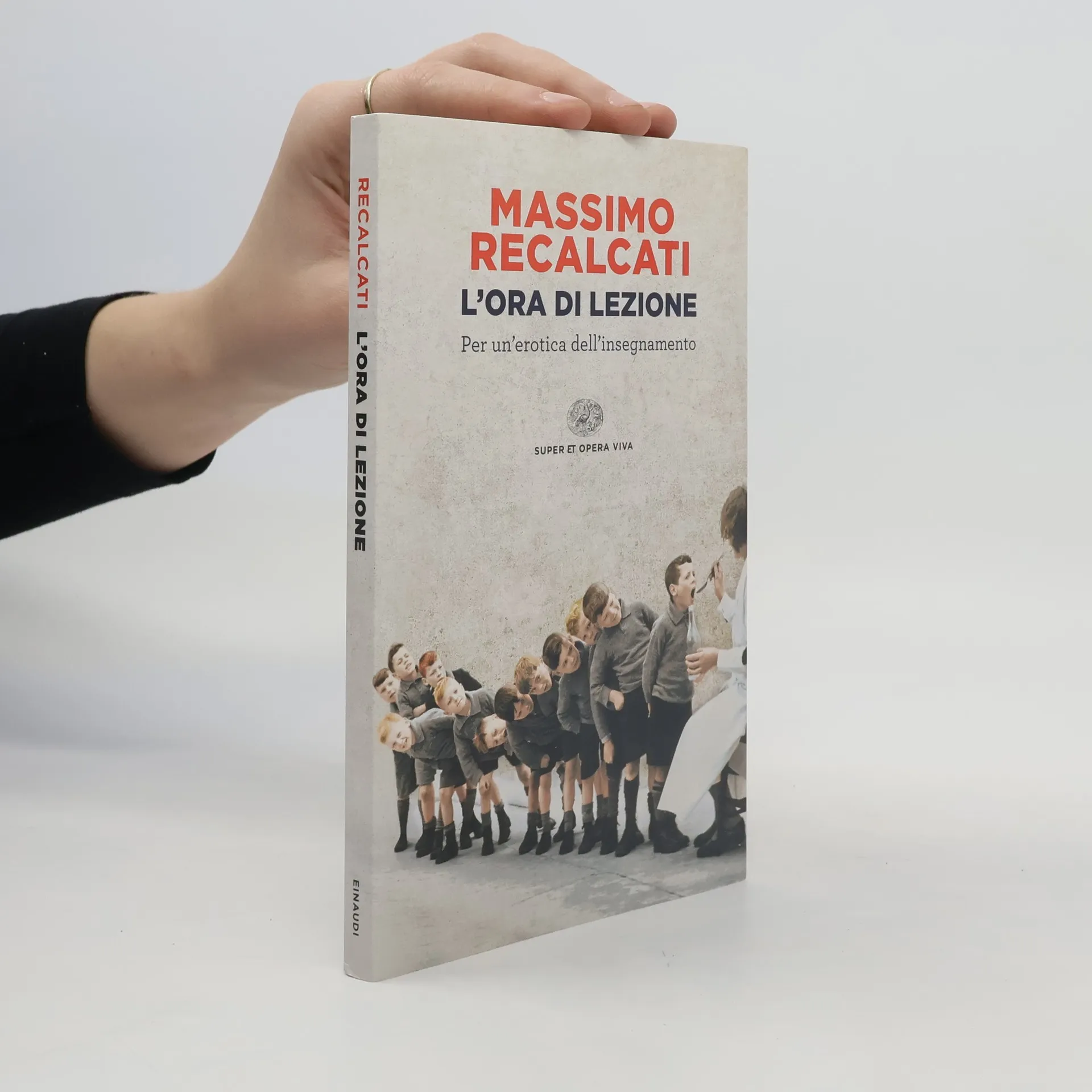
Periferia di Milano, anni Settanta. Gli anni del terrorismo e della droga, dei sogni di Oriente e di liberazione. Una mattina, nella classe di un Istituto Agrario, fa la sua apparizione Giulia, una giovane professoressa di lettere che parla di letteratura e di poesia con una passione sconosciuta. È quell'incontro a «salvare» Massimo Recalcati che, in questo libro dedicato alla pratica dell'insegnamento, riflette su cosa significa essere insegnanti in una società senza padri e senza maestri, svelandoci come un bravo insegnante sia colui che sa fare esistere nuovi mondi, che sa fare del sapere un oggetto del desiderio in grado di mettere in moto la vita e di allargarne l'orizzonte. È il piccolo miracolo che può avvenire nell'ora di lezione: l'oggetto del sapere si trasforma in un oggetto erotico, il libro in un corpo. Un elogio dell'insegnamento che non può accontentarsi di essere ridotto a trasmettere informazioni e competenze. Un elogio della stortura della vite che non deve essere raddrizzata ma coltivata con cura e riconquistata nella sua singolare bellezza.
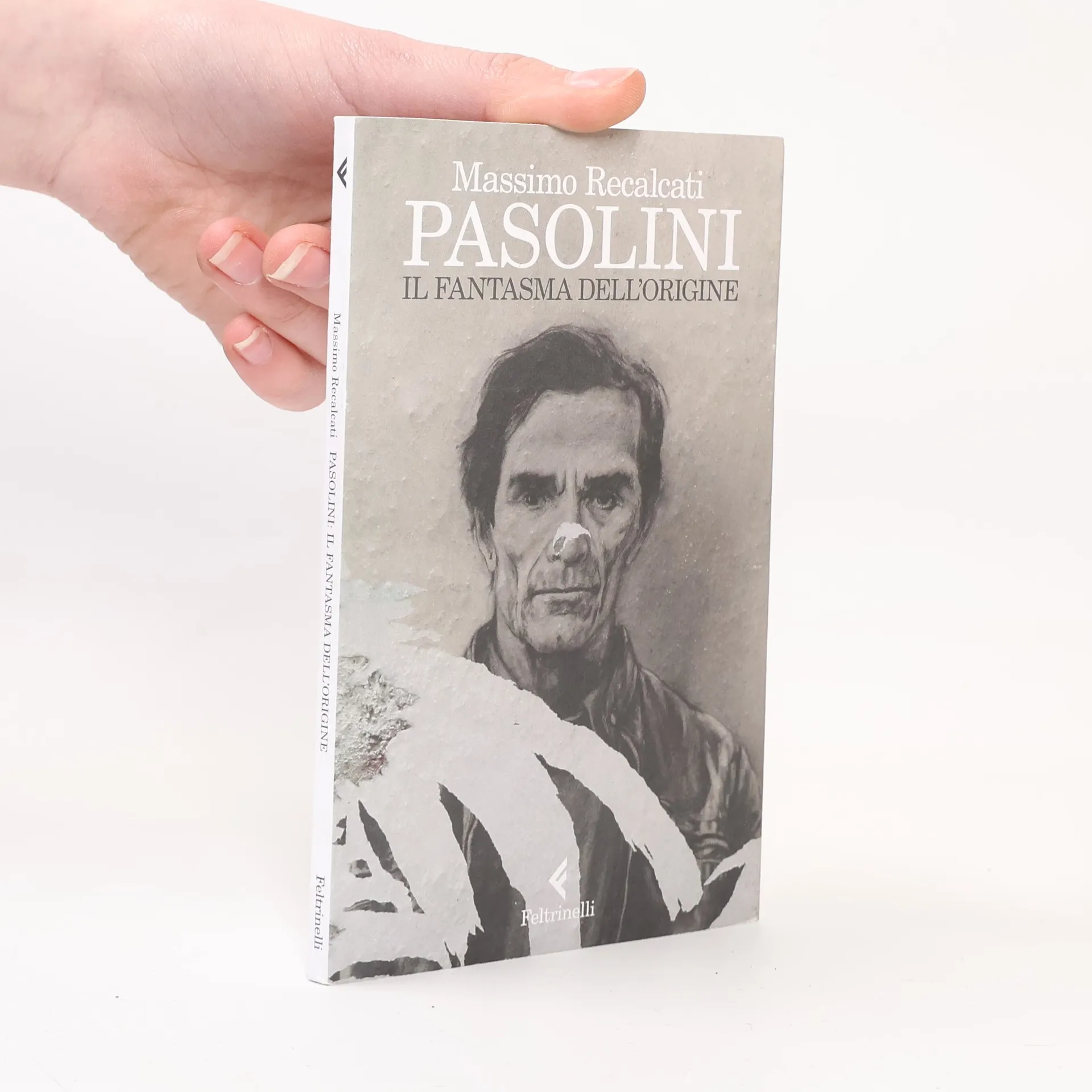
Un ritratto di Pasolini: il dissidio irrisolto tra vita e storia, corpo e ragione, individuo e comunità, mito e demitizzazione; le metamorfosi del potere e la resistenza della parola.“Ho incontrato il testo di Pasolini dopo aver incontrato da ragazzo il suo corpo morto, ferocemente assassinato.”
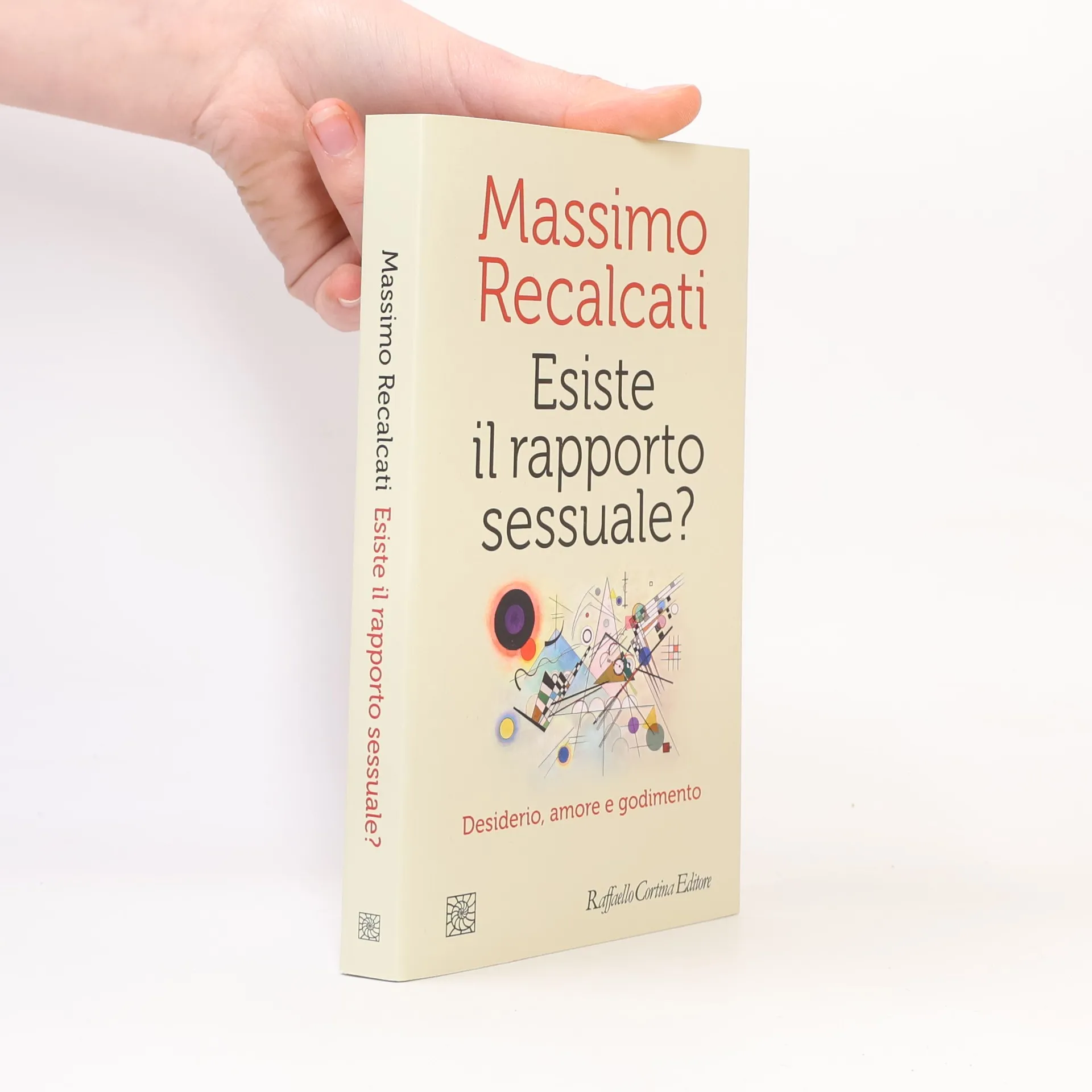
Diversamente dal mondo animale, regolato dal carattere infallibile dell’istinto, la sfera della sessualità umana appare simile a un collage cubista. La bussola dell’istinto non funziona. Gli esseri umani si accorgono che non è semplice tenere insieme, per esempio, il desiderio sessuale e l’amore. Allo stesso modo si accorgono che in ogni rapporto sessuale il desiderio, prima di incontrare il partner, è strutturato inconsciamente in un fantasma singolare che detta le regole di questo seduzione, possesso, gelosia, estasi, inibizione, odio. Inoltre gli amanti devono prendere atto che il modo maschile e il modo femminile di esporsi alla sessualità non è lo stesso e che questa differenza è foriera di equivoci e disagi. Esiste poi una sintomatologia della vita sessuale che comprende l’eiaculazione precoce, la frigidità, l’assenza di desiderio, l’onanismo compulsivo, il feticismo, le pratiche perverse eccetera. Tutto questo porta l’autore, sulla scia di Lacan, a chiedersi se davvero esiste il rapporto sessuale, essendo che ogni rapporto sessuale è innanzitutto rapporto di ciascuno con il proprio fantasma.
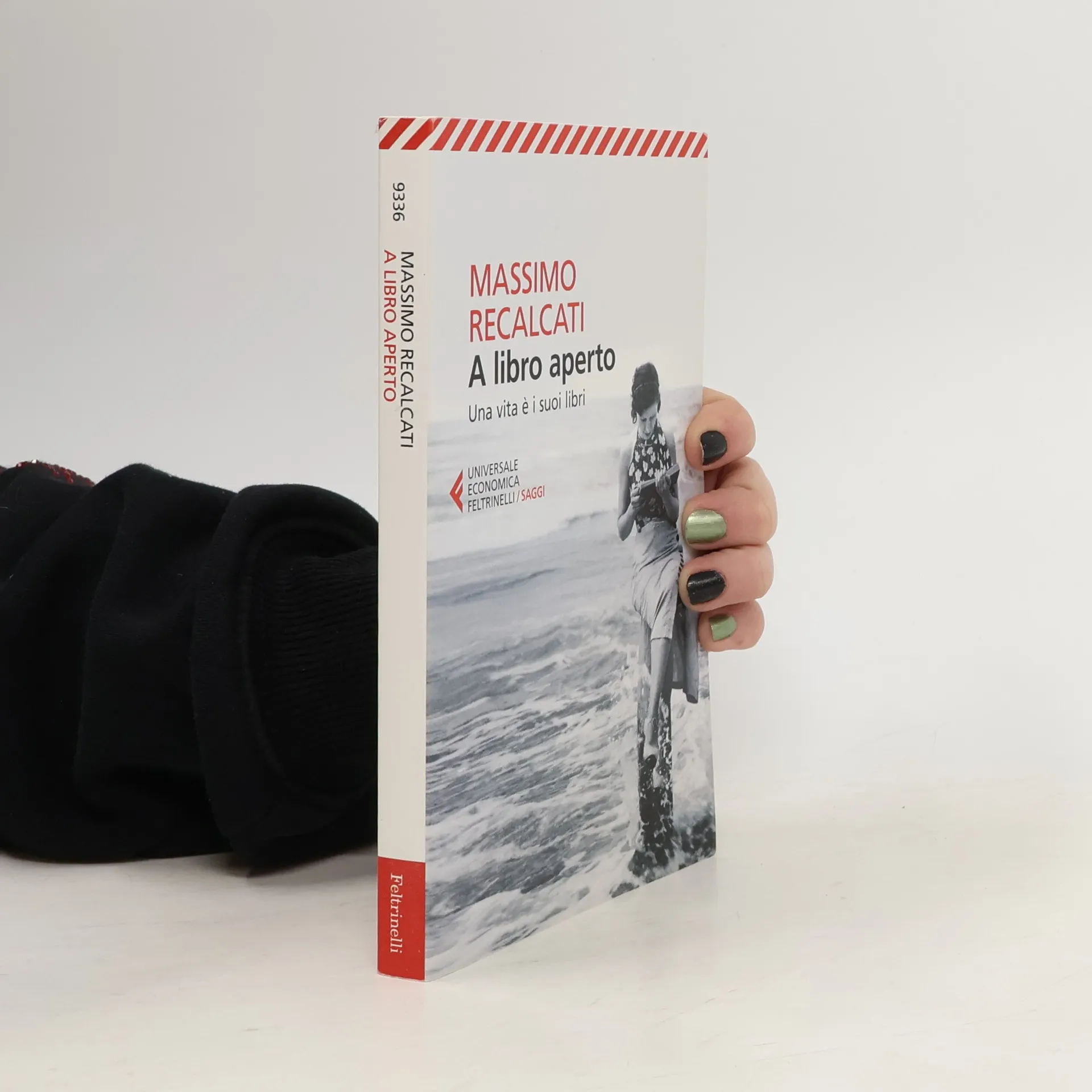
“I libri sono tagli nel corso delle nostre vite. Ogni incontro d’amore ha la natura traumatica del taglio. L’incontro con un libro è un incontro d’amore.” Qual è il segreto che custodisce un libro? Quali sono i libri che non abbiamo dimenticato e perché? Come può un libro essere un incontro? Cosa significa leggere un libro? In che modo l’inconscio può aprire un libro? Tutti questi interrogativi tracciano le vie lungo le quali Massimo Recalcati ci accompagna verso una nuova teoria della lettura con il racconto suggestivo dei libri che hanno segnato la sua formazione umana e intellettuale, dall’“Odissea” agli “Scritti” di Lacan. Ne scaturisce un’opera davvero unica: teorica e intima insieme, un intenso spaccato autobiografico di cosa può significare per una vita l’esperienza della lettura, un grande e appassionato elogio del libro in un’epoca che vorrebbe decretarne la morte.
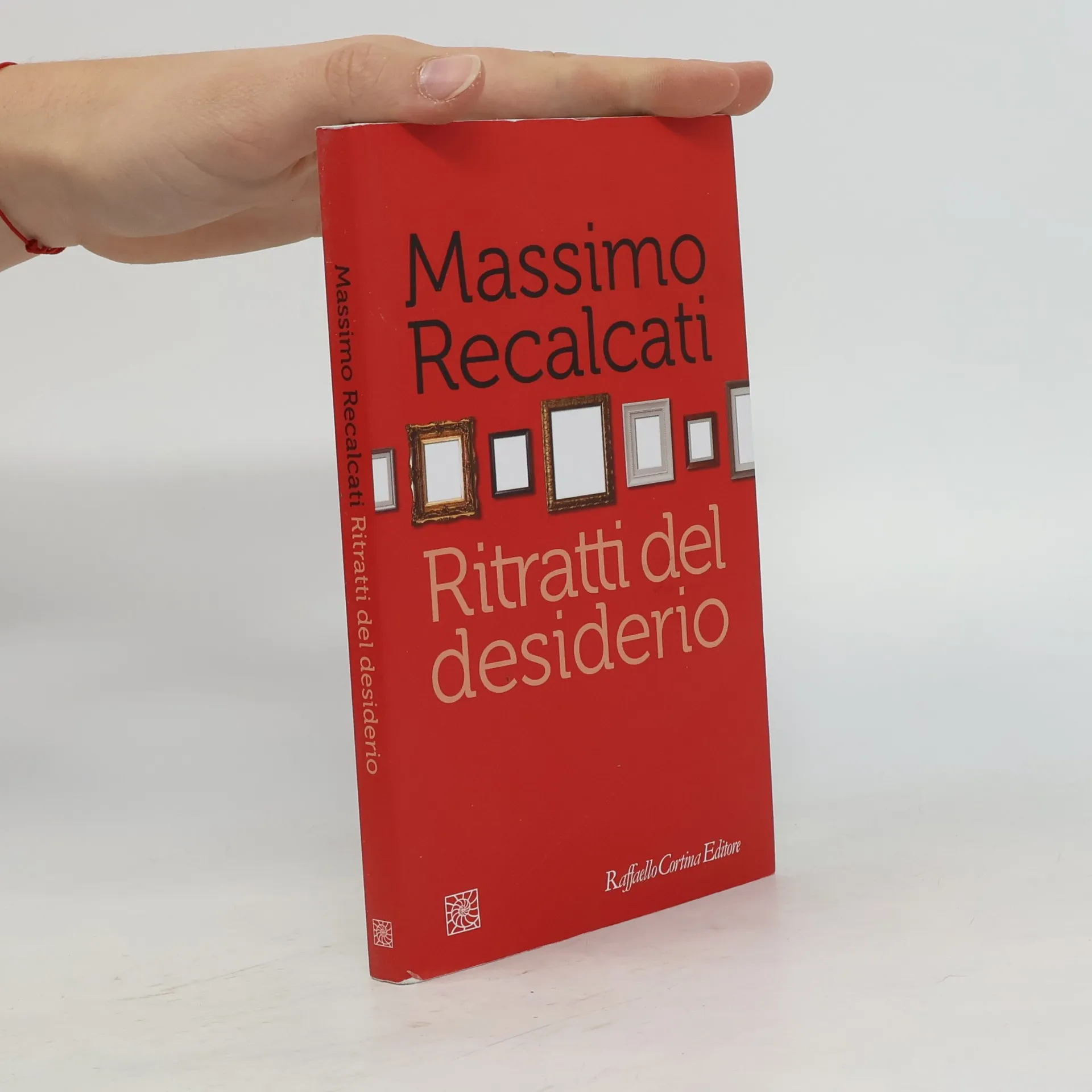
L'Occidente capitalista ha prodotto una nuova forma di schiavitù: l'uomo senza desideri, condannato a conseguire un godimento schiacciato sul consumo compulsivo e perennemente insoddisfatto. Era la tesi di "L'uomo senza inconscio": nel nostro tempo il desiderio rischia l'estinzione. Ma quando diciamo "desiderio" che genere di esperienza evochiamo? Qual è il significato di questa "parola" così fondamentale per la realtà umana? Massimo Recalcati indaga qui un tema chiave della dottrina di Lacan: il desiderio e i suoi enigmi. Come in una galleria di ritratti vengono raffigurati i diversi volti del desiderio umano: il desiderio invidioso, il desiderio di riconoscimento, il desiderio di "niente", il desiderio angosciante, il desiderio sessuale, il desiderio d'amore, il desiderio di morte, il desiderio dell'analista... Ne scaturisce una sintesi semplice e avvincente, che può essere considerata l'introduzione più efficace e più leggibile al pensiero di Lacan.
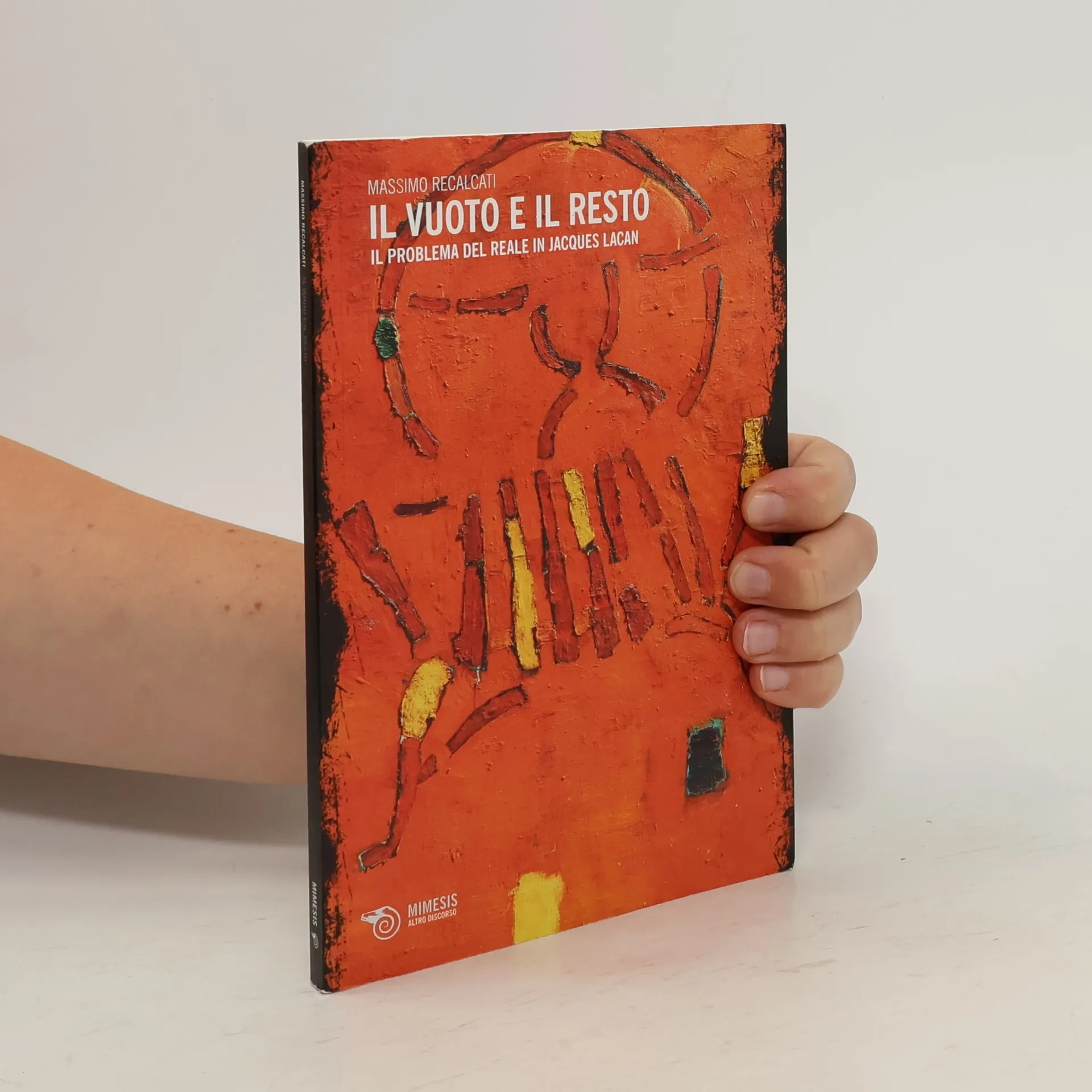
Il vuoto e il resto raccoglie una serie di lezioni svolte da Massimo Recalcati nel 1993-94 all’Università Statale di Milano nell’aula 211 presso la cattedra di Filosofia Morale allora presieduta da Franco Fergnani che fu uno dei primi maestri dello psicoanalista milanese. Un ventennio è trascorso da allora e il giovane Recalcati ha fatto la sua strada. La sua lettura di Lacan si è approfondita e ha recentemente assunto dimensioni tali da essere riconosciuta in Italia come una delle letture più originali e imprescindibili dell’opera dello psicoanalista francese (Cfr. Jacques Lacan: desiderio, godimento e soggettivazione, Raffaello Cortina 2012). Nondimeno queste lezioni hanno costituito un suo primo e imprescindibile laboratorio teorico. La freschezza della parola orale e la sua vocazione didattica rendono questo libro una prima tappa storica della lettura recalcatiana di Lacan.
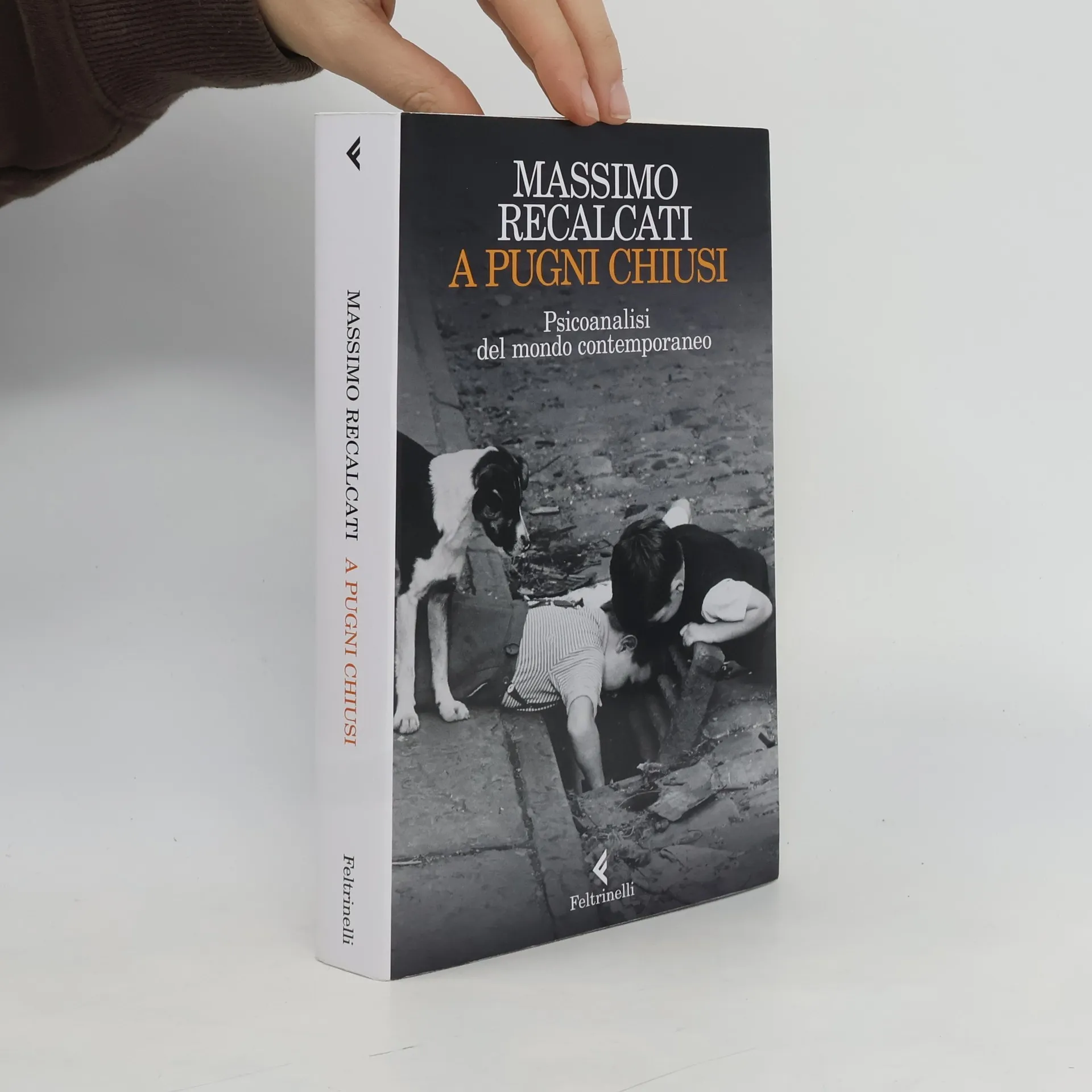
In questo libro Massimo Recalcati si rivela commentatore lucido e originale della nostra vita collettiva degli ultimi vent’anni: le trasformazioni della famiglia, il disagio della giovinezza, il declino irreversibile dell’autorità paterna, il ricorso diffuso alla violenza, lo scientismo come nuova forma di religione, il culto ipermoderno del corpo in salute e del benessere, la medicalizzazione della vita, lo schermo narcisistico dei social, l’isolamento e la spinta melanconica alla morte in un mondo dominato dal consumo e dalla celebrazione dell’immagine, la crisi economica e la precarietà del lavoro, il trauma della pandemia e la sua incidenza sulle nostre esistenze, l’orrore della guerra e della repressione patriarcale degli ayatollah contro le donne sono solo alcuni dei temi affrontati, insieme a quelli più direttamente politici che riguardano i ritratti psicoanalitici dei maggiori protagonisti della politica nazionale e internazionale dell’ultimo ventennio come Berlusconi, Grillo, Renzi, Salvini, Mattarella, Draghi, Trump e Putin. In queste pagine Recalcati offre al lettore un appassionato ritratto antropologico del nostro Paese e dei problemi del mondo contemporaneo.
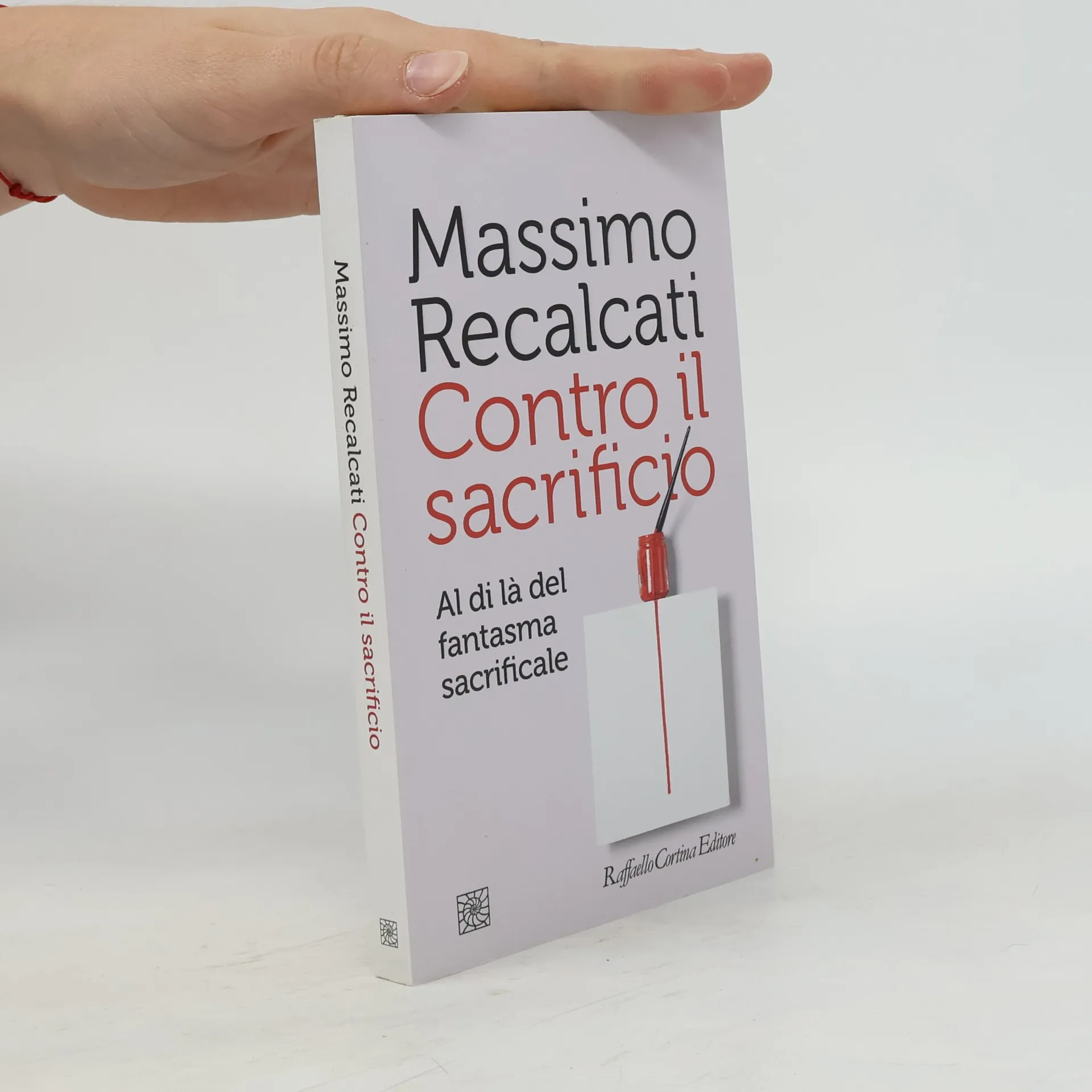
La passione per il sacrificio è solo umana. Gli uomini non si sono limitati a sacrificare sull’altare animali offerti ai loro Dei ma hanno sacrificato su quell’altare anche la loro vita. È il caso dell’uomo ipermorale che sacrifica il suo desiderio, o del martire del terrorismo che si immola per una Causa. Il sacrificio non è una semplice rinuncia al soddisfacimento ma una forma masochistica del soddisfacimento. È un fantasma che proviene da una interpretazione solo colpevolizzante del cristianesimo. La psicoanalisi, insieme alla parola più profonda di Gesù, si impegna invece a liberare la vita dal peso del sacrificio. Il che comporta un diverso pensiero della Legge: l’uomo non è schiavo della Legge perché la Legge – come sostiene la lezione cristiana e quella di Lacan – non è fatta che per l’uomo.