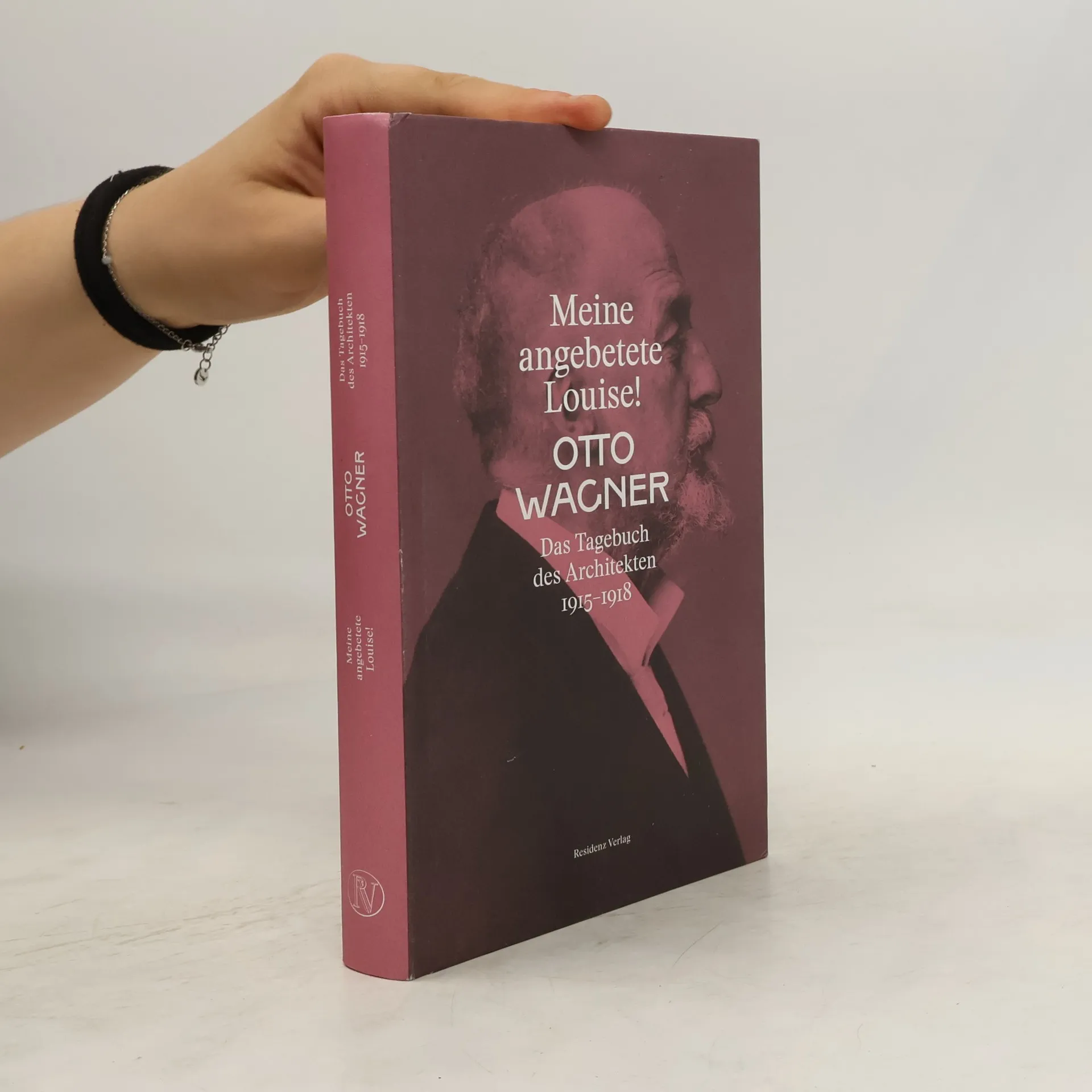
Der 26. 10. 1915 ist ein Schicksalstag für Otto Wagner. Seine um 18 Jahre jüngere Ehefrau Louise stirbt an Krebs. Schon nach der Diagnose hat der Architekt ein Tagebuch zu führen begonnen, das er regelmäßig mit Erinnerungen an bessere Tage und Notizen über die Gegenwart füllen wird. Es soll seiner unvergleichlichen Liebe zu Louise ein Denkmal setzen. Nebenher enthüllt es die misanthropische Verzweiflung eines großen Künstlers. Er glaubt sich am Höhepunkt seines Schaffens, wittert Habsburgs Sieg und Morgenluft für seine Pläne, während das Alter seinem Körper zusetzt und das Weltkriegselend auch in seinen Alltag einbricht. Krankhafter Antisemitismus, Leid und Paranoia bestimmen mehr und mehr sein Denken. Der Tod eines Patriarchen fällt zusammen mit dem Ende des Habsburgerreichs.
Otto Wagner Book order (chronological)
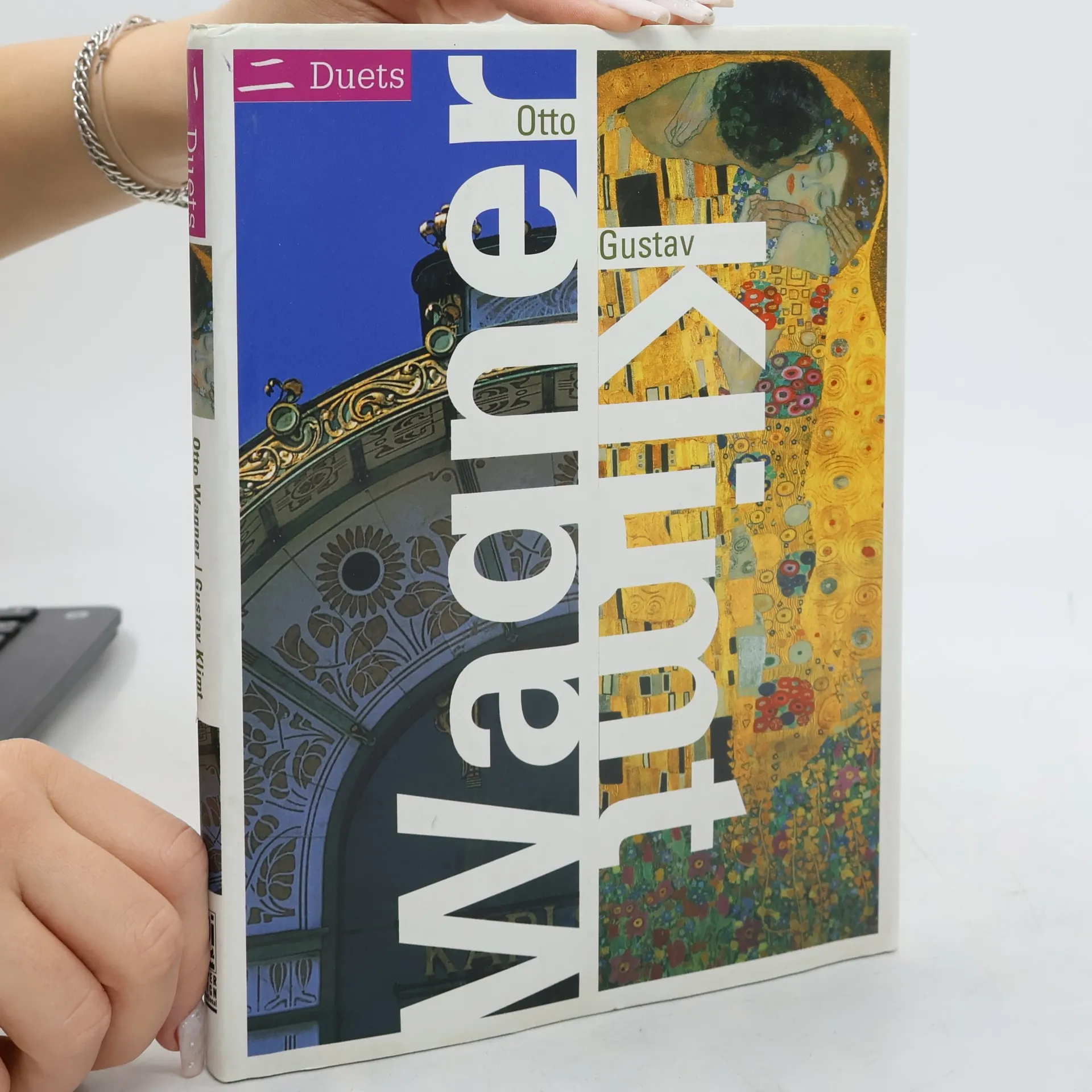

Duets: Otto Wagner/Gustav Klimt
- 96 pages
- 4 hours of reading
At the turn of the 20th century, the Vienna Secession shook the worlds of art and design, breaking the rigid constraints of an esthetic dominated by slavish emulation of prior styles. Nowhere is this paradigm shift better exemplified than in the works of the two Austrian creators featured here. Architect Otto Wagner (1841-1918) famously rejected the eclectic imitation and combination of historical styles that had dominated European architecture, advocating instead constructions aware of modern materials, modern needs, and modern society. Painter Gustav Klimt (1862-1918) broke with an academic art style to develop an intensely personal style favoring fluid lines, bold colors, provocative imagery, and diverse media. Otto Wagner/Gustav Klimt, the third title in the Duets series, brings together the work of these two artists in order to present a rich comparative study. Essentially three volumes in one, a section on each artist presents a brief biography and an examination of some major works, with a third section that compares the images and ideas of the two artists. Art and architecture lovers will treasure this book for years to come.
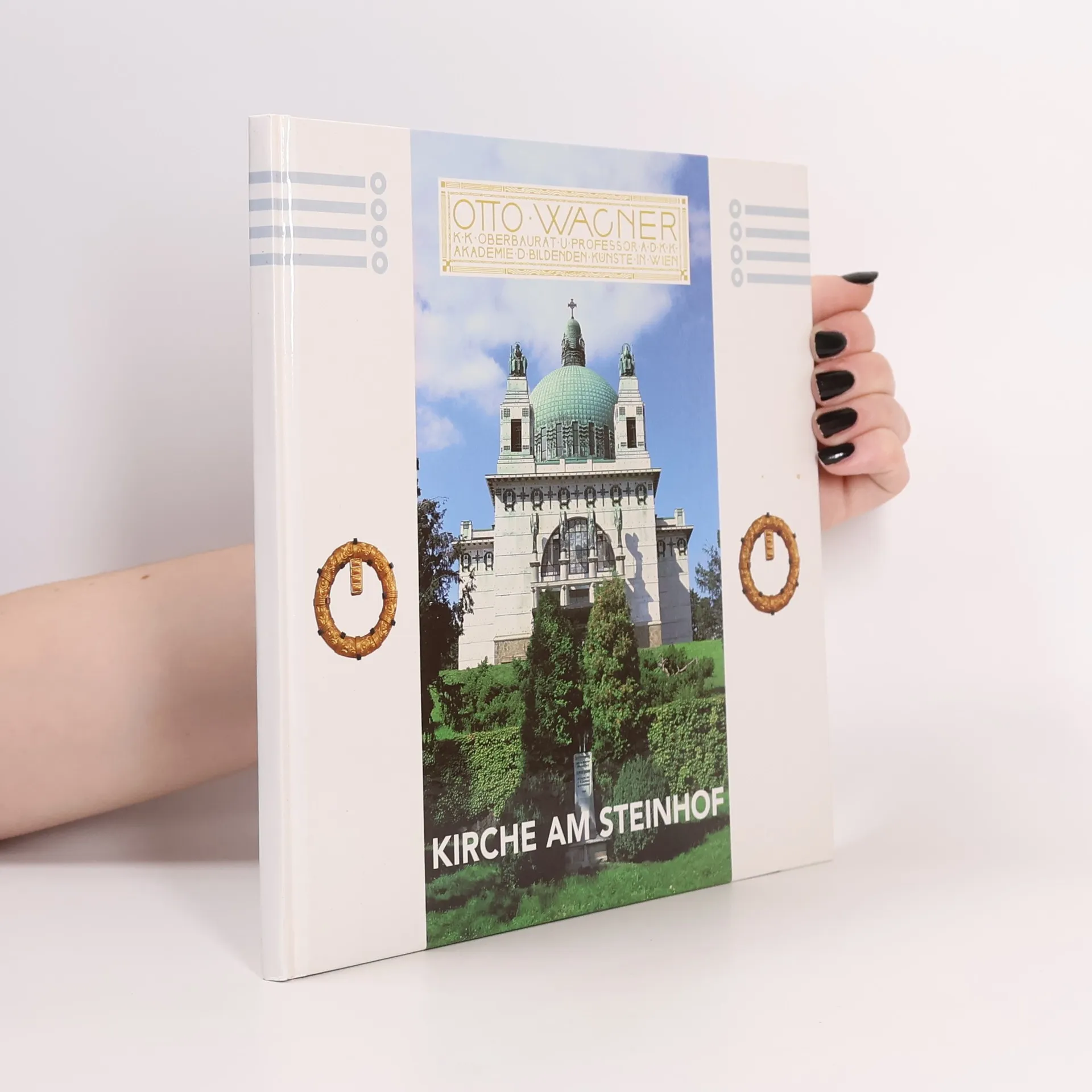
Kirche am Steinhof
- 59 pages
- 3 hours of reading
Otto Wagner und Wien
- 158 pages
- 6 hours of reading
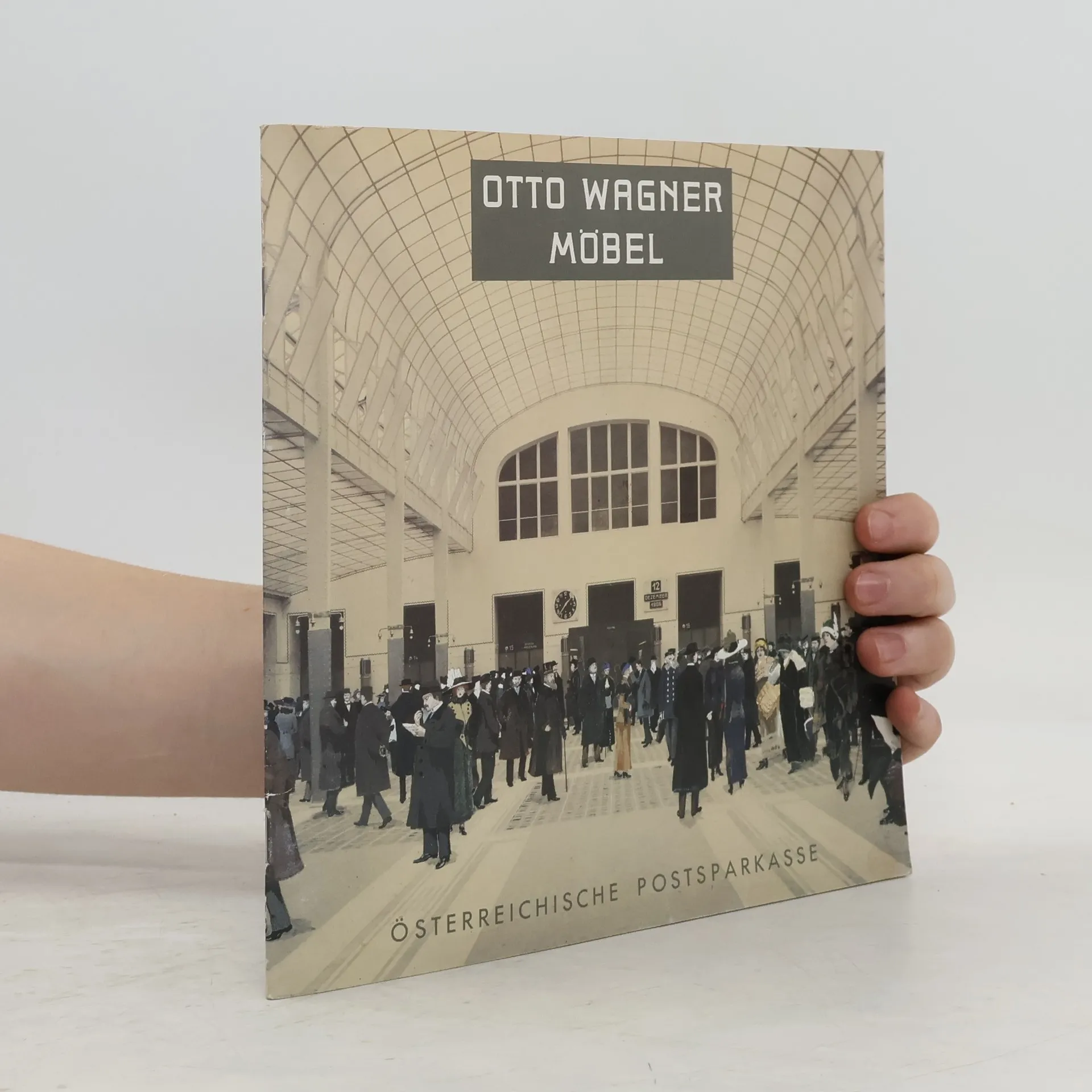
Otto Wagner. Möbel
- 36 pages
- 2 hours of reading
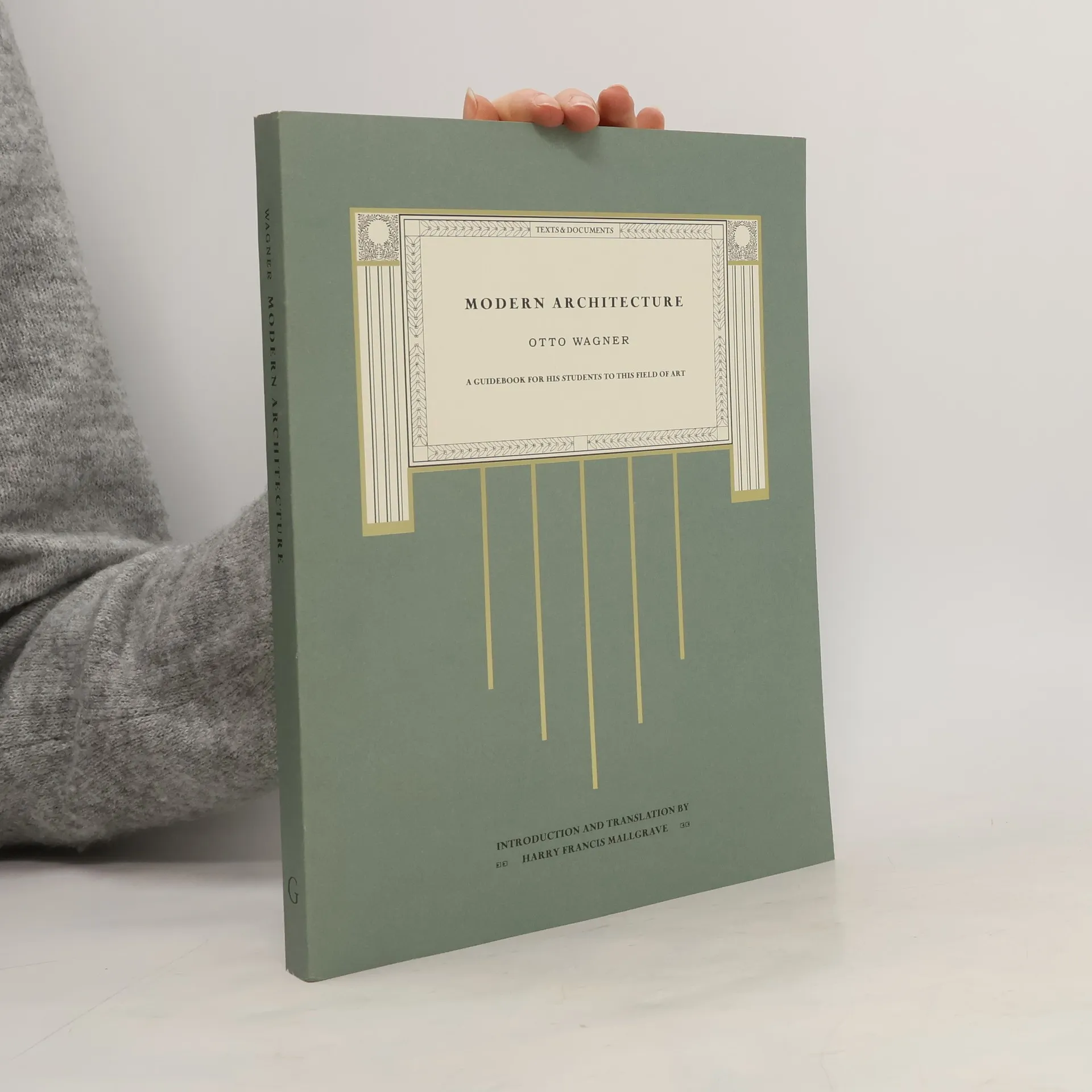
Modern Architecture
- 200 pages
- 7 hours of reading
This series offers a range of heretofore unavailable writings in English translation on the subjects of art, architecture, and aesthetics.Wagner's manifesto is a plea for an end to architectural eclecticism and for a more rational approach to design suited to contemporary life.
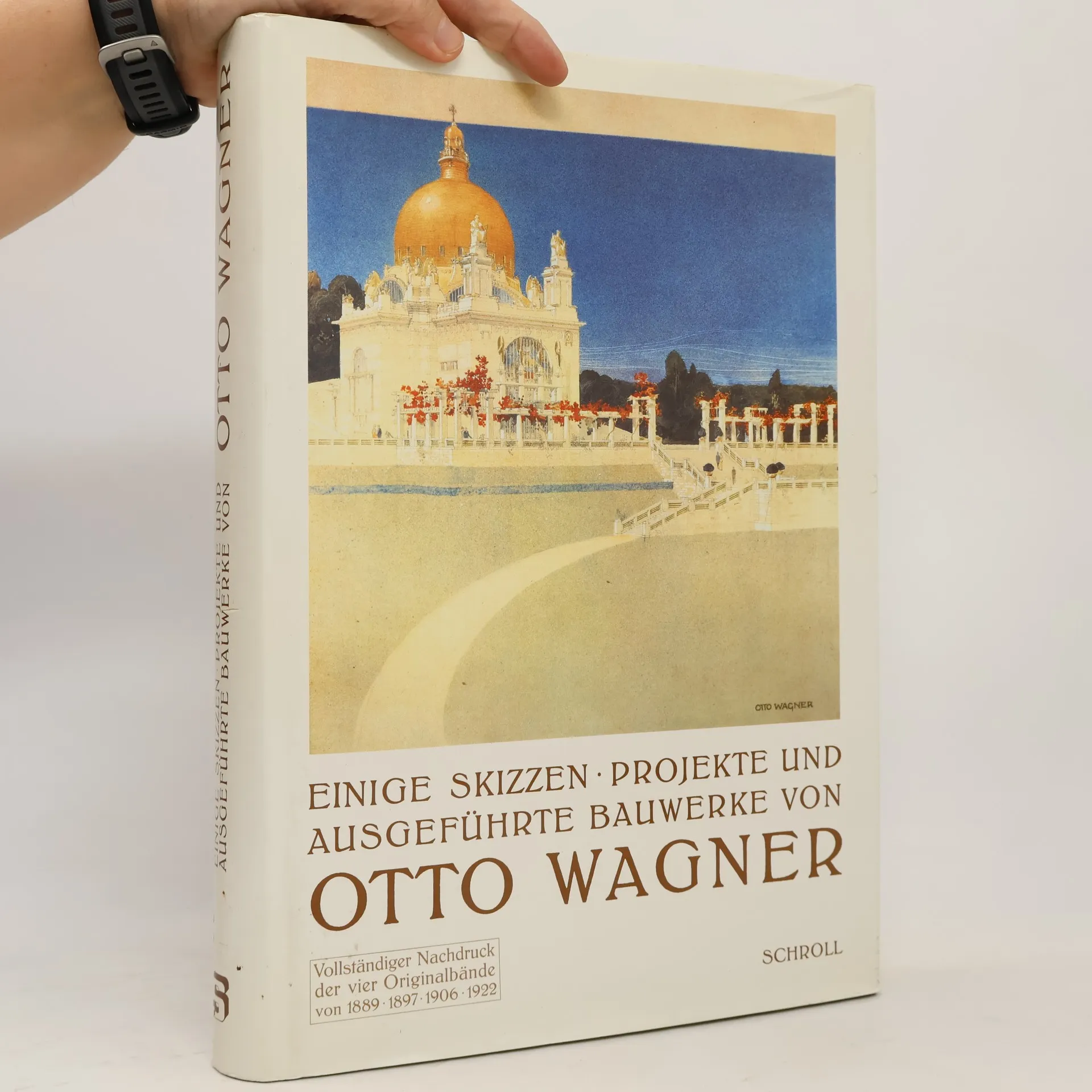
Einige Skizzen, Projekte und ausgeführte Bauwerke
- 428 pages
- 15 hours of reading
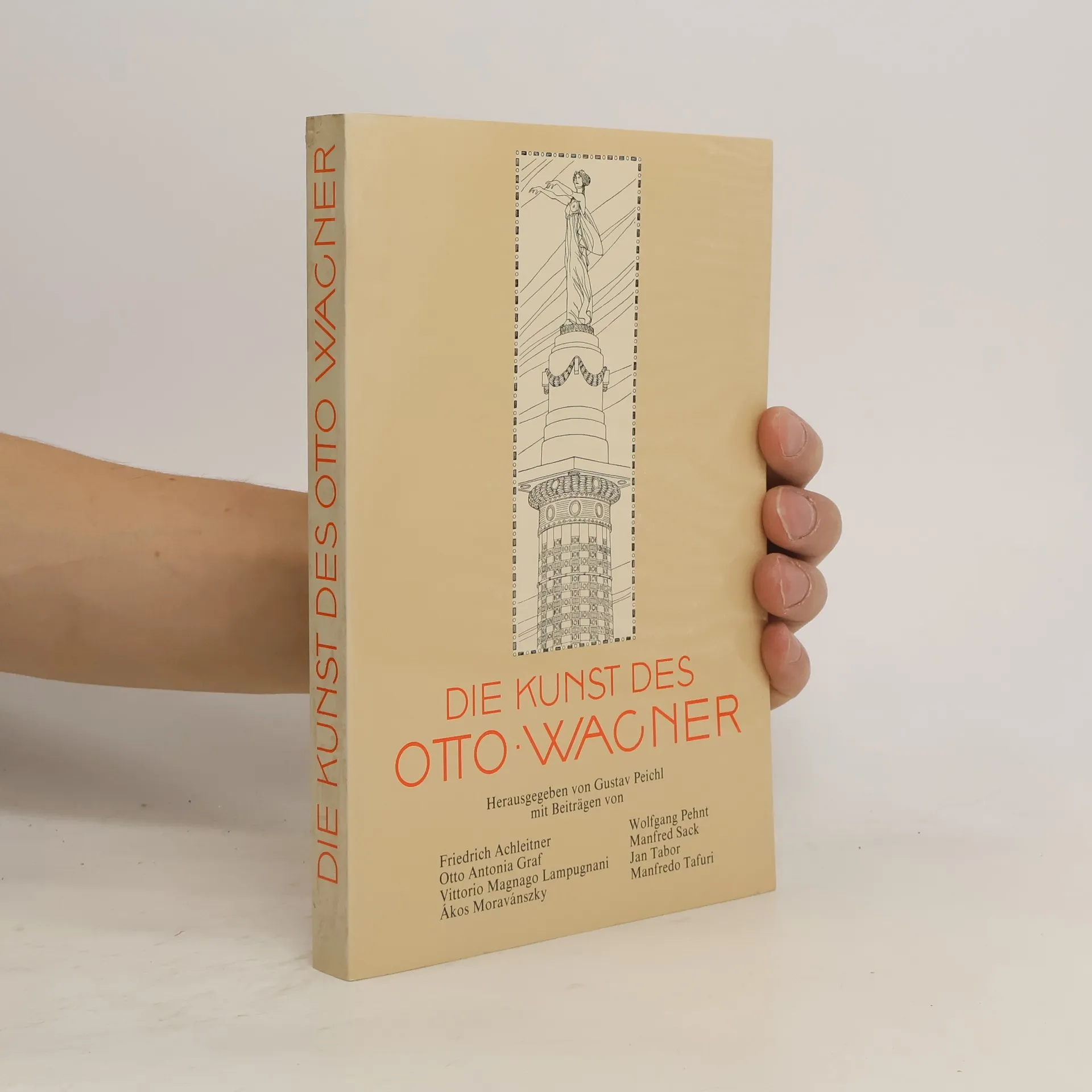
Die Kunst des Otto Wagner
- 202 pages
- 8 hours of reading
Zu Otto Wagners Dialektik Des Schönen / Friedrich Achleitner -- Der Pfeil Der Zukunft / Otto Antonia Graf -- Anmerkungen Zu Otto Wagner / Vittorio Magnago Lampugnani -- Byzantinismus In Der Baukunst Otto Wagners Als Motiv Seiner Wirkung östlich Von Wien / Ákos Moravánszky -- Verwerfungen Im Untergrund / Wolfgang Pehnt -- Der Gesunde Beruf, Die Späte Abkehr, Die Mutige Haltung Des Architekter Otto Wagner / Manfred Sack -- Otto Wagner Und Die Verwandten Geister / Jan Tabor -- Am Steinhof : Centrality And Surface In Otto Wagner's Architecture / Manfredo Tafuri. Herausgegeben Von Gustav Peichl. English And German. Issued In Conjunction With An Exhibition Held At The Akademie Der Bildenden Künste, Vienna, In 1984. Includes Bibliographical References.
Otto Wagner
- 72 pages
- 3 hours of reading
Otto Wagner was a pioneer of 20th-century architecture, creating key works of modernity such as the Vienna Stadtbahn, the Postal Savings Bank, and the Church at Steinhof. In response to historicism, Wagner designed a radiant, rational architecture for the future, grounded in purpose, material, and construction. His radical designs, visualized in spectacular drawings, represented a breakthrough for modernists while provoking traditionalists. Consequently, many of his projects remained on paper. This richly illustrated volume includes contributions from renowned experts and features the first annotated catalog of all of Wagner's works, promising to become the standard reference on the architect's oeuvre.
„Alles modern Geschaffene muss dem Materiale und den Anforderungen der Gegenwart entsprechen, wenn es zur modernen Menschheit passen soll„, postuliert Wagner in seiner “Baukunst", die erstmals 1896 erschien. Damit stellt er sich gegen den Historismus der Ringstraßenbauten. Das Handbuch, das er für seine Studierenden schreibt, gibt die Quintessenz seiner aus der Praxis abgeleiteten Architekturtheorie wieder. In prägnanten Aussagen, die wie Merksätze formuliert sind, vermittelt er seine Anforderungen an eine zeitgemäße Baukunst, die international großes Ansehen erlangte und bis heute Gültigkeit besitzt. Eine spannende Auseinandersetzung mit Architektur und eine Empfehlung für alle Leser/innen, die sich für Architektur und Kunst interessieren.
Otto Wagner, 1841-1918
- 283 pages
- 10 hours of reading
Das Standardwerk über den bahnbrechenden Architekten...
S cizineckou legií proti Rommelovi
- 219 pages
- 8 hours of reading
Captain Wagner traveled across equatorial Africa to the Middle East in 1941, assuming command of the 6th Company of the 2nd Battalion of the 13th Foreign Legion Half-Brigade. His first combat deployment occurred during the suppression of violence along the Euphrates River. The following year, his unit moved to Libya and participated in the battles at Bir-Hakim. In the autumn of 1942, while serving as the deputy commander of the battalion, he led legion units in an attack on a hill near El Himeimat, where he sustained severe injuries. During his recovery, he was promoted to major and later held various command positions in training units in North Africa and France after his healing. He kept a diary documenting the course of these battles, which was later published in 1970 under the title "With the Foreign Legion Against Rommel."
Das Ehrenjahr Otto Wagners
Arbeiten seiner Schüle
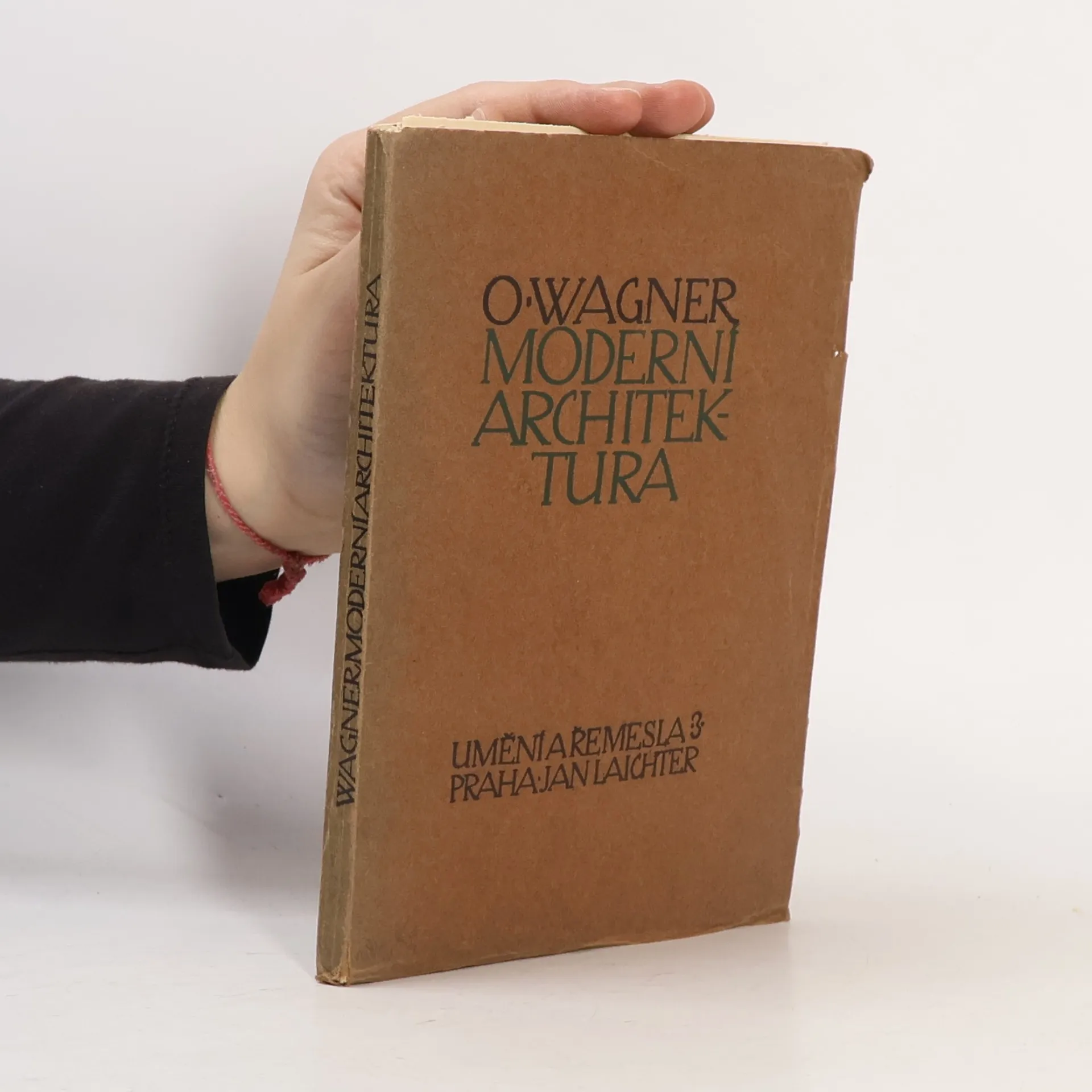
Teoretický spis Moderní architektura sepsal roku 1895 nově jmenovaný profesor Otto Wagner pro své studenty na vídeňské akademii. Vznikl z potřeby studentům i širší veřejnosti sdělit své názory. Během krátké doby se však populární dílo dočkalo několika nových vydání, překladů do dalších jazyků a stalo se prvním architektonickým manifestem 20. století. Otto Wagner, hlavní představitel vídeňské secese, vychází z myšlenek německého architekta Sempera o racionalismu v architektuře ("co není účelné, nemůže být krásné"). Požaduje ukončení "archeologické" praxe kopírování historických slohů a naopak vytvoření nového užitkového stylu založeného na účelnosti, vhodně zvoleném materiálu a hlavně konstrukci. Úkolem architekta není podle něj imitovat staré předlohy, nýbrž studovat potřeby moderního člověka a nabídnout pro něj "moderní, námi vytvořené formy". Wagnerovi žáci, mezi něž patřili i Jan Kotěra, Josef Hoffmann nebo Josip Plečnik, posléze na školách celé střední Evropy šířili myšlenky svého učitele. K zásadám, formulovaným v Moderní architektuře, se hlásila i pozdější funkcionalistická avantgarda dvacátých a třicátých let 20. století a považovala Wagnera za svého předchůdce. Součástí knížky jsou také černobílé fotografie a výkresy Wagnerových staveb.
Teoretický spis Moderní architektura sepsal roku 1895 nově jmenovaný profesor Otto Wagner pro své studenty na vídeňské akademii. Vznikl z potřeby studentům i širší veřejnosti sdělit své názory. Během krátké doby se však populární dílo dočkalo několika nových vydání, překladů do dalších jazyků a stalo se prvním architektonickým manifestem 20. století. Otto Wagner, hlavní představitel vídeňské secese, vychází z myšlenek německého architekta Sempera o racionalismu v architektuře ("co není účelné, nemůže být krásné"). Požaduje ukončení "archeologické" praxe kopírování historických slohů a naopak vytvoření nového užitkového stylu založeného na účelnosti, vhodně zvoleném materiálu a hlavně konstrukci. Úkolem architekta není podle něj imitovat staré předlohy, nýbrž studovat potřeby moderního člověka a nabídnout pro něj "moderní, námi vytvořené formy". Wagnerovi žáci, mezi něž patřili i Jan Kotěra, Josef Hoffmann nebo Josip Plečnik, posléze na školách celé střední Evropy šířili myšlenky svého učitele. K zásadám, formulovaným v Moderní architektuře, se hlásila i pozdější funkcionalistická avantgarda dvacátých a třicátých let 20. století a považovala Wagnera za svého předchůdce. Součástí knížky jsou také černobílé fotografie a výkresy Wagnerových staveb.