Helena Janeczek is a writer whose work delves into the forgotten narratives and marginalized voices within history. Her writing often carries a deeply autobiographical resonance, exploring themes of identity, memory, and the weight of the past. She crafts prose that is both evocative and insightful, bringing to life poignant human experiences against significant historical backdrops. Janeczek's distinctive literary approach compels readers to confront the complexities of history and the enduring impact of individual lives.
Focusing on the life of Gerda Taro, this biographical novel explores the journey of a pioneering German Jewish war photographer and antifascist. It highlights her significant contributions to photojournalism during the Spanish Civil War, where she became the first woman to die on the frontline while documenting the conflict. The narrative delves into her courage, passion for truth, and the challenges she faced as a female journalist in a male-dominated field.
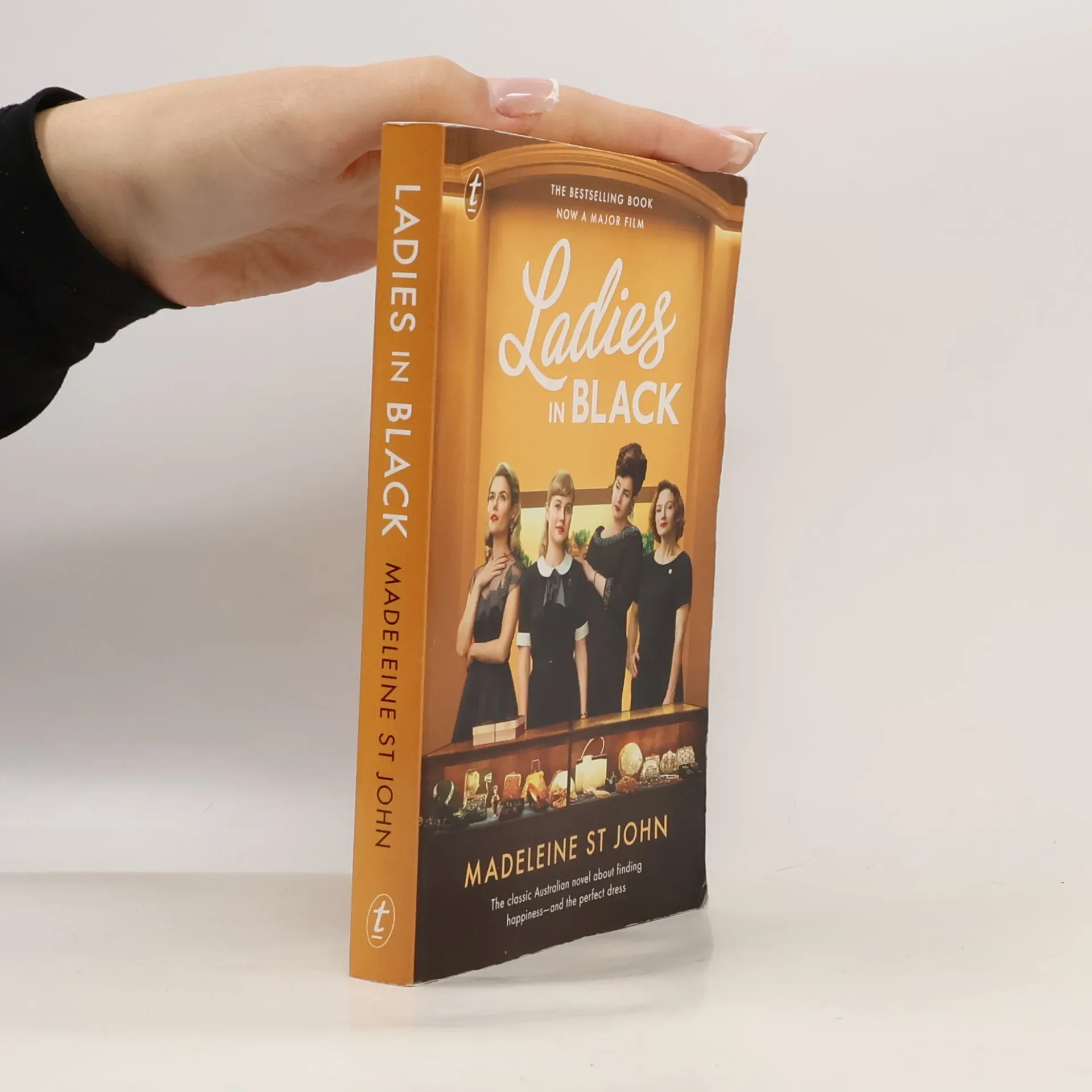
At the very end of the Ladies’ Frocks Departments, past Cocktail Frocks, there was something very special, something quite, quite wonderful; but it wasn’t for everybody: that was the point. Because there, at the very end, there was a lovely arch, on which was written in curly letters Model Gowns. Written by a superb novelist of contemporary manners, Ladies in Black is a fairytale which illuminates the extraordinariness of ordinary lives. The women in black are run off their feet, what with the Christmas rush and the summer sales that follow. But it’s Sydney in the 1950s, and there’s still just enough time left on a hot and frantic day to dream and scheme… By the time the last marked-down frock has been sold, most of the staff of the Ladies’ Cocktail section at F. G. Goode’s have been launched into slightly different careers. With the lightest touch and the most tender of comic instincts, Madeleine St John conjures a vanished summer of innocence. Ladies in Black is a great novel, a lost Australian classic.
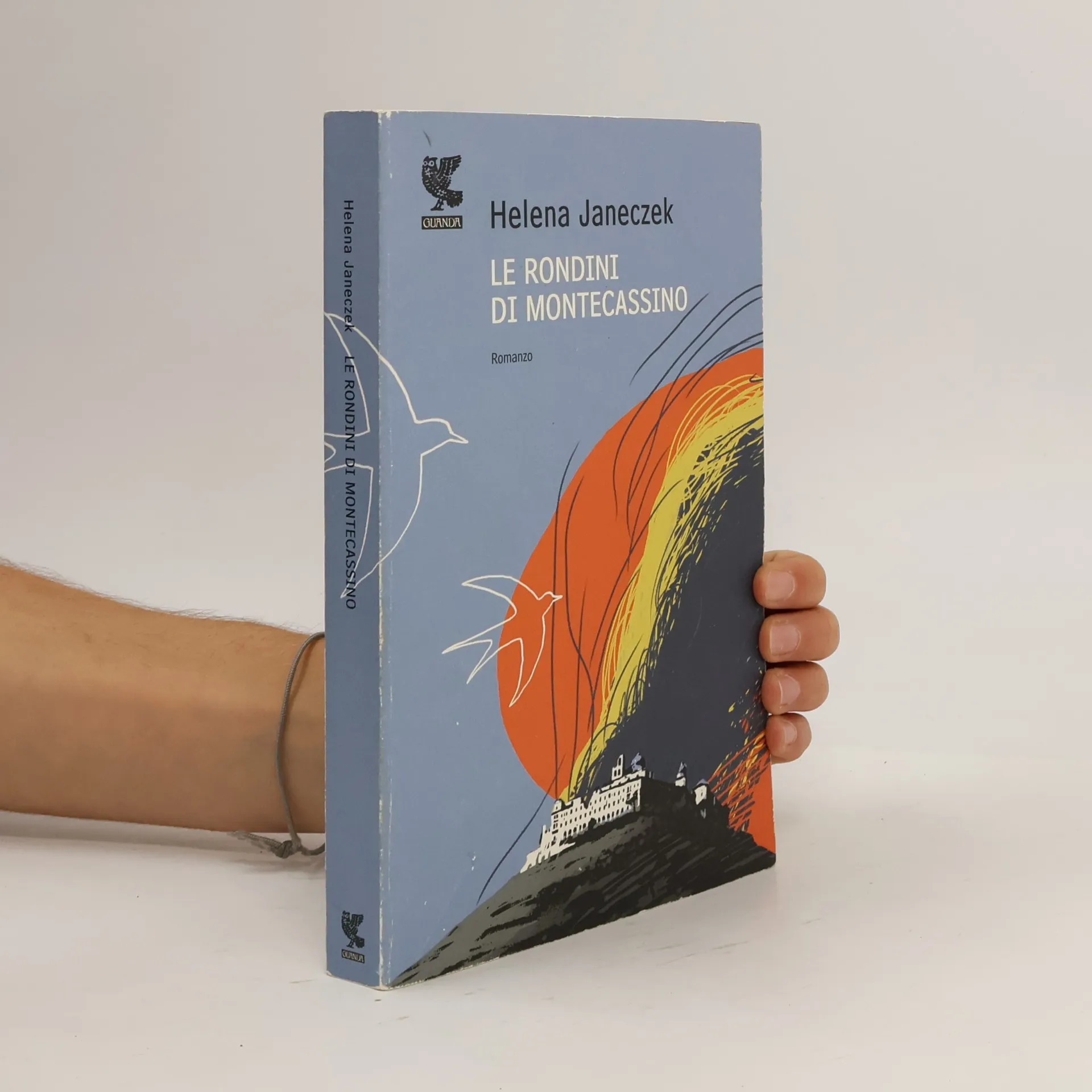
Montecassino, 1944. Per quattro mesi gli alleati tentano di sfondare le linee tedesche. Su quel fronte terribile non sono impegnati solo americani e inglesi, ma anche truppe di altri continenti che il vortice della guerra mondiale ha risputato in Ciociaria: indiani, nepalesi, magrebini e persino un battaglione di maori della Nuova Zelanda. Ci sono i polacchi, un esercito di ex deportati del Gulag che combattono in terra straniera per la libertà da Stalin e da Hitler. Fanno parte di quella strana compagine anche un migliaio di ebrei, che imbracciano le armi per il puro diritto a esistere. E ci sono i civili, tra due fuochi. Chi erano quegli uomini che, pur dalla parte dei vincitori, vanno incontro a un destino di vinti? E quali segni ha lasciato l’immenso sconvolgimento della Seconda guerra mondiale? Helena Janeczek cerca di rispondere con un affresco di storie che, ricongiungendo il passato al presente, nascono sia dall’invenzione, sia dallo scavo nella memoria più personale. Partendo con un taxi da Milano, incontriamo John Wilkins, sergente texano, Rapata Sullivan, nipote di un veterano maori, Edoardo e Anand, ragazzi cresciuti a Roma che a Cassino vanno per spirito di avventura, e ancora, Irka, fuggita dal ghetto per ritrovarsi in Siberia dove finisce anche il soldato Milek, reduce ebreo-polacco, morto a Milano senza trasmettere ai suoi figli un’esperienza fatta di orrore e di coraggio.
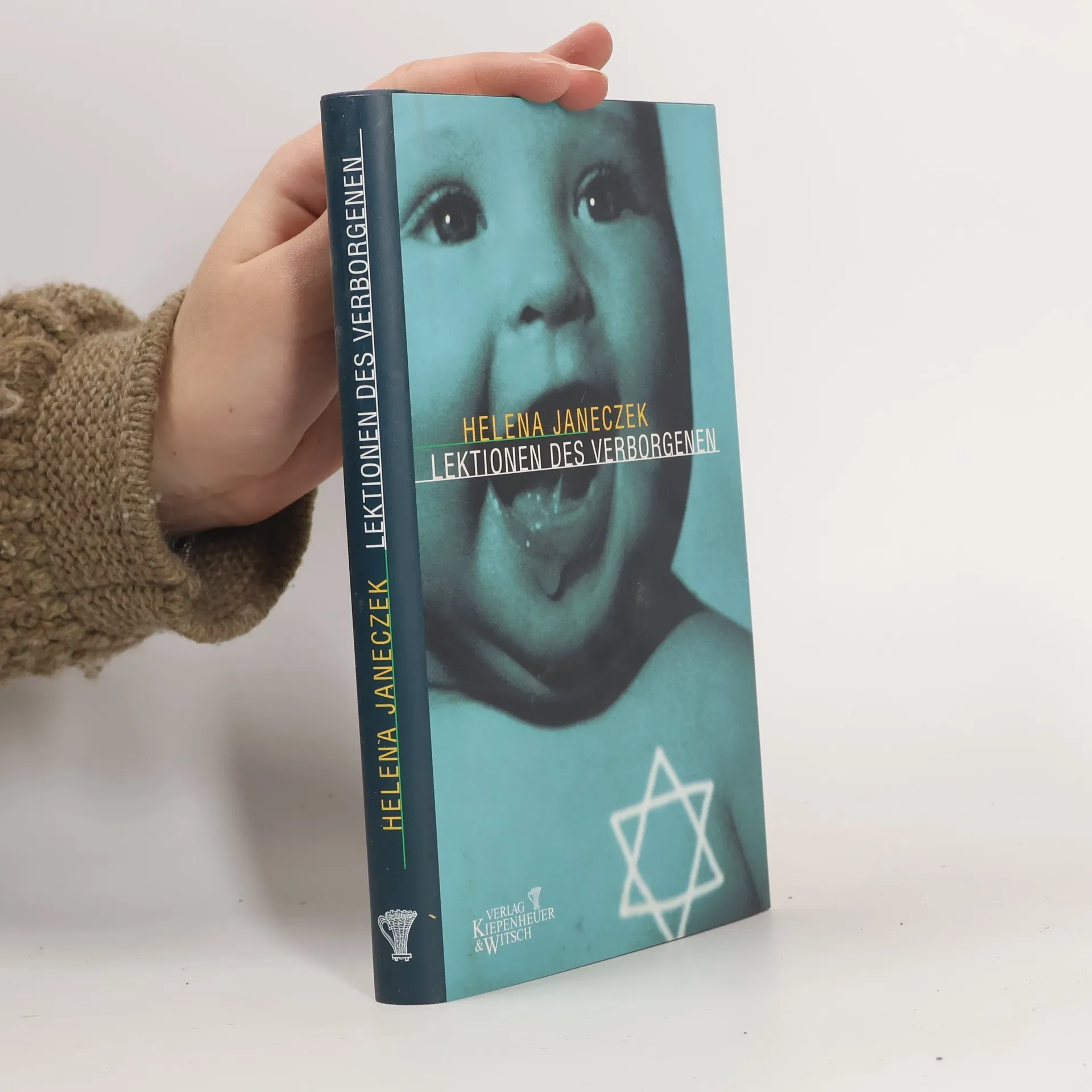
„Moi, depuis un bon moment déjà, il y a une chose que j’aimerais savoir. J’aimerais savoir s’il est possible de transmettre des connaissances et des expériences non avec le lait maternel, mais bien avant, à travers le placenta ou je ne sais comment, parce que le lait de ma mère, je ne l’ai pas bu, mais j’ai, en revanche, une faim atavique, une faim de mort de faim qu’elle, ma mère, n’a plus. Ainsi s’interroge, dès le début du livre, la narratrice dont la mère, juive polonaise, a survécu à la Shoah qui a englouti toute sa famille. Car la vie quotidienne est imprégnée de cette expérience que les mots sont impuissants à communiquer. D’où le “dressage” continuel et parfois insupportable que la mère impose à sa fille, pour la prémunir contre les dangers, réels ou imaginaires, sans cesse aux aguets. D’où ce sentiment d’être étrangère au monde allemand et à sa culture, même si l’Allemagne a été, par la suite et pour un temps, leur terre d’adoption. Un voyage accompli ensemble, à Auschwitz-Birkenau, et raconté avec une pudeur infinie, permettra, malgré la douleur qu’il suscite, de rapprocher mère et fille, dans la tendresse et la compassion. Par étapes, graduellement, Helena Janeczek nous conduit au bord d’un abîme, dans ses propres ténèbres et dans celles de son histoire familiale : pour dépasser la stupéfaction devant le mal, il faut peut-être oser le regarder en face.
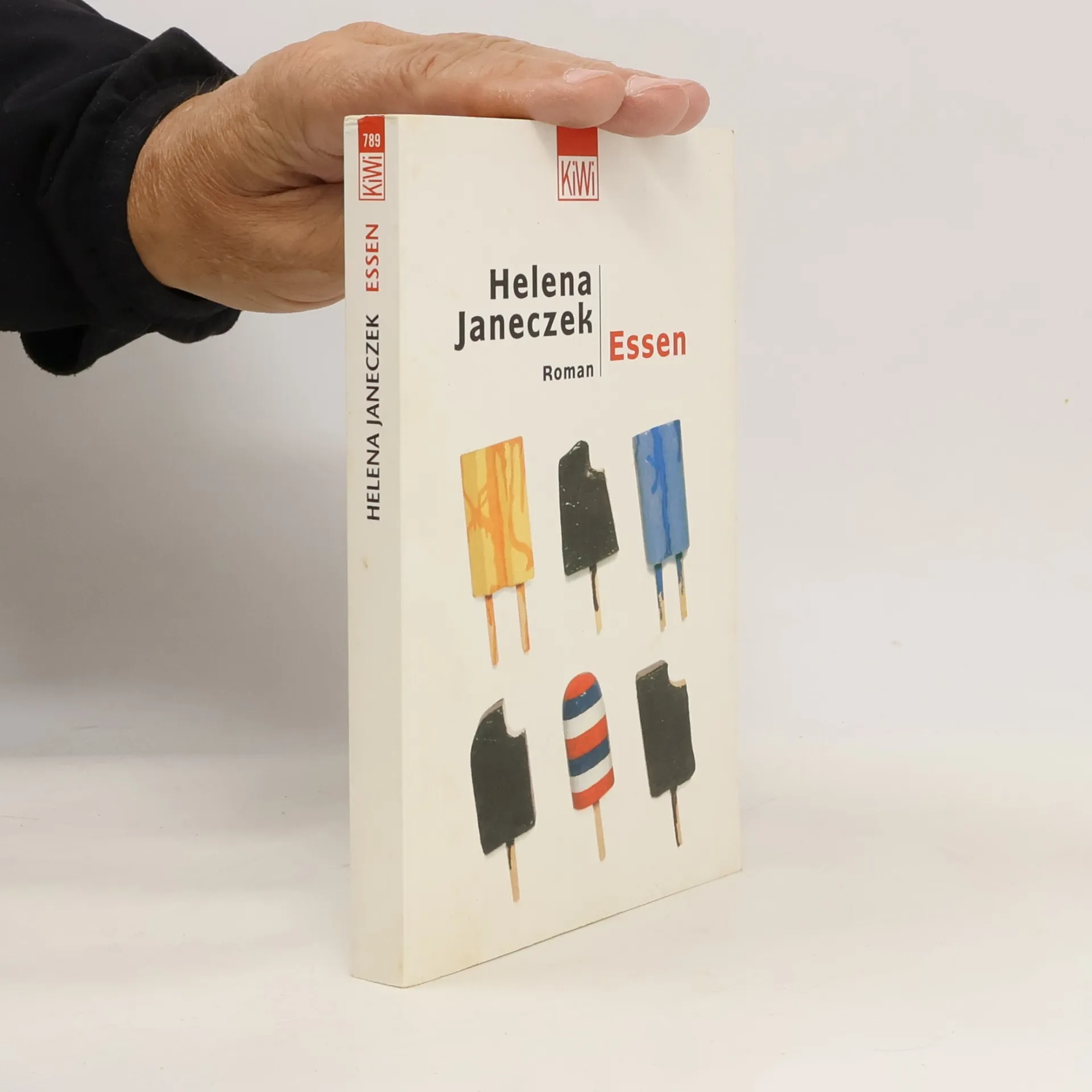
Ein poetischer und nachdenklich stimmender Roman über das Frauenthema Essen und wie es das Leben beeinflusst.Diäten machen einsam und unglücklich, und um sich die Zeit der Entbehrungen angenehmer zu gestalten, sucht die junge Ich-Erzählerin ein Studio auf, in dem die Kosmetikerin Daniela ihr ein Wohlfühlprogramm mit Massage verpasst und Durchhalteparolen formuliert. Dabei kennt auch Daniela die negativen Seiten des Essens. Die beiden Frauen, die unterschiedlicher nicht sein könnten, aus unterschiedlichen Ländern stammen und dennoch ein ähnliches Schicksal teilen, kommen sich näher und nehmen den Leser mit in die Welt des Essens – als Flucht und als Krankheit, als Lust und als Zwang, als Rebellion und als Anpassung.