
Explore the latest books of this year!
Bookbot

Elizabeth S. Anderson

    December 5, 1959

    Elizabeth Anderson is a professor of Philosophy and Women's Studies. Her work, including the book Value in Ethics and Economics, delves into the ethical and economic dimensions of value. She explores how our judgments of value are shaped by social and political forces.

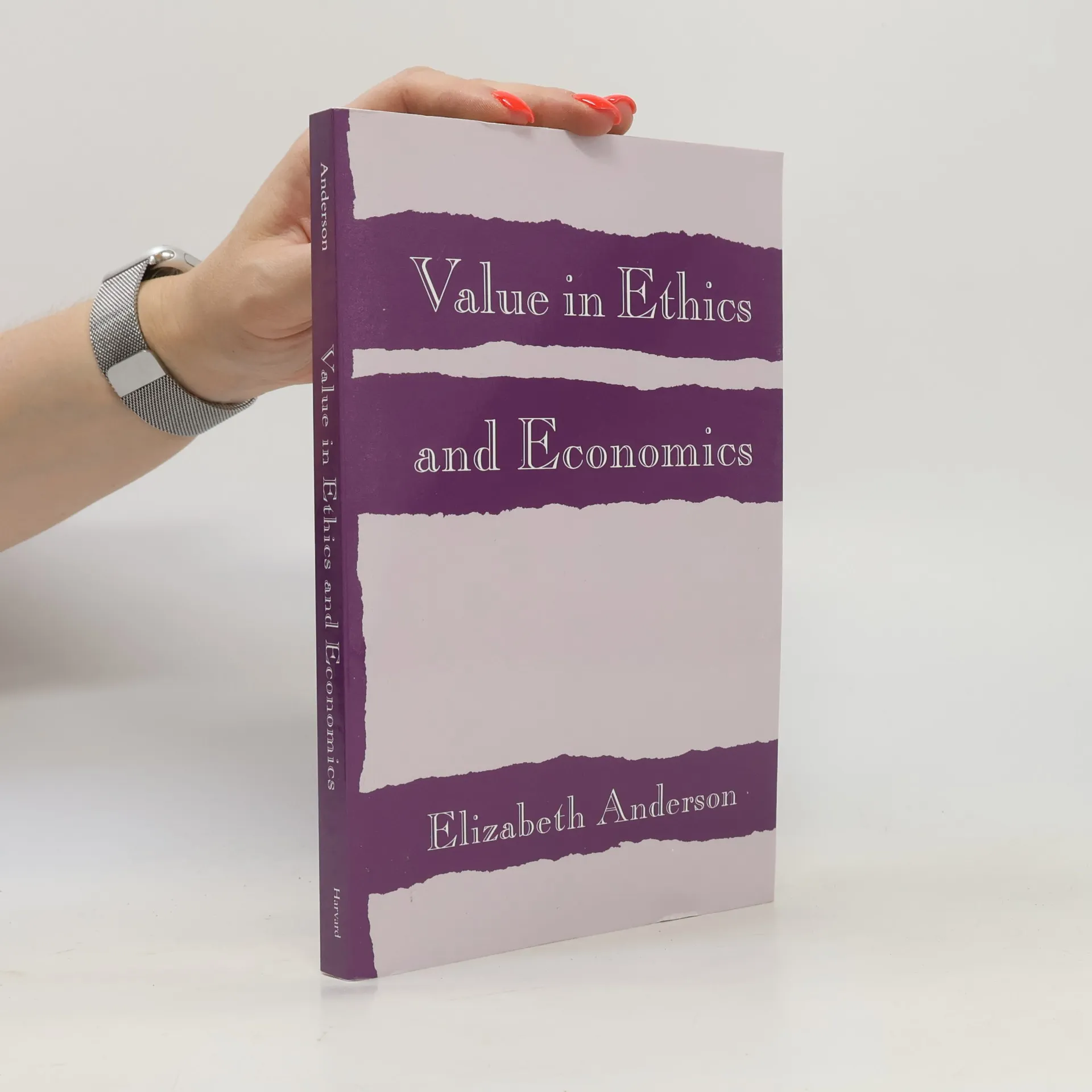
    Value in Ethics and Economics
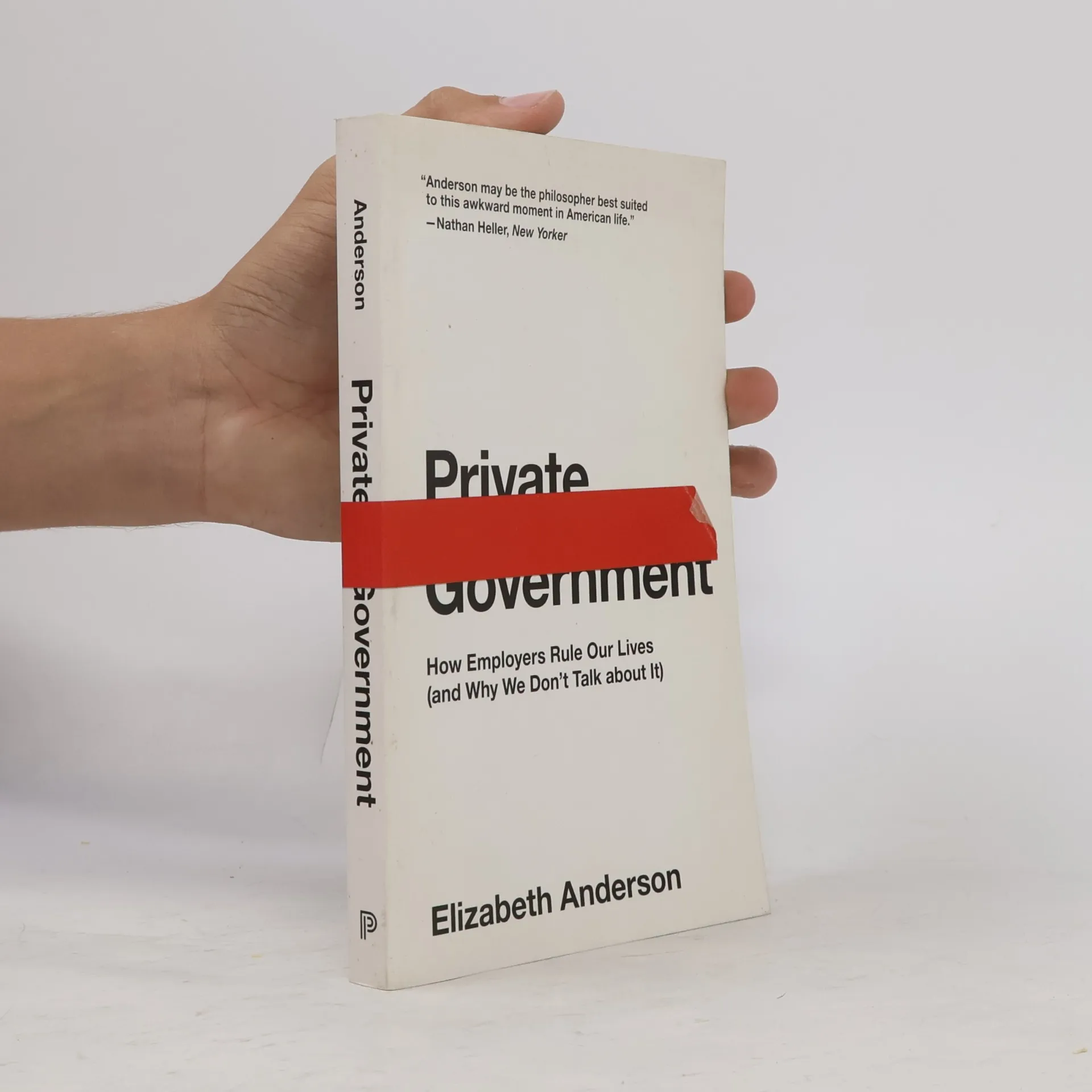
    Private Government
    • Private Government

      How Employers Rule Our Lives (And Why We Don't Talk About It)

      • 224 pages
      • 8 hours of reading

      Why our workplaces are authoritarian private governments—and why we can’t see it One in four American workers says their workplace is a “dictatorship.” Yet that number almost certainly would be higher if we recognized employers for what they are—private governments with sweeping authoritarian power over our lives. Many employers minutely regulate workers’ speech, clothing, and manners on the job, and employers often extend their authority to the off-duty lives of workers, who can be fired for their political speech, recreational activities, diet, and almost anything else employers care to govern. In this compelling book, Elizabeth Anderson examines why, despite all this, we continue to talk as if free markets make workers free, and she proposes a better way to think about the workplace, opening up space for discovering how workers can enjoy real freedom.

      Private Government
      3.3
    • Value in Ethics and Economics

      • 262 pages
      • 10 hours of reading

      Elizabeth Anderson offers a new theory of value and rationality that rejects cost-benefit analysis in our social lives and in our ethical theories. This account of the plurality of values thus offers a new approach, beyond welfare economics and traditional theories of justice, for assessing the ethical limitations of the market. In this light, Anderson discusses several contemporary controversies involving the proper scope of the market, including commercial surrogate motherhood, privatization of public services, and the application of cost-benefit analysis to issues of environmental protection.

      Value in Ethics and Economics