Bei Oliver Dorfer treffen Populärkultur und Kunstgeschichte aufeinander: Er verarbeitet die alltägliche Bilderflut in der Dimension des Alltäglichen und bearbeitet sie in der Tradition des Pop durch eine Stilisierung, die an japanische Mangas oder bestimmte Codes der Streetart erinnert. Die Se- mantik der Fumettis und der Werbelogos ist eine klare Fortführung jener Massenästhetik, mit der Künstler der Kunsthistorie wie Johns, Rosenquist und Warhol experimentierten und mit der noch heute zahlreiche Künstler arbeiten.
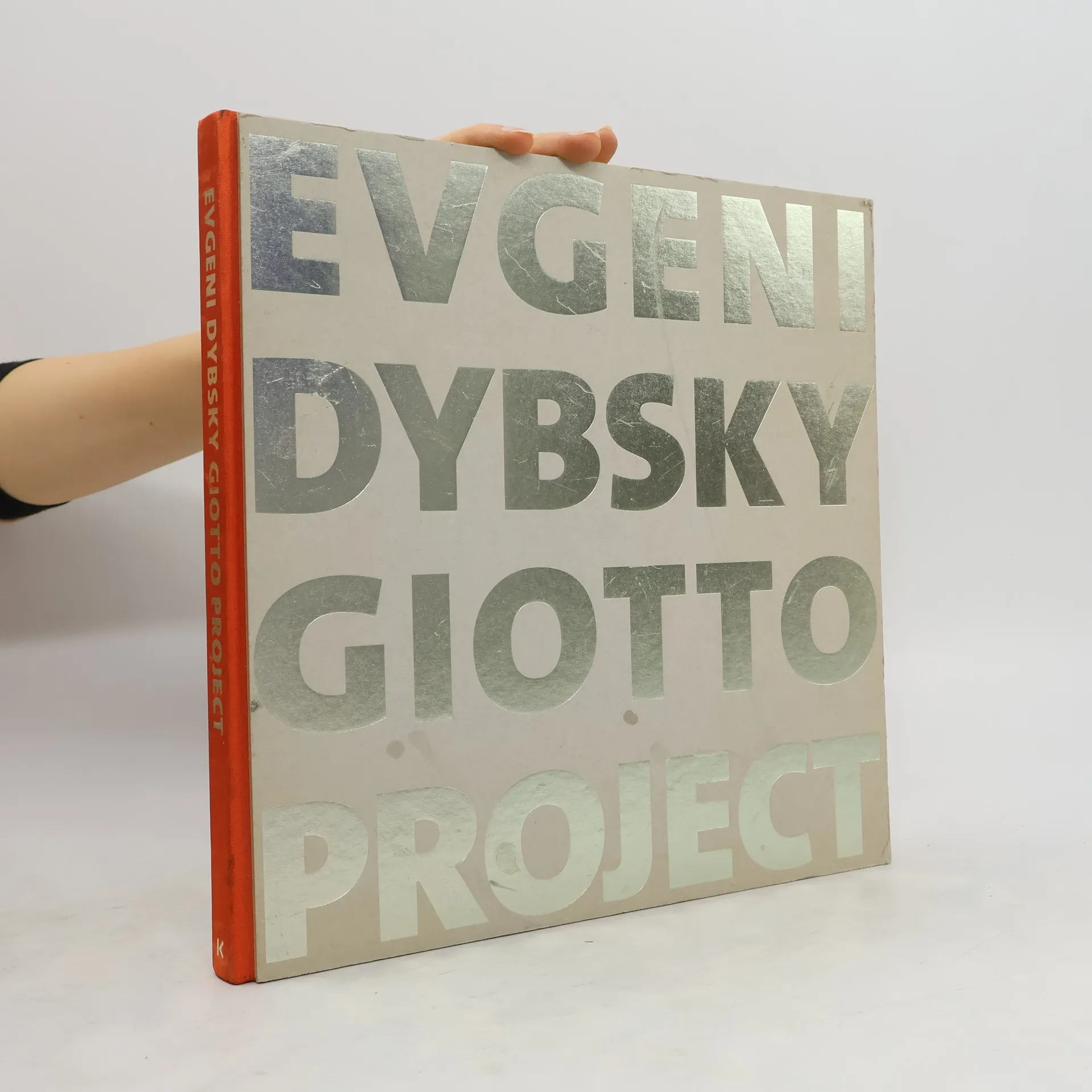
Der in Berlin und Moskau lebende Maler Evgeni Dybsky entwickelte seine körperartige, dreidimensionale und strukturreiche Malerei im Dialog mit den Fresken von Giotto di Bondone. Sieben Jahren arbeitete Dybsky an diesem Projekt, inspiriert von der Restaurierung des Freskenzyklus in der Cappella degli Scrovegni. Dabei entstanden Werke in der Größe der giottesken Fresken in Padua, aber auch kleinere Fragmente, Aquarelle und Zeichnungen – wichtige Hilfsmittel für den Maler. Diese Publikation zeigt alle 220 Arbeiten und veranschaulicht in zahlreichen Vergrößerungen die Besonderheit von Dybskys Malereistruktur. Biografie Evgeni Dybsky: 1955 geboren in Constanza, Rumänien 1978 Abschluss an der Moscow Art School 1984 Abschluss am Surikov Art Insitute, Moskau Lebt und arbeietet in Berlin and Moskau
The World Art series is dedicated to the most significant figures in the history of art and their works. The beautifully designed books feature a wealth of high-quality color reproductions, allowing readers to gain a clear understanding of the artist's creations. Accompanying these images is a well-informed biographical text that summarizes not only essential information about the painter's life but also his attitudes, opinions, and general approach to art.
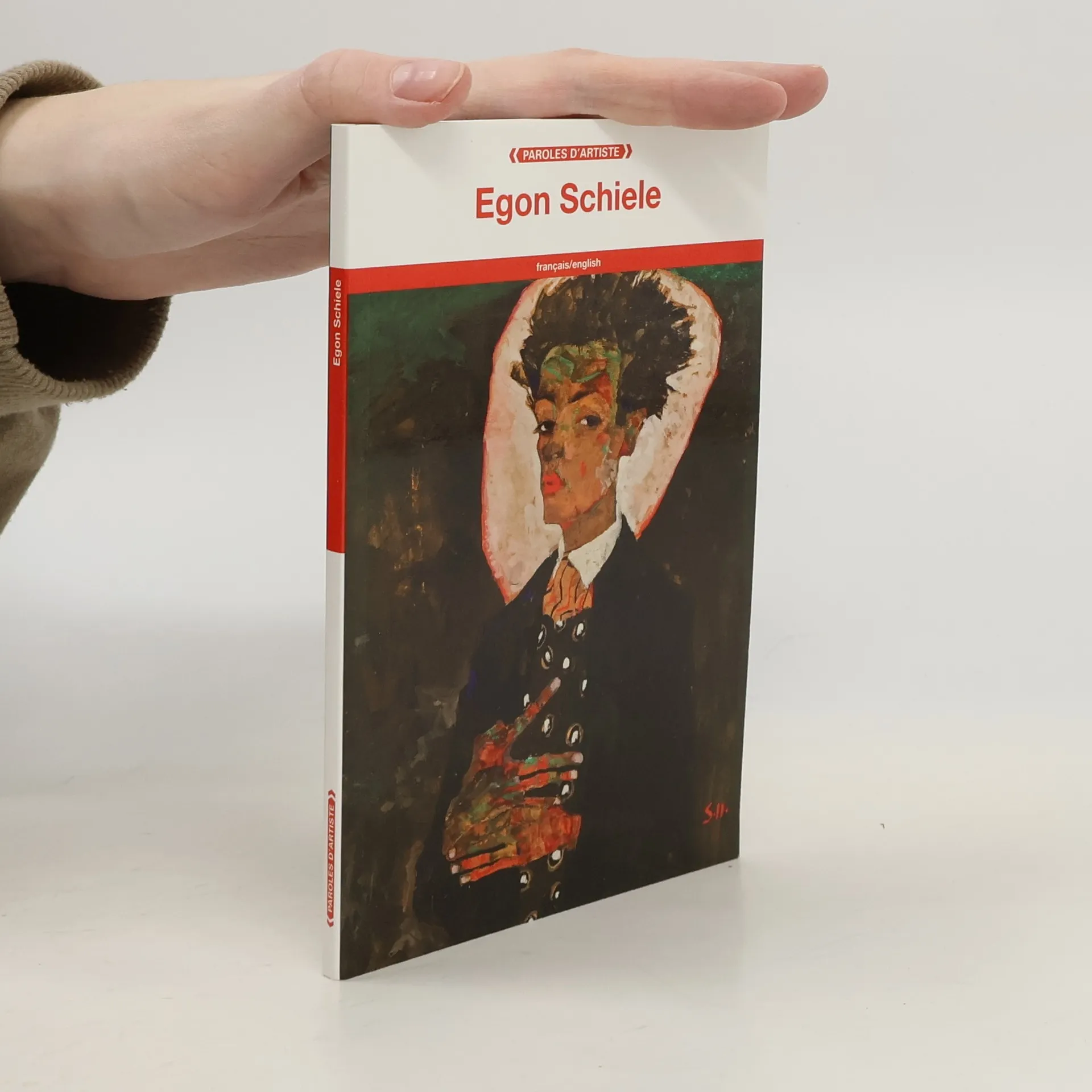
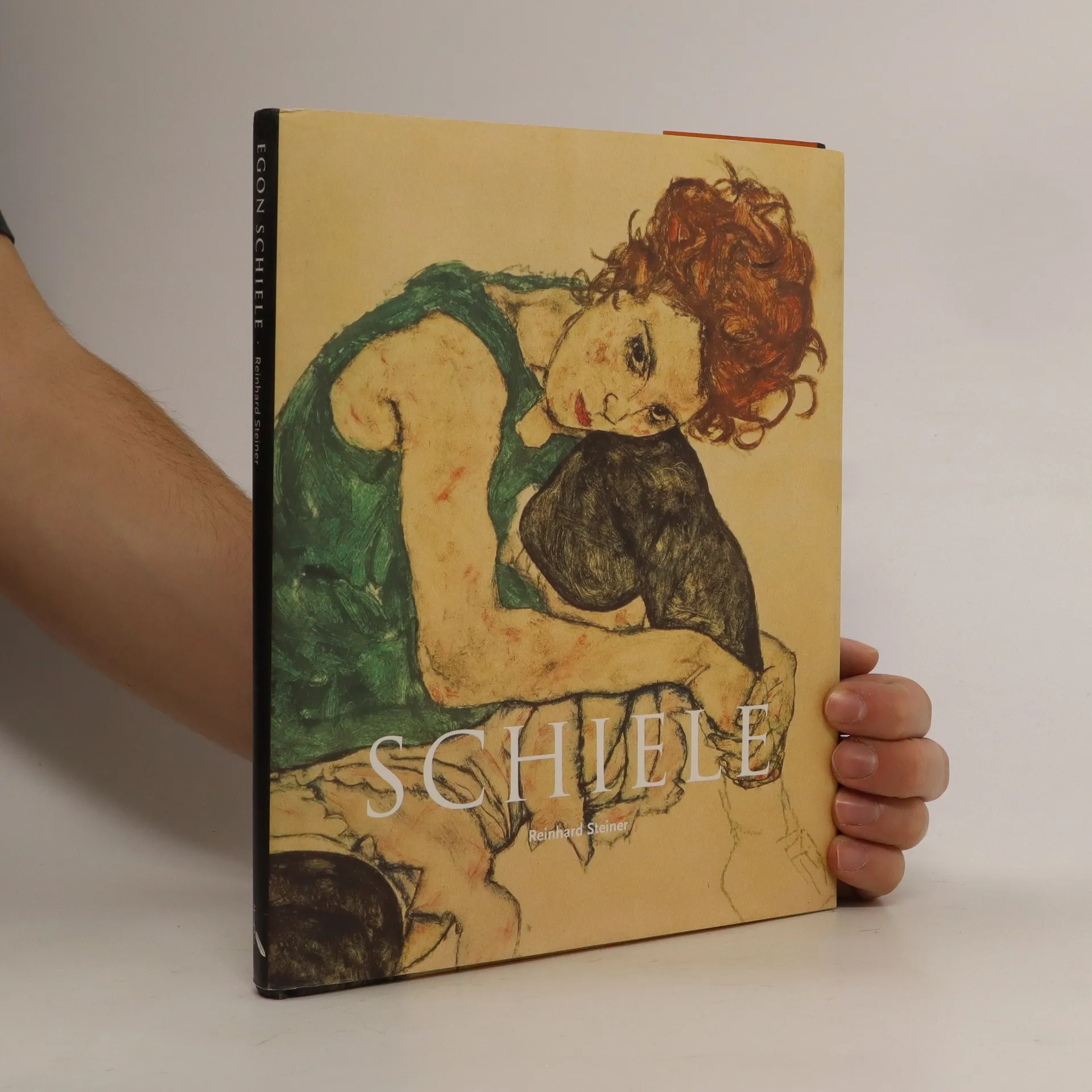
Egon Schiele (1890–1918) was a prominent Austrian expressionist painter and draftsman, a student of Gustav Klimt. He created a number of self-portraits and nudes that shocked his contemporaries with their erotic charge. Schiele's work is characterized by its raw emotional intensity and exploration of the human form, making him a pivotal figure in the expressionist movement. His art continues to provoke thought and discussion, reflecting the complexities of desire and identity.
With his unique drawing style, distorted figures, and rejection of conventional ideals of beauty, Egon Schiele (1890-1918) was a pioneer of Viennese Expressionism and is considered one of the most impressive portrait painters of the 20th century. Under the influence of his mentor Gustav Klimt, Schiele began with the glittering Art Nouveau but soon developed a rough and provocative aesthetic characterized by harsh lines, bright colors, and emaciated figures. His portraits and self-portraits shocked Viennese society with their erotic poses and an unprecedented psychological and sexual intensity. Often, he or his models, who are sometimes gaunt and sickly, sometimes strong and sensual, crouch on the ground with spread legs and visible genitals, staring at the viewer. Many contemporaries found his works not only ugly but also morally reprehensible, leading to a brief imprisonment for "dissemination of immoral drawings." Today, Schiele is celebrated for his revolutionary representation of humanity and his unmistakable, feverish drawing style. The book introduces Schiele's short but intense career through selected works and highlights his enormous influence on modern art, which is also reflected in the work of contemporary artists like Tracey Emin and Jenny Saville.
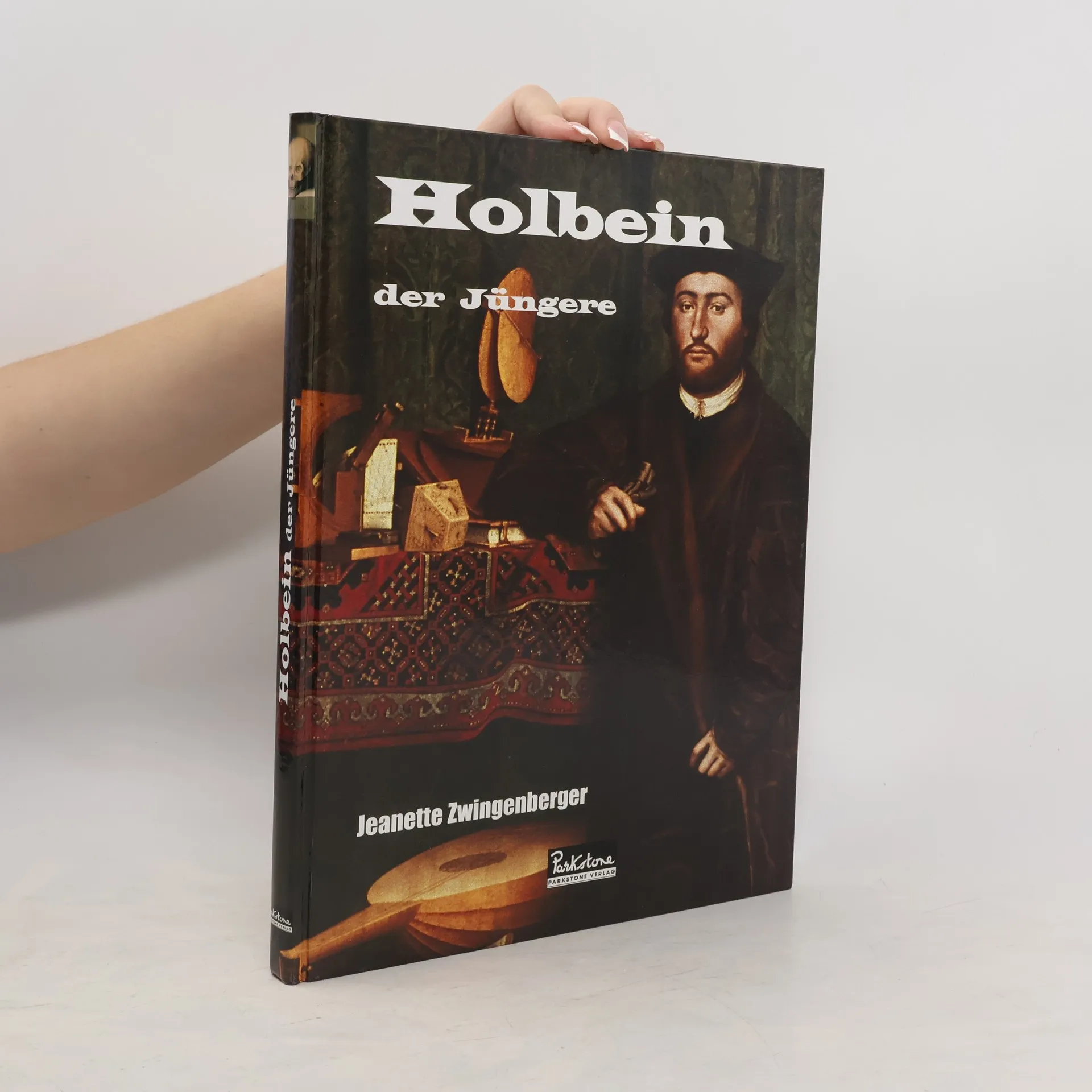
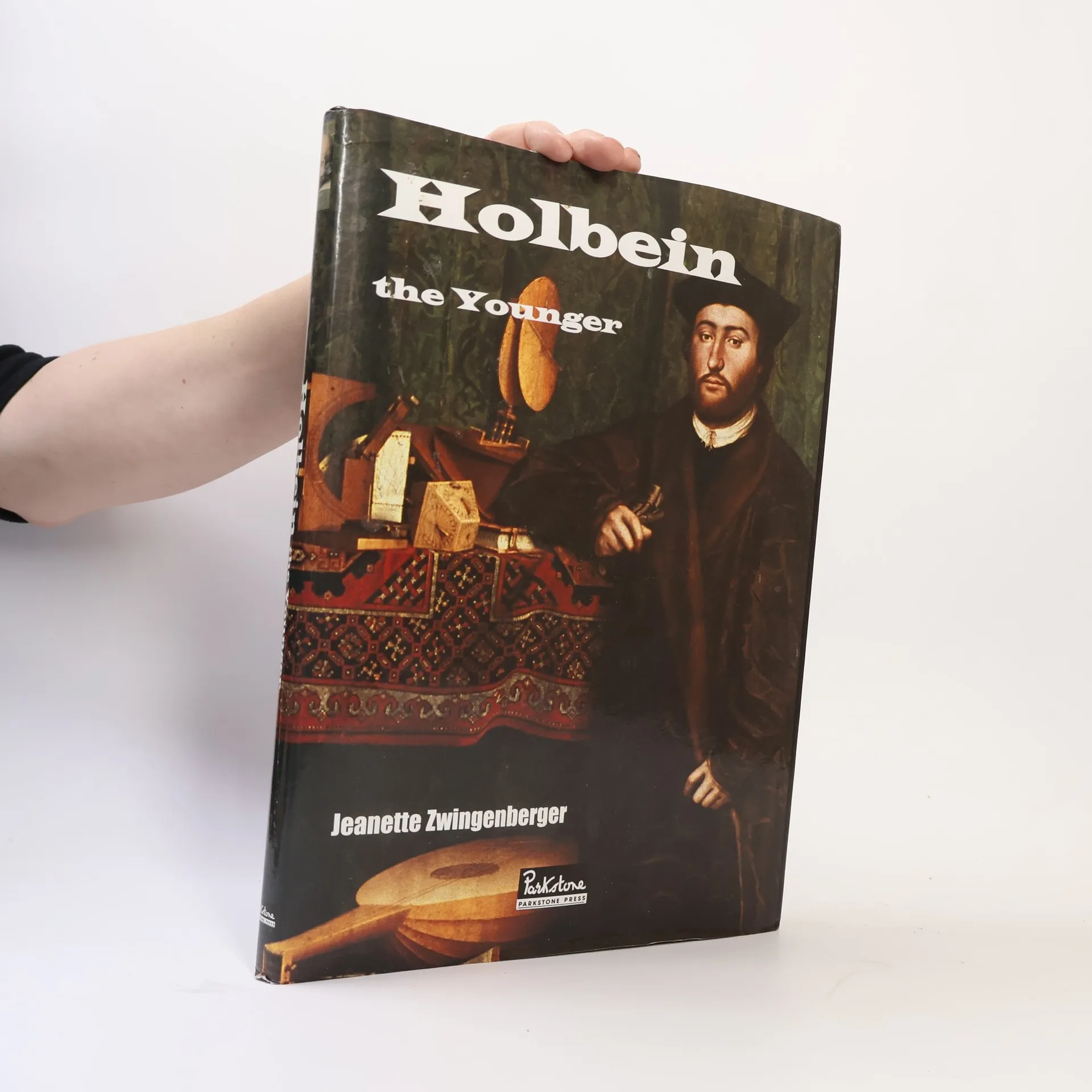
Hans Holbein the Younger was born in Augsburg in 1497/98. He died in London in 1543, having been honoured with the title of painter to King Henry VIII. His talent was established at the early age of 18 when he illustrated Erasmus' manuscript, The Praise of Folly. After fleeing the Reformation, Holbein spent over two years in London, where he was welcomed by Thomas More. Under More's patronage, he acquired an outstanding reputation as a portrait painter. Holbein contributed to the illustrations in the first edition of Utopia. Holbein's specialty was anamorphosis, teasing the viewer's vision with a sense of humour. Even today his subtle innuendo comes over with a big ""wink."" Holbein painted numerous portraits of humanists, bishops, merchants and bankers, as well as of Henry VIII and his wives. Outstanding examples of his portraiture are the Darmstadt Madonna, the portrait of Henry VIII, the Cartellino, the portrait of Bonifacius Amerbach and, of course, the famous Ambassadors.


![Oliver Dorfer, 08/14; [Arbeiten von 2008 bis 2014]](https://rezised-images.knhbt.cz/1920x1920/90749157.webp)