Vaardigheden in psychodiagnostiek
Interactieve cursus op www.vaardighedeninpsychodiagnostiek.nl





Interactieve cursus op www.vaardighedeninpsychodiagnostiek.nl
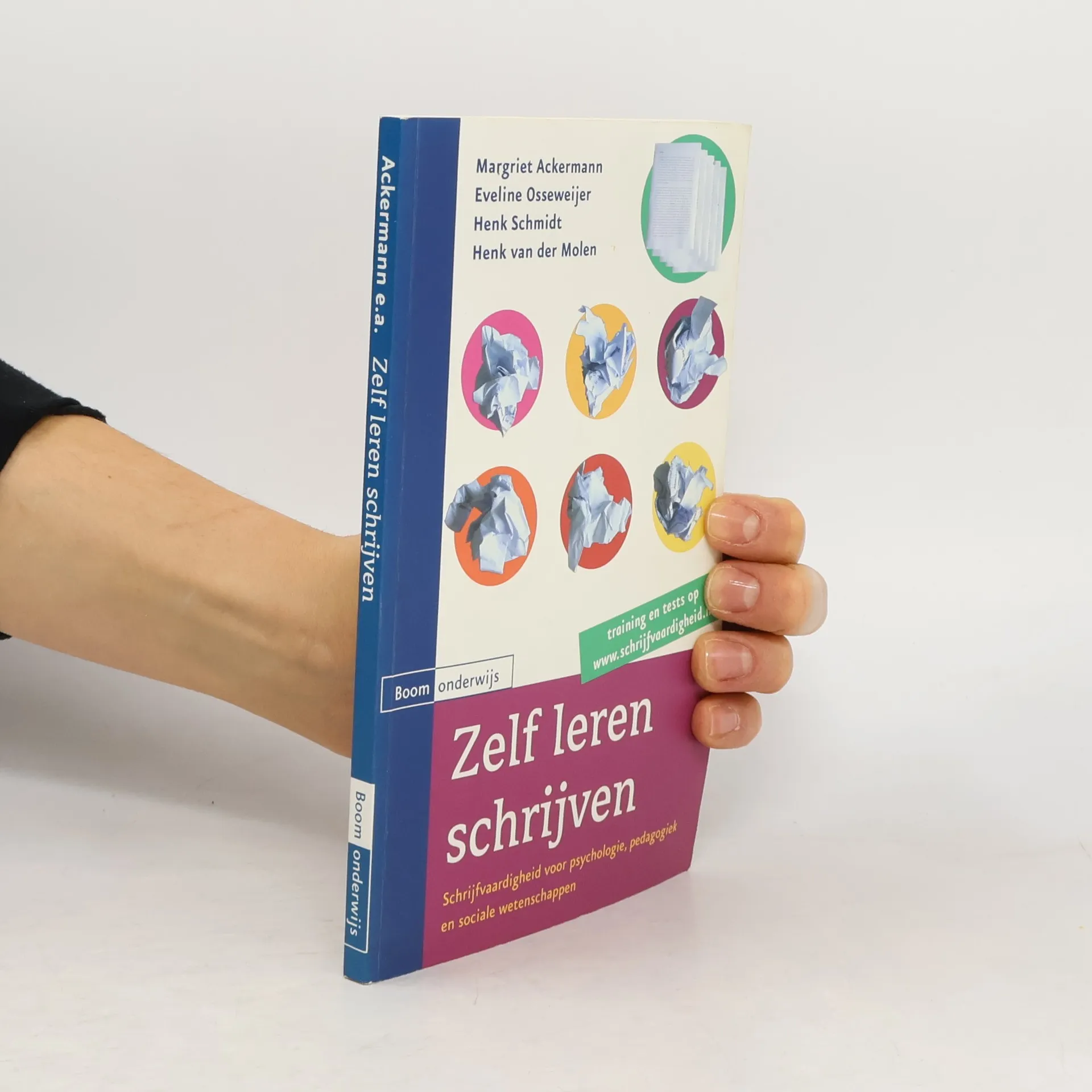
Schrijfvaardigheid voor Psychologie, Pedagogiek en sociale Wetenschappen - 3e druk
Studie- en oefenboek voor het universitair onderwijs.
Overzicht van diagnostische en therapeutische methoden bij behandeling in de geestelijke gezondheidszorg.
Schrijfvaardigheid voor psychologie, pedagogiek en sociale wetenschappen
Studie- en oefenboek voor het universitair onderwijs.
Een basis voor hulpverlening - achttiende herziene druk
Leidraad voor professionele hulpverlening bij persoonlijke problemen, ook buiten de geestelijke gezondheidszorg bruikbaar.
Theorie en praktijk van conflictbeheersing en mediation
One of the most important requirements of leadership is effective communication. The idea that some people are natural leaders and that others will never learn to show good leadership is now outdated. It has been replaced by the conviction that leadership and communication skills can be learnt. This second edition of Communication in Organizations continues to give clear advice and guidance on communicating in a range of different contexts in the workplace. From handling complaints and breaking bad news to negotiating deals and giving presentations, it explores the building blocks to effective communication skills, nurturing the leadership qualities required in any organization. By defining the abstract concepts of 'organization' and 'communication', it provides readers with the necessary skills to conduct any conversation on a professional manner. Illustrated with concrete examples throughout, this new edition includes a new chapter on career coaching, with exercises and ideas for role-play to enable the ideas to come alive. The three parts work seamlessly to expand the readers' conversation skill-set as they progress through the book. Communication in Organizations is an invaluable resource for students of management and business psychology, as well as those taking courses who are already in the workplace. The practical aspects compliment both introductory and advanced courses in interpersonal communication, leadership and business and professional communication.
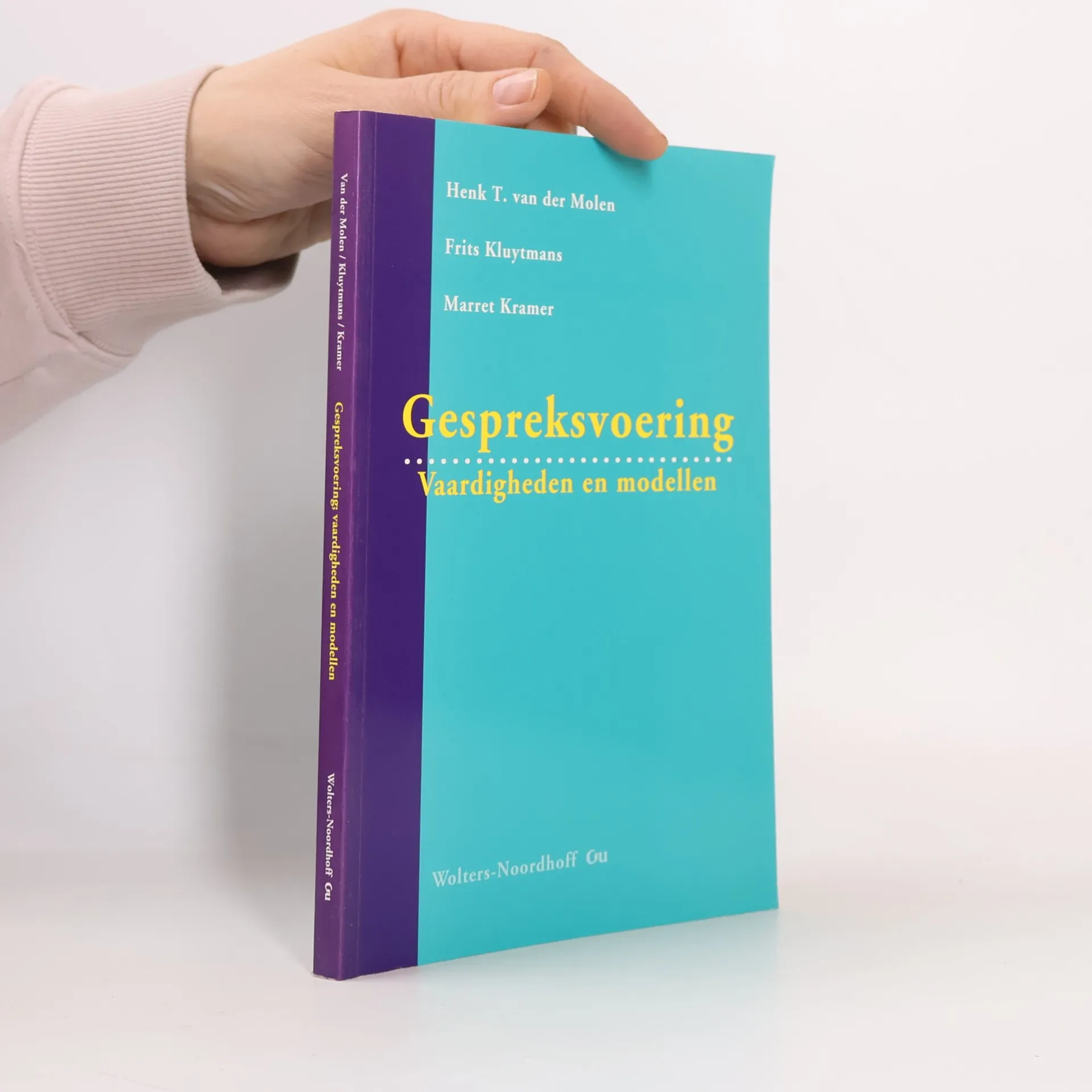
vaardigheden en modellen
Leidraad voor professionele en niet-professionele hulpverlening bij persoonlijke problemen.
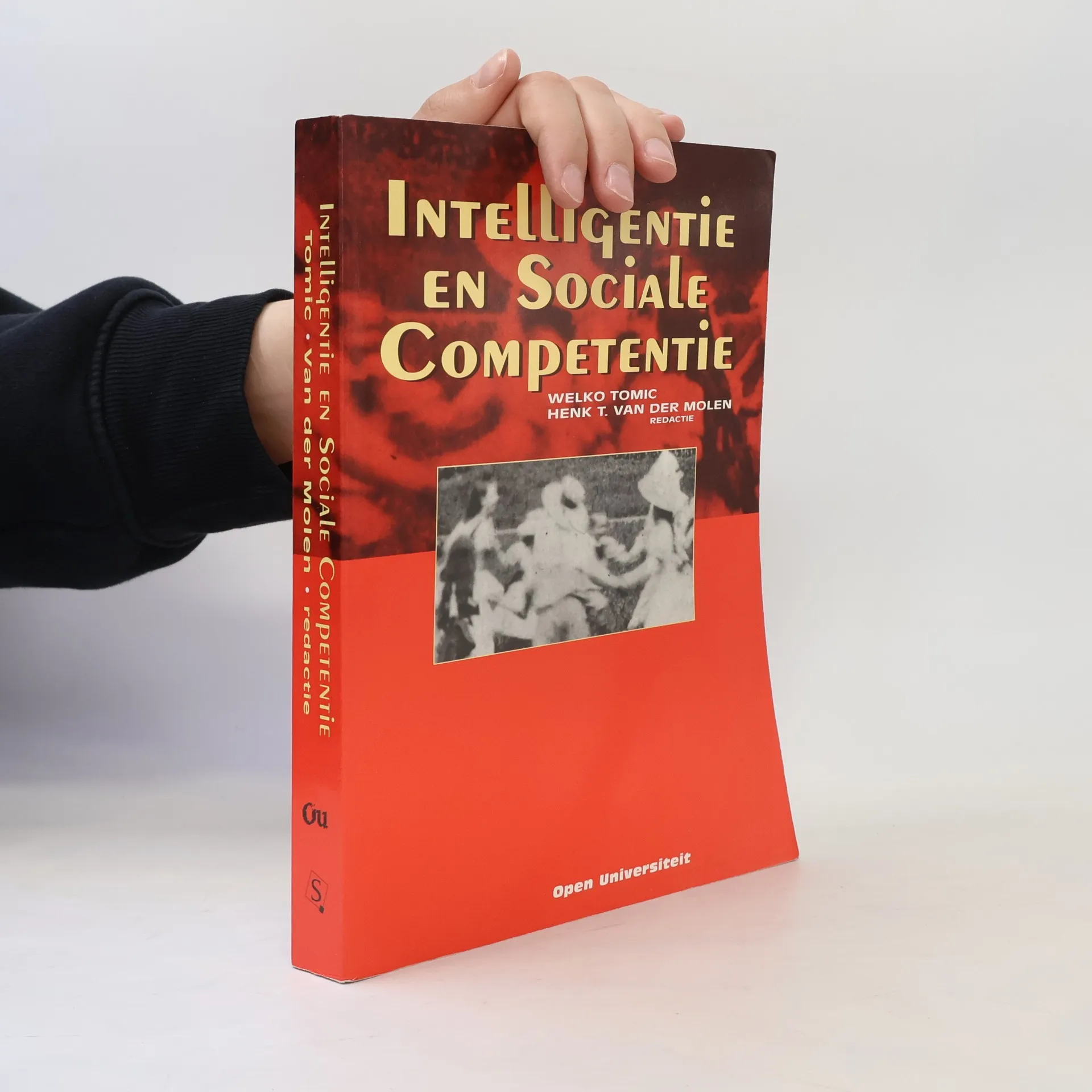
Studieboek over de huidige stand van zaken in het wetenschappelijk onderzoek naar intelligentie en sociale competentie.
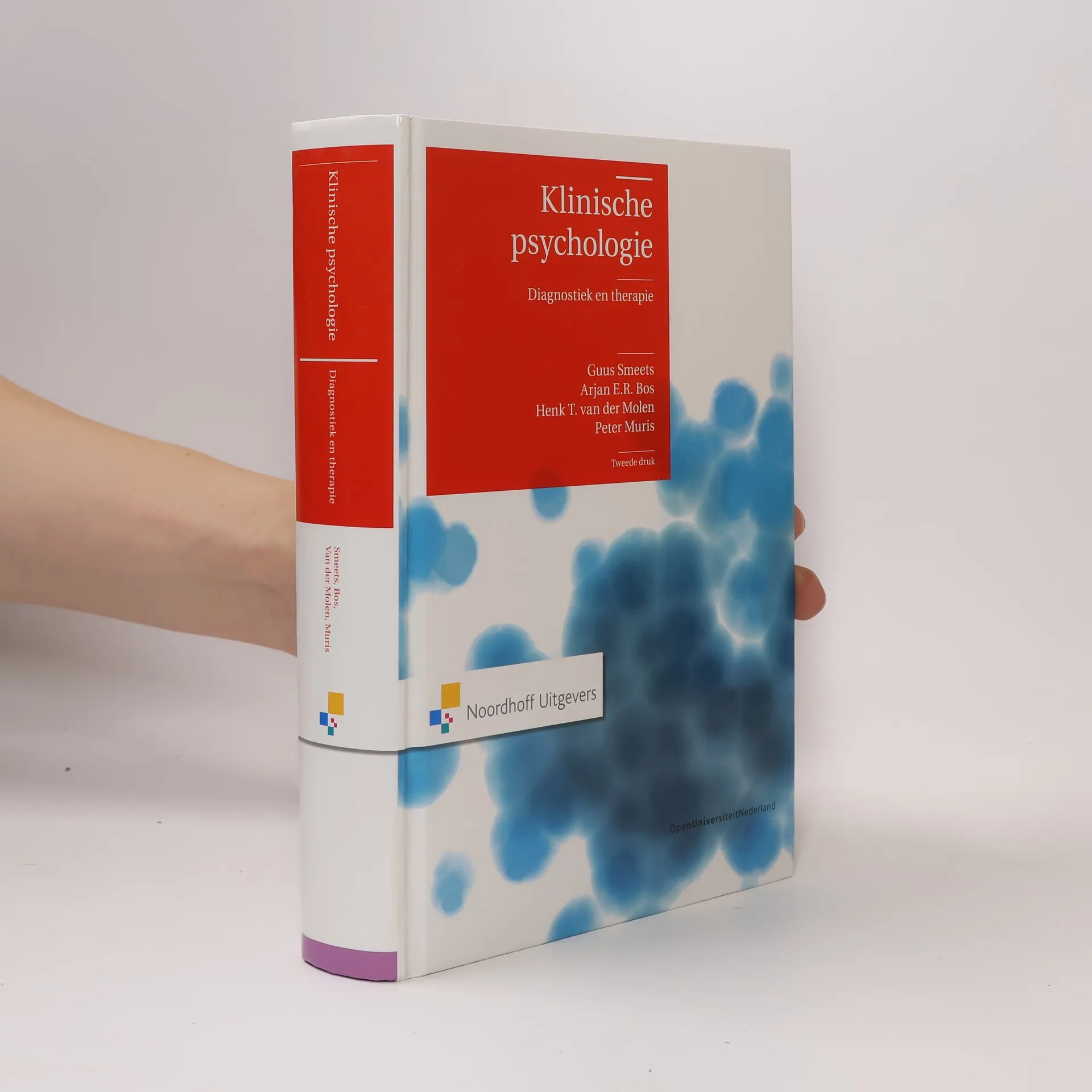
Het boek biedt een overzicht van het brede vakgebied van de klinische psychologie, dat zich richt op afwijkend of "abnormaal" gedrag. Het is verdeeld in vier delen. Deel 1 schetst algemene achtergronden en verkent de grenzen tussen "normaal" en "abnormaal" gedrag. Deel 2 behandelt de verschillende theoretische referentiekaders die klinisch psychologen hanteren, waaronder biologische, leertheoretische, cognitieve, psychoanalytische, humanistische en systeemgeoriënteerde benaderingen. In deel 3 staat classificatie en diagnostiek centraal. Het eerste hoofdstuk behandelt algemene aspecten van classificatie en beschrijft twee invloedrijke systemen: DSM-IV-TR en ICD-10. Ook worden de mogelijkheden en beperkingen van klinisch diagnostisch onderzoek besproken, evenals verschillende methoden en instrumenten zoals het klinisch interview, gedragsobservatie en neuropsychologische tests. Deel 4, getiteld Psychopathologie, biedt uitgebreide beschrijvingen van diverse psychische stoornissen, grotendeels volgens de indeling van DSM-IV-TR. Elk hoofdstuk begint met gevalsbeschrijvingen, gevolgd door het klinisch beeld, epidemiologische gegevens en theorieën over het ontstaan en voortbestaan van de stoornissen. Tot slot wordt kort ingegaan op mogelijke behandelingen en hun effectiviteit.