Second Treatise of Government
- 124 pages
- 5 hours of reading
Features the central principles of what is broadly known as political liberalism.


Sir Robert Filmer was an English political theorist who defended the divine right of kings. His most renowned work, published posthumously, became a target for numerous rebuttals from opposing viewpoints. Filmer also penned critiques engaging with other significant thinkers of his era.

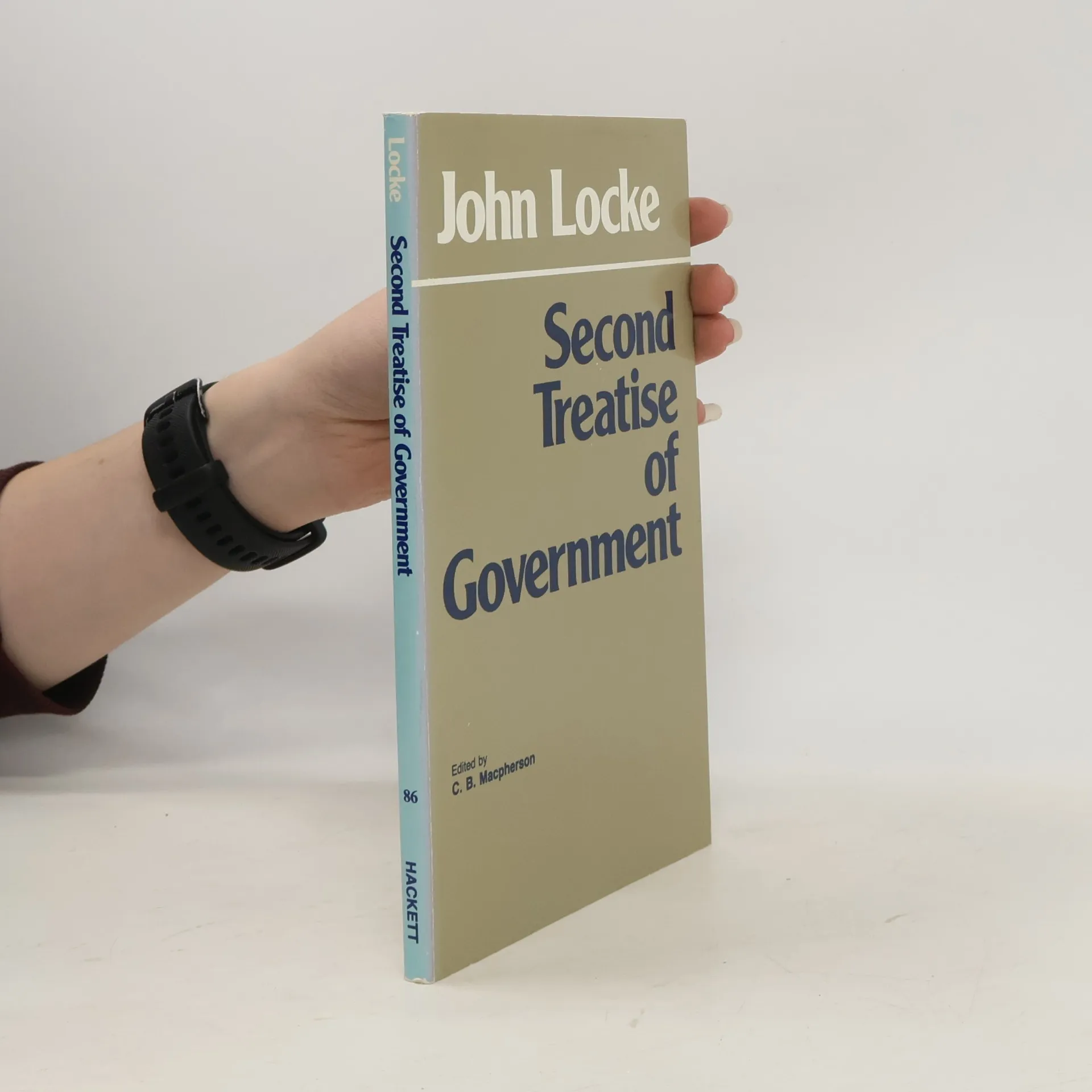
Features the central principles of what is broadly known as political liberalism.
The book explores Robert Filmer's belief that the Bible holds the complete truth regarding both the world and societal structures. It delves into his arguments for the divine right of kings, asserting that political authority is derived from biblical principles. By examining the intersection of theology and governance, the work invites readers to consider the implications of Filmer's views on authority, morality, and the role of scripture in shaping societal norms.
In »Patriarcha«, verfasst zwischen 1628 und 1631 und zu Lebzeiten des Autors nur als Manuskript verbreitet, legt Robert Filmer die Grundlagen des politischen Patriarchalismus unter Berufung auf die Heilige Schrift dar. Im Mittelpunkt steht die Behauptung, dass die Untertänigkeit der Kinder durch Gottes Verordnung die Quelle aller königlichen Autorität ist. Filmer zieht eine Parallele zwischen der Macht des Vaters und der des Königs und interpretiert Adam als den ursprünglichen Vater der Menschheit, von dem alle Herrschaft genealogisch abgeleitet wird. Er argumentiert, dass es keiner anderen Begründung für staatliche Souveränität bedarf und wendet sich gegen die Idee eines Gesellschaftsvertrags, wie sie von Denkern wie Suárez, Grotius und Hobbes vertreten wurde. Seine Schrift entstand in einer Zeit politischer Konflikte zwischen Parlament und Krone, die zum englischen Bürgerkrieg und zur Hinrichtung Charles I. führten. Filmer reagierte auf parlamentarische Forderungen, die sich im Namen der Freiheit auf Naturrechtslehren stützten. Er vertrat die Ansicht, dass Menschen niemals in einem Zustand natürlicher Freiheit seien und hielt das Konzept der natürlichen Freiheit für trügerisch und gefährlich. Obwohl Filmers Überzeugungen zeitgebunden sind und heute als obsolet gelten, stellen sie einen bedeutenden Meilenstein in der politischen Ideengeschichte dar und zeigen seinen Einfluss im politischen Meinungsstreit seiner Zeit.