Náš nejmilejší kamarád je...
- 111 pages
- 4 hours of reading
V souboru shromážděny rozverné pejskařské povídky od Axela Muntheho, Karla Čapka, Jiřího Marka, Jaroslava Haška a Radko Pytlíka.


This author, a physician and psychiatrist, explored the intricate connections between the physical and psychological through his literary works. His writing stems from a profound understanding of the human psyche and the physical manifestations of illness, often drawing on insights from hypnosis and psychological observation. He translated his own experiences treating patients and their ailments into compelling narratives. His literary legacy is imbued with empathy and a deep concern for the well-being of others, making him a distinctive storyteller.



V souboru shromážděny rozverné pejskařské povídky od Axela Muntheho, Karla Čapka, Jiřího Marka, Jaroslava Haška a Radko Pytlíka.
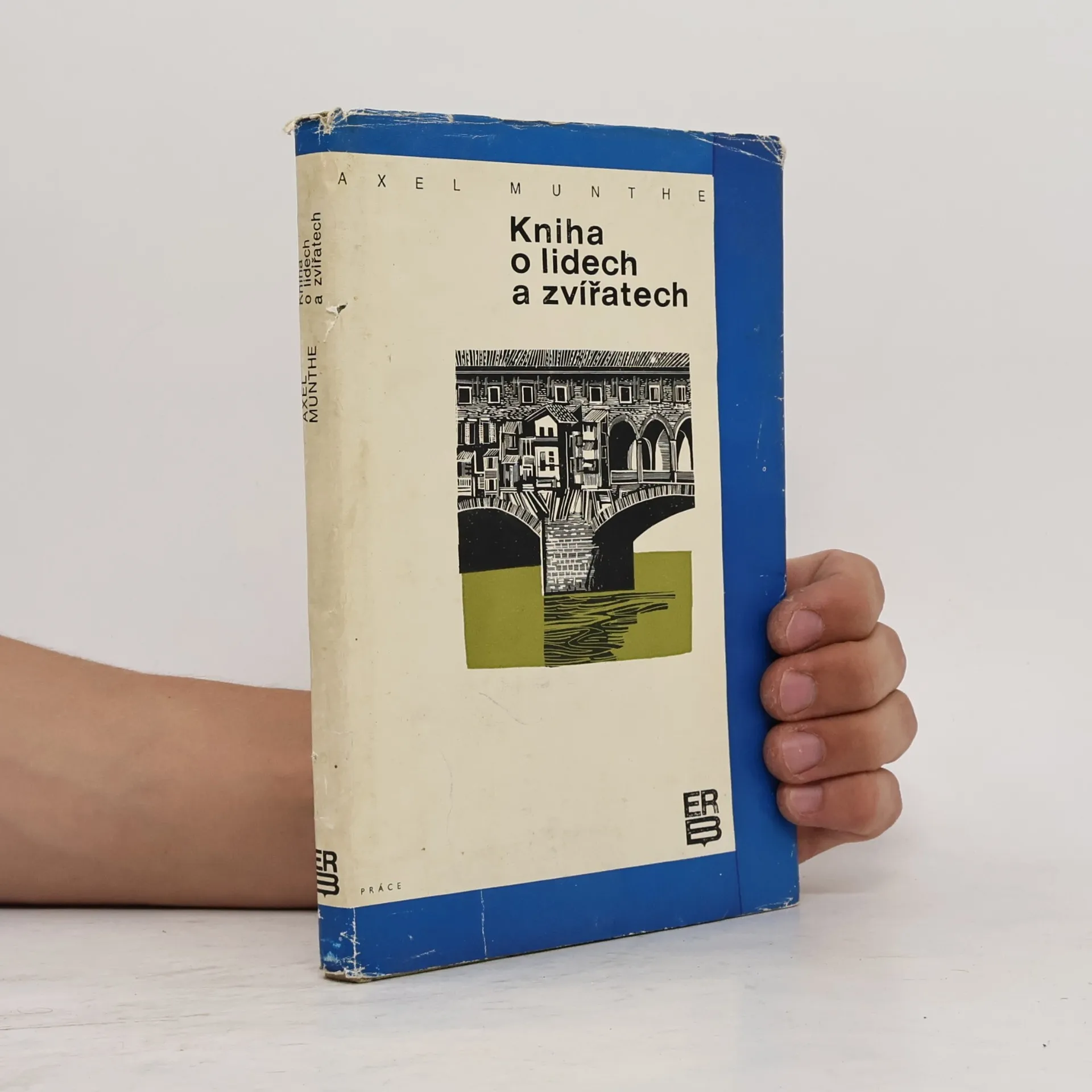
Kniha o zvířatech a lidech je knihou 15 povídek, napsaných na popud přátel, a druhým Muntheho dílem. Žila vždy – ač neprávem – ve stínu jeho slavnější Knihy o San Michele, přestože je po umělecké stránce zcela srovnatelná, okruh zkoumaných lidských povah a osudů je dokonce širší, Muntheho pohled ještě pronikavější, navíc jsou jeho povídky obohaceny schopností, která je výsadou vyzrálých mistrů, úsměvným a soucitným vtipem. Projevuje se zde také jeho takřka antický postoj ke vztahu člověka a přírody, k jejich harmonickému souzvuku. V čtenáři navíc dokonale probudí pocit, že každá Muntheho myšlenka má nejen svoji hloubku, ale také bohaté zázemí životních zkušeností.
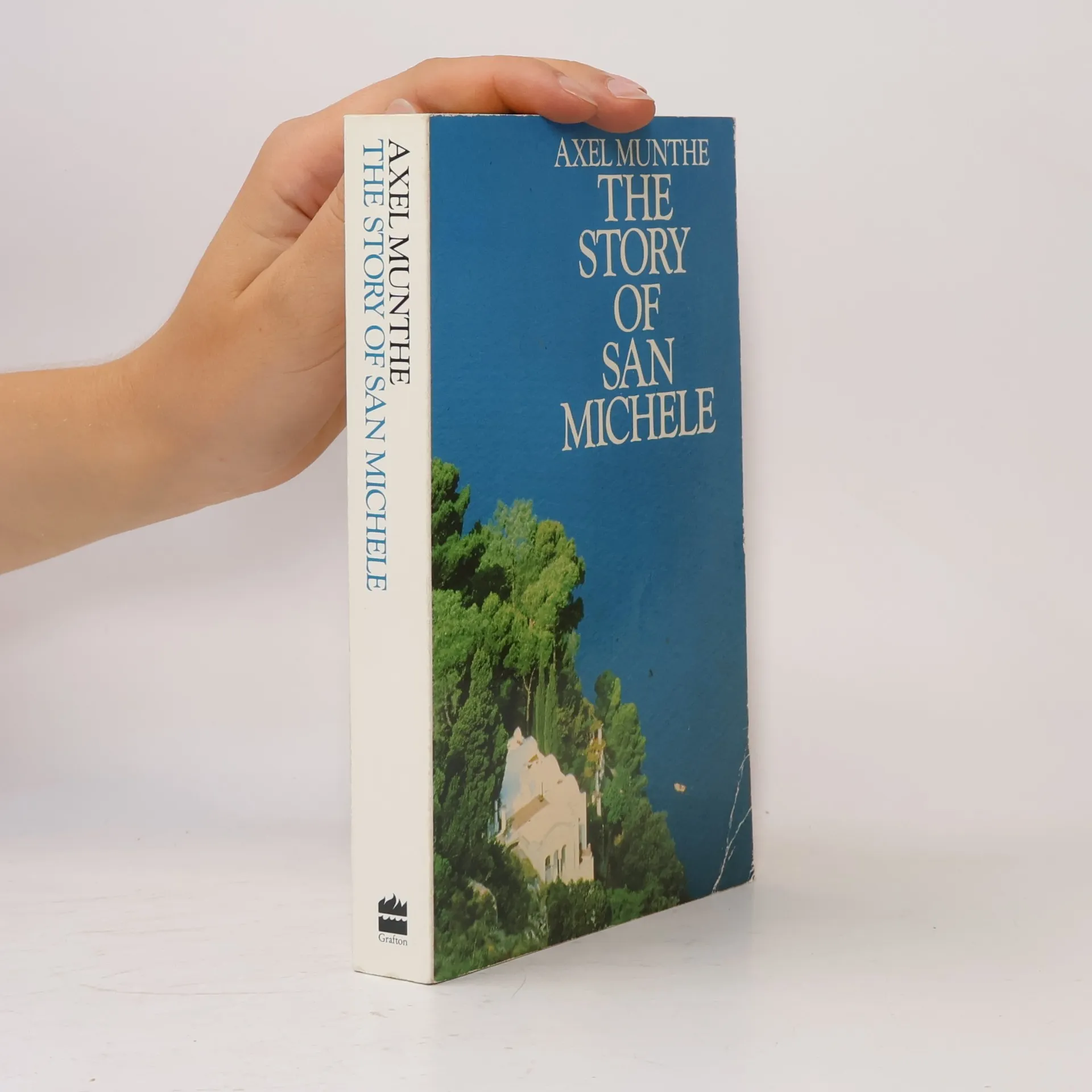
Munthe was a true Renaissance man a scientist and doctor as well as a poet who was a friend of Henry James, Somerset Maugham, and others. In this 1929 volume, he offers an account of San Michele, a house he built on the site of Roman emperor Tiberius's villa on the Isle of Capri off Italy's southern coast. His weaving of the story of the house with Italian history, mythology, and culture is reminiscent of 18th- and 19th-century travelogs. This book was a smash in several languages for many years. It is now considered a modern classic.