

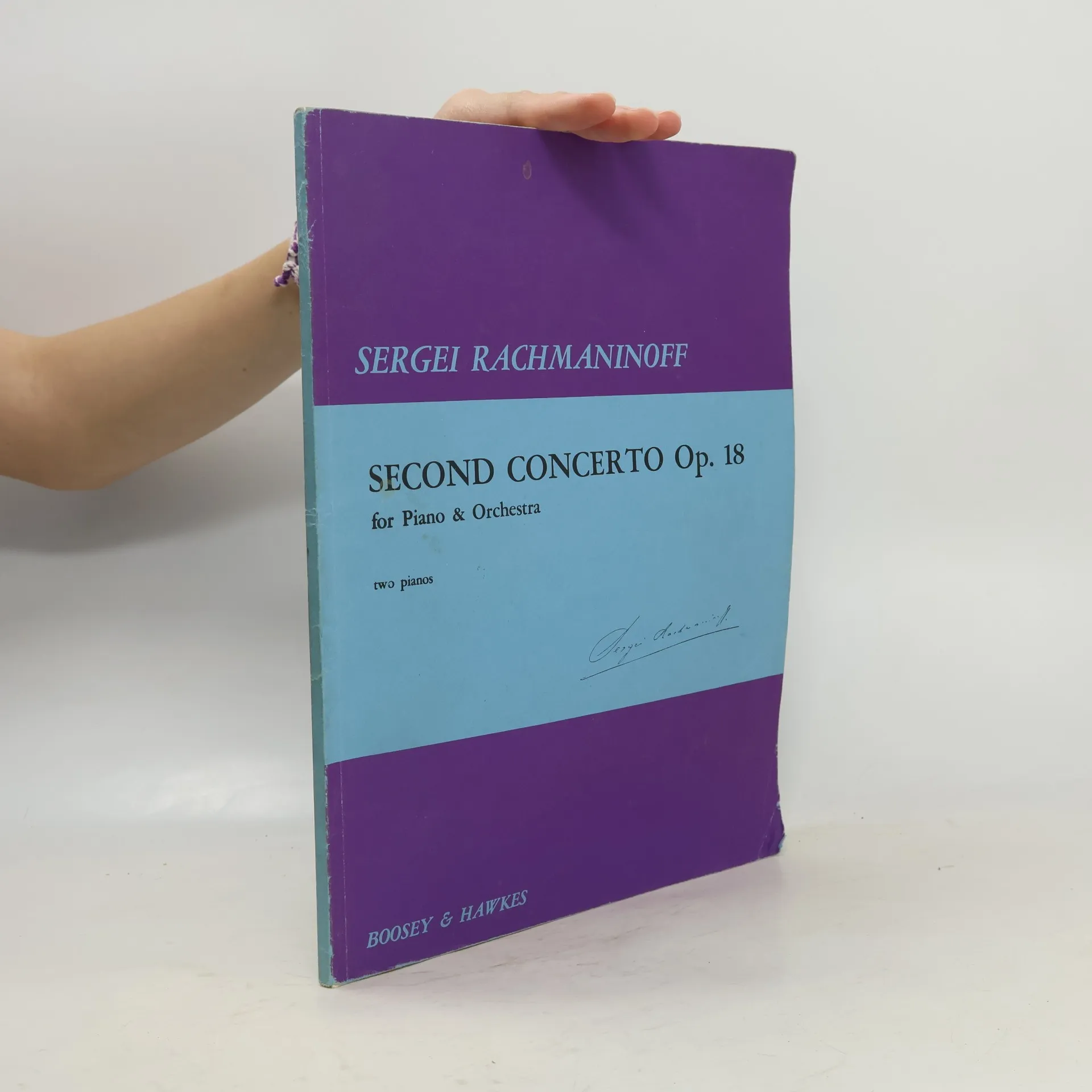
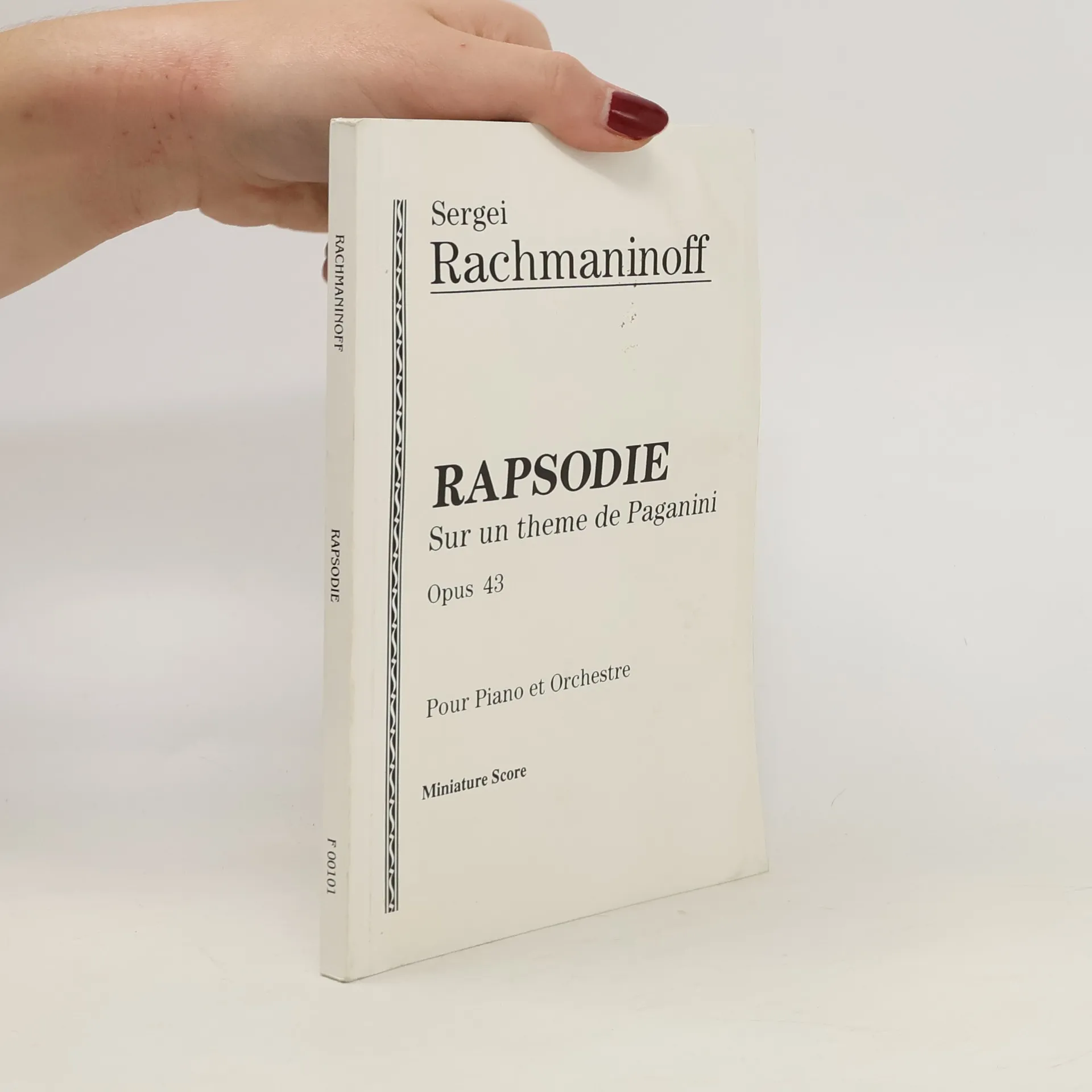
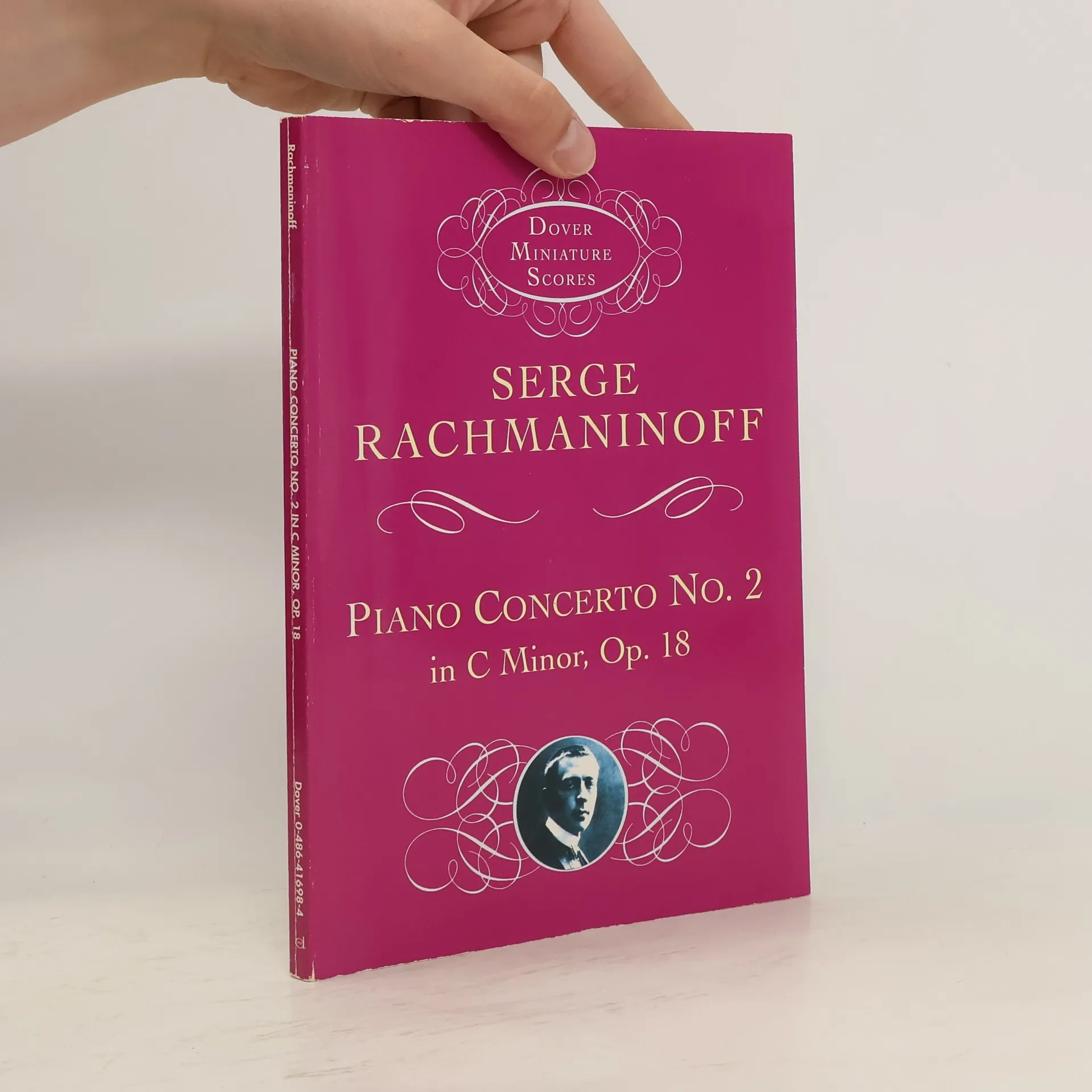
A Full Orchestra score expertly composed by Sergei Rachmaninoff.
Sergei Rachmaninoff Books
A composer, pianist, and conductor, Rachmaninoff is regarded as one of the greatest pianists of the twentieth century. His legendary technical facilities and rhythmic drive allowed him to perform complex compositions upon first hearing. Many recordings exist of his performances, featuring both his own works and the standard repertoire. His extraordinary musical talent and virtuosity left an indelible mark on musical history.


Sergei Rachmaninoff in His Own Words
- 320 pages
- 12 hours of reading
Through a series of candid interviews, Sergei Rachmaninoff shares his thoughts on his compositions, the art of piano playing, and his reactions to contemporary music. He reflects on his experiences in Russia, the USA, and Switzerland, offering insights into his professional career and family life. These conversations provide a deeper understanding of the private man behind the reserved public persona, revealing unique perspectives on a celebrated composer and pianist.
Piano Concerto No. 2 in C Minor, Op. 18
- 128 pages
- 5 hours of reading
One of the best-loved pianist-composers of our time, Serge Rachmaninoff (1873–1943) was the last great representative of Russian Romanticism. His music, like Tchaikovsky's, is often melancholy, with a particularly broad, rhapsodic sweep to its melodic line. With its memorable themes, lush harmonies, and captivating orchestration, the Second Piano Concerto won immediate acclaim, becoming Rachmaninoff's most enduring and popular work.The score of this world-famous concerto appears here with bar-numbered movements. Ideal for study in the classroom, at home, or in the concert hall, this affordable, high-quality, conveniently sized volume will be the edition of choice for music students and music lovers alike.
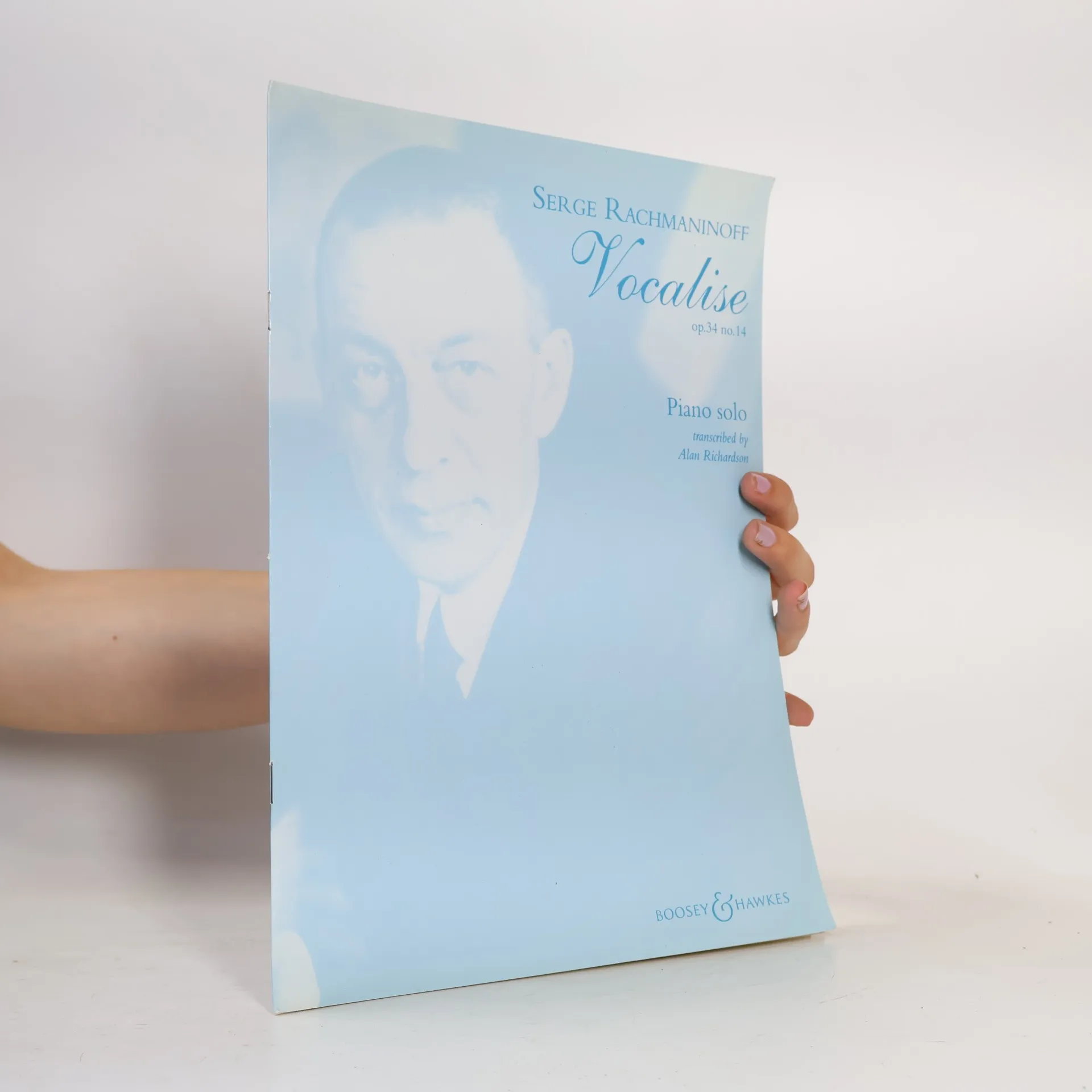
Serge Rachmaninoff - Preludes, Op. 32: Piano with a CD of Performances
- 76 pages
- 3 hours of reading
(Schirmer Performance Editions). Continuation of Dossin's edition of these advanced piano masterpieces.
(Schirmer Performance Editions). Contains Rachmaninoff's most famous piano piece, the Prelude in C-sharp minor. This paired with the ten pieces from opus 23 provide the advanced pianist a newly-engraved and researched edition of the first half of the composer's output of piano preludes. Audio is accessed online using the unique code inside the book and can be streamed or downloaded. The audio files include PLAYBACK+, a multi-functional audio player that allows you to slow down audio without changing pitch, set loop points, change keys, and pan left or right.
Composed over a six month period (October 1906 to April 1907), Rachmaninoff's second excursion into symphonic form was written at a time when he was still not entirely confident in his abilities to handle the genre. Unhappy with the first draft, the work was subjected to much revision for several months after its completion. The premiere, given on January 26, 1908 in St. Petersburg's Mariinsky Theatre with the composer conducting, received tumultuous applause from the delighted audience. The work gained much popularity soon after and remains a staple of the orchestral repertoire to this day. Editors Clinton F. Nieweg and Christopher R. Morgan have consulted all available sources in course of preparing their edition of this cornerstone work. Originally issued in 2011 by the now-defunct publisher E. F. Kalmus, this superb edition is now available from Serenissima Music as a large conductor score and orchestral parts aling with the study score offered here.
Sergei Rachmaninoff spricht
- 320 pages
- 12 hours of reading
Rachmaninoff wird als herausragender Pianist und Komponist beschrieben, dessen Werke zeitlos und fest im klassischen Repertoire verankert sind. Seine Musik zeichnet sich durch emotionale Tiefe und technische Brillanz aus, was ihn zu einer zentralen Figur der Musikgeschichte macht. Die Beschreibung hebt seine bedeutenden Beiträge zur Klavierliteratur und seine Fähigkeit hervor, sowohl als Interpret als auch als Komponist zu glänzen, und betont seinen Einfluss auf nachfolgende Generationen von Musikern.