Explore the latest books of this year!
Bookbot

Luciano Segreto

    Il mondo globale
    The Timber Economy in the Baltic Sea (1700-1939)
    Principles and Practices of Corporate Governance: In the Global Economy
    • The book places ownership at the center of all relevant choices that the company makes: in particular, it addresses the “problem” of governance from the perspective of ownership, and in a broader and more articulated sense than most Anglo-Saxon studies. The authors analyze the relationship between ownership, governance, and corporate strategy, with a dual objective. On the one hand, the aim is to identify the consistency relationships between the governance structure of the company and its results, because of the centrality that it assumes with respect to many of the strategic choices that companies make. On the other hand, the objective is to consider possible variants to the “basic scheme,” going to investigate the role of ownership, governance and management from a contingency perspective, i.e. in different types of enterprise: public companies, multinational enterprises, state-owned enterprises, and especially family-owned enterprises are analyzed. The second part of the book analyzes, in a number of countries, different economic and business systems and their role in defining the type of corporate governance that has emerged.

      Principles and Practices of Corporate Governance: In the Global Economy
    • The monograph explores the crucial role of timber in European industrialization, emphasizing its significance beyond mere capital flow in early globalization. It delves into the intricate dynamics of international trade, highlighting the connections between commodity-producing nations and consumer countries, offering a nuanced perspective on economic relationships during this transformative period.

      The Timber Economy in the Baltic Sea (1700-1939)
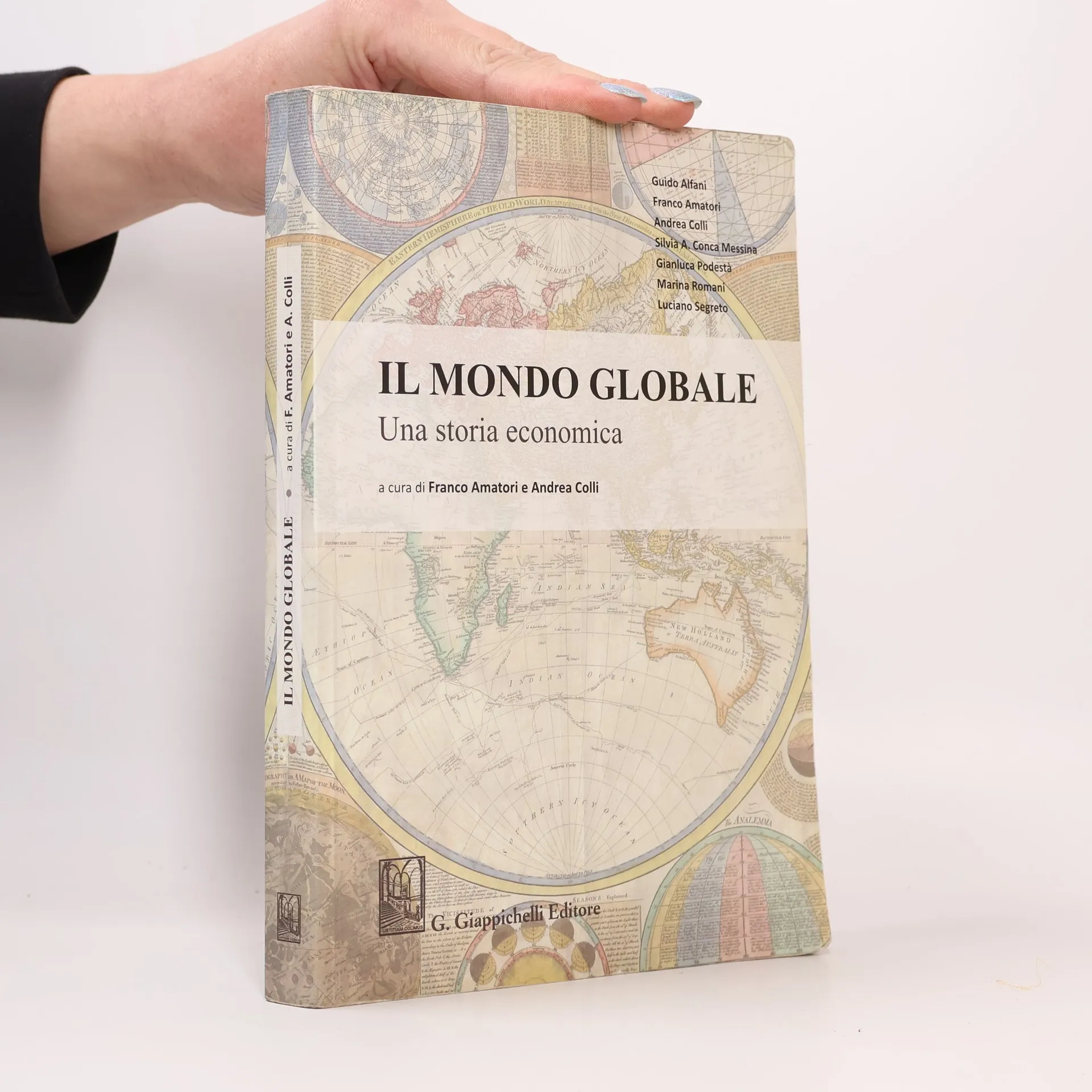
    • Il mondo globale

      Una storia economica

      • 332 pages
      • 12 hours of reading

      Questo libro nasce da un ambizioso progetto collettivo volto a raccontare in modo sintetico ed efficace il lungo processo che ha portato alla costruzione del mondo moderno. In un contesto attuale caratterizzato da spinte globali e chiusure particolaristiche, la storia ha il compito di mostrare le complesse vicende umane che hanno plasmato la situazione attuale. Il volume si compone di 24 capitoli, coprendo una cronologia che va dall'epoca pre-rivoluzionaria fino ai giorni nostri, in un'accelerazione verso la modernità. Destinato principalmente a studenti universitari, offre una chiave interpretativa utile per comprendere la complessità della modernità. Si propone come uno strumento agile e aggiornato, arricchendo il dibattito storiografico e intellettuale, e soddisfacendo le esigenze di studenti di economia e di chi si interessa di scienze sociali. Gli autori, attivi in diverse università italiane, mettono a frutto le loro competenze per fornire una lettura critica del dibattito storiografico, collegando riflessioni storico-economiche a un contesto più ampio che include storia sociale e geopolitica. Il volume valorizza l'analisi della "lunga durata", essenziale per comprendere fenomeni secolari come le rivoluzioni industriali e la globalizzazione. Include anche un codice per accedere a materiali online.

      Il mondo globale
      3.6