

Explore the latest books of this year!
Bookbot

Oscar Benl

    Flüchtiges leben
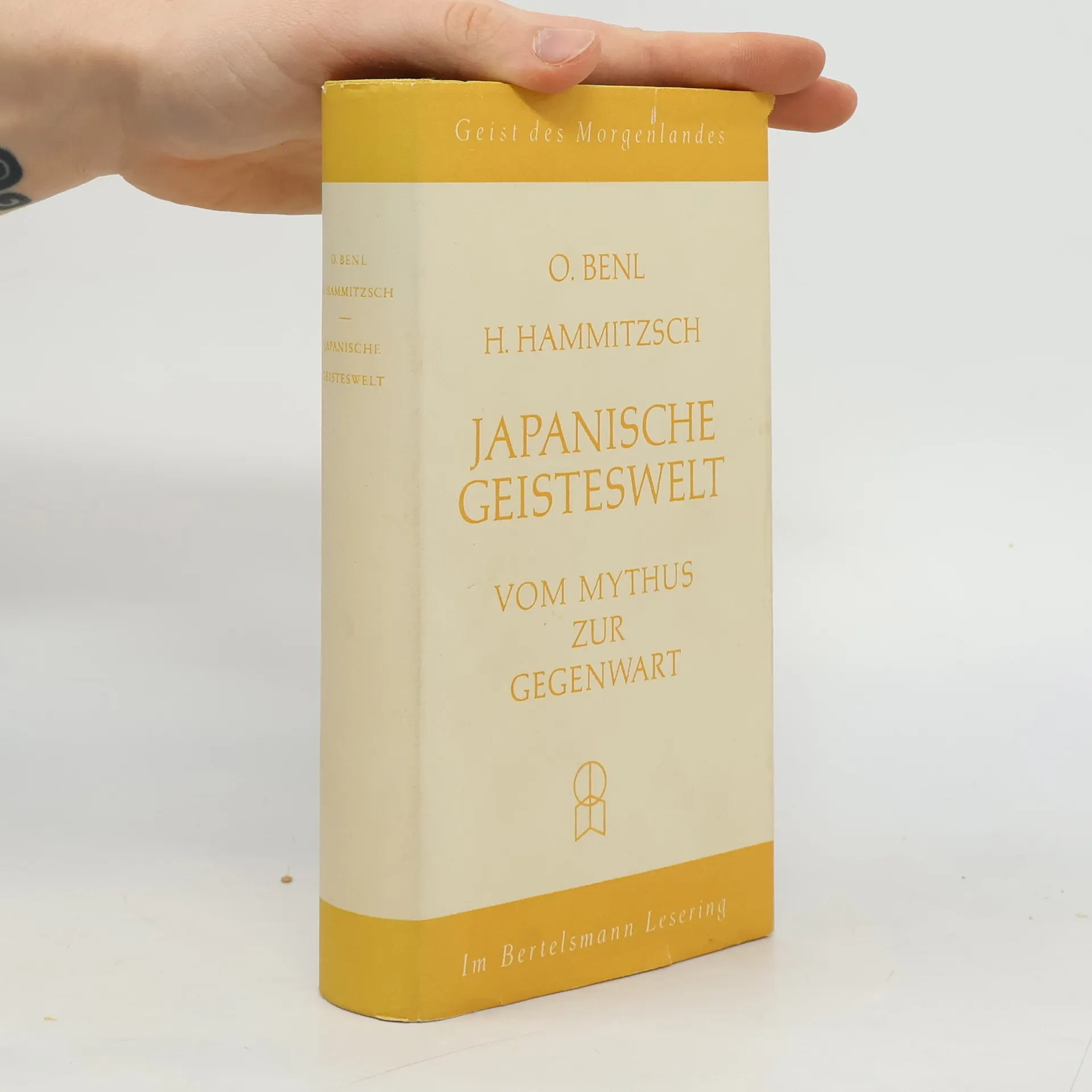
    Japanische Geisteswelt
    Der Kirschblütenzweig
    The Tale of Genji
    Essays in Idleness
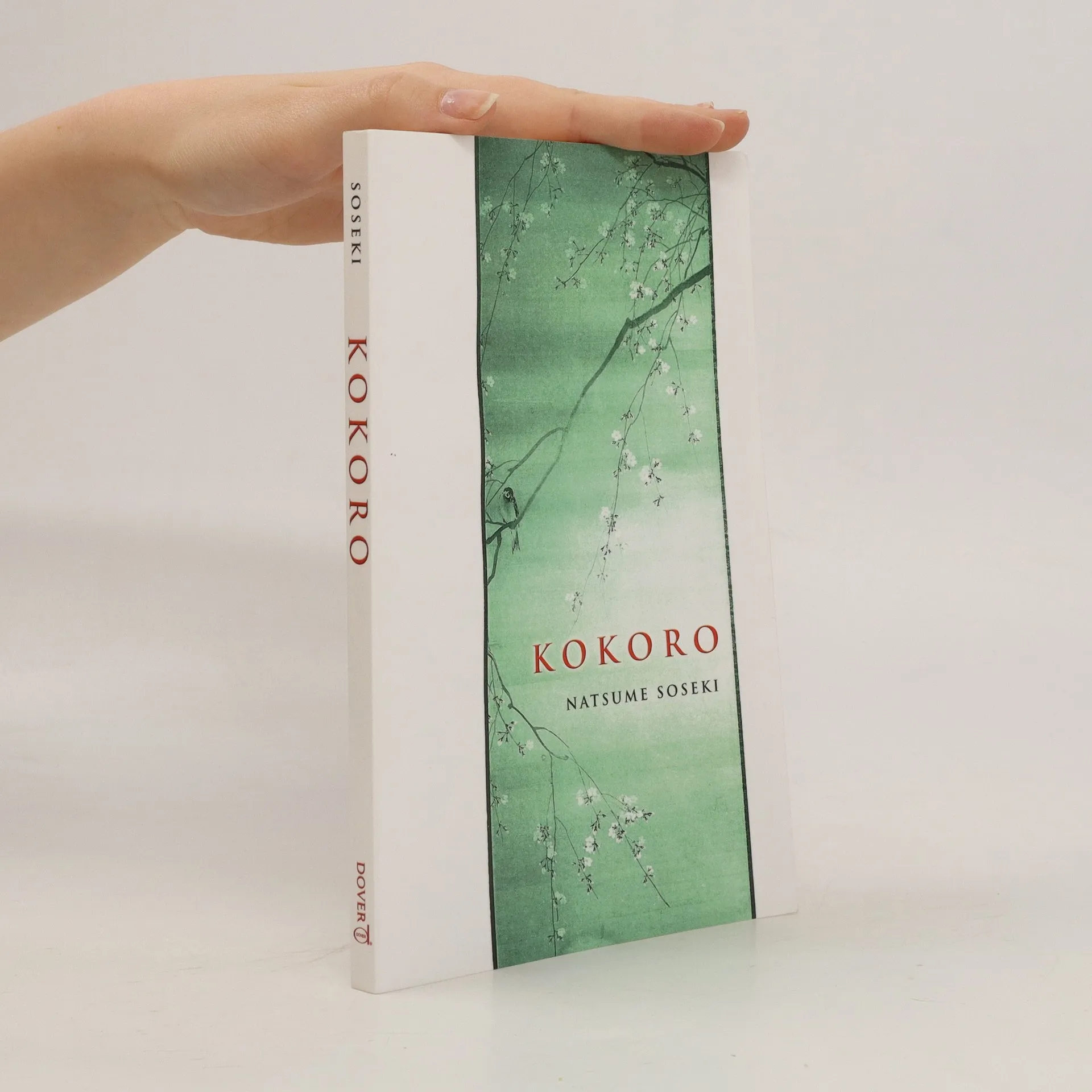
    Kokoro
    • Kokoro

      • 208 pages
      • 8 hours of reading

      "Rich in understanding and insight."—The New YorkerWhat is love, and what is friendship? What is the extent of our responsibility to ourselves and to others? Kokoro, signifying "the heart of things," examines these age-old questions in terms of the modern world.A trilogy of stories that explores the very essence of loneliness, Kokoro opens with "Sensei and I," in which the narrator recounts his relationship with an intellectual who dwells in isolation but maintains a sophisticated worldview. "My Parents and I" brings the reader into the narrator's family circle, and "Sensei and His Testament" features the eponymous character's explanation of how he came to live a life of solitude.Natsume Soseki (1867–1916), perhaps the greatest novelist of the Meiji period, remains one of Japan's most widely read authors. He wrote this novel in 1914, at the peak of his career, and it remains an excellent introduction to modern Japanese literature.

      Kokoro1994
      4.1
    • Essays in Idleness

      • 224 pages
      • 8 hours of reading

      Offers two works on life's fleeting pleasures by Buddhist monks from medieval Japan, but each shows a different world-view. This book includes ribald stories of drunken monks to aching nostalgia for the fading traditions of the Japanese court.

      Essays in Idleness1978
      4.0
    • The Tale of Genji

      • 256 pages
      • 9 hours of reading

      Completed in the early 11th century, The Tale of Genji is considered the supreme masterpiece of Japanese prose literature, and one of the world's earliest novels. A work of great length, it comprises six parts, the first part of which (also called The Tale of Genji) is reprinted here. The exact origins of this remarkable saga of the nobility of Heian Japan remain somewhat obscured by time, although its author, Lady Shikibu Murasaki, presumably derived many of her insights into court life from her years of service with the royal family. The novel centers on the life and loves of the prince known as "the shining Genji." Far more than an exotic romance, however, the tale presents finely drawn characters in realistic situations, set against a richly embroidered tapestry of court life. Moreover, a wistful sense of nostalgia pervades the accounts of courtly intrigues and rivalries, resulting in an exquisitely detailed portrayal of a decaying aristocracy. Vibrant in its poetry and wordplay, subtle in its social and psychological observations, this work ranks in stature and significance with such Western classics as Cervantes' Don Quixote and Proust's Remembrance of Things Past. This inexpensive edition, featuring Arthur Waley's splendid translation of the first of the six-part series, offers readers a memorable taste of one of the world's first and greatest novels.

      The Tale of Genji1966
      3.7