Rossini wird in eine stürmische Zeit hineingeboren, Napoleon ist mittendrin in seinem Eroberungszug, neue Zeiten brechen an und Rossini wird ihr Komponist werden. Seine rasanten Tempi versetzen das Publikum in einen wahren Rausch. In ganz Europa feiert Rossini stürmische Erfolge, er komponiert vierzig Opern in fünfzehn Jahren und wird zum gefeierten Maestro. Doch es sind nicht nur helle Jahre die Rossini durchlebt. Nachdem er sich mit siebenunddreißig Jahren zunächst schöpferisch zurückzieht, kämpft er viele Jahre mit Krankheit und Depression. Joachim Campe beleuchtet in dieser Biographie nicht nur Rossinis Erfolge und seinen Weg dorthin, sondern bringt auch Licht in diese dunklen Jahre - vom gefeierten Komponisten, Lebemann und Gourmet, der ganz Wien in einen Rossini-Taumel versetzte, zu einem in Zurückgezogenheit lebenden von Krankheit gezeichneten Mann. Schließlich neigt sich mit Rossinis Tod auch eine ganze Epoche dem Ende zu.
Joachim Heinrich Campe Books


Die Liebe, der Zufall und das Paar
- 257 pages
- 9 hours of reading
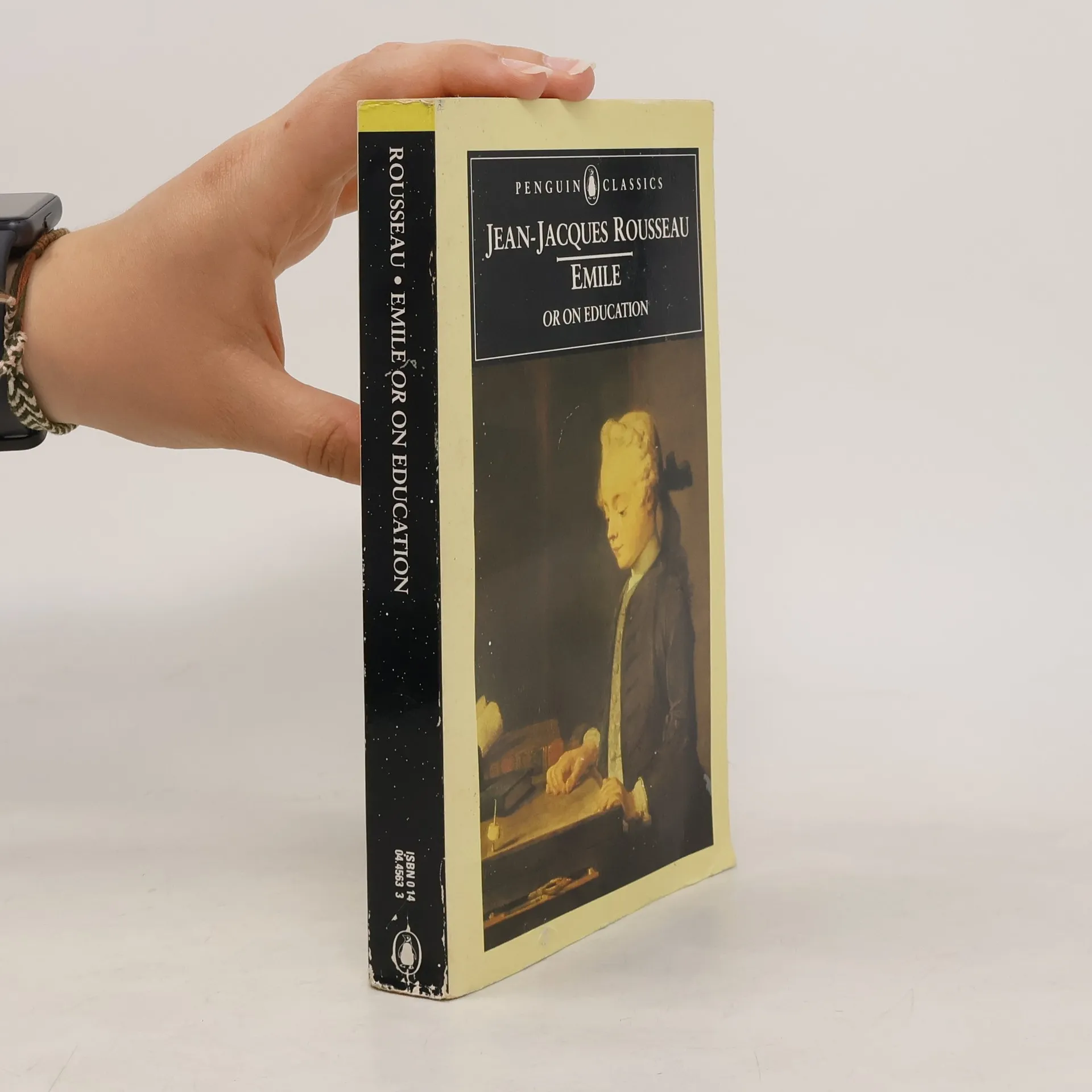
Emile; or On Education
- 501 pages
- 18 hours of reading
In his pioneering treatise on education, the French philosopher Jean-Jacques Rousseau presents concepts that had influence on the development of pedagogy in the eighteenth century. Here, Rousseau asserts his main thesis that human beings are by nature good; it is only the distorting influences of civilization that have corrupted them.
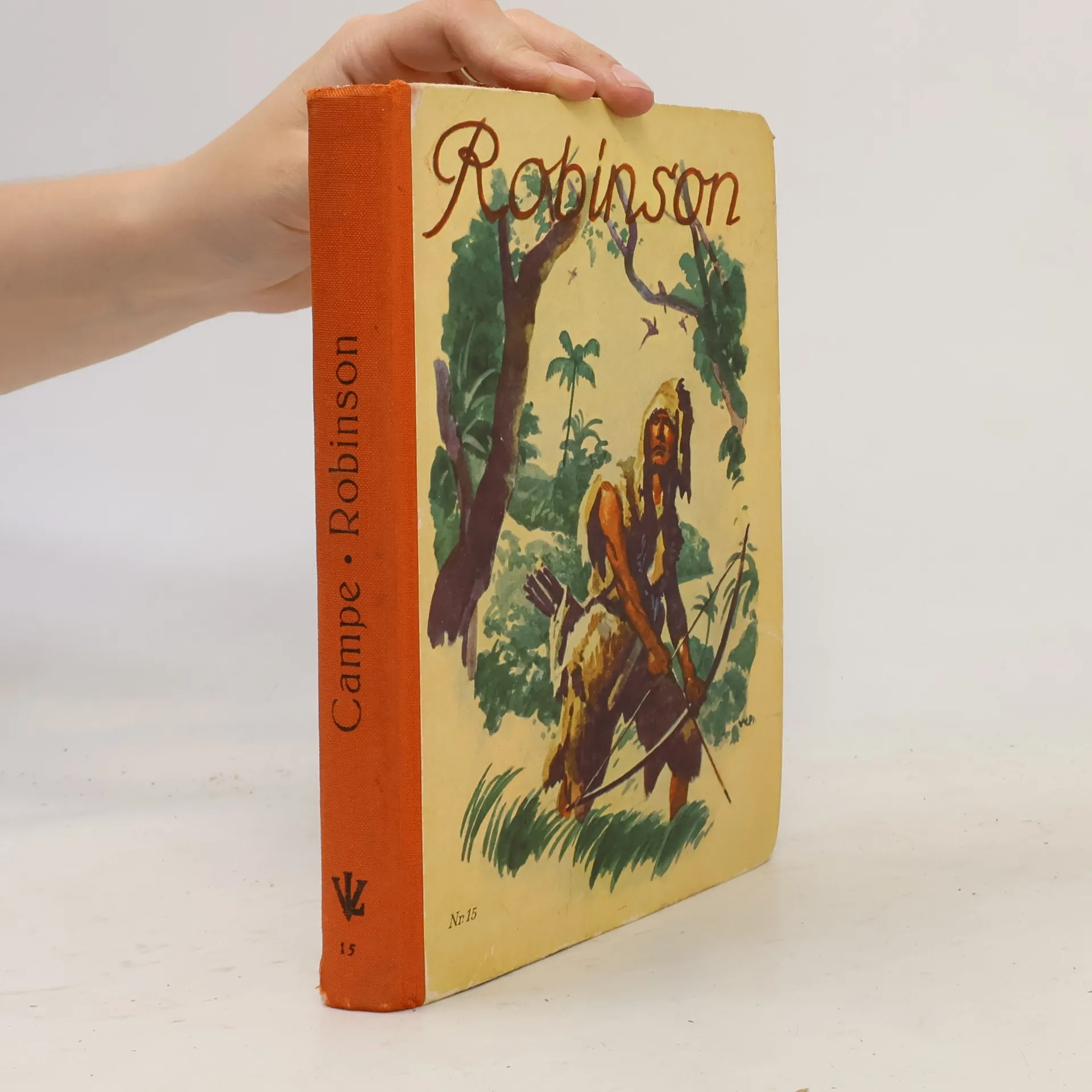
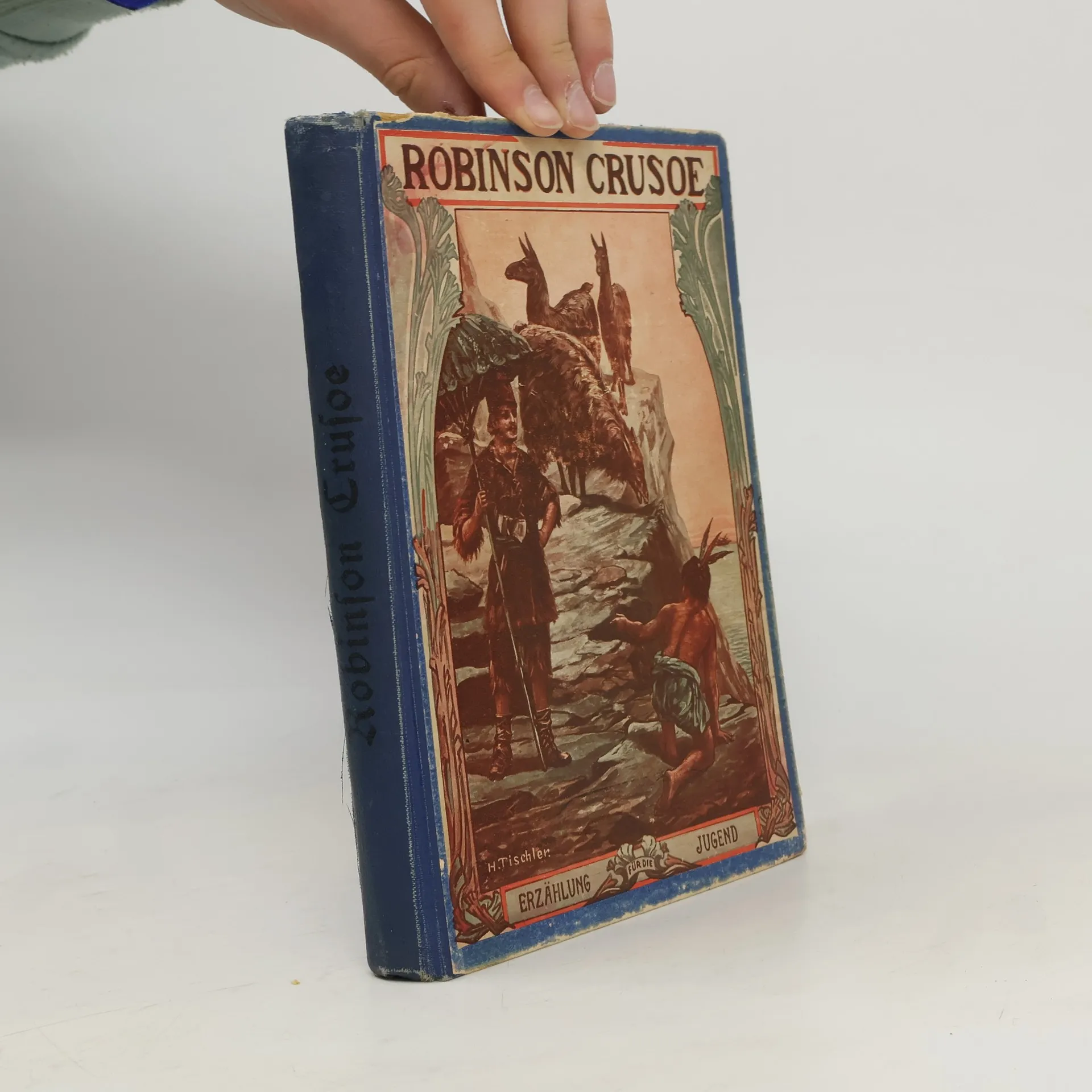
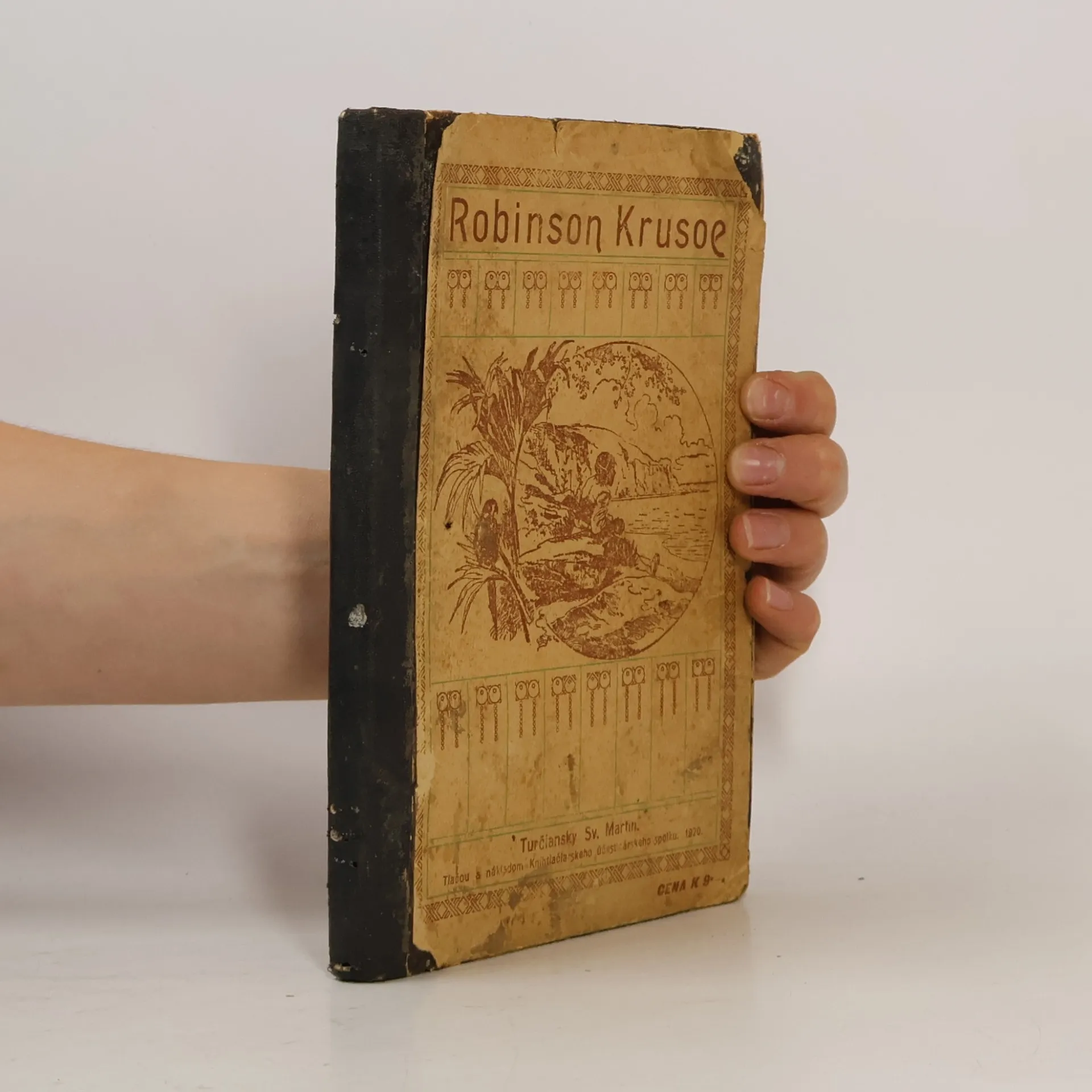
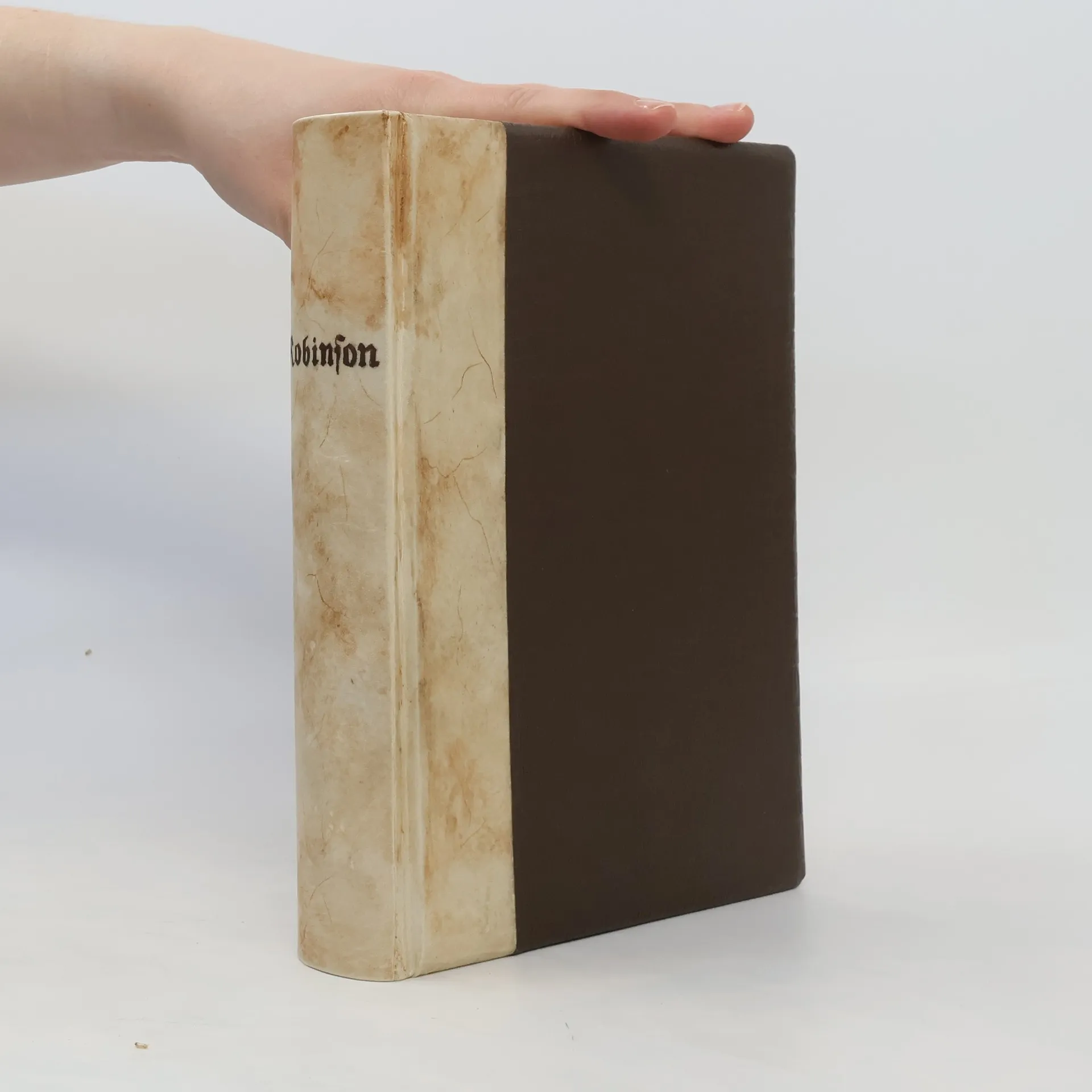
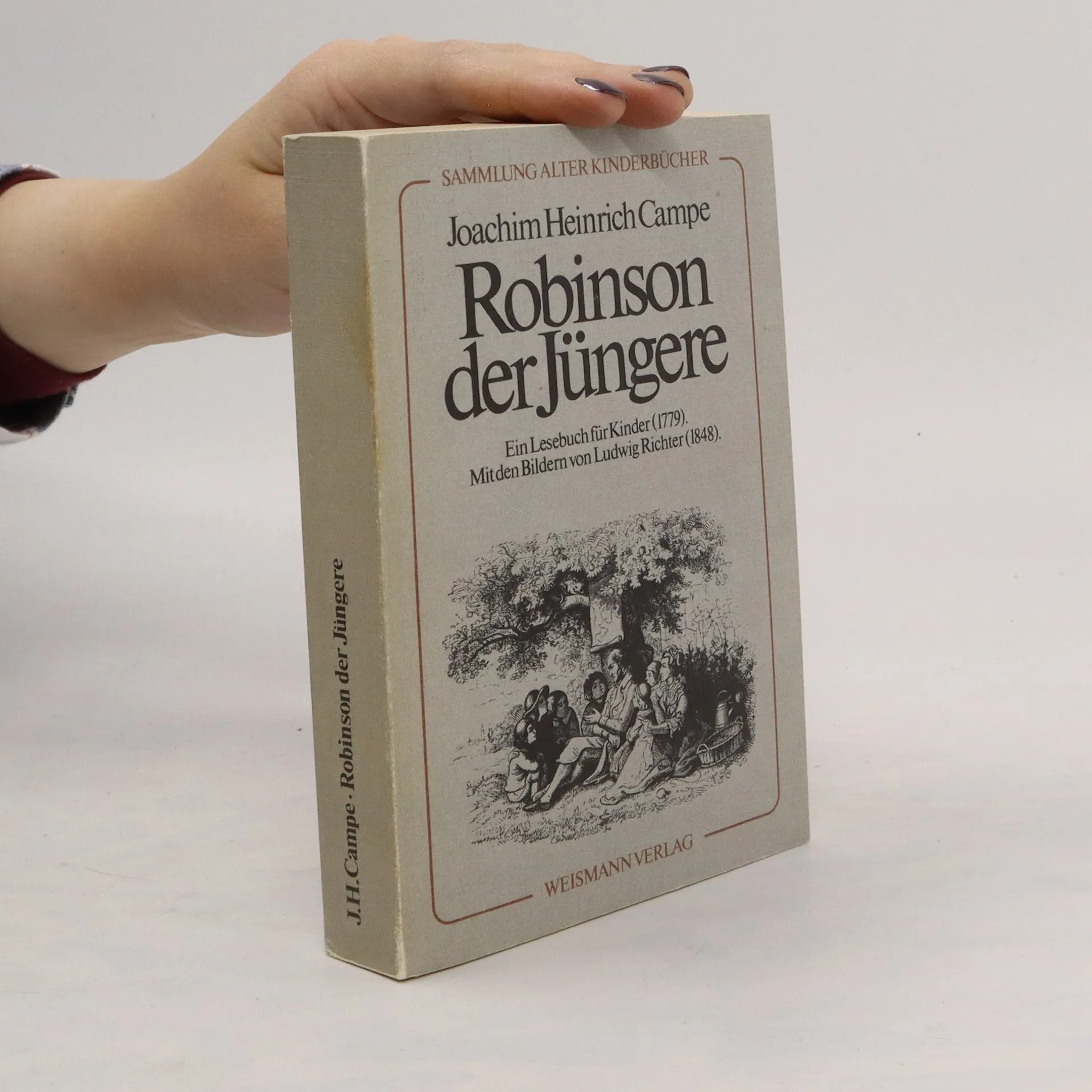
Robinson der Jüngere
- 476 pages
- 17 hours of reading
Der 1779/1780 erschienene Jugendroman Robinson der Jüngere, eine freie Übersetzung und Bearbeitung des Robinson Crusoe von Daniel Defoe, wurde in zahlreiche Sprachen übersetzt, gilt als erste spezifische deutsche Jugendschrift und wurde zu einem der erfolgreichsten deutschsprachigen Jugendromane überhaupt.
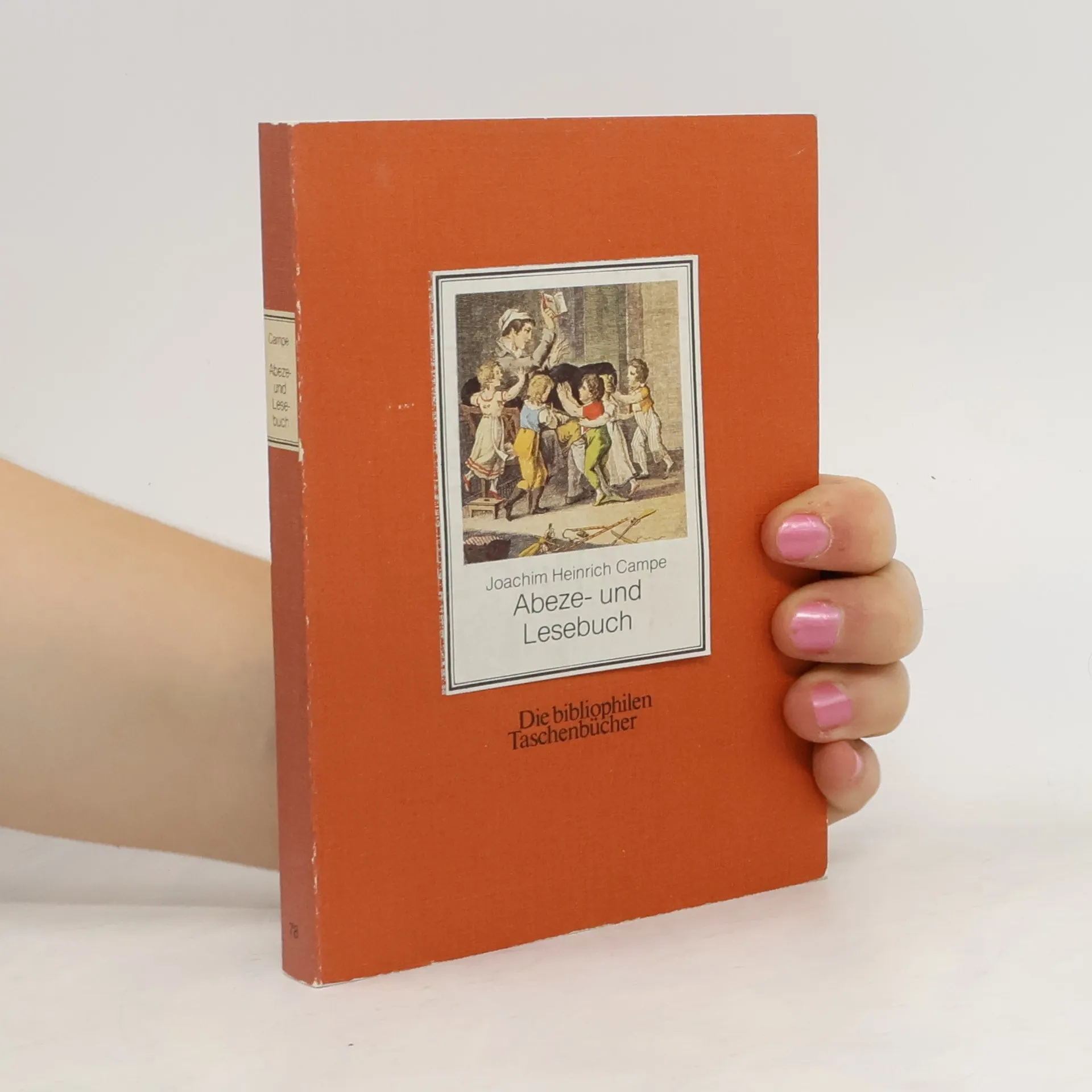
Abeze- und Lesebuch
- 273 pages
- 10 hours of reading
Joachim Heinrich Campe (1746–1818) betrachtete Reisen als zentralen Bestandteil seiner Arbeit. Sein Bericht über eine Reise von Hamburg in die Schweiz 1785 bietet anschauliche Einblicke in Reiseerlebnisse, die er literarisch verarbeitet. Campe will seine Leser, insbesondere die Jugend, zu nützlichen und tugendhaften Menschen erziehen.
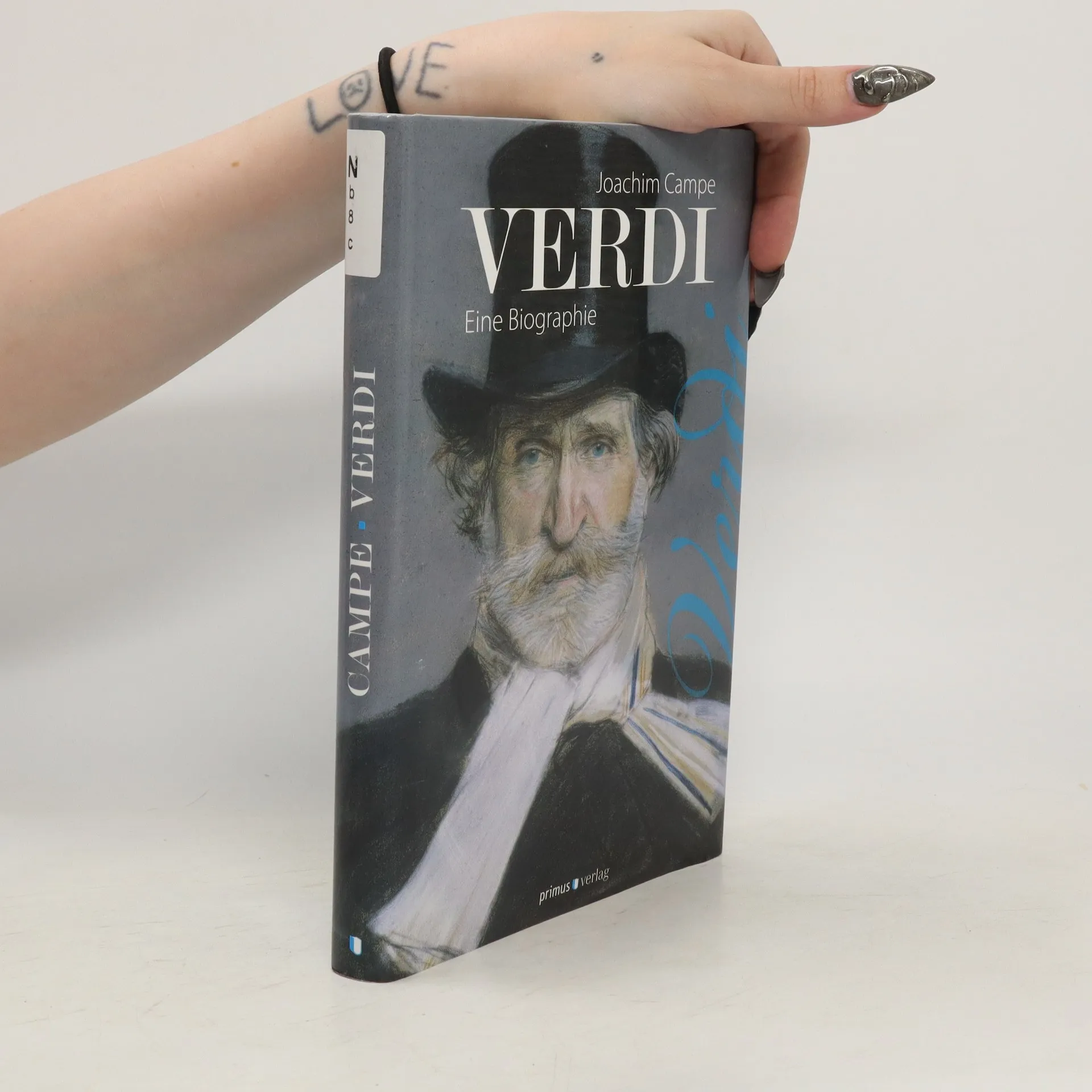
Verdi. Eine Biographie
- 256 pages
- 9 hours of reading
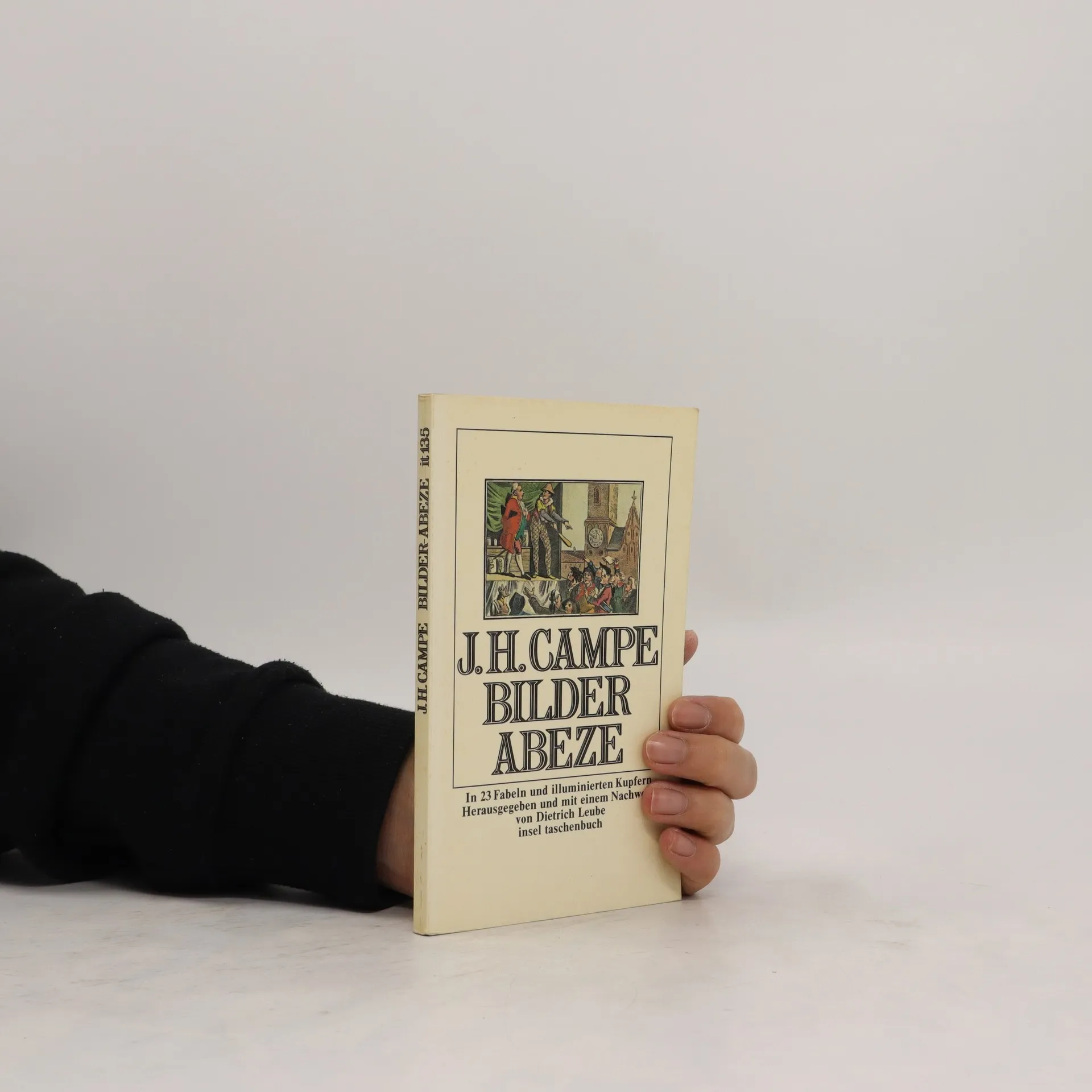
Bilder-Abeze
- 74 pages
- 3 hours of reading
Über die früheste Bildung junger Kinderseelen
- 207 pages
- 8 hours of reading
Andere Lieben
- 343 pages
- 13 hours of reading
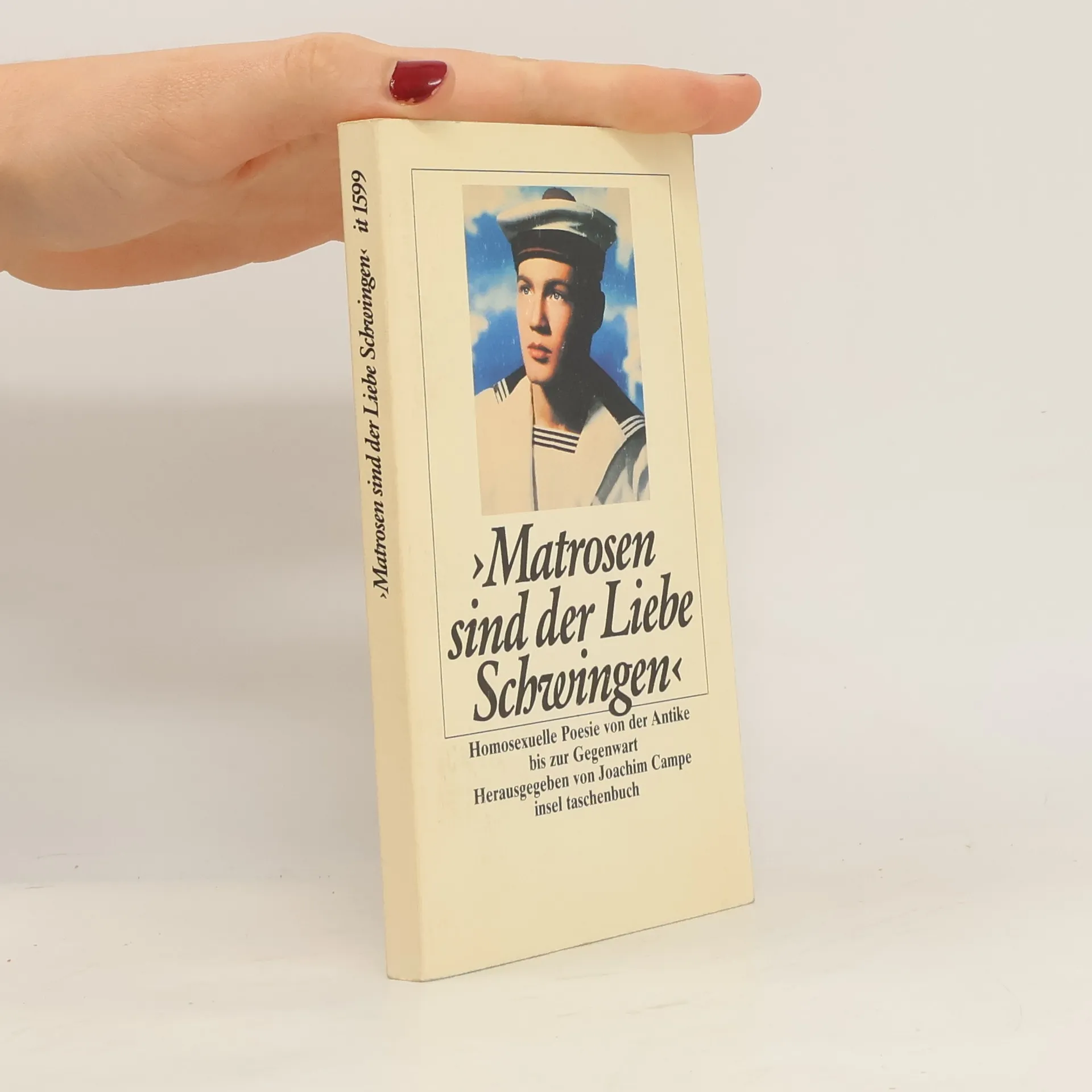
Matrosen sind der Liebe Schwingen
Homosexuelle Poesie von der Antike bis zur Gegenwart
- 188 pages
- 7 hours of reading