

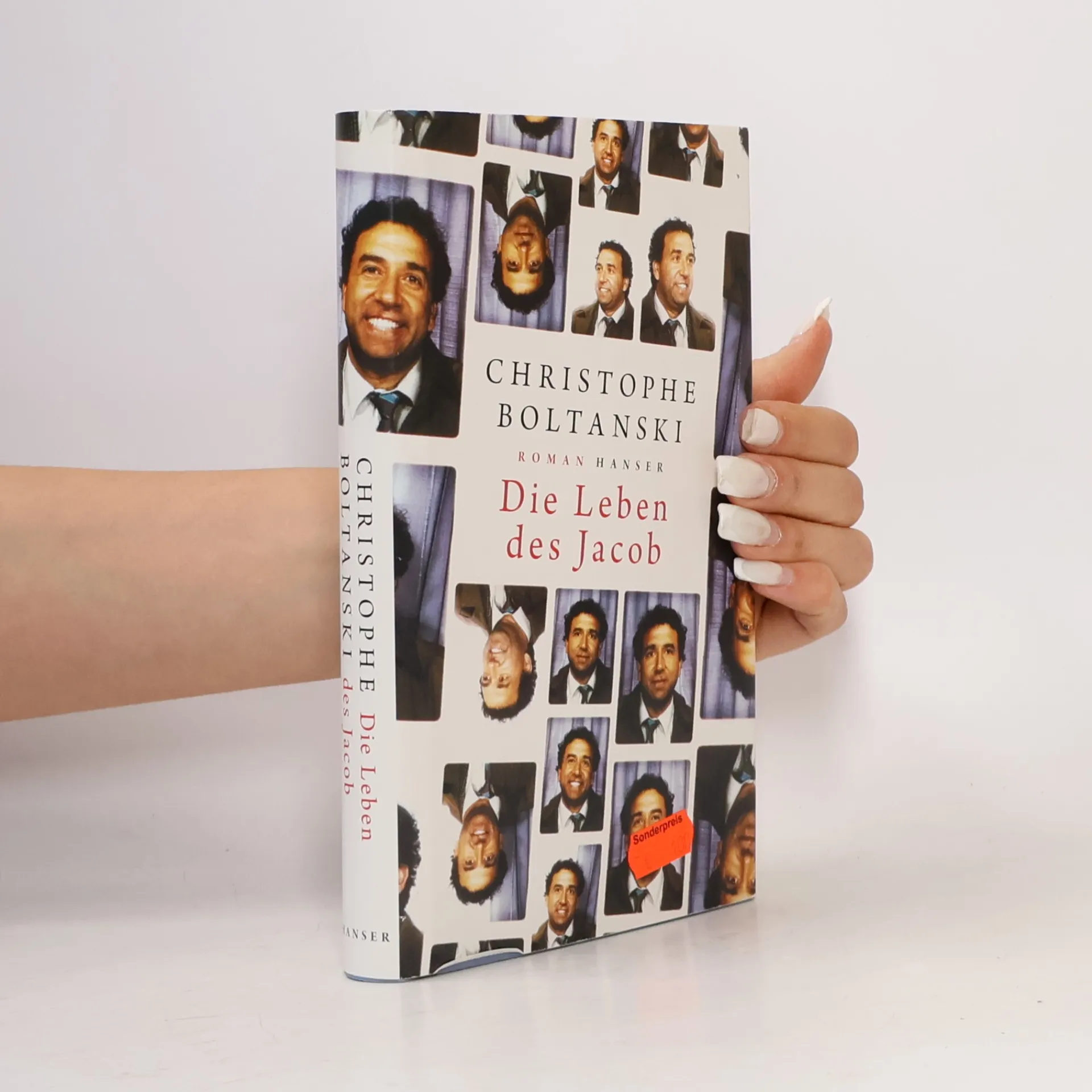
Über die Kraft sich immer wieder neu zu erfinden – der neue Roman von Christophe Boltanski. Ein Jahr lang, zwischen 1973 und 1974, lässt sich ein gewisser Jacob B’chiri täglich und in wechselnder Verkleidung in einem Fotoautomaten ablichten. Wozu dienten die geheimnisvollen Aufnahmen? Christophe Boltanski begibt sich fasziniert auf Jacobs Spur, die von Paris über Rom und Marseille führt, zu den Friedhöfen von Djerba und an die Ränder der israelischen Negev-Wüste. Dabei fördert er eine unglaubliche Biographie zu Tage, in der sich Kriegs- und Exilerfahrung mit künstlerischen Ambitionen vermischen. Leichthändig und klug setzt er das Leben eines Fremden zu einer Erzählung über Identität, Glauben und die großen Tragödien des 20. Jahrhunderts zusammen.
Christophe Boltanski Book order (chronological)
Christophe Boltanski is a French journalist and writer whose work is characterized by a deep insight into the human psyche and social issues. His writing often navigates the line between documentary and fiction, masterfully weaving personal stories with broader historical and social contexts. Boltanski's style is marked by its precision and emotional depth, drawing readers into the heart of the themes he explores. His texts offer compelling and thought-provoking reading.

The crossing: My journey to the shattered heart of Syria
- 280 pages
- 10 hours of reading
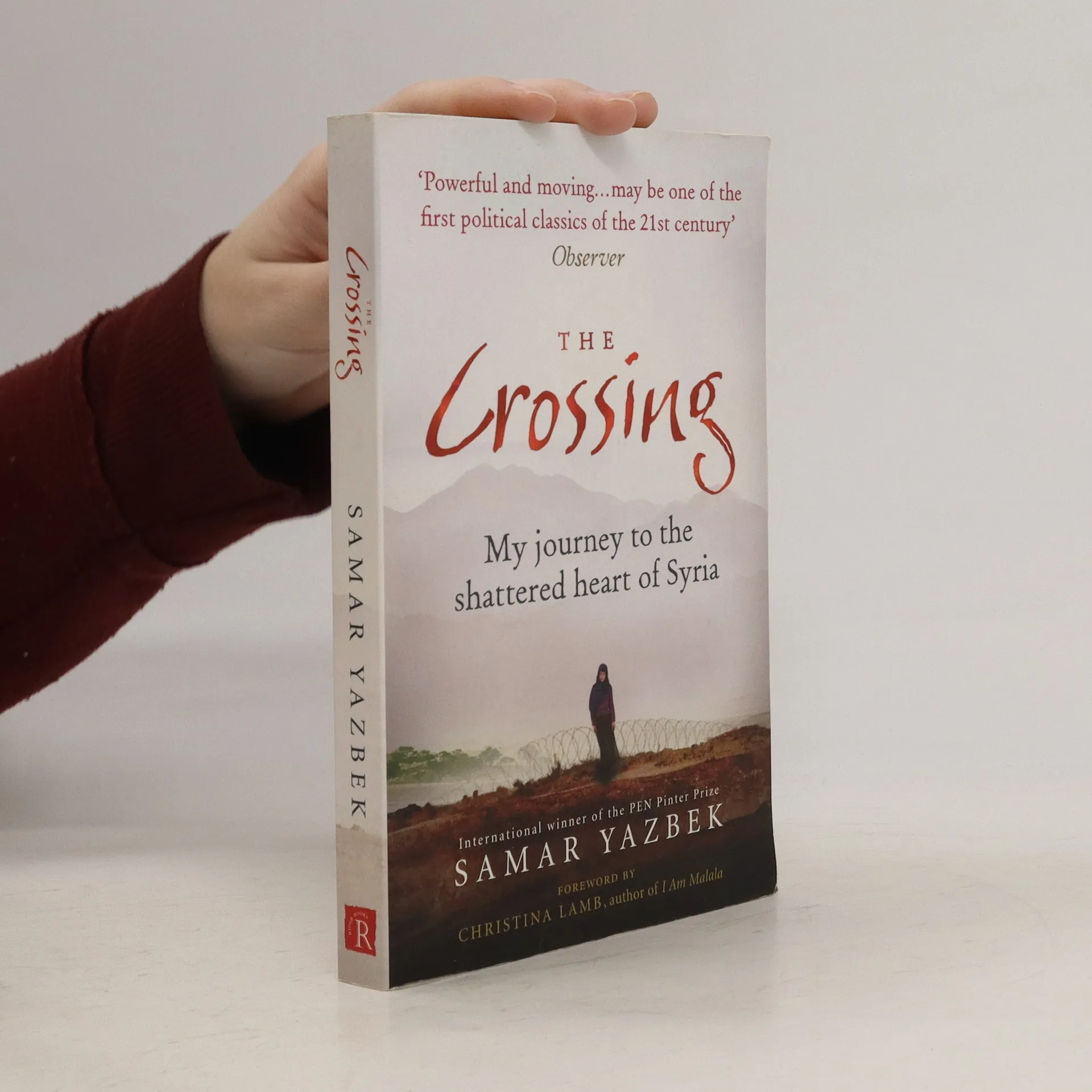
Samar Yazbek was well-known in her native Syria as a writer and a journalist but, in 2011, she fell foul of the Assad regime and was forced to flee. Since then, determined to bear witness to the suffering of her people, she revisited her homeland by squeezing through a hole in the fence on the Turkish border. Here she testifies to the appalling reality that is Syria today. From the first innocent demonstrations for democracy, through the beginnings of the Free Syrian Army, to the arrival of ISIS, she offers remarkable snapshots of soldiers, children, ordinary men and women simply trying to stay alive. Some of these stories are of hardship and brutality that is hard to bear, but she also gives testimony to touches of humanity along the way: how people live under the gaze of a sniper, how principled young men try to resist orders from their military superiors, how children cope in bunkers
La Cache
- 334 pages
- 12 hours of reading
Nous avions peur. De tout, de rien, des autres, de nous-memes. De la petite comme de la grande histoire. Des honnetes gens qui, selon les circonstances, peuvent se muer en criminels. De la reversibilite des hommes et de la vie. Du pire, car il est toujours sur. Cette apprehension, ma famille me l'a transmise tres tot, presque a la naissance. Que se passe-t-il quand on tete au biberon a la fois le genie et les nevroses d'une famille pas comme les autres, les Boltanski ? Que se passe-t-il quand un grand-pere qui se pensait bien francais, mais voila la guerre qui arrive, doit se cacher des siens, chez lui, en plein Paris, dans un entre-deux, comme un clandestin ? Quel est l'heritage de la peur, mais aussi de l'excentricite, du talent et de la liberte boheme ? Comment transmet-on le secret familial, le noyau d'ombre qui aurait pu tout engloutir ? La Cache est le roman-vrai des Boltanski, une plongee dans les arcanes de la creation, une education insolite Rue-de-Grenelle, de la Seconde Guerre mondiale a aujourd'hui. Et la revelation d'un auteur.
Minerais de sang
- 352 pages
- 13 hours of reading
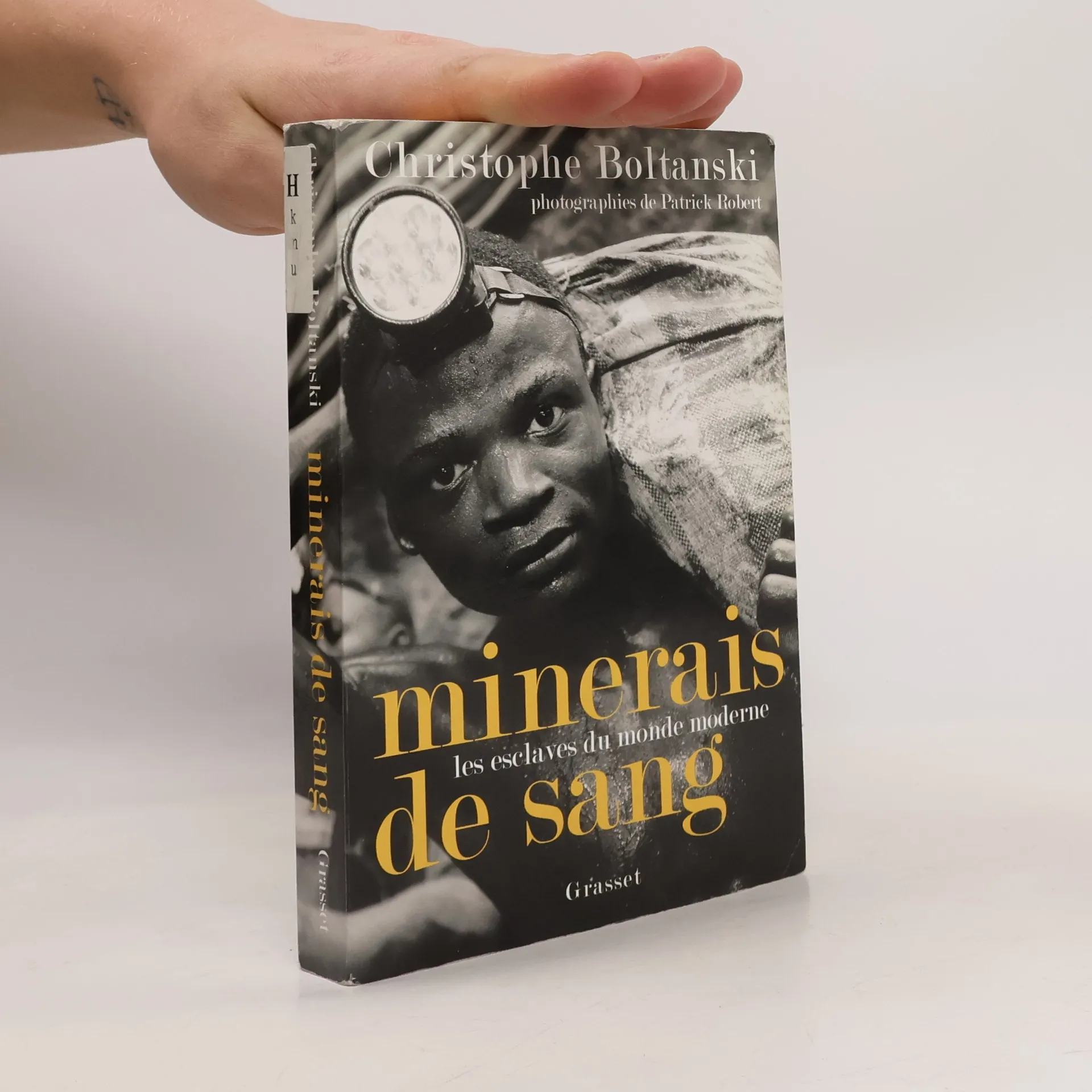
Qui connait la cassiterite ? C'est le principal minerai de l'etain. On le trouve partout, dans nos telephones portables, nos radios, nos televisions... Mais a quel prix ? Dans ce livre-enquete, cette traque policiere sur plusieurs continents, Christophe Boltanski nous revele l'origine de ces minerais de sang. Depuis les mines du Nord-Kivu au Congo, ou des gamins africains s'enfoncent sous la terre au peril de leur vie jusqu'aux tours de La Defense, ou des entreprises mondialisees disent tout ignorer du chemin qu'empruntent les minerais, notre reporter-ecrivain a suivi le fil hasardeux, dangereux, qui mene de l'ombre de ces esclaves modernes a la lumiere de notre consommation quotidienne. De l'Afrique des gueres oubliees au London Stock Metal Exchange, des usines de Malaisie aux poublelles a ciel ouvert du Ghana, en passant par Bruxelles et Paris, c'est un roman-vrai, tisse d'argent, d'influences obscures, de politique. Le veritable visage du post-colonialisme.
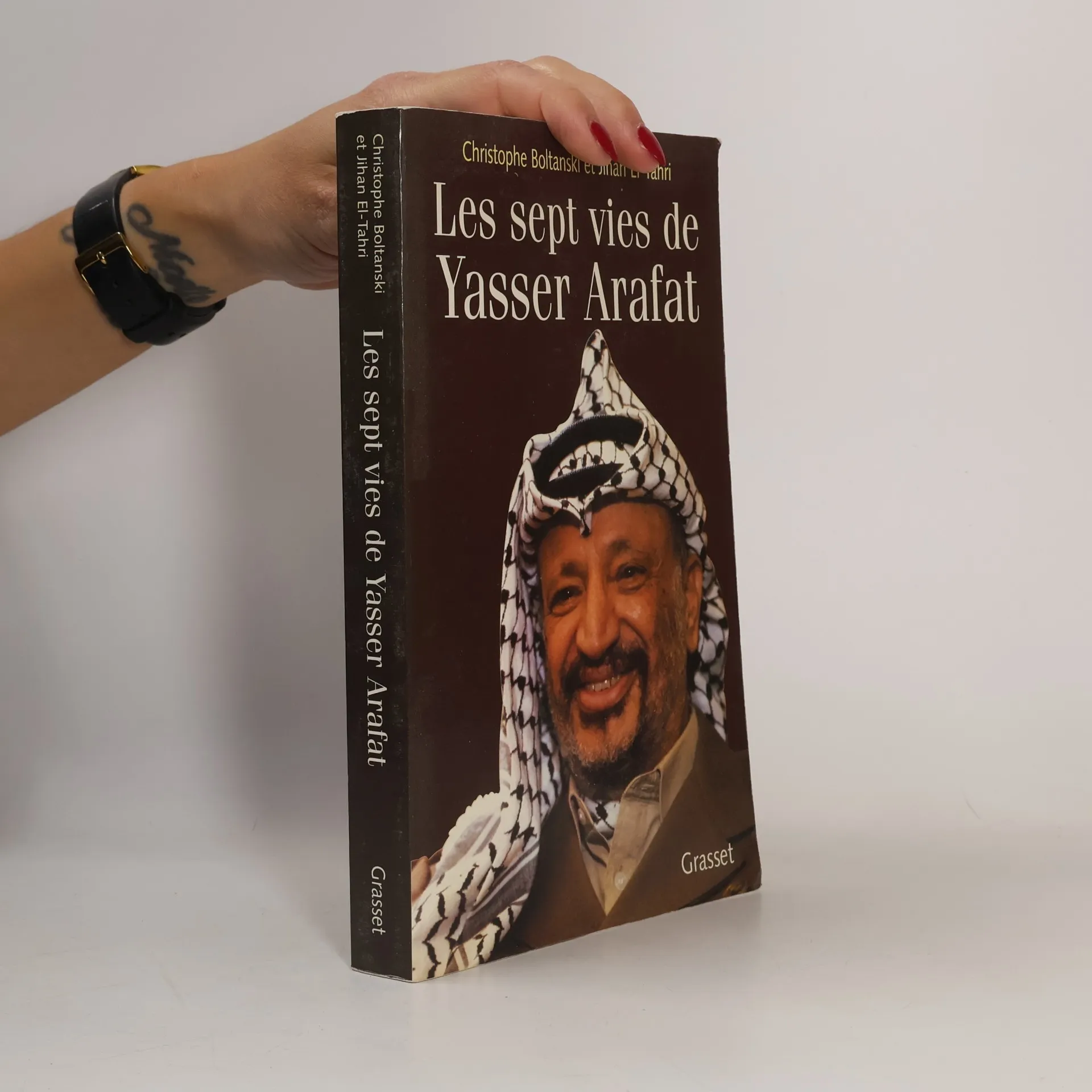
Les Sept Vies de Yasser Arafat
- 408 pages
- 15 hours of reading
Des bords du Nil à la poussière de Gaza, de l'exil de Tunis aux fastes défunts de Beyrouth, on suit l'itinéraire tumultueux de cet autocrate qui changea sans cesse d'identité, seigneur de la guerre avant de devenir le jongleur des accords d'Oslo. Un document réalisé par le correspondant de "Libération" en Israël et J. Al-Tahri, journaliste à la BBC.