Focusing on the interplay between the experimenter's hands and the artist's, this book explores the intricate relationship between science and art. It offers a deep intellectual engagement that reveals how these two fields influence and enrich one another, inviting readers to consider the creative processes that bridge scientific inquiry and artistic expression.
Hans-Jörg Rheinberger Books
January 12, 1946

The Science Studies Reader
- 590 pages
- 21 hours of reading
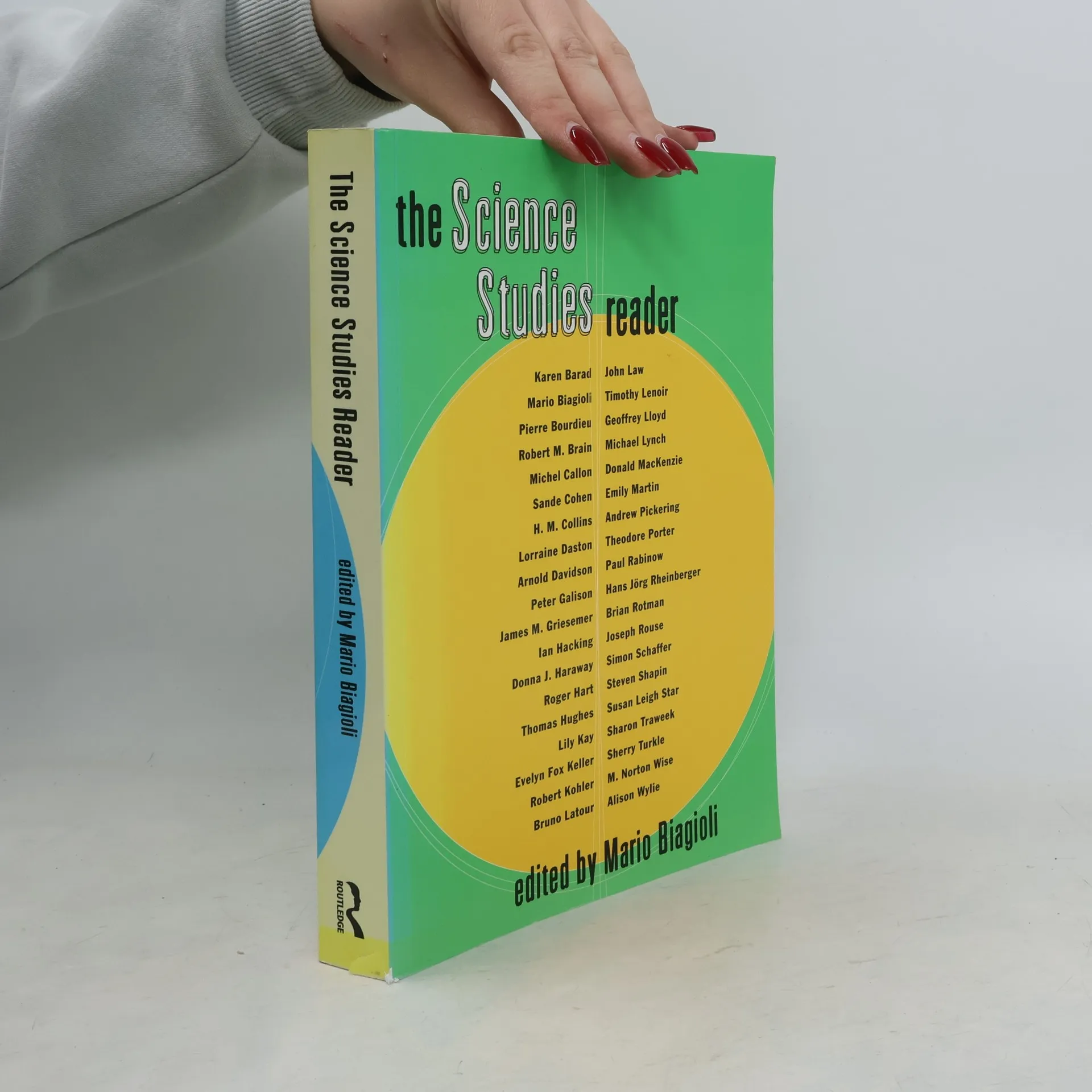
The Reader focuses on the practices of modern and contemporary science and technology located in different national and institutional settings, with some attention to non- Western contexts. By mapping some of the open questions and points of tension likely to occupy the field for years to come, the essays in the Reader cast fresh light on what "science" means at the end of the twentieth century.
Historische Epistemologie zur Einführung
- 155 pages
- 6 hours of reading
Wenn das 19. Jahrhundert in der Philosophie der Wissenschaften den Aufstieg des Positivismus erlebte, so begann das 20. Jahrhundert mit einer Krise des positivistischen Denkens, ohne dass zunächst eine Lösung oder gar Alternative in Sicht gewesen wäre. Erst allmählich entwickelte sich im Laufe des 20. Jahrhunderts ein komplexes, sozialhistorisch und denkhistorisch motiviertes Nachdenken über Wissenschaft, das in seinem Kern darin bestand, die Wissenschaftsphilosophie zu historisieren. Es entwickelten sich Formen einer historischen Epistemologie. Diese Bewegung muss in den breiteren Kontext der Dynamik der Wissenschaften und der sozialen und kulturellen Entwicklungen des 20. Jahrhunderts gestellt werden. In dieser Einführung werden Positionen vorgestellt, die in diesen Historisierungsprozess eingegriffen und ihn gestaltet haben.
Ordnung und Organisation
Begriffsgeschichtliche Studien zu den Wissenschaften vom Leben im 18. und 19. Jahrhundert
- 296 pages
- 11 hours of reading
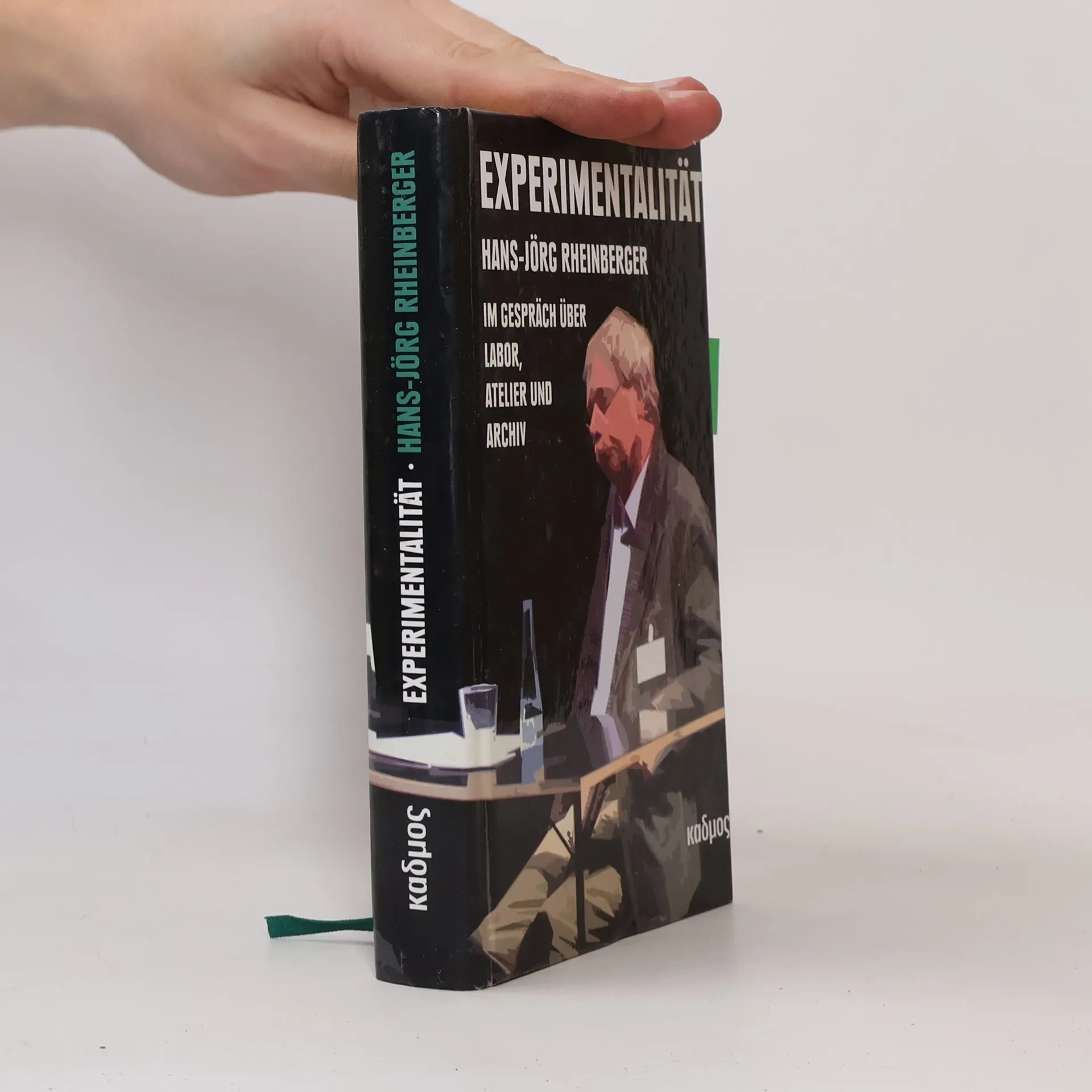
Experimentalität
Hans-Jörg Rheinberger im Gespräch über Labor, Atelier und Archiv
- 289 pages
- 11 hours of reading
Einsichten im Dialog: Die Farben des Tastens
Der Philosoph Hans-Jörg Rheinberger im Gespräch mit Alexandru Bulucz
- 64 pages
- 3 hours of reading
Wie kommt es zu Neuem in der Wissenschaft? »Ich wünsche mir, dass keiner so genau weiß, ob ich Molekularbiologe, Philosoph, Wissenschafts-Historiker, Liebhaberbotaniker, Poet oder sonst was bin, oder alles zusammen. Ich wünsche mir, dass ich weiter tun kann, was mir bisher zu tun vergönnt war. Auf der Suche zu sein, nach dem, was ich nicht weiß, also alles zu erforschen.« »Gesenkt den Kopf / immer auf der Suche / nach römischen Münzen / so hab ichs gelernt«, lautet eine Strophe Hans-Jörg Rheinbergers. Im Gespräch mit ihm wird sie zum Anlass genommen, auch der Frage nachzugehen, ob sich die Stelle, von der aus jemand zu suchen beginnt, bestimmen lässt. Das schriftstellerische Werk Rheinbergers, der zu Beginn seines Studiums unter anderem Texte des Lettristen Isidore Isou und des Dekonstruktivisten Jacques Derrida ins Deutsche übersetzte, wäre undenkbar ohne die Wirkung, die bestimmte Denker und Dichter auf ihn ausübten. Seine wissenschaftlichen und poetischen Erkundungsgänge sind daher auch Gänge des Andenkens. Wer aber eine Tradition fortschreibt, wird sie zwangsläufig deformieren und erweitern, schon deshalb, weil die Menge des gesicherten Wissens vom Wissenschaftler oder Dichter neu zusammengewürfelt wird.
An mir ist fast alles zufällig." Ob im Labor oder im Schreibvorgang, in der künstlerischen Forschung oder im Leben ? das Experiment steht im Zentrum der zwischen Wissenschaftsgeschichte und wissenschaftlicher Biografie pendelnden Gespräche mit Hans-Jörg Rheinberger. In ausführlichen Interviews spricht der Wissenschaftshistoriker über den Menschen und seine Gene, über das Schreiben des Historikers, über Derrida im Labor und wie das genau ist mit der Neugier in der Wissenschaft. Welche Rolle spielen Planung und Zufall in der Forschungsarbeit, wie verhält es sich mit Leidenschaft und Glücksempfinden? Und warum ist ausgerechnet das Geheimnis das schönste Motiv für Forschung? 0Meist eher an entlegenen Orten publiziert, können die Gespräche in dieser Zusammenstellung als ein Projekt wahrgenommen werden, das sich über mehrere Jahre erstreckt und selbst Experimentalcharakter hat. So werden die Bezugspunkte sichtbar, die sie vereinen, aber auch, was sie in Spannung zueinander hält.
Stammzellforschung und Zelltherapie
Stand des Wissens und der Rahmenbedingungen in Deutschland ; Supplement zum Gentechnologiebericht
- 295 pages
- 11 hours of reading
Album für Robert Allgäuer 75
- 75 pages
- 3 hours of reading