
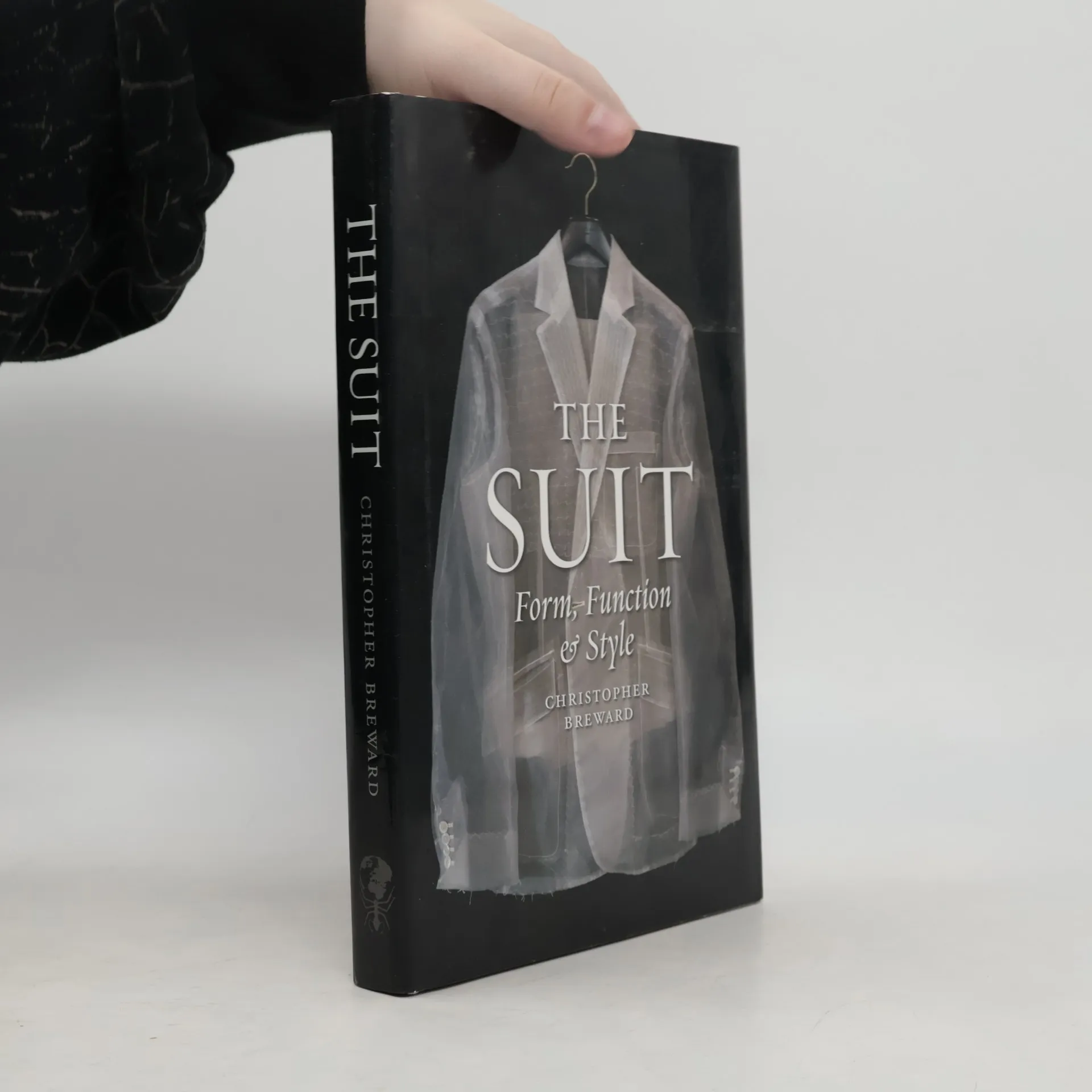
Be as in love with your jeans, sweatpants, or flannels as you want, but the sumptuous feel of a finely tailored suit is hard to deny, along with the power it conveys. For over a century, the suit has dominated wardrobes, serving as the go-to attire for various settings where making an impression is key. However, its rich history, complex construction, and evolving meanings have often been overlooked. Christopher Breward unravels the story of this familiar garment, tracing its emergence in the late seventeenth century alongside significant political rivalries and the rise of modern democracy. He explores advancements in textile technology that shaped the suit as a modern fashion template, highlighting its global journey, especially in South and East Asia, where it became an icon of Western civilization. While the suit symbolizes conformity and the status quo, it has also served as a canvas for artists, musicians, and revolutionaries to challenge dominant culture. Breward examines its adoption by women and its implications for gender, concluding with reflections on its decline amid the rise of business casual and its place in the twenty-first century. Beautifully illustrated and authoritative, this exploration offers fresh insights into this special garment.
Christopher Breward Book order (chronological)
Christopher Breward is a leading cultural historian whose work delves into the Western history of fashion and the status of cities like London as global style capitals. He also examines men as consumers of dress, the history of dandyism, and the interplay of fashion with modernity and memory. His publications and exhibitions draw on deep knowledge of art and design history, offering readers a rich understanding of how fashion has shaped societies over time. Breward's scholarship illuminates the intricate connections between clothing, culture, and historical context.


British design from 1948 : innovation in the modern age
- 400 pages
- 14 hours of reading
This visually stunning book, created for a major V&A exhibition, celebrates the best of British design from 1948 to today. Essays by leading curators as well as pieces by key designers—including Peter Saville, Barbara Hulanicki, Paul Smith, and Tom Dixon—build a comprehensive survey of more than 400 of the finest examples of fashion and textiles, furniture, ceramics and glass, theater design, graphics, photography, architecture, and fine art and sculpture from the period. From works commissioned for the coronation of Queen Elizabeth II to the globally influential, and very British, counterculture, included here are works created for the 1960s boutiques of Mary Quant and Ossie Clark through the club cultures of punk, the new Romantics, and rave.
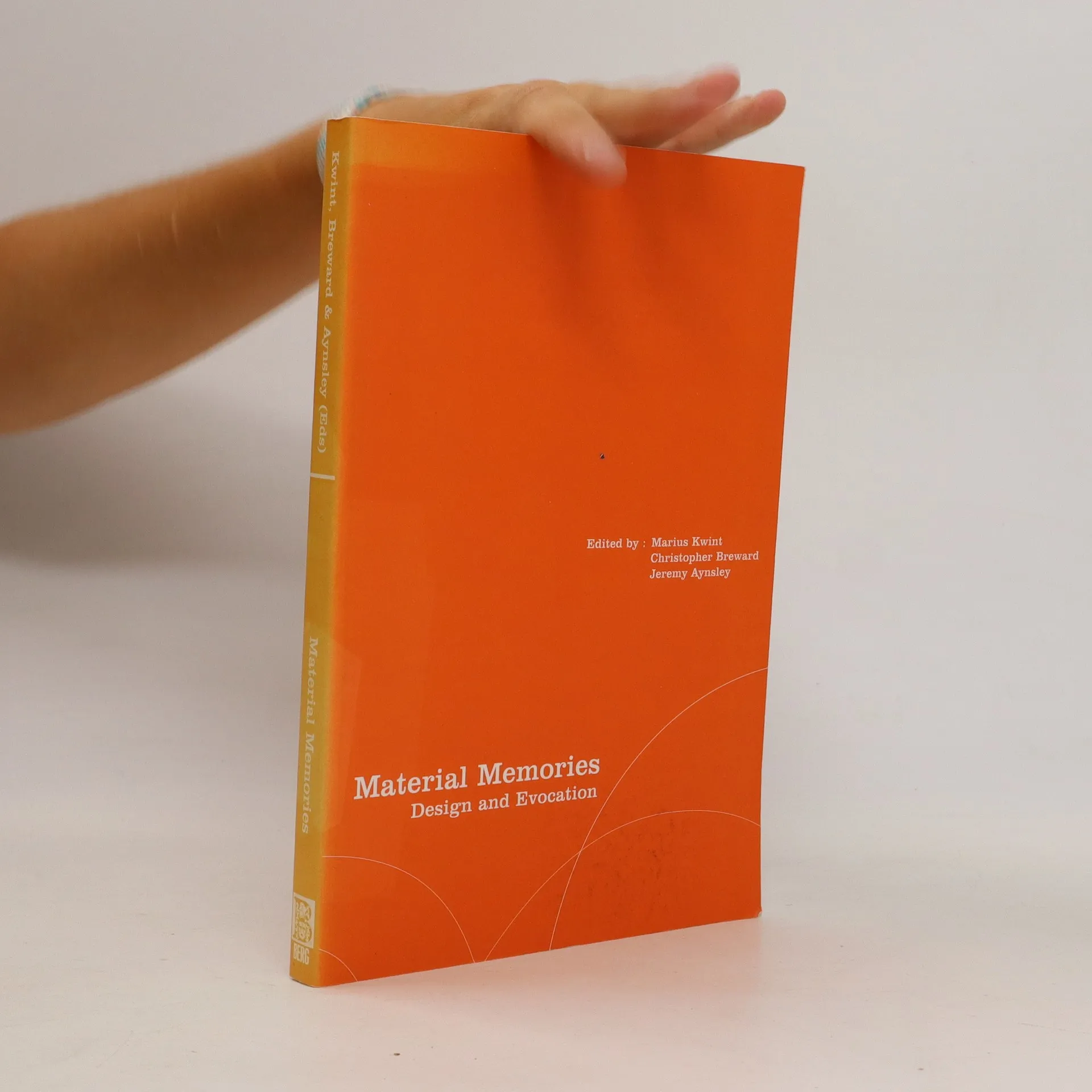
Material Memories
- 256 pages
- 9 hours of reading
This book examines the way that objects 'speak' to us through the memories that we associate with them. Instead of viewing the meaning of particular designs as fixed and given, by looking at the process of evocation it finds an open and continuing dialogue between things, their makers and their consumers. This is not, however, to diminish the role of design in shapinghuman consciousness. The contributors do not view objects as blank carriers onto which humans project prior psychic dramas, but rather, place crucial importance on the precise materials from which they are made, their social, economic and historic reasons for being, and the way that we interact with them through our senses. This book therefore studies the physical withinthe intellectual, directly testing the concept of material culture. With telling illustrations, and spanning the Renaissance to the present day, leading scholars converge across disciplines to explore the souvenir-value of jewellery, textiles, the home, the urban space, modernist design, photography, the museum and even the sunken wreck. Together they show howthe sense of the past and of history, far from being a 'radical illusion' as some post-modernists claim, has been a deeply felt reality.
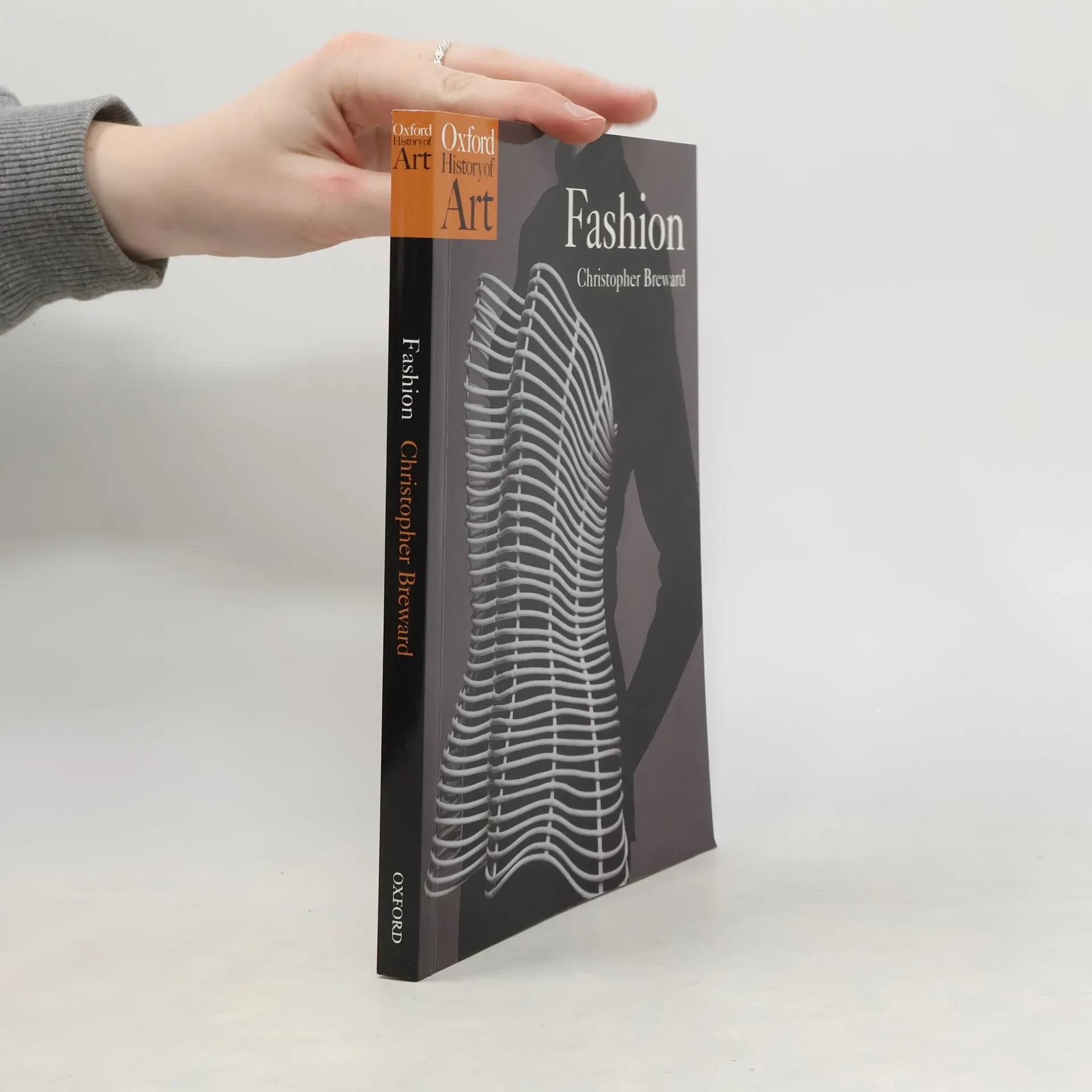
This lively survey of 150 years of fashion covers everything from Haute Couture to the High Street. From Coco Chanel to Alexander McQueen, Breward explores fashion as a cultural phenomenon. Topics include fashion in film, the world of Vogue and advertising, and the use of fashion to create identity from the Flapper to the New Look, and Dandy to Punk.