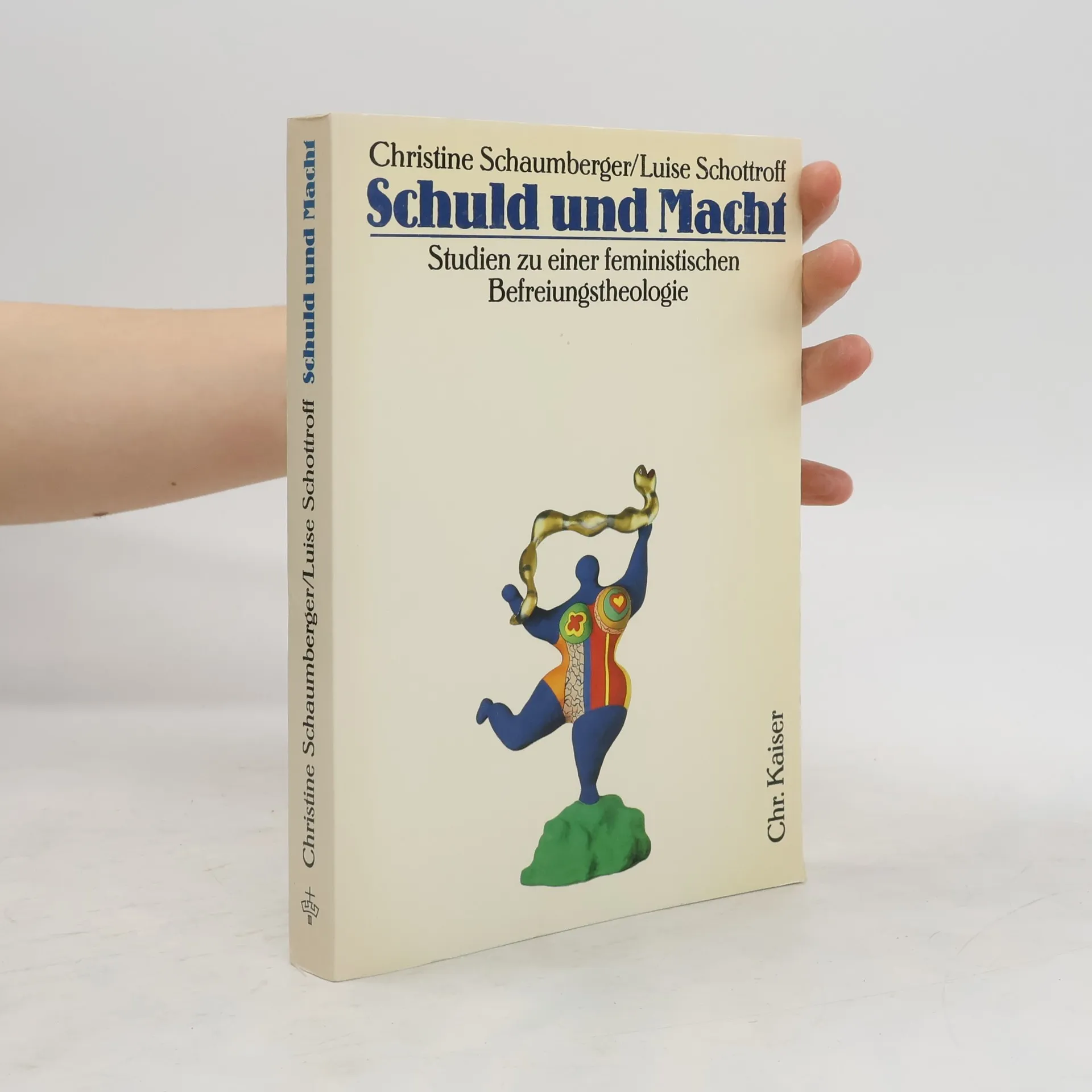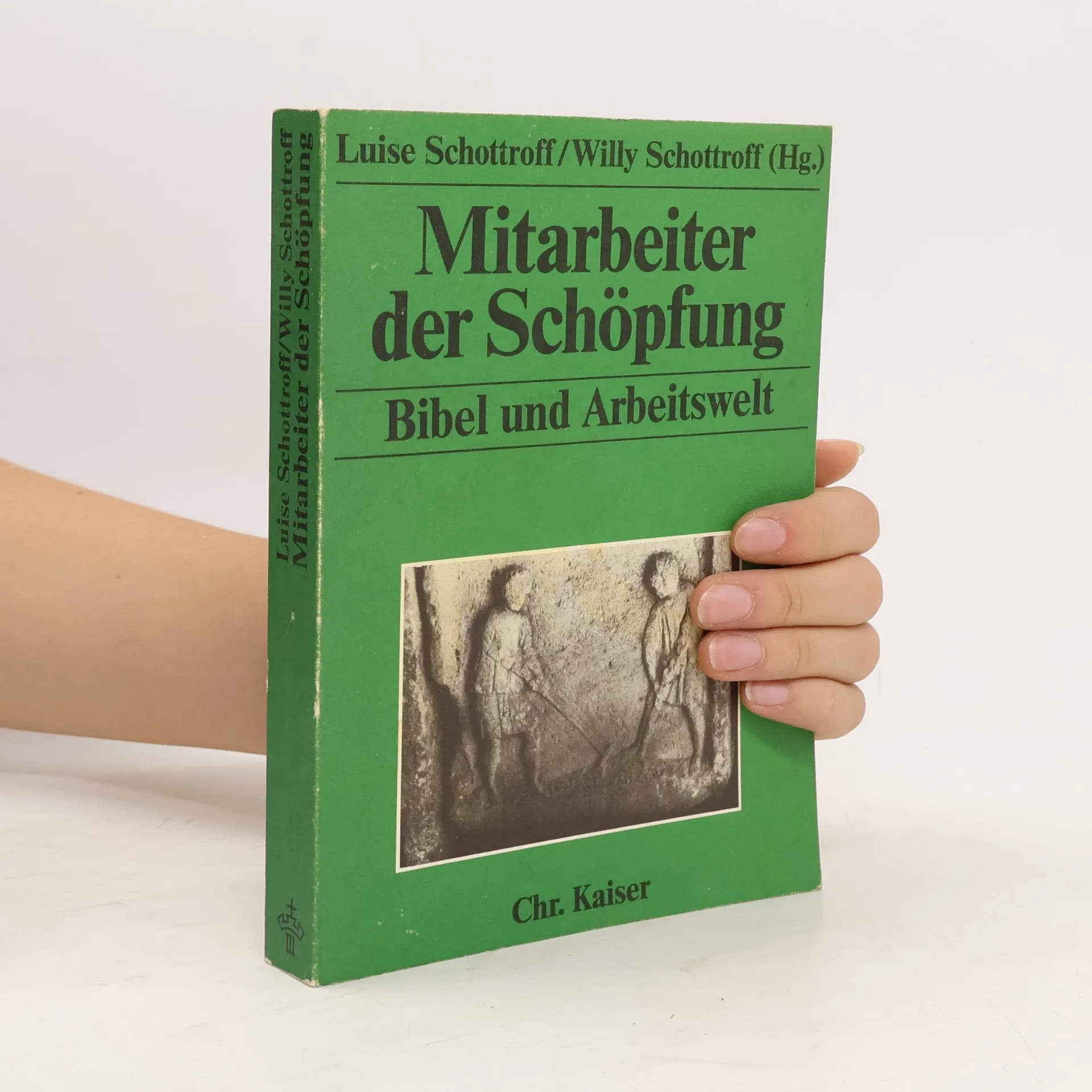

1 Corinthian gives us an example how Paul interprets the Tora for Christians from the nations: He tells concretely, sensitively, close to their daily life about the hope against the death. He writes down prayers and songs from the messianic communities of his times. And he contradicts himself&especially in his dealing with women compared to his ideas about how they should be. Luise Schottroff (1934&2015) guides her readers to discover Pauls from anew, digging to his original thoughts through traditional missinterpretations, appropriation, and monopolization. The English version is based on the German 2nd edition. It was translated by Everett R. Kalin, Professor Emeritus for New Testament at Pacific Lutheran Theological Seminary at Berkely/CA.
Luise Schottroff Book order


- 2021
- 2019
Der Anfang des Neuen Testaments
Matthäus 1-4 neu entdeckt. Ein Kommentar mit Beiträgen zum Gespräch
- 287 pages
- 11 hours of reading
English summary: During her last year of life, Luise Schottroff (1934-2015) worked on a commentary on the Gospel of Matthew, and was able to finish chapters 1-4. These are understood not only as a consciously designed introduction to the Gospel of Matthew but also as an overture for the entire New Testament. She reads the texts in a surprisingly new way and often breaks with previous consensus, both scientific-exegetic and dogmatic. In order to meet the challenges of this interpretation, the editors provide each important section with a meta-commentary that places it within its theological and exegetical context and opens up a critical discussion. German description: Luise Schottroff (1934-2015) hat in ihrem letzten Lebensjahr an der Kommentierung des Matthausevangeliums gearbeitet, Kapitel 1-4 konnte sie abschliessen. Diese werden nicht nur als bewusst gestaltete Einleitung ins Matthausevangelium sondern zugleich als Ouverture fur das gesamte Neue Testament verstanden. Sie liest die Texte uberraschend neu und bricht vielfach mit bisherigen Konsensen, wissenschaftlich-exegetischen wie dogmatischen. Um den Herausforderungen dieser Auslegung gerecht zu werden, wird - verantwortet vom Heidelberger Arbeitskreis fur sozialgeschichtliche Bibelauslegung - jedem wichtigen Abschnitt ein Meta-Kommentar zur Seite gestellt, der eine Einordnung in die Theologie- und Auslegungsgeschichte vollzieht und eine kritische Diskussion beginnt.
- 2015
Die Gleichnisse Jesu
- 318 pages
- 12 hours of reading
Eine Anleitung, biblische Gleichnisse sozialgeschichtlich neu zu lesen.§Ein authentisches Verständnis wichtiger Texte des Christentums.§Ein Muss für alle, die predigen oder die Bibel auslegen.
- 2013
Der erste Brief an die Gemeinde in Korinth
verantwortet und mit einem Vorwort von Claudia Janssen
In diesem Kommentar wird gezeigt, wie Paulus die Tora für Menschen aus den Völkern auslegt: konkret, lebensnah, sensibel und argumentierend. Er sucht nach Bildern für eine Hoffnung, die dem Tod standhält. Er schreibt die Gebete und Lieder auf, die in den messianischen Gemeinden seiner Zeit gesungen wurden. Und: Er widerspricht sich selbst, vor allem in seiner Vorstellung, wie Frauen zu sein hätten, und in seinem faktischen Umgang mit ihnen. Dass in diesem Brief die berüchtigten frauenfeindlichen Sätze des Paulus zu finden sind, ist heute oft die erste Assoziation. Darüber hinaus ist der Brief durch die lange und ausgeprägte Auslegungstradition belastet, die Paulus zur Rechtfertigung christlicher Herrschaftspositionen benutzt hat: Die Gestalt des Paulus war die Projektionsfläche für christliche Amtsträger und ihre Herrschaft über das Kirchenvolk. Und - noch verhängnisvoller: Paulus war der Inbegriff einer christlichen Identitätsfindung durch negative Abgrenzung zum Judentum als einer "Gesetzesreligion". - Eine Neuentdeckung des Paulus ist fällig.

- 2012
Die Bereitung zum Sterben
Studien zu den frühen reformatorischen Sterbebüchern
- 142 pages
- 5 hours of reading
Luise Schottroff summarizes the history of theological writings on the preparation for dying in the 16th Century. Luther's »Sermon On Preparing To Die” (1519) was widely commented by contemporary theologians.
- 2009
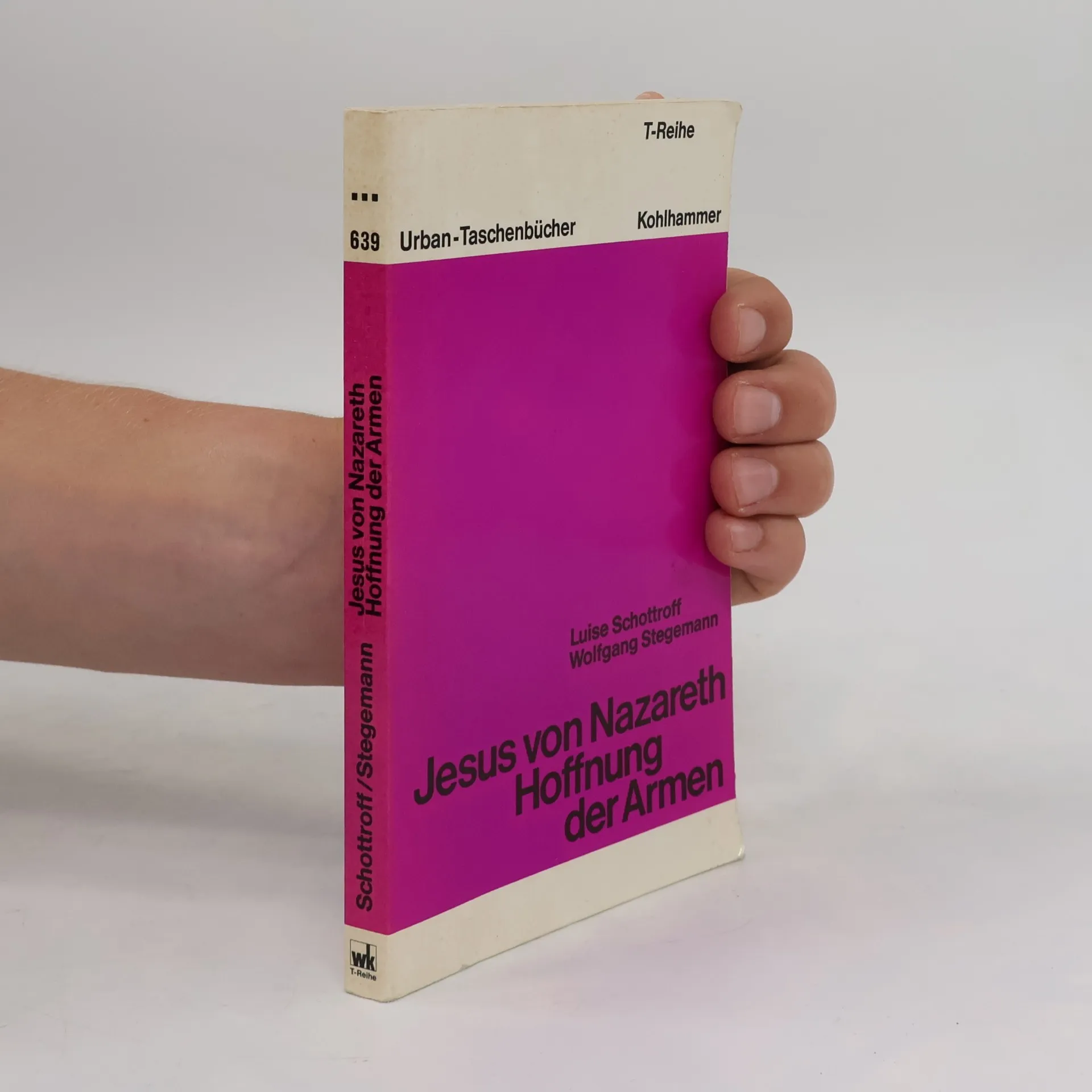
Jesus and the Hope of the Poor
- 146 pages
- 6 hours of reading
The authors emphasize that understanding Jesus requires recognizing his deep connections with his disciples and the impoverished Jewish community of his era. They argue that Jesus, as a Jewish figure, not only preached the reign of God uniquely but also served as a beacon of hope for the marginalized. By situating him within this context, Schottroff and Stegemann challenge the tendency to isolate Jesus from his cultural and social roots, offering a fresh perspective on his significance in the earliest Jesus movement.
- 2007
This book features a comprehensive glossary of liturgical terms and practices, complemented by graphics and a bibliography for further exploration. An index of names enhances its usability, while reflection questions at the end of each chapter encourage readers to engage deeply with the themes and issues presented.
- 2006
The Parables of Jesus
- 296 pages
- 11 hours of reading
The portrayal of Jesus' trial and execution in the New Testament is critically examined, revealing its impact on biblical studies, Christian theology, and Jewish-Christian relations. Tomson provides a thoughtful analysis of the biblical accounts, highlighting how misunderstandings have fueled anti-Jewish sentiment throughout history. He emphasizes the importance of understanding Jesus within his first-century Judean context, making this exploration relevant not only for scholars but also for those interested in human rights and interreligious dialogue today.