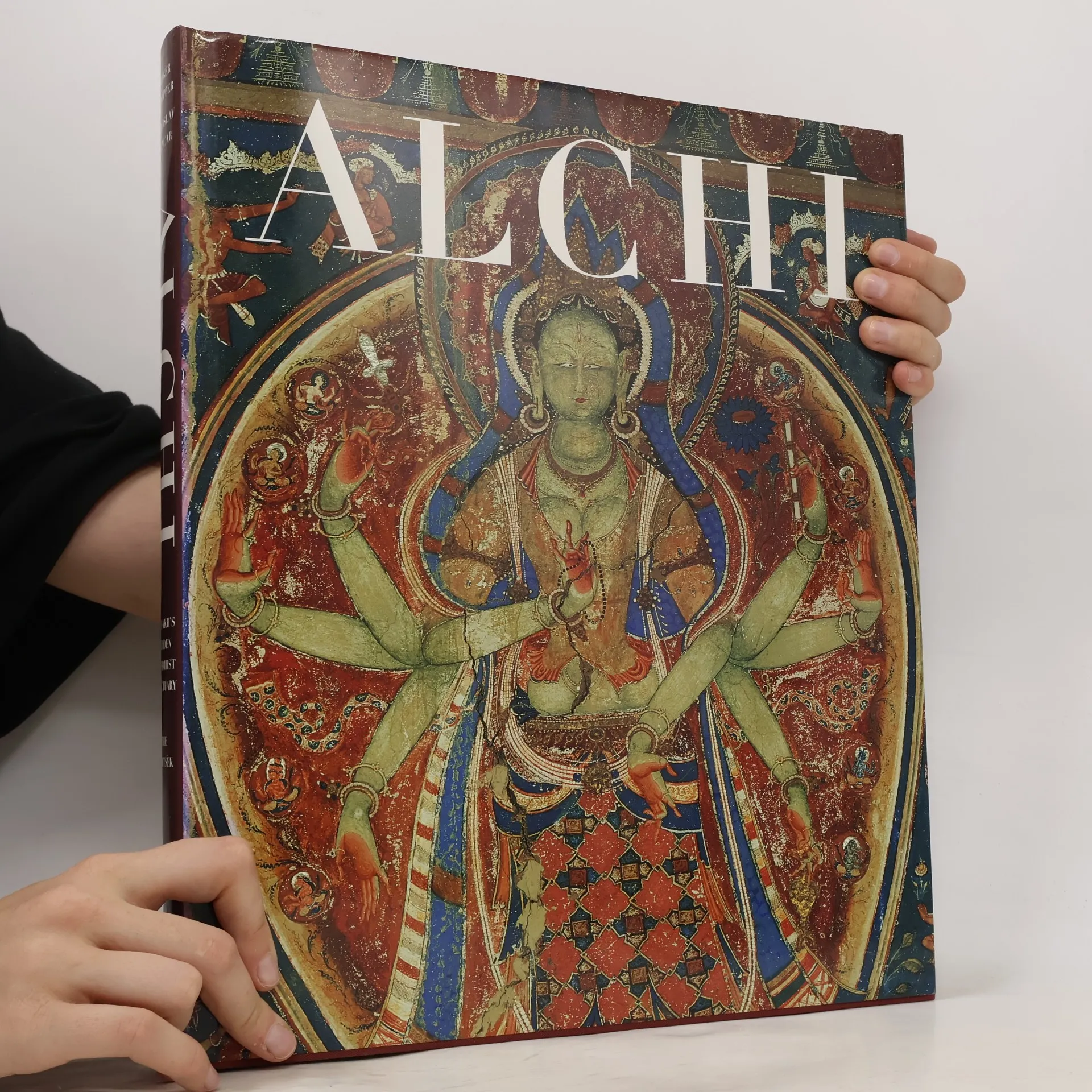
On the south bank of the Indus in Ladakh, facing a great trade route to the north, lies Alchi, a complex of religious buildings. It contains Buddhist wall paintings that have remained intact since the 12th century. This book presents a survey of one of the temples within the complex, the Sumtsek, a three-tiered temple. Only a few inscriptions testify to its foundation by the monk Tshultrim O at the turn of the 12th century. An extensive period of neglect is largely responsible for the comparatively good state of preservation of the temples and their murals.
Roger Goepper Books
March 9, 1925 – December 18, 2011

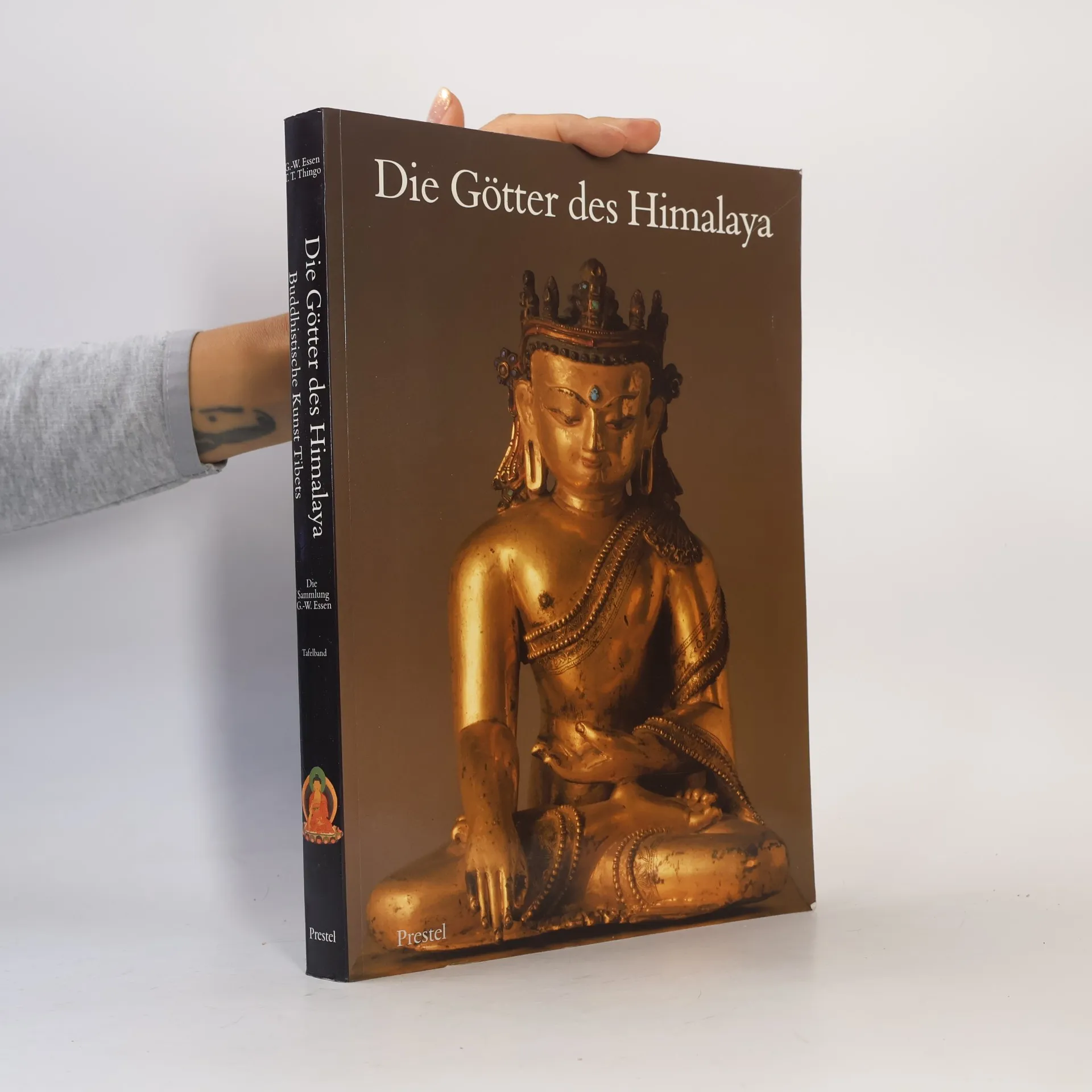
Die Götter des Himalaya
- 299 pages
- 11 hours of reading
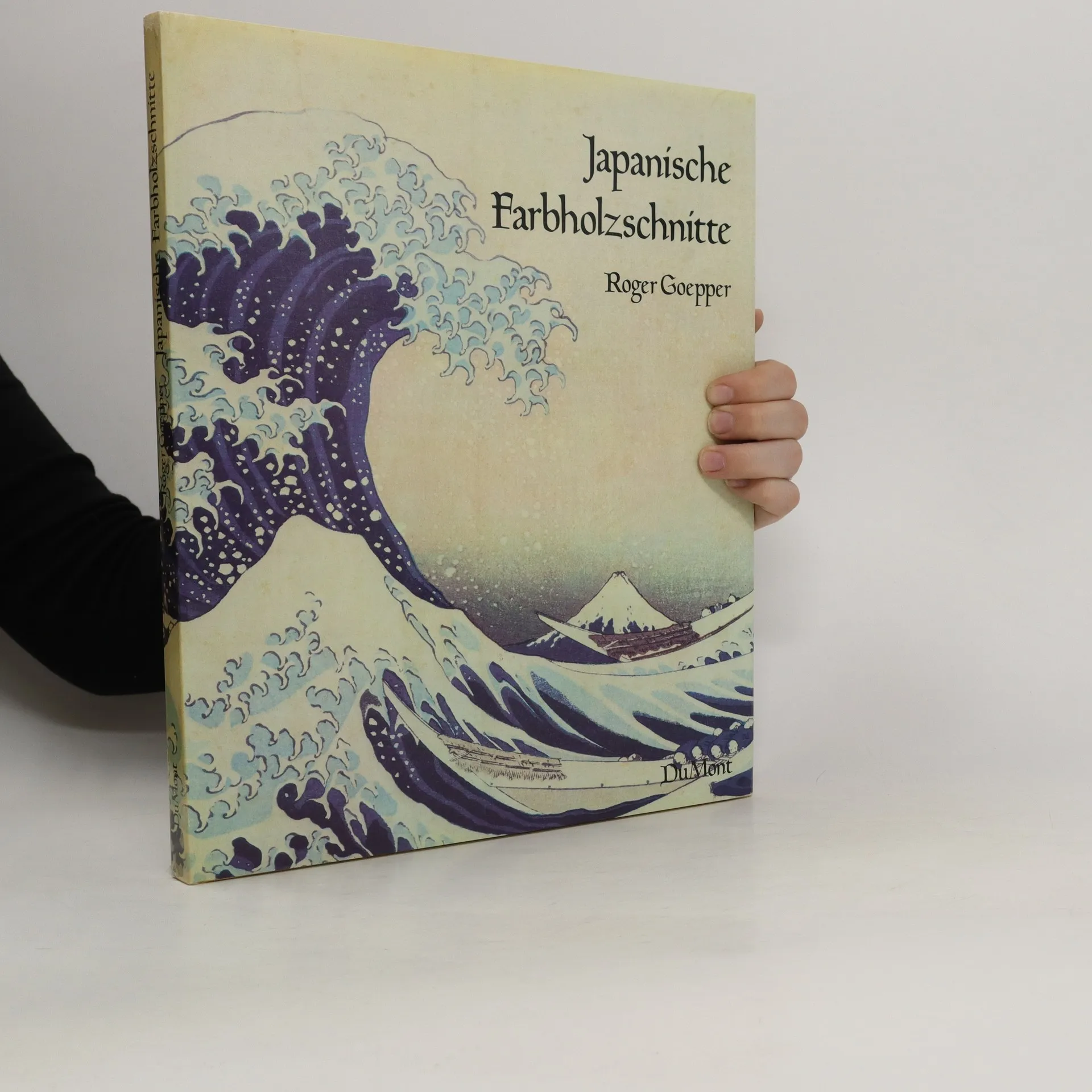
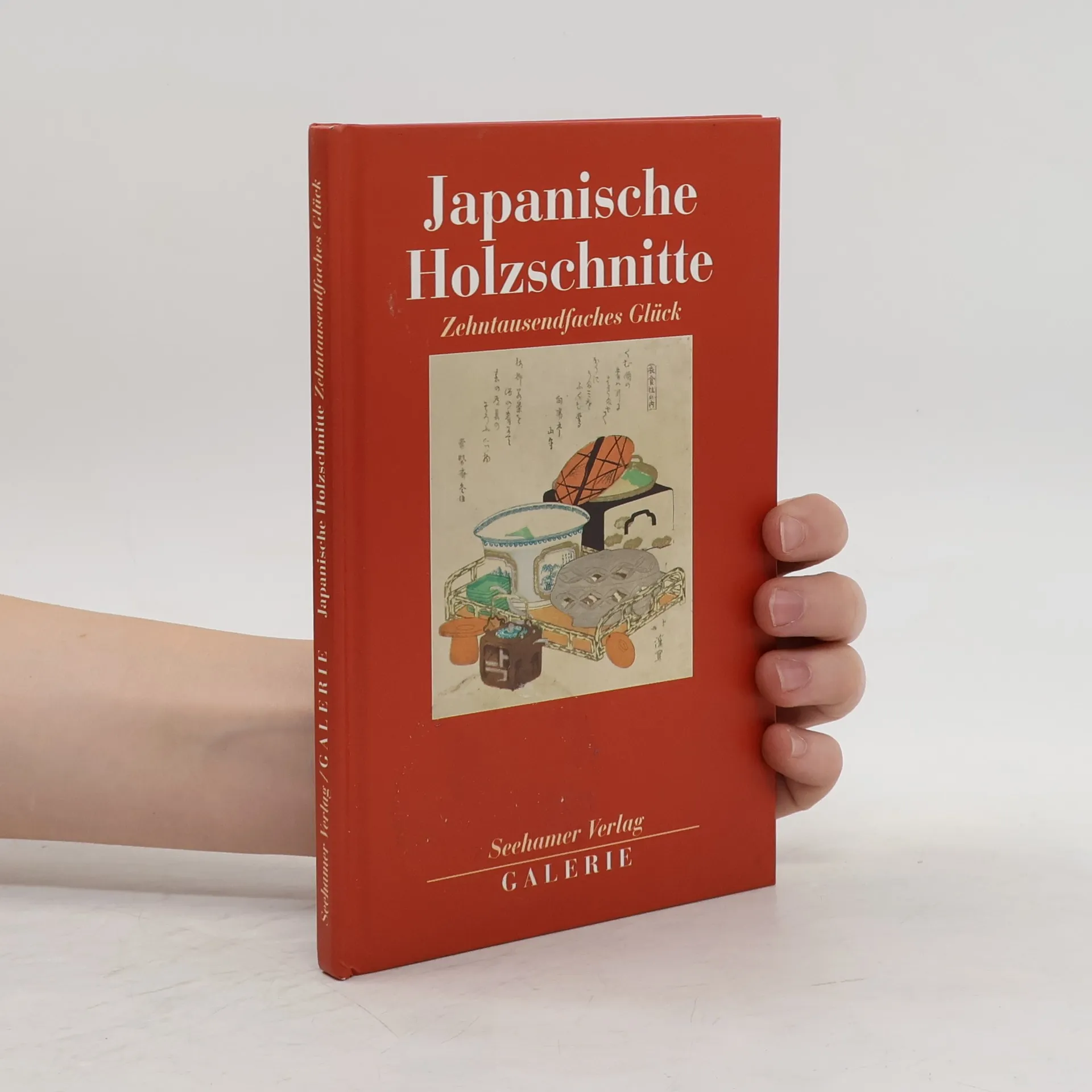
Japanische Holzschnitte
- 45 pages
- 2 hours of reading
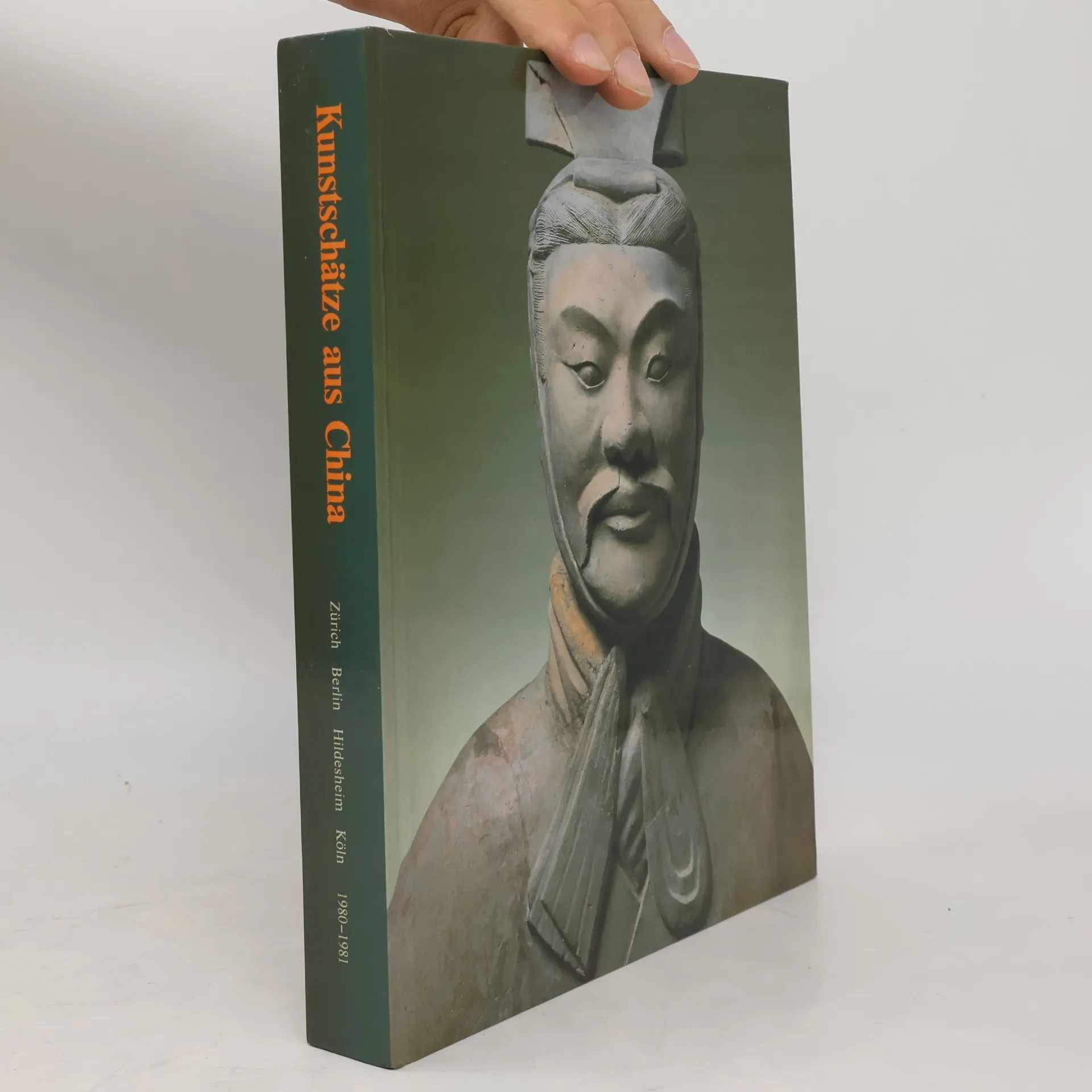
Kunstschätze aus China. Zürich, Berlin, Hildesheim, Köln 1980-1981
5000 v.Chr. Bis 900 n. Chr. Neuere archäologische Funde aus der Volksrepublik China
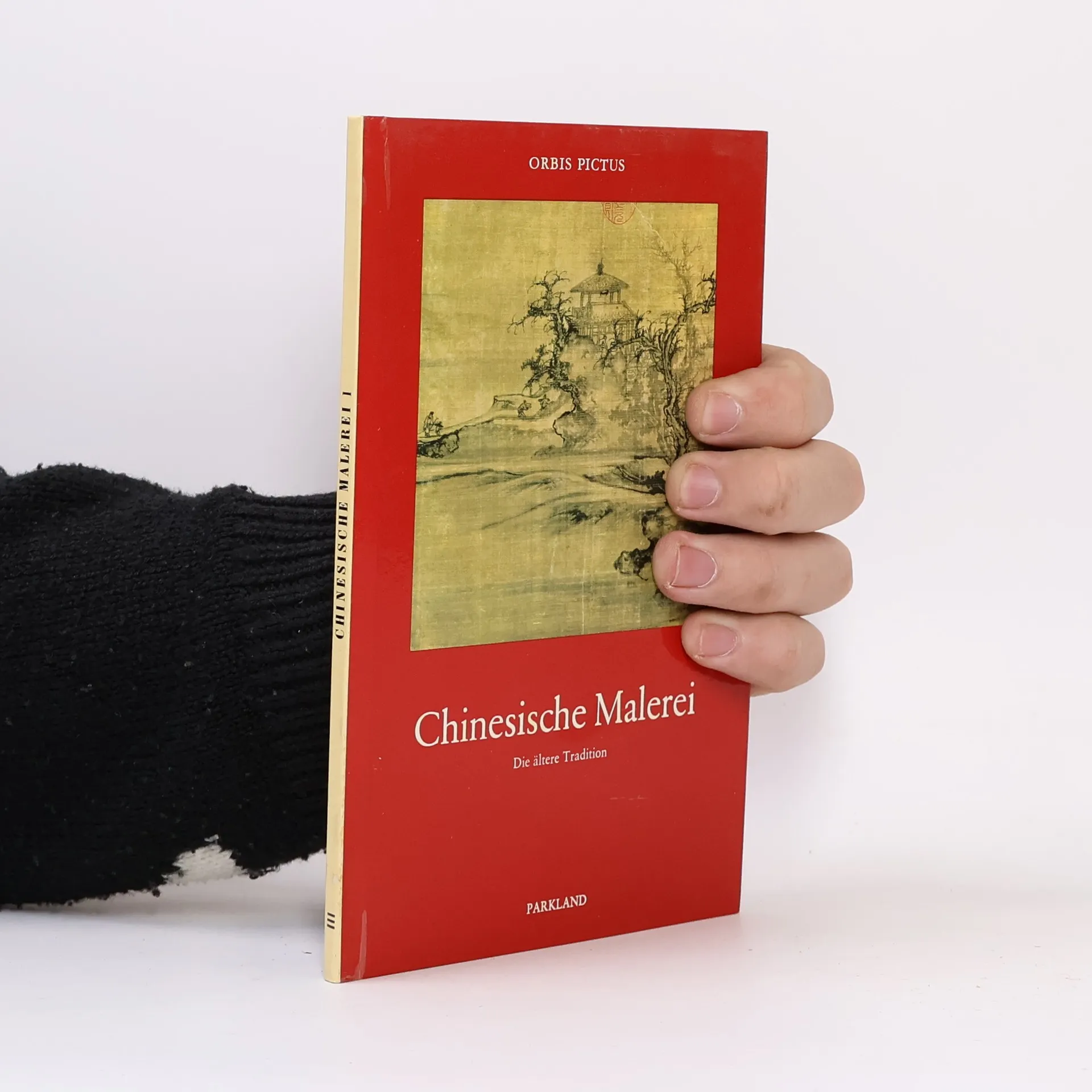
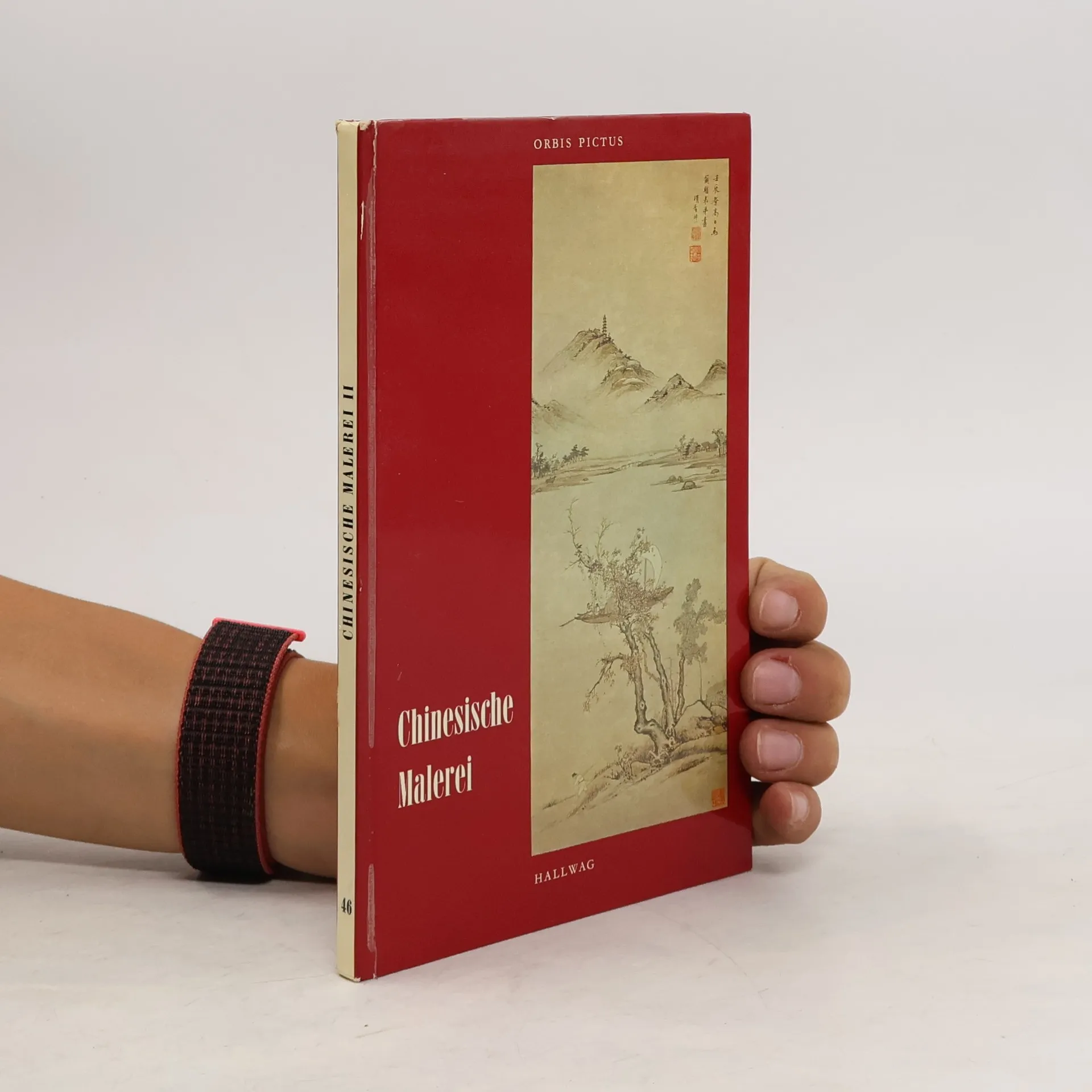
Chinesische Malerei 1
- 38 pages
- 2 hours of reading
Chinesische Termini für "Kunst".- Feudale Kunstfertigkeiten und musische Künste.- Die Person des Künstlers.- Der künstlerische Schaffensprozeß und die Beherrschung der Techniken.- Spontane Natürlichkeit.- Kunst als musisches Spiel.- Kunst als Spiegel der Persönlichkeit und als Ausdrucksmedium.- Die Ausdruckswerte.- Stufen des künstlerischen Ranges.- Das Kunstwerk als Organismus und kosmische Vorstellungen.- Die vegetative Lebenskraft.- Nachhall oder Resonanz.- Identifikation mit dem Thema oder Gegenstand.- Das Problem von Form und Gehalt.- Formale Ähnlichkeit.- Grundformen der chinesischen Schriftzeichen für "Kunst".- Ausgewählte Literatur.
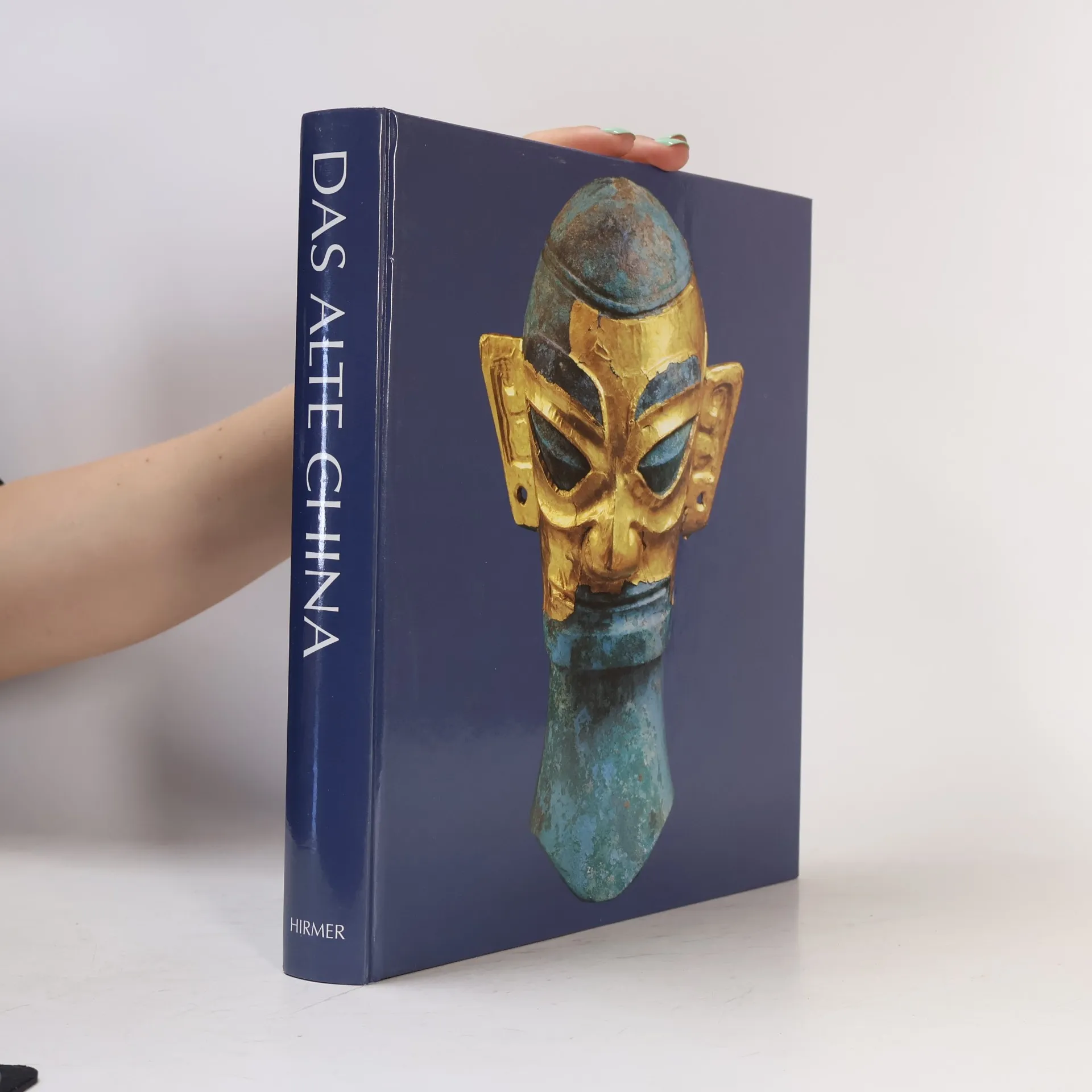
Das alte China
- 500 pages
- 18 hours of reading
[herausgegeben Von Der Kulturstiftung Ruhr, Essen ; Redaktion, Roger Goepper]. Catalog Of An Exhibition At Kulturstiftung Ruhr Essen And Four Other Museums. Includes Bibliographical References (p. 495-500).
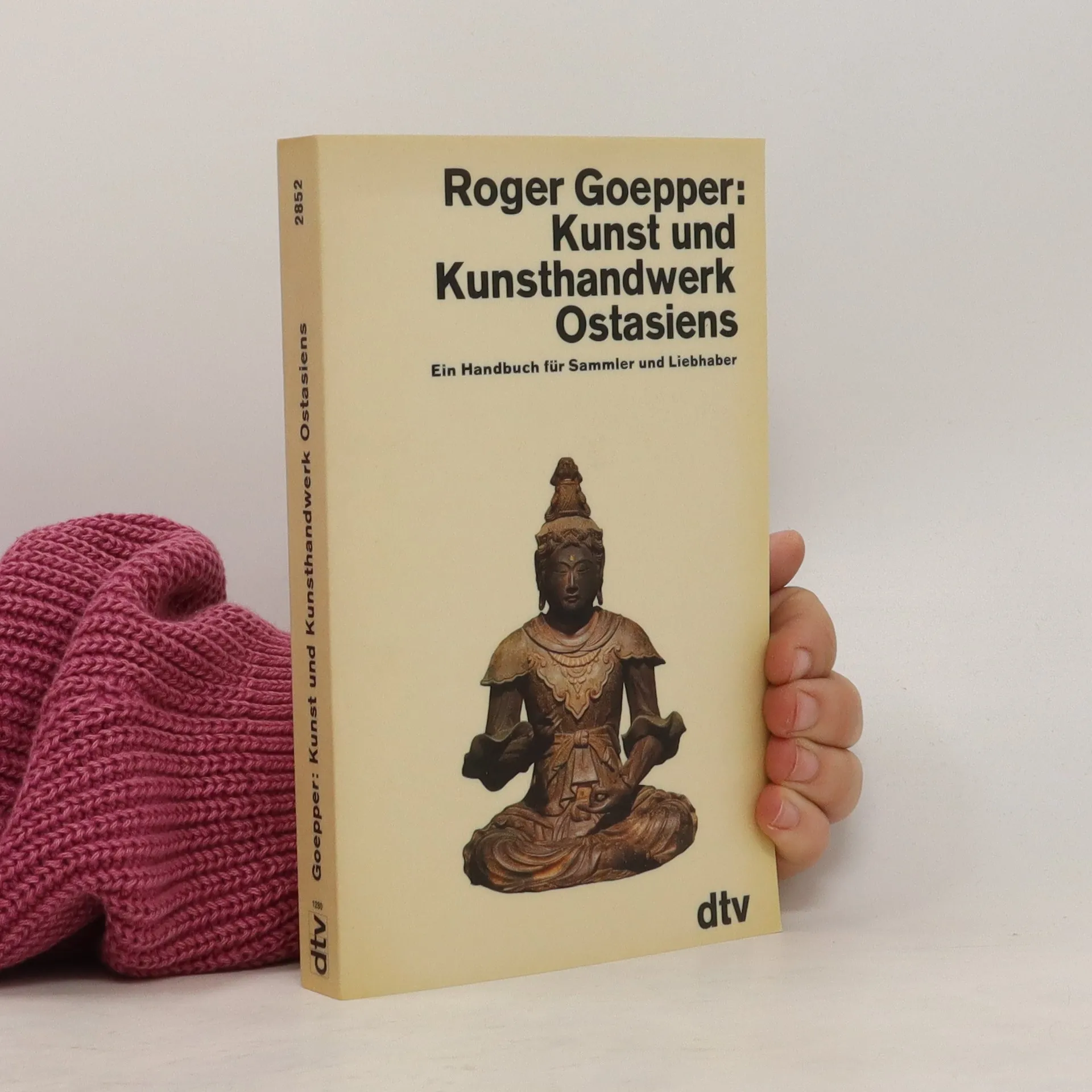
Kunst und Kunsthandwerk Ostasiens
- 330 pages
- 12 hours of reading
Meisterwerke des japanischen Farbenholzschnitts
- 96 pages
- 4 hours of reading
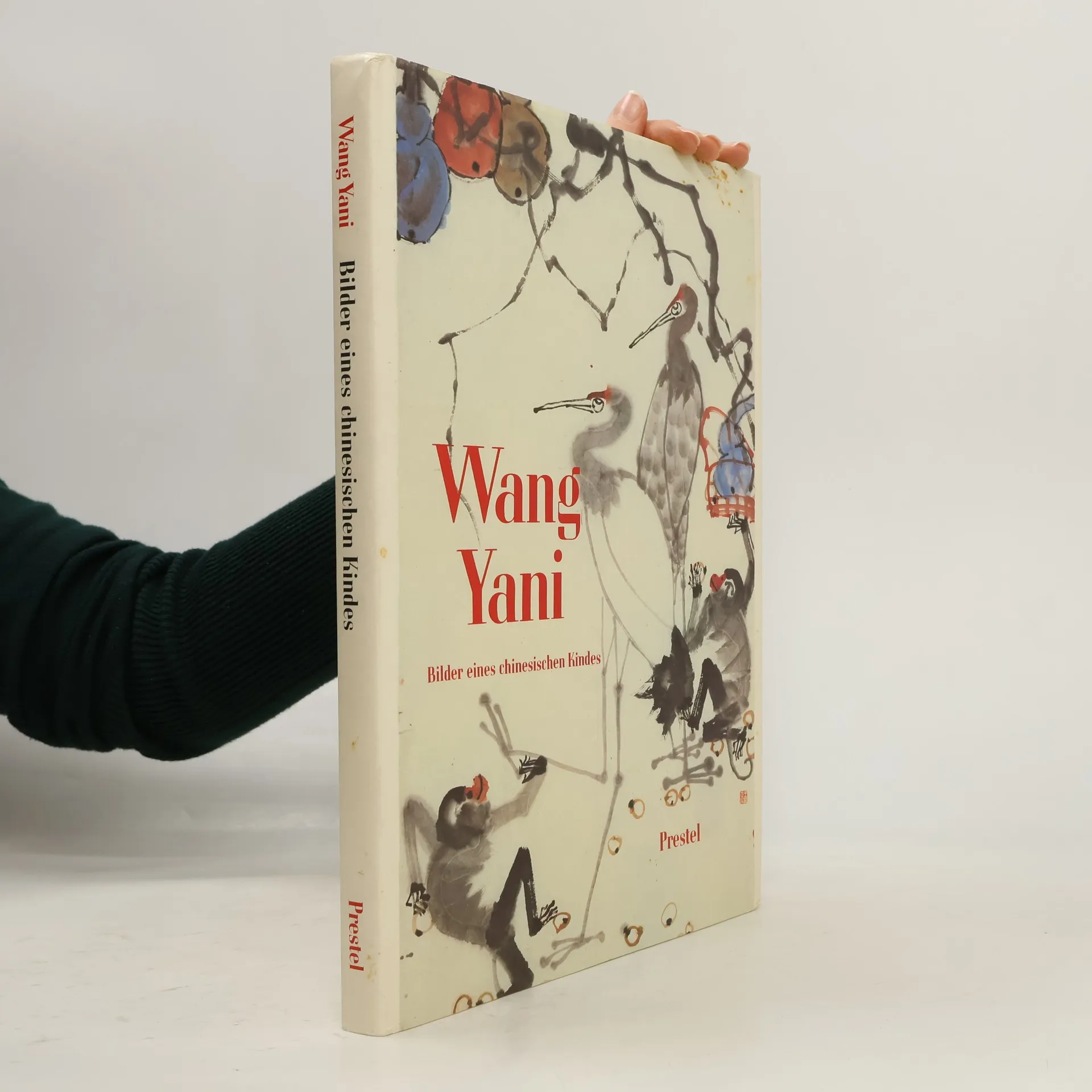
Wang Yani. Bilder eines chinesischen Kindes
- 27 pages
- 1 hour of reading
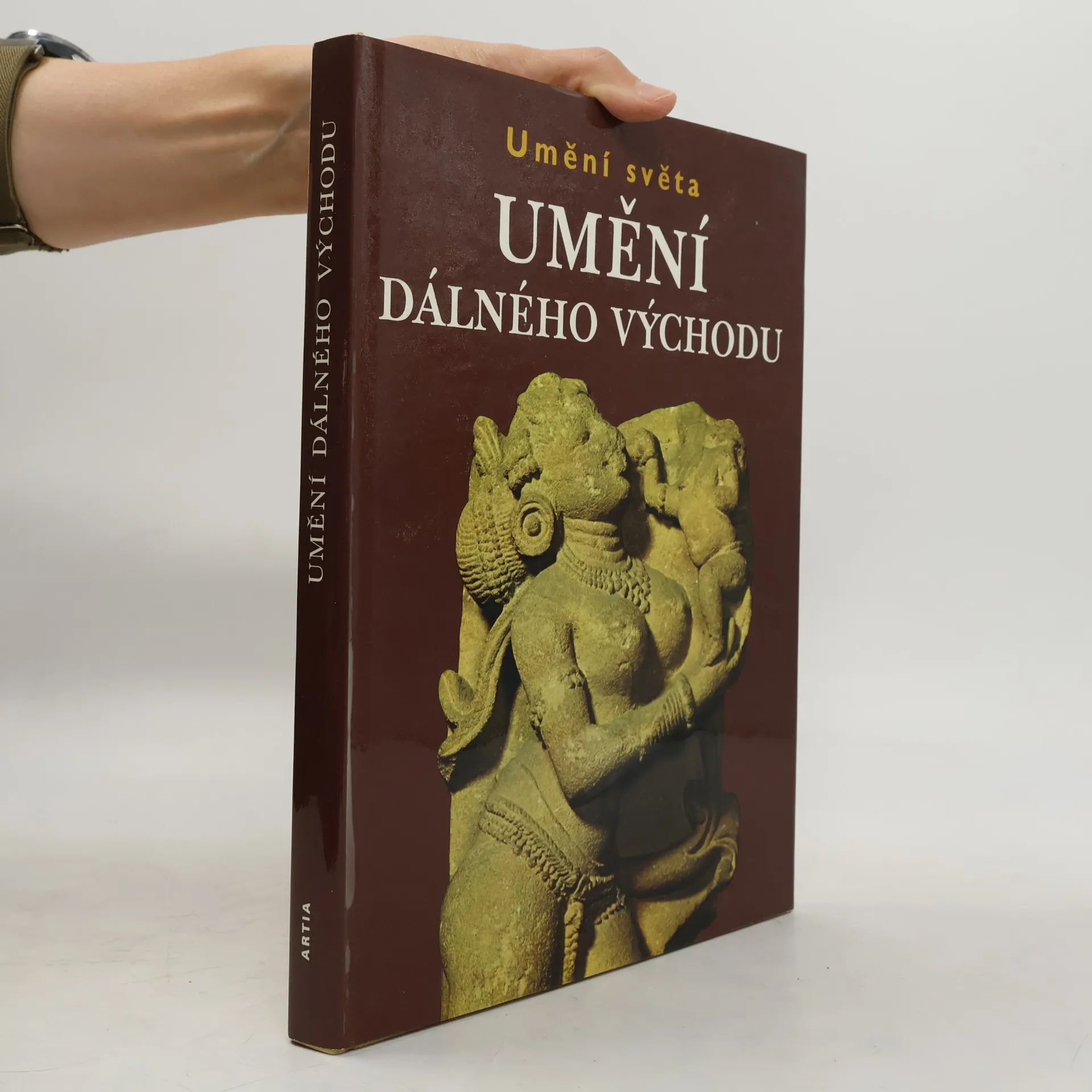
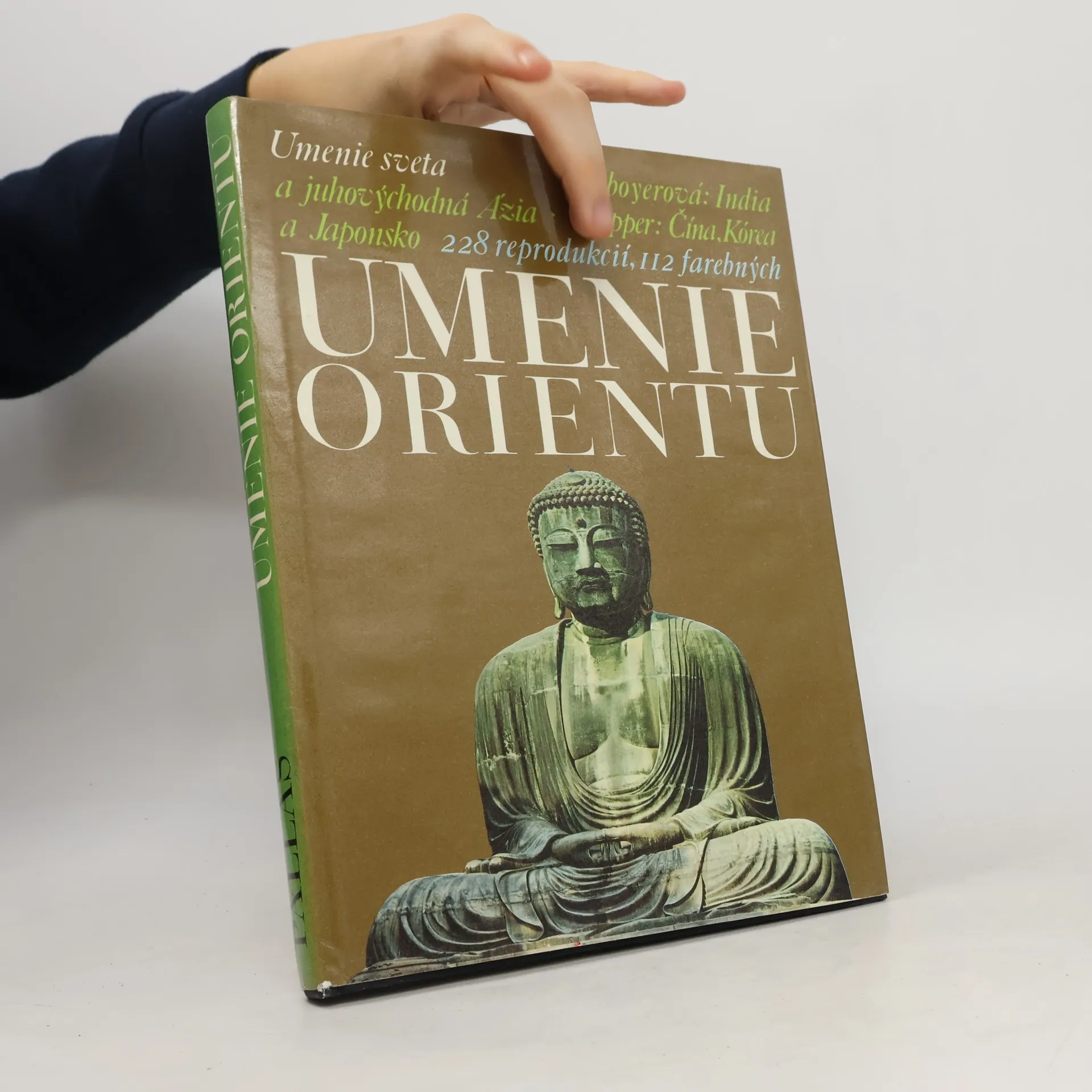
Tento díl encyklopedie světového umění seznamuje s výtvarným bohatstvím národů Dálného východu. První část publikace se zabývá uměním Indie a jihovýchodní Asie, druhá Čínou, Koreou a Japonskem. Zajímavý výklad, doplněný 227 ilustracemi, z nichž 11 je barevných, dokumentuje nesmírné výtvarné hodnoty, vytvořeně v průběhu tisíciletí indickými, čínskými, korejskými a japonskými umělci. Doslov dr. Lubora Hájka je věnován historii pronikání orientálního umění do naší kultury.