


Explore the latest books of this year!
Bookbot

Salvatore Satta

    August 9, 1902 – April 19, 1975

    Salvatore Satta was an Italian jurist and writer whose work deeply explores the human condition. Rooted in personal experience and reflection, his literary output is marked by a profound examination of human existence. Satta masterfully interweaves the realms of law and literature, probing moral and existential dilemmas. His seminal novel, 'The Day of Judgment,' is considered a major literary achievement, offering timeless insights into the human predicament.

    Súdny deň
    Die Veranda
    Der Tag des Gerichts
    The Day of Judgment
    • The Day of Judgment

      • 288 pages
      • 11 hours of reading
      4.1(10)Add rating

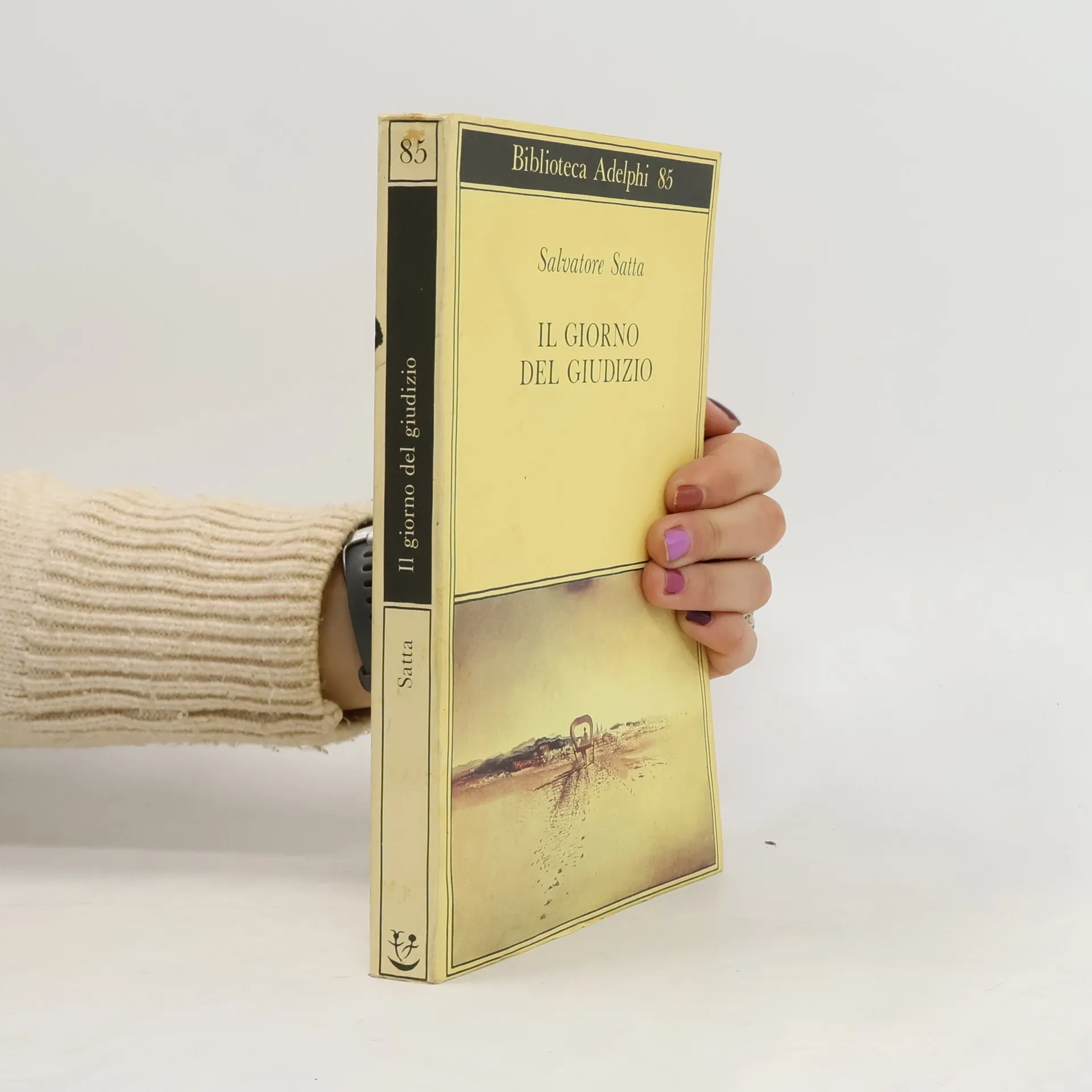
      At precisely nine o'clock, as he did every evening, Don Sebastiano Sanna Carboni pushed back his armchair, carefully folded the newspaper which he had read to the very last line, tidied up the little things on his desk, and prepared to go down to the ground floor... Around the turn of the twentieth century, in the isolated Sardinian town of Nuoro, the aristocratic notary Don Sebastiano Sanna reflects on his life, his family's history and the fortunes of this provincial backwater where he has lived out his days.
      The Day of Judgment
    • Der Tag des Gerichts

      • 300 pages
      • 11 hours of reading

      Nuoro, Hauptstadt der gleichnamigen Provinz, ist in drei Teile geteilt: das Nuoro der gefürchteten Hirten, das armselige der Bauern und die Stadt der ›Herren‹. Gemeinsam ist allen nur der Friedhof. »Der Tag des Gerichts« ist Salvatore Sattas Hommage an seine Heimat Sardinien. Die Personen seines grandiosen Kollektivportraits einer Bevölkerung scheinen, von der sardischen Schweigsamkeit gehemmt, dem Autor die Aufgabe zu hinterlassen, ihre ›geschichtslose Geschichte‹ zu erzählen und sie so am ›Tag des Gerichts‹, zu dem er sie zusammenruft, endlich freizusprechen, sie endlich zu befreien.

      Der Tag des Gerichts
    • In einem italienischen Tbc-Sanatorium vor 100 Jahren kämpfen die Insassen mit Freundschaften, Eifersucht und Verzweiflung. Die enge Gemeinschaft bringt Ängste und Sehnsüchte hervor. Parallelen zu Thomas Manns "Zauberberg" sind unverkennbar, da beide Autoren unabhängig am selben Thema arbeiten.

      Die Veranda
    • Čitateľa upúta zvláštny kolorit morského života a ustavične sa ohlasujúci motív konca ľudského života, a istej neodvratnej spojnice všetkých protikladov.

      Súdny deň