Spisy z let 1917-1920
- 273 pages
- 10 hours of reading
Dvanáctý svazek Sebraných spisů Sigmunda Freuda.


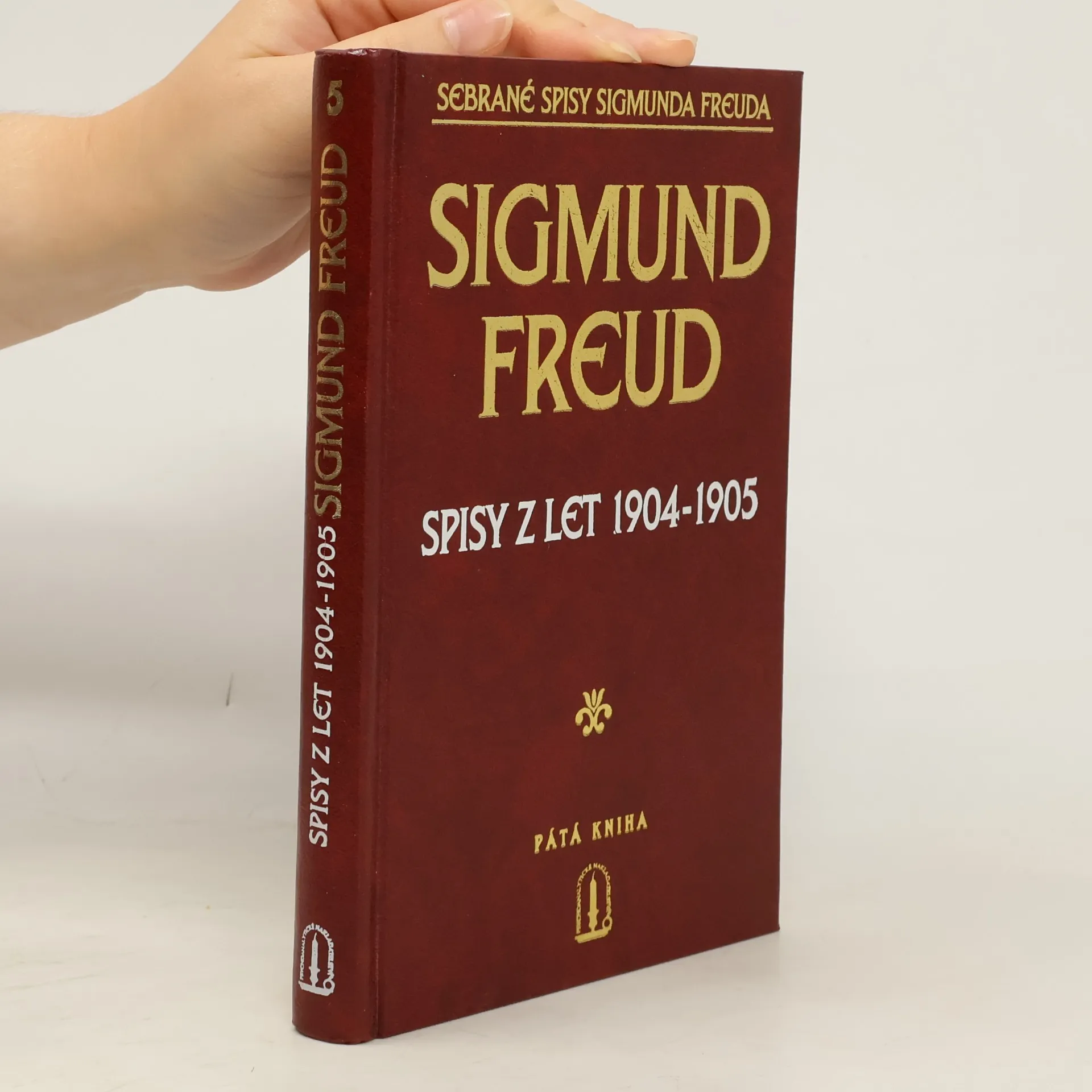
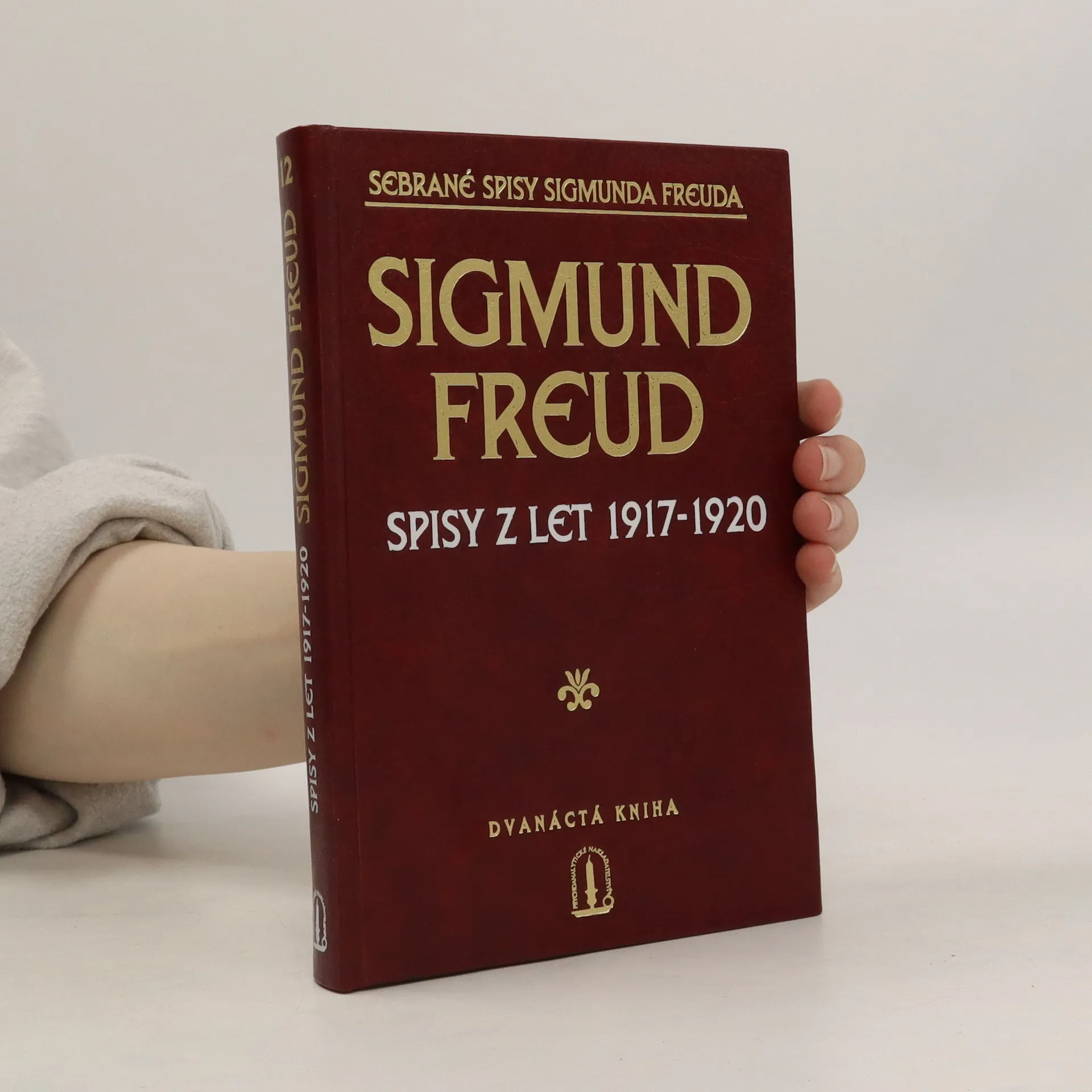
Dvanáctý svazek Sebraných spisů Sigmunda Freuda.
Studie zakladatele psychoanalýzy interpretují různorodou problematiku z oblasti psychoterapie a sexuality. První dva texty se pokouší o zjednodušující výklad podstaty a principů užití psychoanalytické metody. "Tři pojednání k teorii sexuality" prostřednictvím psychoanalýzy zkoumají biologické otázky sexuálního života (deviace, dětská sexualita, puberta). Čtvrtá studie hledá příčiny psychoneuróz z hlediska významu sexuality. "Zlomek analýzy případu hysterie" využívá výklad snů k odhalení skrytých a vytěsněných oblastí duševního života. Závěrečný spis definuje moderní principy psychické léčby.
Exploring the psychological impact of humor, this work delves into how jokes relate to the unconscious mind. Originally published in 1905, it reflects Freud's pioneering thoughts, drawing on his extensive studies in various fields. The book not only highlights his groundbreaking contributions to psychology but also showcases the discussions and theories that emerged, shaping a century of psychological inquiry. A new introductory biography adds context to Freud's life and influence in the realm of psychoanalysis.
Whether we love or hate Sigmund Freud, we all have to admit that he revolutionized the way we think about ourselves. Much of this revolution can be traced to The Interpretation of Dreams, the turn-of-the-century tour de force that outlined his theory of unconscious forces in the context of dream analysis. Introducing the id, the superego & their problem child, the ego, Freud advanced scientific understanding of the mind immeasurably by exposing motivations normally invisible to our consciousness. While there's no question that his own biases & neuroses influenced his observations, the details are less important than the paradigm shift as a whole. After Freud, our interior lives became richer & vastly more mysterious. These mysteries clearly bothered him--he went to great (often absurd) lengths to explain dream imagery in terms of childhood sexual trauma, a component of his theory jettisoned mid-century, tho now popular among recovered-memory therapists. His dispassionate analyses of his own dreams are excellent studies for cognitive scientists wishing to learn how to sacrifice their vanities for the cause of learning. Freud said of the work contained in The Interpretation of Dreams, "Insight such as this falls to one's lot but once in a lifetime." One would have to feel quite fortunate to shake the world even once.--Rob Lightner
K psychopathologii každodenního života: o zapomínání, přeřeknutí, přehmátnutí, pověře a omylu.