Isaac Rosenberg, a poet from a working-class, Yiddish-speaking Lithuanian Jewish family, created profound and poignant poetry that captures the essence of human conflict and aspiration. His life was tragically cut short in the trenches of France during World War I, marking a significant loss for English literature. The centenary of his death in April 2018 serves as a reminder of his impactful contributions to poetry, particularly in depicting the harsh realities of war.
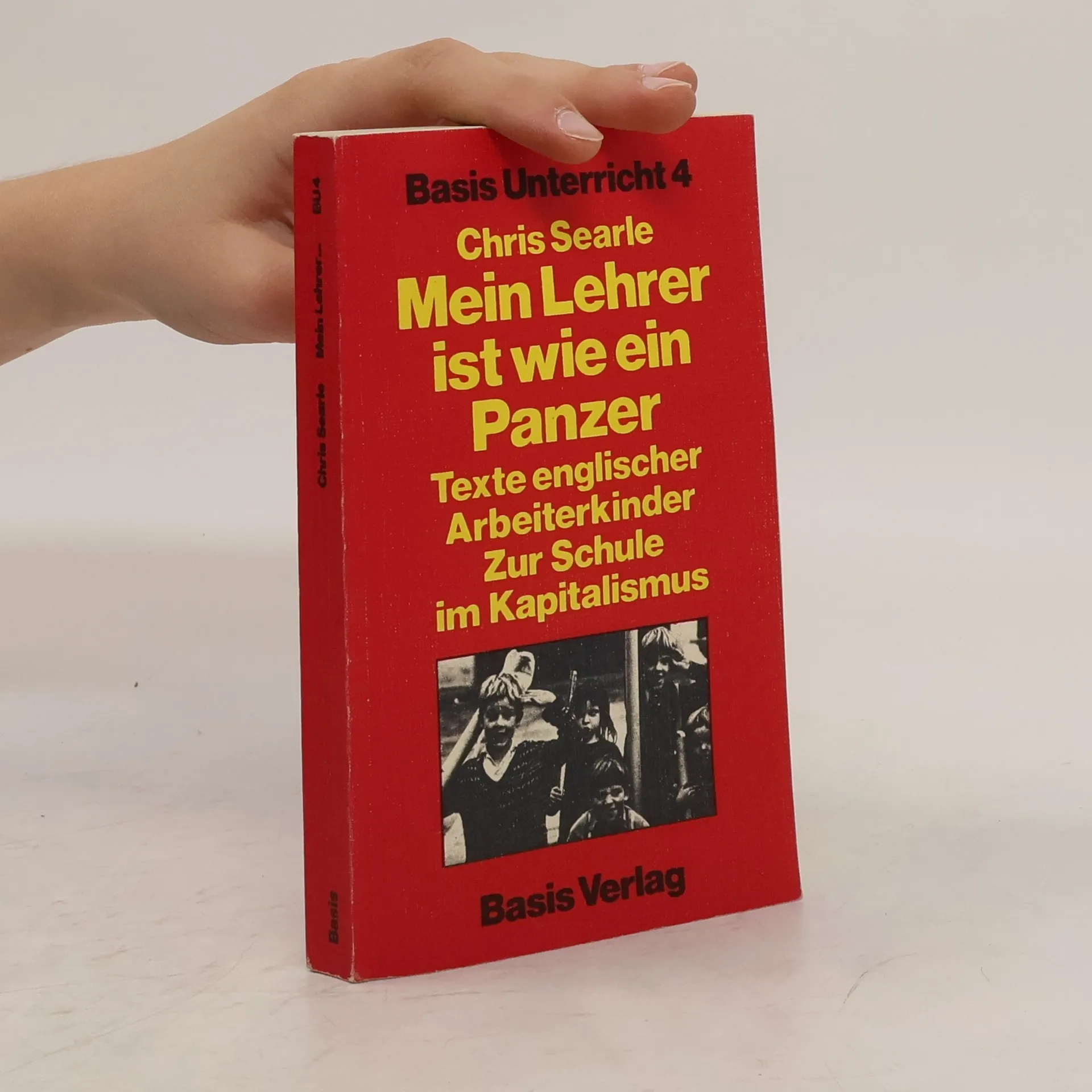
Chris Searle Books


Exploring themes of identity and cultural conflict, this novel reflects Chris Searle's experiences as an English teacher in Tobago. It delves into the challenges faced by black individuals navigating their identity while using the language imposed by colonial powers. The narrative highlights the complexities of language, culture, and self-perception in a post-colonial context, making it a poignant examination of personal and collective struggles.
'Pick up 'The World is in Our Words' and be enthused by energy unbounded, going in several directions at once. [Chris Searle's] life is a challenge to all those repressive mind manacles imposed by the Conservatives in the 1980s, which have accrued ever since.' - Sheila Rowbotham, from the introduction. 'The World is in Our Words' follows Searle's teaching, writing and anti-racist mobilising experiences in East London, Sheffield, Canada and Manchester, in particular his five years as a headteacher at Earl Marshal Comprehensive School, Sheffield, where he and the school governors established England's first non-permanent exclusion policy. The book is about the search to create a truly internationalist school curriculum, using critical literacy, community activism, student self-organisation and academic excellence as its founding principles – an exemplar of Bob Marley's lyric and the watchwords of the 'None but ourselves can free our minds'.