
Explore the latest books of this year!
Bookbot

Juan Cole Books

    John Ricardo I. Cole is an American scholar and historian specializing in the modern Middle East, Islam, and South Asia. He offers insightful commentary on Middle Eastern affairs and US politics, frequently appearing in print, radio, and television. His extensive body of work includes numerous books on the modern Middle East, as well as translations of literary figures like Kahlil Gibran and Omar Khayyam. Through his weblog, Informed Comment, he continues to provide deep analysis of contemporary events.

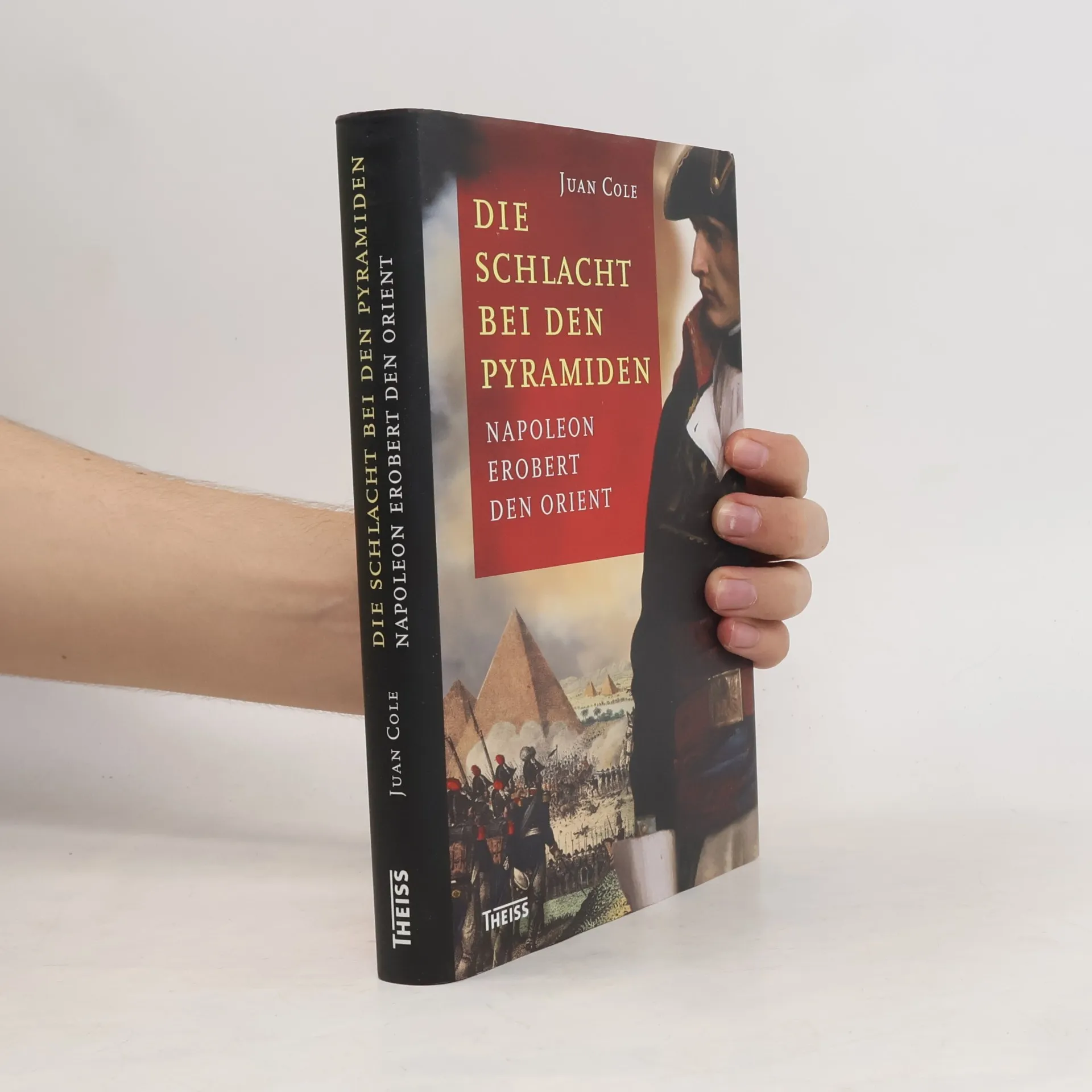
    Die Schlacht bei den Pyramiden
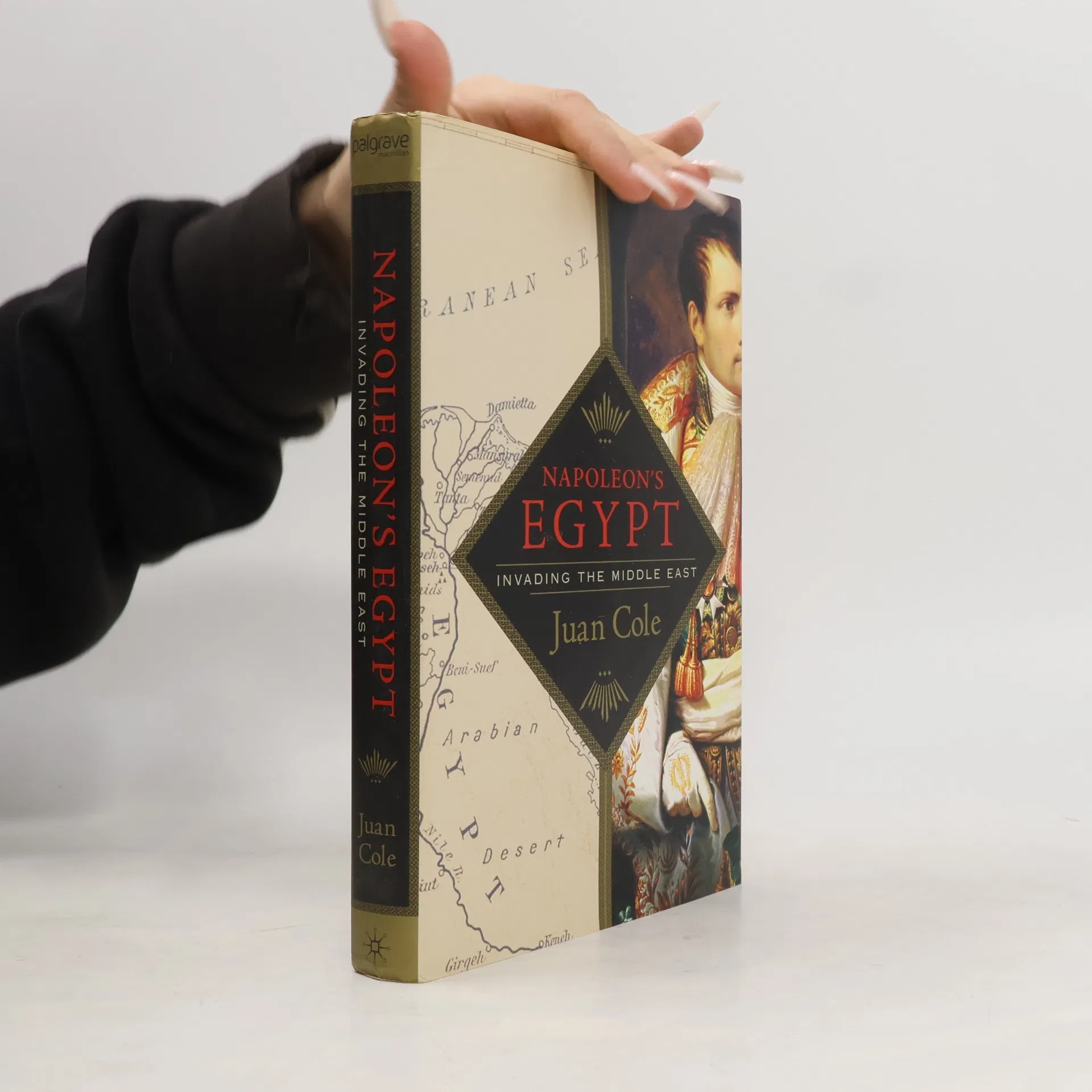
    Napoleon's Egypt
    Engaging the Muslim World
    Global Connections
    • Global Connections

      Politics, Exchange, and Social Life in World History

      • 560 pages
      • 20 hours of reading

      The first textbook to present world history via social history, drawing on social science methods and research. This interdisciplinary, comprehensive, and comparative textbook is authored by distinguished scholars and experienced teachers, and offers expert scholarship on global history that is ideal for undergraduate students. Volume 2 takes us from the early modern period to speculation about the world in 2050, visiting diverse civilizations, nation-states, ecologies, and people along the journey through time and place. The book pays particular attention to the ways in which ordinary people lived through the great changes of their times, and how everyday experience connects to great political events and the commercial exchanges of an interconnected world. With 75 maps, 65 illustrations, timelines, boxes, and primary source extracts, the book enables students to use historical material and social science methodologies to analyze the events of the past, present, and future.
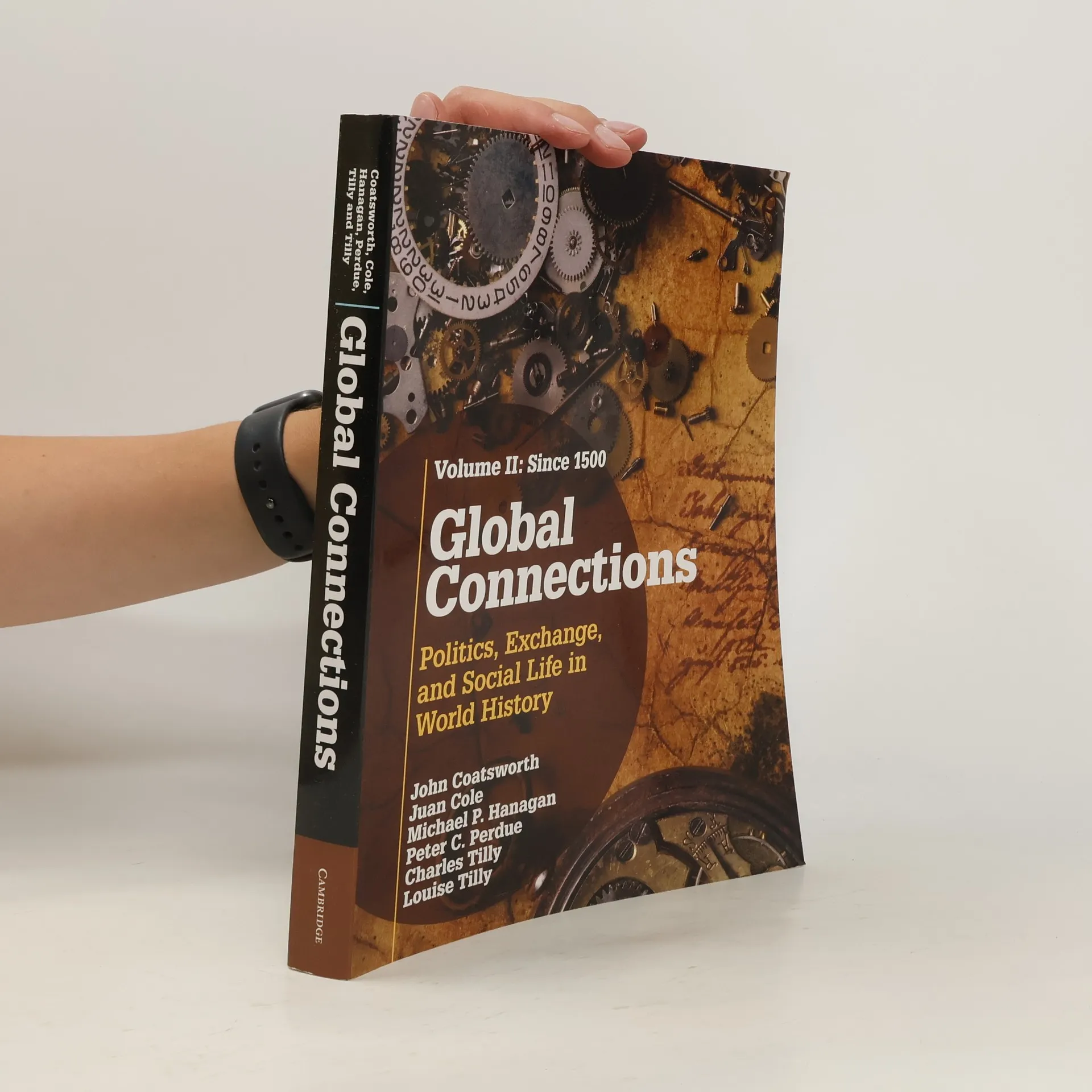
      Global Connections
      4.0
    • Engaging the Muslim World

      • 256 pages
      • 9 hours of reading

      Western society is suffering from Islam Anxiety—the product of fear-mongering and misinformation. There is a desperate need to debunk the myths concerning Islam in order to improve the political and ideological understanding between Muslim countries and their Western counterparts. Juan Cole, already celebrated for his rejection of stereotypes and his insistence on taking all perspectives into account, carefully sorts through and addresses all the major issues in Western - Muslim relations, including: terrorism, gas and petroleum dependence on the volatile Oil Gulf, the uncertainties of the Iraq War, and the little-understood regimes in Iran and Saudi Arabia. With clear-eyed determination, Cole separates spin from fact, providing substantive recommendations for the next administration on how to engage with key countries such as Iraq, Pakistan, Afghanistan, and Iran. Finally, Cole reveals how we can repair the damage of the disastrous foreign policy of the last eight years and forge ahead on a path of peace and prosperity.

      Engaging the Muslim World
      3.8
    • Napoleon's Egypt

      Invading the Middle East

      • 304 pages
      • 11 hours of reading

      In this vivid and timely history, Juan Cole tells the story of Napoleon's invasion of Egypt. Revealing the young general's reasons for leading the expedition against Egypt in 1798 and showcasing his fascinating views of the Orient, Cole delves into the psychology of the military titan and his entourage. He paints a multi-faceted portrait of the daily travails of the soldiers in Napoleon's army, including how they imagined Egypt, how their expectations differed from what they found, and how they grappled with military challenges in a foreign land. Cole ultimately reveals how Napoleon's invasion, the first modern attempt to invade the Arab world, invented and crystallized the rhetoric of liberal imperialism.

      Napoleon's Egypt
    • Die Schlacht bei den Pyramiden

      • 291 pages
      • 11 hours of reading

      Über Jahrhunderte blieben Ägypten und der Orient von den Mächten des Westens weitgehend unbehelligt – bis Napoleon mit 56.000 Soldaten 1798 in das Land am Nil einfi el, um den Mittleren Osten zu erobern. Lebendig erzählt Juan Cole von turbulenten Schlachten, ausgetüftelten Strategien und tückischen Hinterhalten. Aus zahlreichen erhaltenen Briefen der Soldaten schöpft er ein realistisches Bild vom all täglichen Leben der Invasoren: Was dachten sie von der so andersartigen Kultur? Wie kamen sie in dem fremden Land zurecht? Der General aus Korsika hatte schon als Kind vom Orient geträumt. Als Feldherr ließ er das Land der Pharaonen erkunden und kartographieren. Gelehrte und Künstler erforschten die Altertümer, die Tier und Pfanzenwelt und das Alltagsleben der Menschen. Ein besonderer Glücksfund war der Stein von Rosetta, mit dessen Hilfe Cham pollion später erstmals die Hieroglyphen entzifferte.

      Die Schlacht bei den Pyramiden