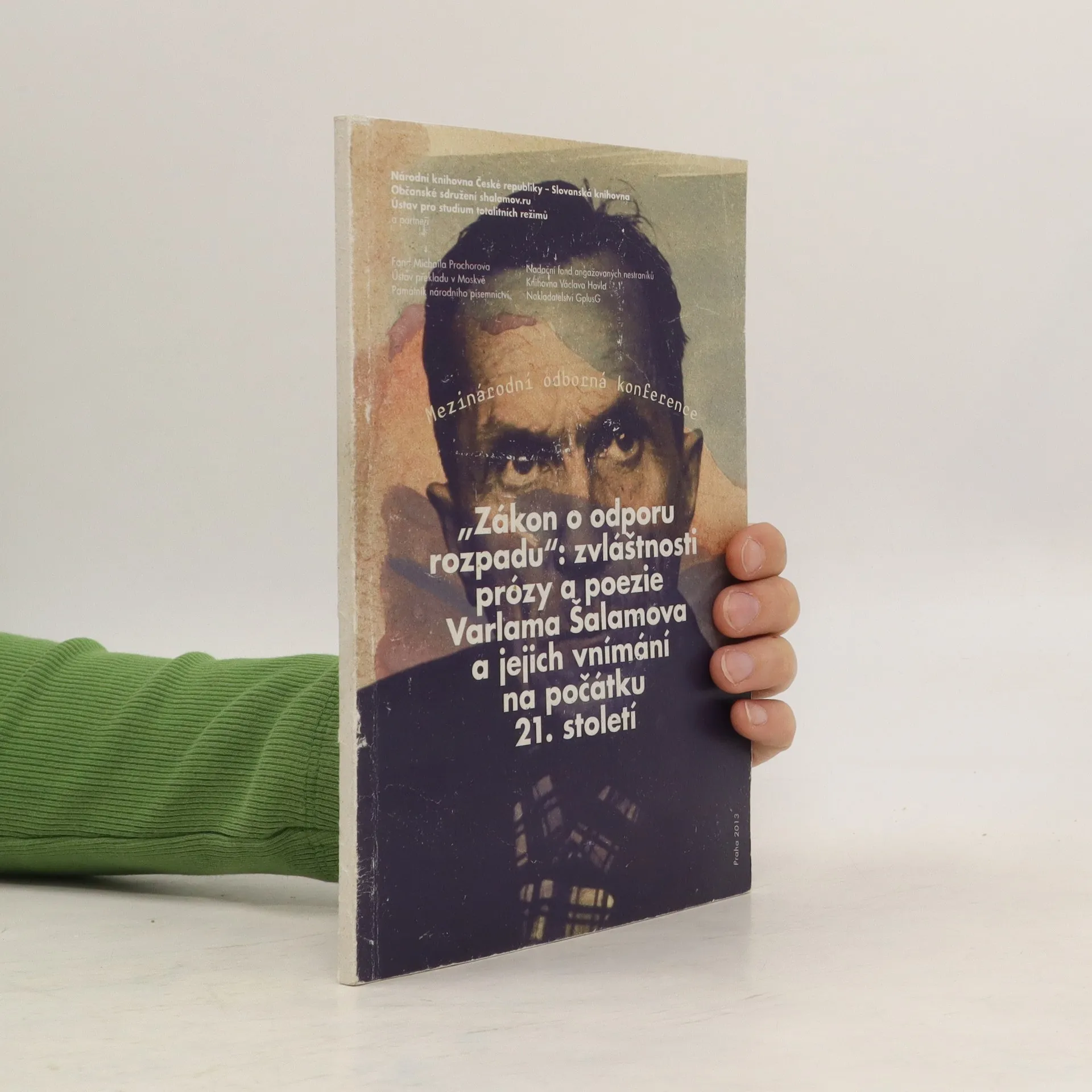
It is estimated that some three million people died in the Soviet forced- labour camps of Kolyma, in the northeastern area of Siberia. This book captures the lives of ordinary people caught up in terrible circumstances, whose hopes and plans extended to further than a few hours.
Sergej Machonin Books



Motýlek 2
- 296 pages
- 11 hours of reading
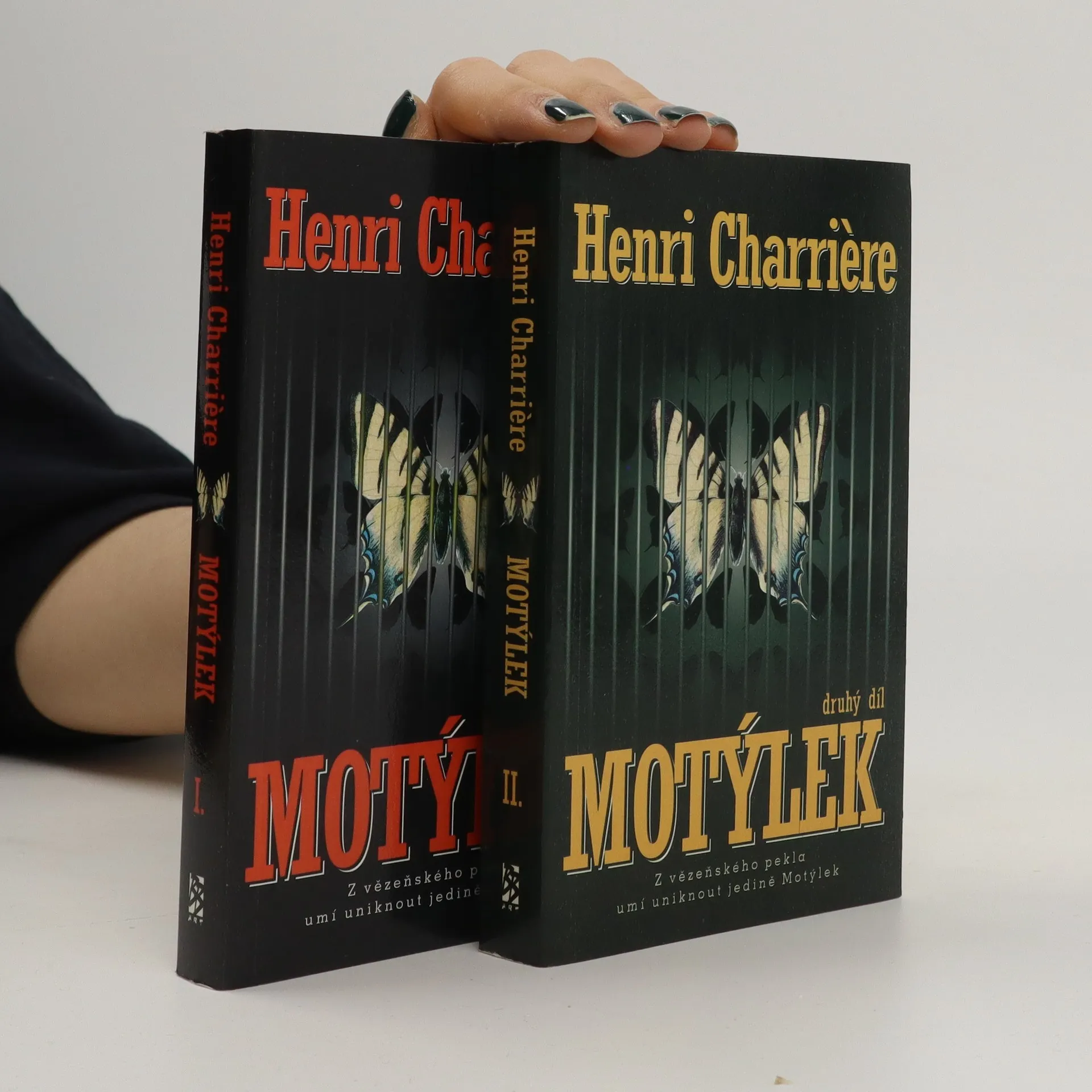
Charriérův Motýlek vyšel v Paříži v roce 1969 a rázem se stal literární senzací. Jistě potěší zejména novou generaci čtenářů, neboť je to nejen slavný bestseller, ale především výborné počtení. Francouz Henri Charrière strávil dvanáct let v trestanecké kolonii na Ďábelských ostrovech ve Francouzské Guayaně. Dvacet let po svém úspěšném útěku sedl a napsal o svém životě knihu. O obvinění z vraždy, kterou nespáchal, o odsouzení k doživotí, o deportaci do tropického pekla, kde se ocitl roku 1931, o dvou letech strávených na samotce, o příteli roztrhaném žraloky při pokusu o útěk, o sedmi dalších nezdařených pokusech i o tom posledním, úspěšném, kterým se ve 40. letech dopravil do úkrytu ve Venezuele......
Kniha o Leopoldu Trepperovi,polském tajném agentovi židovského původu.
The notebook
- 167 pages
- 6 hours of reading
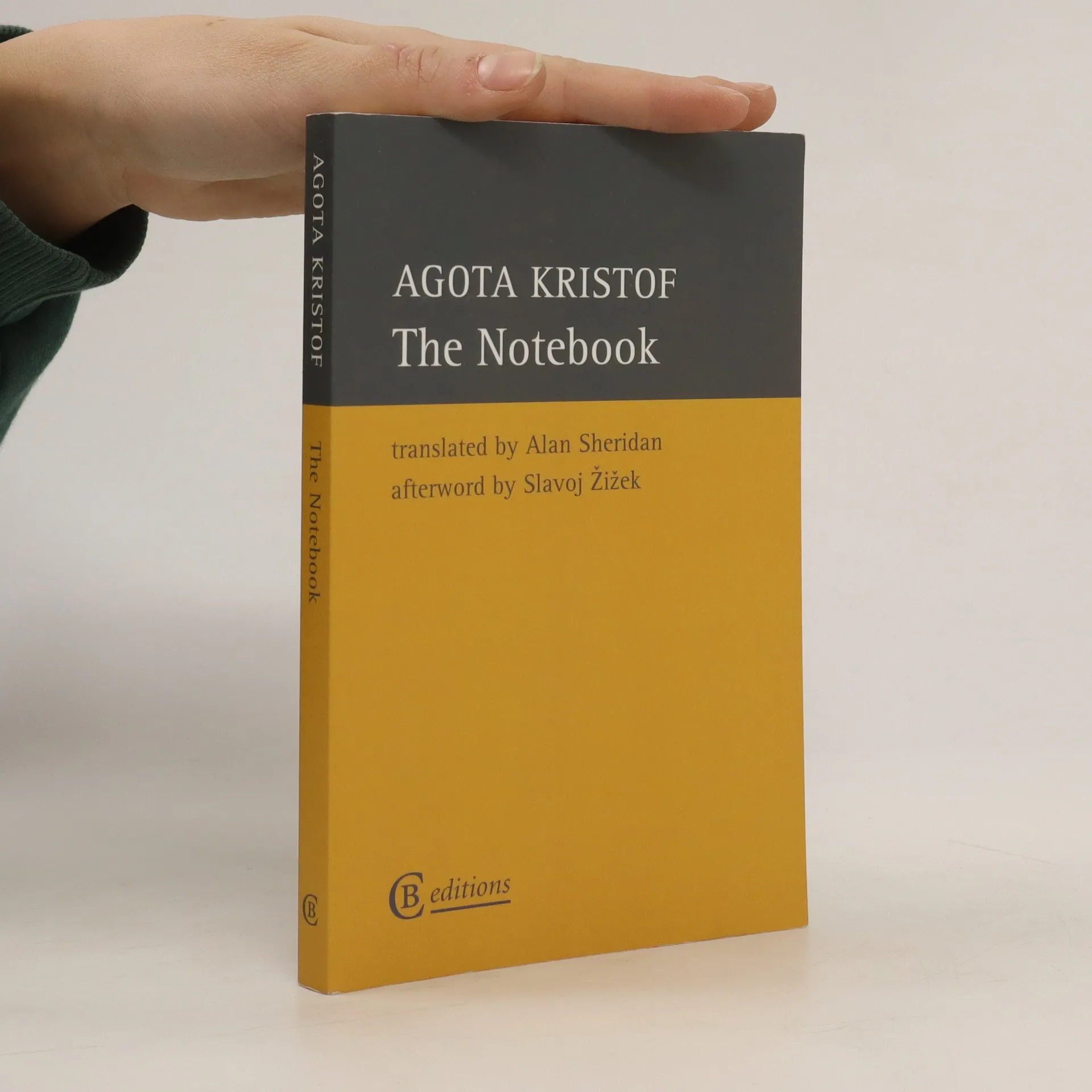
Sent to a remote village for the duration of the war, two children devise physical and mental exercises to render themselves invulnerable to pain and sentiment. They steal, kill, blackmail and survive; others - the cobbler, the harelipped girl who craves love, the children's parents - are sucked into war's brutal maelstrom.
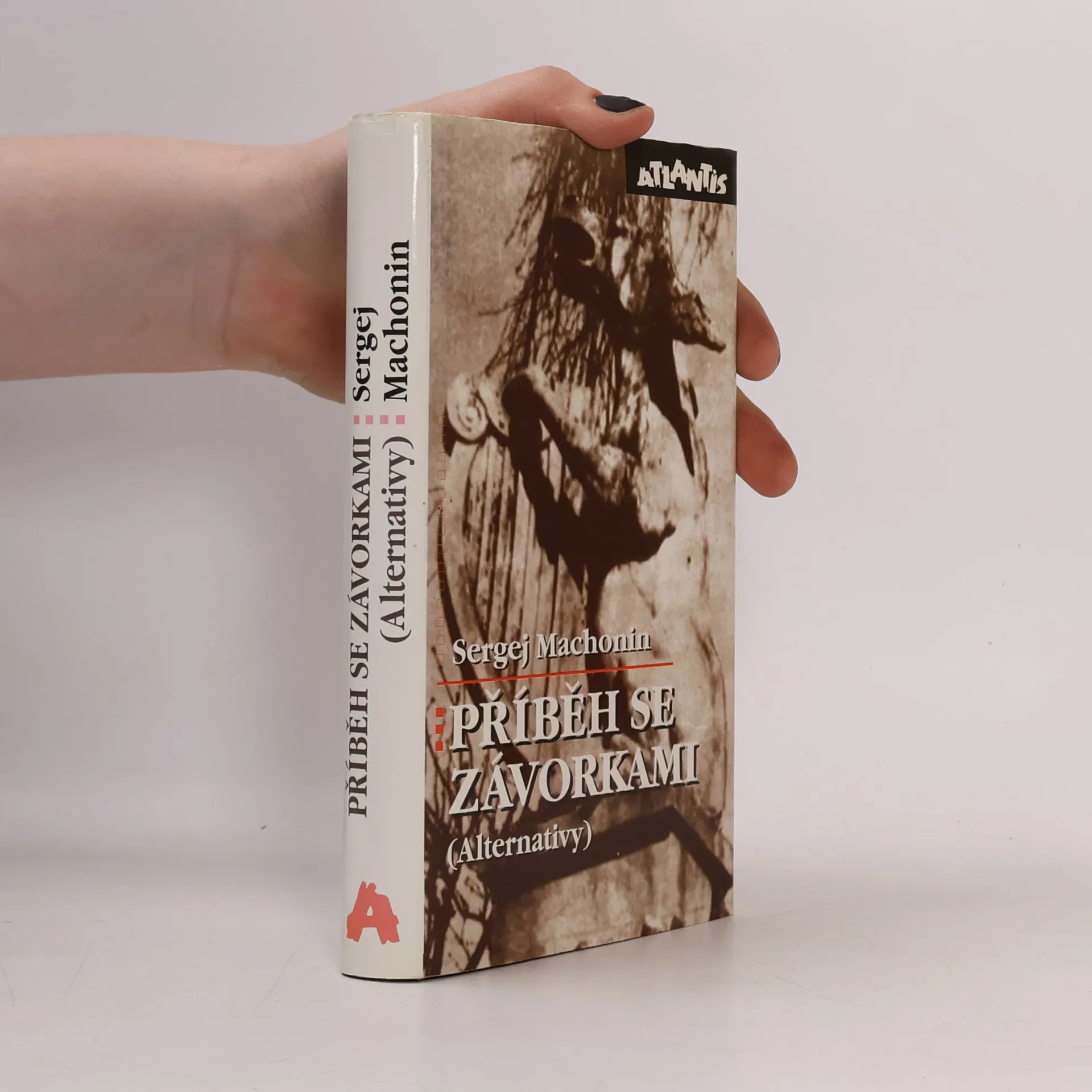
Mimořádně osobitá, vyzývavá, myšlenkově vyhraněná próza, osobní příběh Sergeje Machonina (1918–1995), kritika a překladatele. Kniha je rozdělena do tří dílů (Prostějov, Velké a malé dějiny, Záznamy), z nichž každý je ještě členěn do menších úseků. Nejrozsáhlejší je díl první, věnovaný mladým létům v hanácké metropoli, v němž autor zálibně kreslí rodinné prostředí, dobovou atmosféru a životní styl probudilého malého města. Druhý díl zabírá hledání příčin, pro které autor uvěřil v možnost uskutečnění snu o spravedlivější společnosti. Vše je soustředěno k nesentimentálnímu popisu onoho procesu, jímž se zralý muž prodíral ze svých iluzí k vnímání světa už „jiným“ rozumem a „jinýma“ očima. Třetí díl je souborem dopisů, deníkových zápisků a publicistických článků, vztahujících se k době pochartovní a polistopadové...
Románové vylíčení rozhodujících dnů a nocí, za kterých Rudá armáda bojovala o Stalingrad. Osudy vojáků jednoho praporu, připraveného do města v září 1942, a příběh důstojníka a vojenské ošetřovatelky jsou motivem, kterým spojuje autor popisování vojenských operací, zachycených odobranných bojů v polovině září 1942 až k druhému dni generální ofensivy v únoru 1943. Líčením zážitků z bojů, života v zákopech a v krytech bombardovaného města vystihuje román zároveň, jak vojáci i civilisté, kteří ve městě zůstali, podstupovali všechna nebezpečí a útrapy s přesvědčením, že Němci Stalingradu nedobudou.
Papillon
- 560 pages
- 20 hours of reading
Condemned for a murder he had not committed, Henri Charriere (nicknamed Papillon) was sent to the penal colony of French Guiana. Forty-two days after his arrival he made his first break, travelling a thousand gruelling miles in an open boat. Recaptured, he suffered a solitary confinement and was sent eventually to Devil's Island, a hell-hole of disease and brutality. No one had ever escaped from this notorious prison - no one until Papillon took to the shark infested sea supported only by a makeshift coconut-sack raft. In thirteen years he made nine daring escapes, living through many fantastic adventures while on the run - including a sojourn with South American Indians whose women Papillon found welcomely free of European restraints Papillon is filled with tension, adventure and high excitement. It is also one of the most vivid stories of human endurance ever written. Henri Charriere died in 1973 at the age of 66.
The Erl-King
- 336 pages
- 12 hours of reading
This novel follows the passage of strange, gentle Abel Tiffauges from submissive schoolboy to adult misfit - a man without a sense of belonging until he finds himself a prisoner of war, and then a teacher, and then the 'ogre' of a Nazi school at the castle of Kaltenborn.
The post office girl
- 288 pages
- 11 hours of reading
A young Austrian woman, Christine, toils away in a provincial post office when, out of the blue, a telegram arrives inviting her to join an American aunt she's never known in a fashionable Swiss resort. She accepts and is swept up into a world of almost inconceivable wealth and unleashed desire. She feels herself utterly transformed.
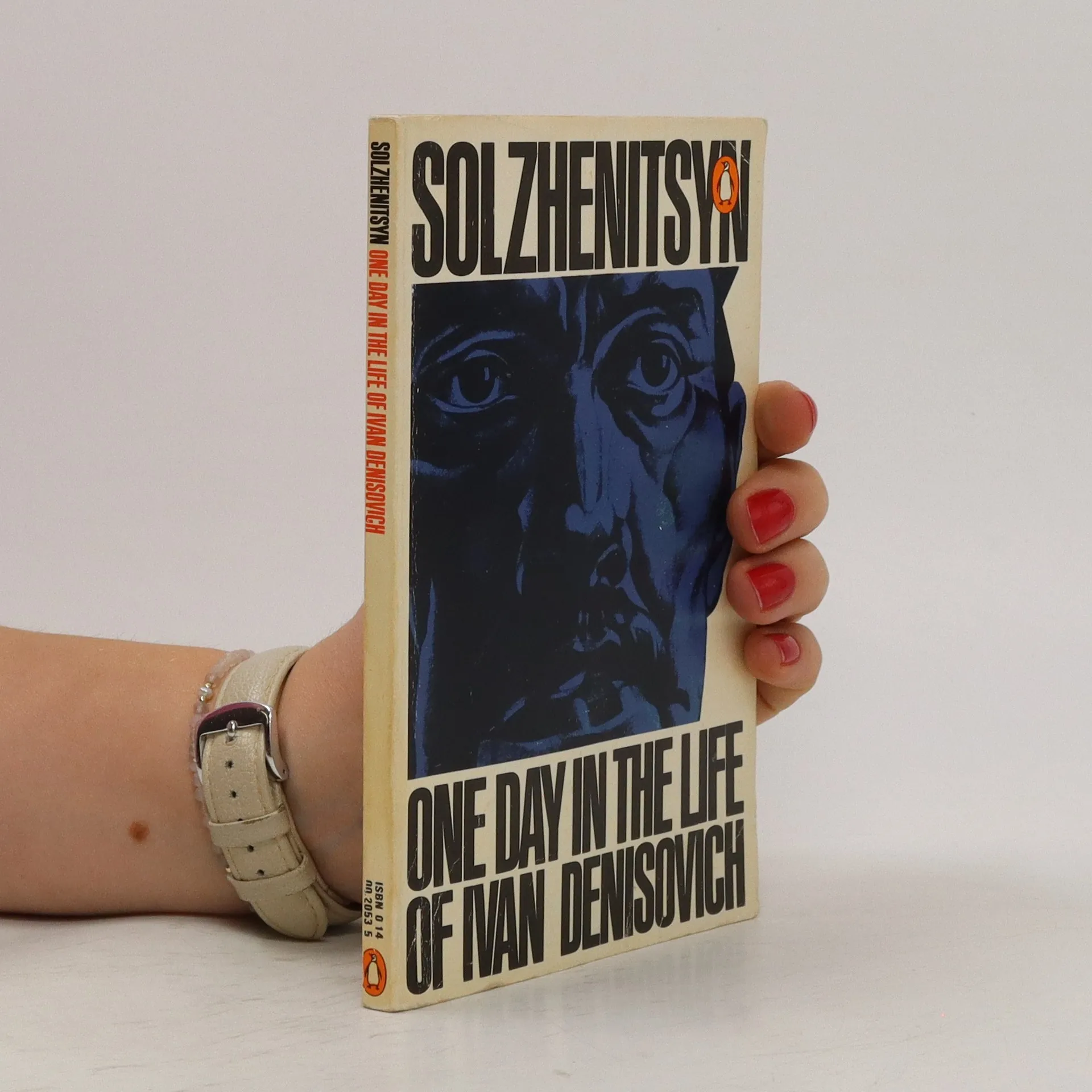
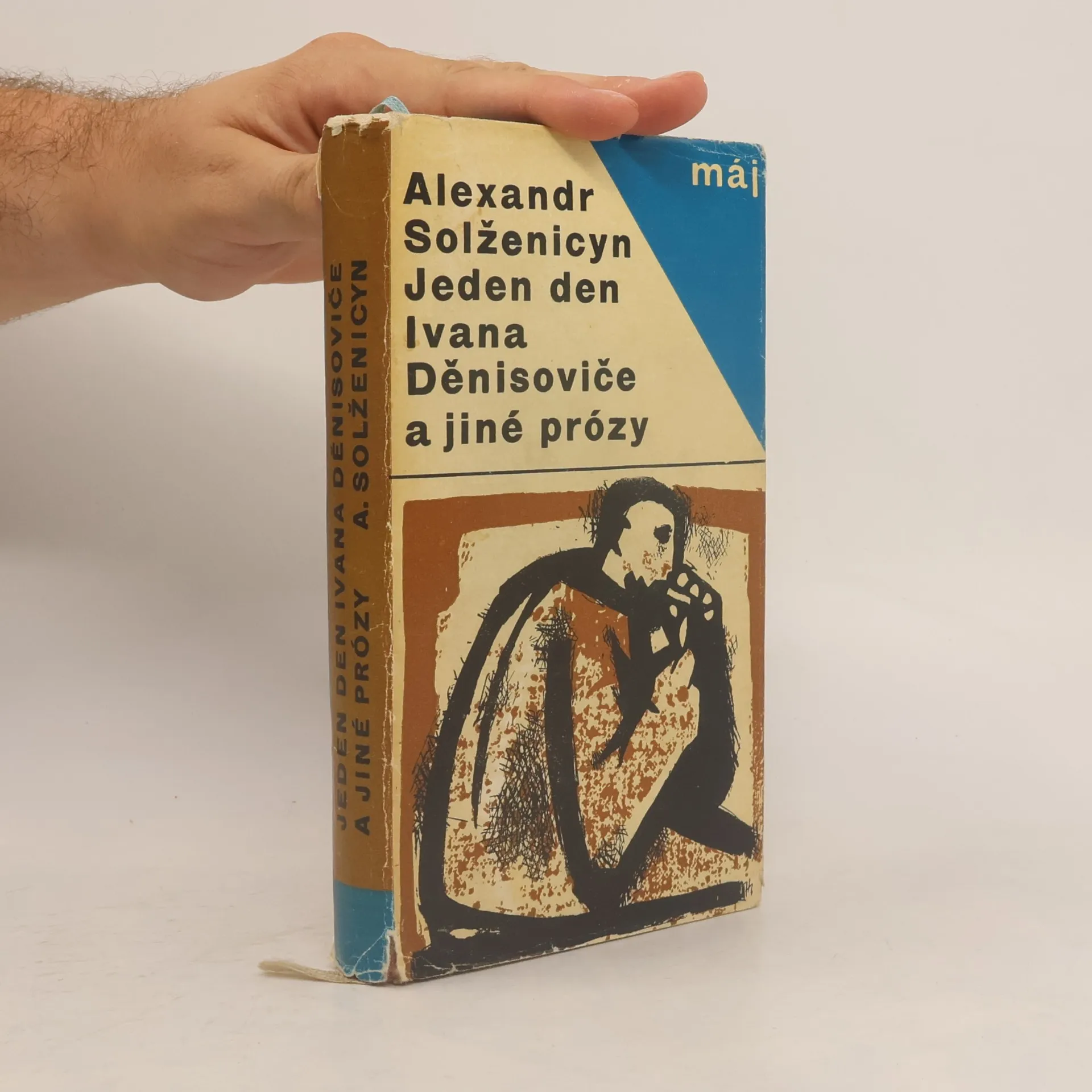
“Stark . . . the story of how one falsely accused convict and his fellow prisoners survived or perished in an arctic slave labor camp after the war.”—Time From the icy blast of reveille through the sweet release of sleep, Ivan Denisovich endures. A common carpenter, he is one of millions viciously imprisoned for countless years on baseless charges,sentenced to the waking nightmare of the Soviet work camps in Siberia. Even in the face of degrading hatred, where life is reduced to a bowl of gruel and a rare cigarette, hope and dignity prevail. This powerful novel of fact is a scathing indictment of Communist tyranny, and an eloquent affirmation of the human spirit. The prodigious works of Alexander Solzhenitsyn, including his acclaimed The Gulag Archipelago, have secured his place in the great tradition of Russian literary giants. Ironically, One Day in the Life of Ivan Denisovich is the only one of his works permitted publication in his native land. Praise for One Day in the Life of Ivan Denisovich “Cannot fail to arouse bitterness and pain in the heart of the reader. A literary and political event of the first magnitude.”—New Statesman “Both as a political tract and as a literary work, it is in the Doctor Zhivago category.”—Washington Post “Dramatic . . . outspoken . . . graphically detailed . . . a moving human record.”—Library Journal
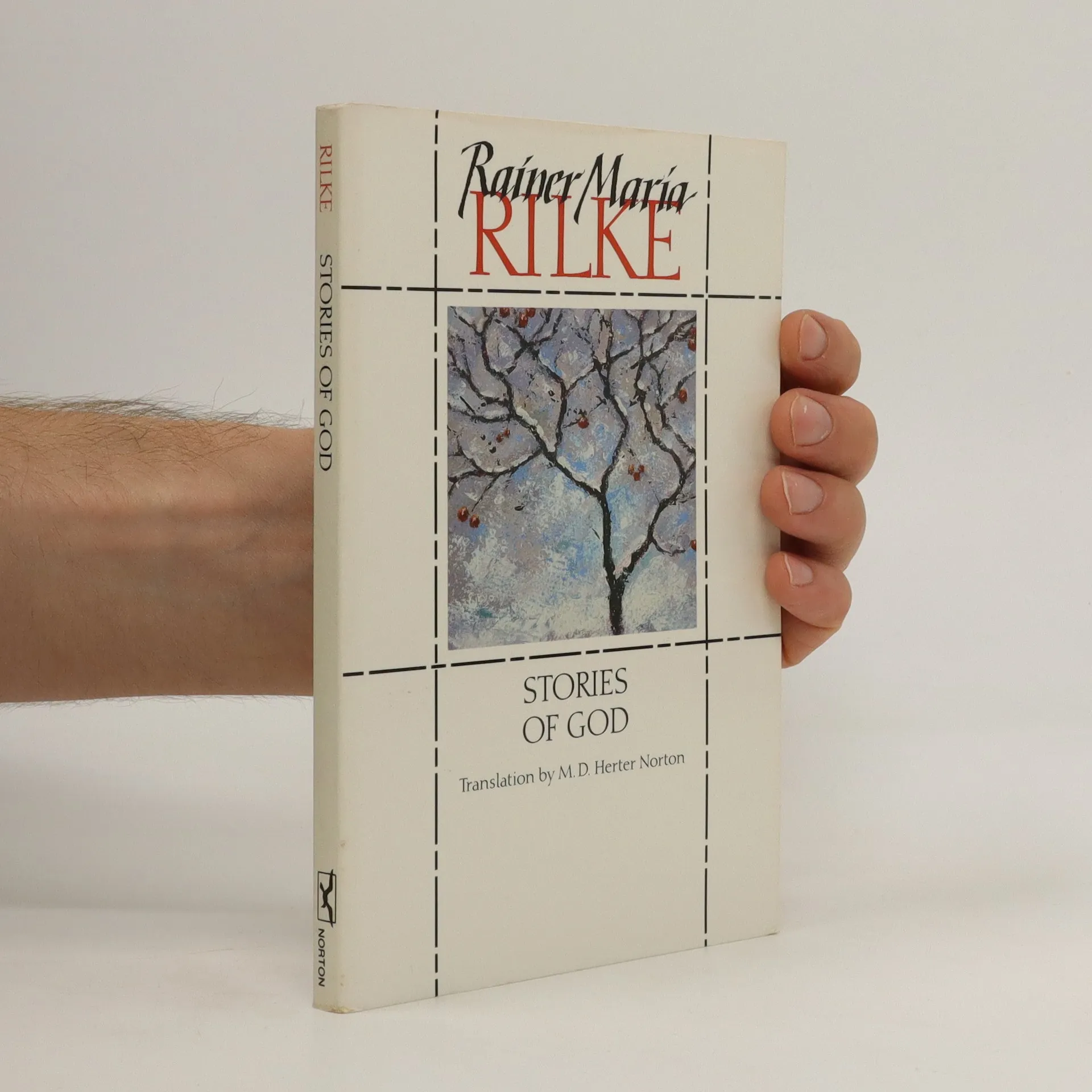
Rilke's haunting images focus on the difficulty of communion with the ineffable in an age of disbelief, solitude, and profound anxiety. Rainer Maria Rilke felt that the world and all its joys most truly belonged to the young, and in Stories of God he captured for them the magic, charm and wisdom of fairy and folk tales.
Hrdiny románu jsou inženýři, svářeči, kopáči, úředníci, šoféři, komsomolci-spojaři, sovětští lidé, kteří chtěli se zbraní v ruce hájit sovětskou zem, ale na rozkaz museli odejít do nejvzdálenějších končin SSSR, východní Sibiře, aby pod vedením inž. Batmanova a stranického tajemníka Zalkinda vybudovali ropovod z ostrova Tajsinu do bezpečnější oblasti Sibiře. V boji s přírodními podmínkami a s časem se vytváří soudružský kolektiv, který si brzy uvědomil, že je jeho práce stejně důležitá, jako přímý boj s nepřítelem. S rostoucím dílem ocelí i charaktery, rozvíjí se povahové vlastnosti a nadání jednotlivců na prospěch socialistické společnosti. V této společnosti nemůže žít ani lenoch ani zrádce. Oceněno Stalinovou cenou 1. stupně. Zfilmováno.
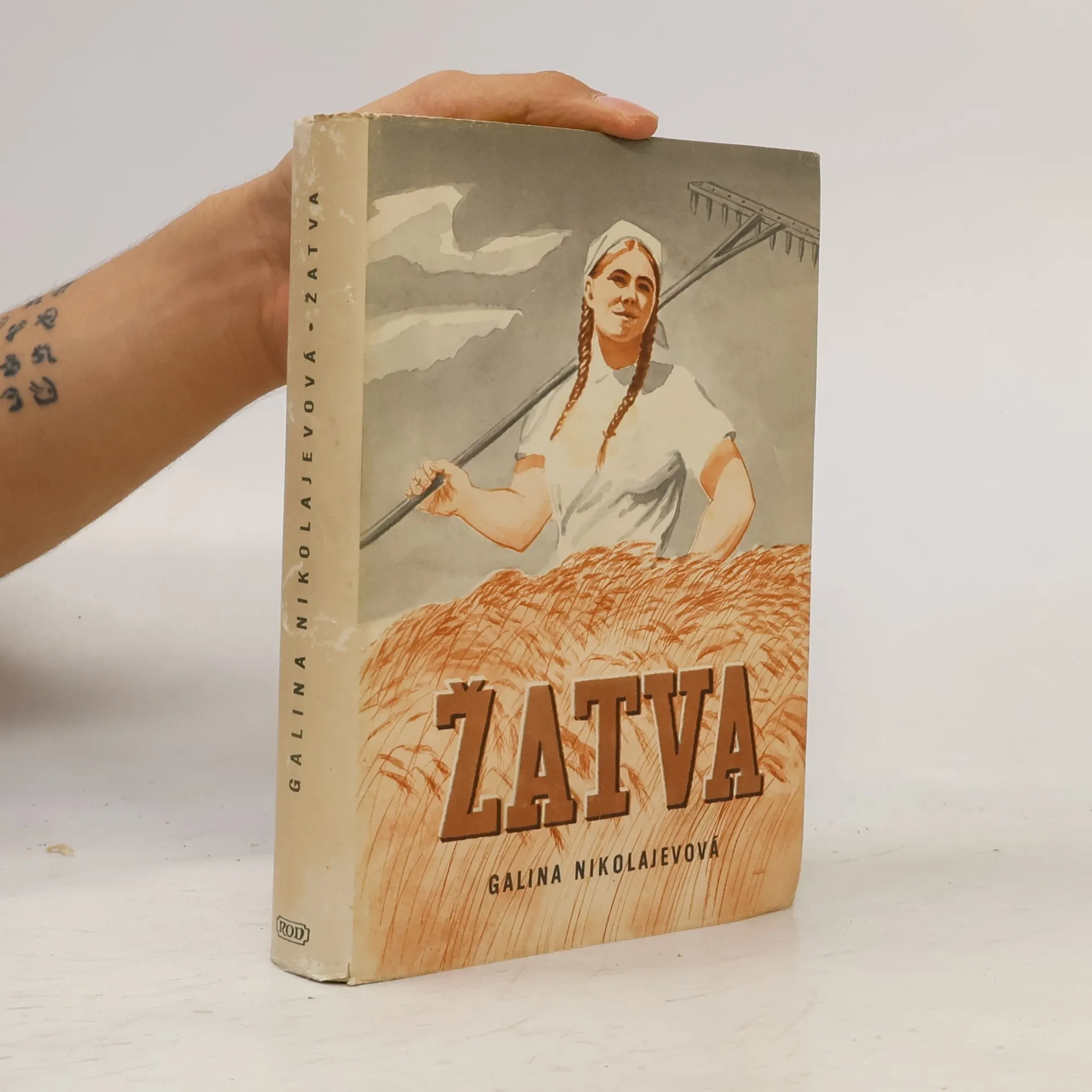
Román o růstu sovětského kolchozu, po minulé válce zanedbaného a nejhoršího v okrese, který se během rku pozdvihne na dobrý průměr a získá předpoklady stát se jedním z nejlepších v SSSR. Hlavní myšlenkou je změna ve vztahu lidí ke společné práci: vyčerpáni po válce, zbaveni nejlepších pracovníků, kteří padli na frontě, a vlivem špatného vedení přestávali se zajímat o družstevní hospodářství, starali se jen o výhody trhu, obchodovali a vydělávali pro sebe, nový předseda kolchozu počal po návratu z fronty organisovat znovu od začátku celou hospodářskou a stranickou práci, zvykal lidi pořádku a kázni, podchytil jejich zájem o nové pěstitelské methody a o mechanisaci. Z dřívějších liknavých lidí tak vznikl kolektiv uvědomělých pracovníků, ve kterých správné vedení a pokrokové myšlenky odkryly netušené schopnosti a daly jim vědomí, že jakéhokoliv nepřítele - sucho, deště, neúrodnou půdu - je možno překonat. Zároveň ukazuje autorka, jak i soukromé zármutky a neshody pomáhá vyřešit společné chápání budovatelských úkolů.
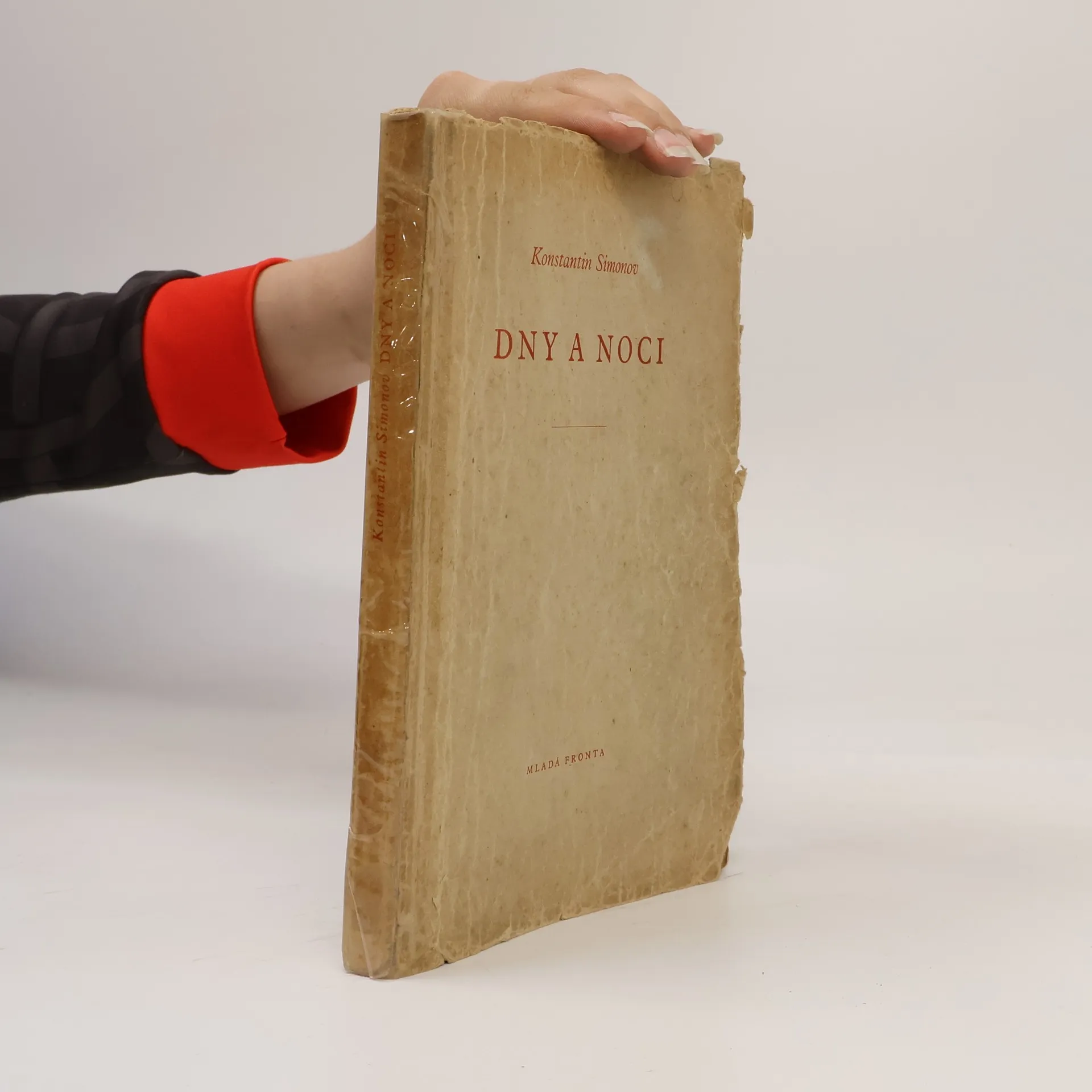
Světoznámá novela sovětského autora odhaluje otřesné skutečnosti sovětských gulagů v 50. letech 20. století. Útlý svazek obsahuje pouze novelu Jeden den Ivana Děnisoviče.
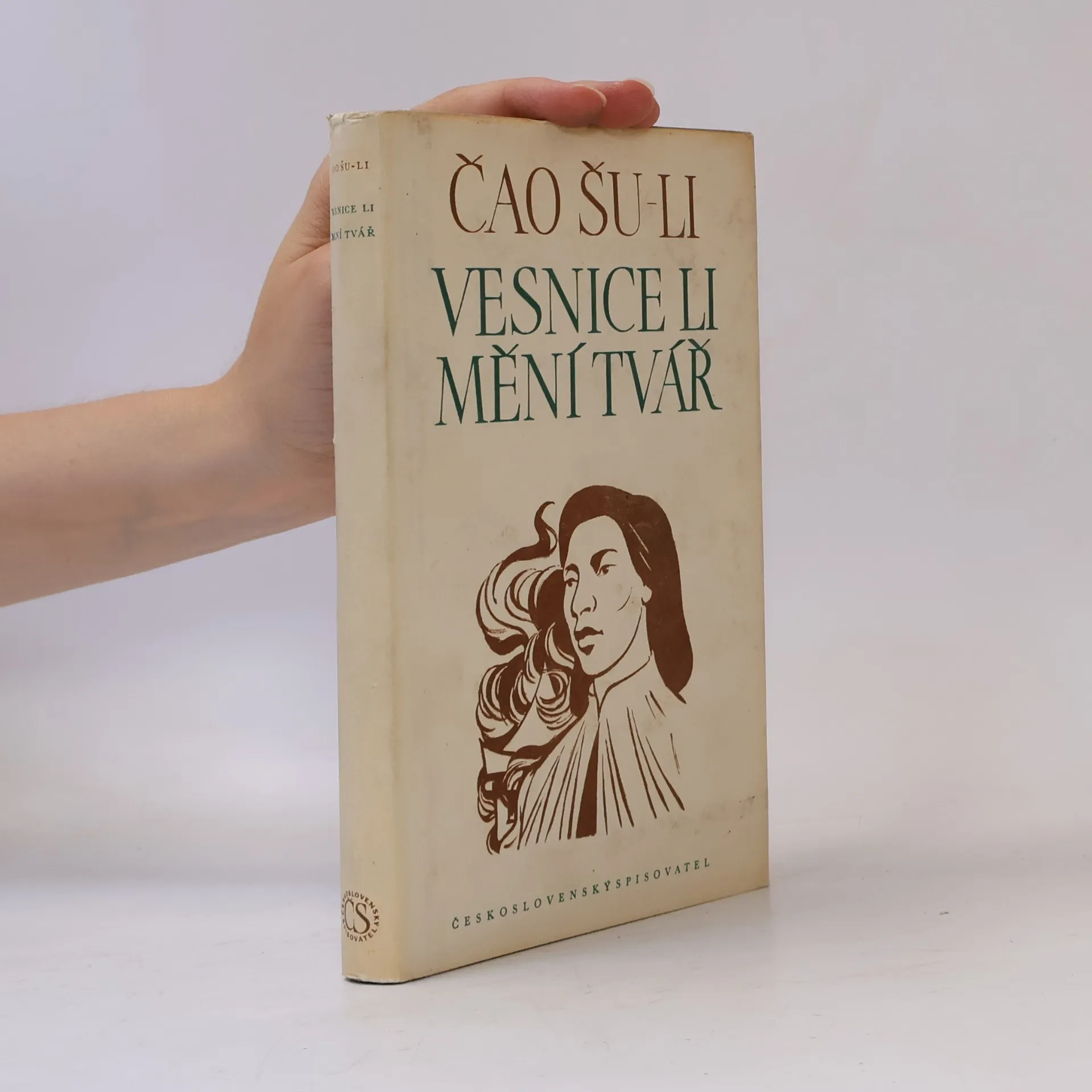
Na osudu malé čínské vesničky ukazuje autor s hlubokou přesvědčivostí život čínského lidu v době před čínsko - japonskou válkou, v době války a těsně po ní. Citace z tiráže: Přeloženo do češtiny z ruského překladu. Vydáno pro členy Čtenářské obce jako hlavní svazek ediceSvět v rámci odběrního příspěvku, v němž je zahrnut nárok na vázanou knihu i Literární noviny.
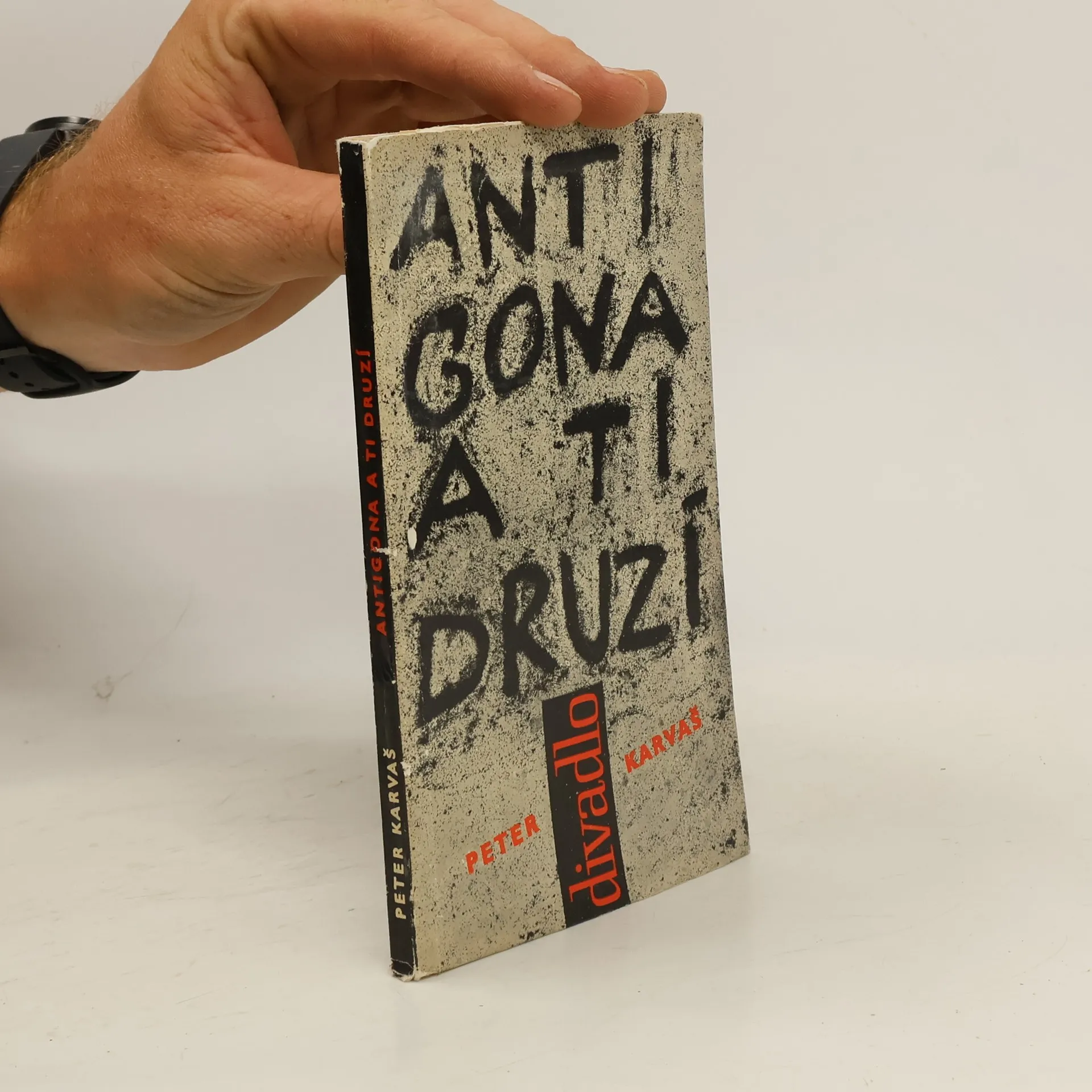
Starý Sofoklův námět o Antigoné, jež se vzepře proti tyranovu zákazu pohřbít mrtvého, je v knize převeden do nacistického koncentračního tábora počátkem roku 1945, v němž se proti obdobnému zákazu vzbouří celý tábor.
V lete roku 1942 je mesto Krasnodon na východnej Ukrajine obsadené nemeckou armádou. Časť miestnej mládeže, komsomolci pod vedením Olega Koševého, sa zformuje v ilegálnu odbojovú skupinu, vykonávajúcu pod vedením komunistov partizánske akcie v týlu nepriateľa. Skupina je neskôr zrazená, jej členovia sú zatknutí a popravení.
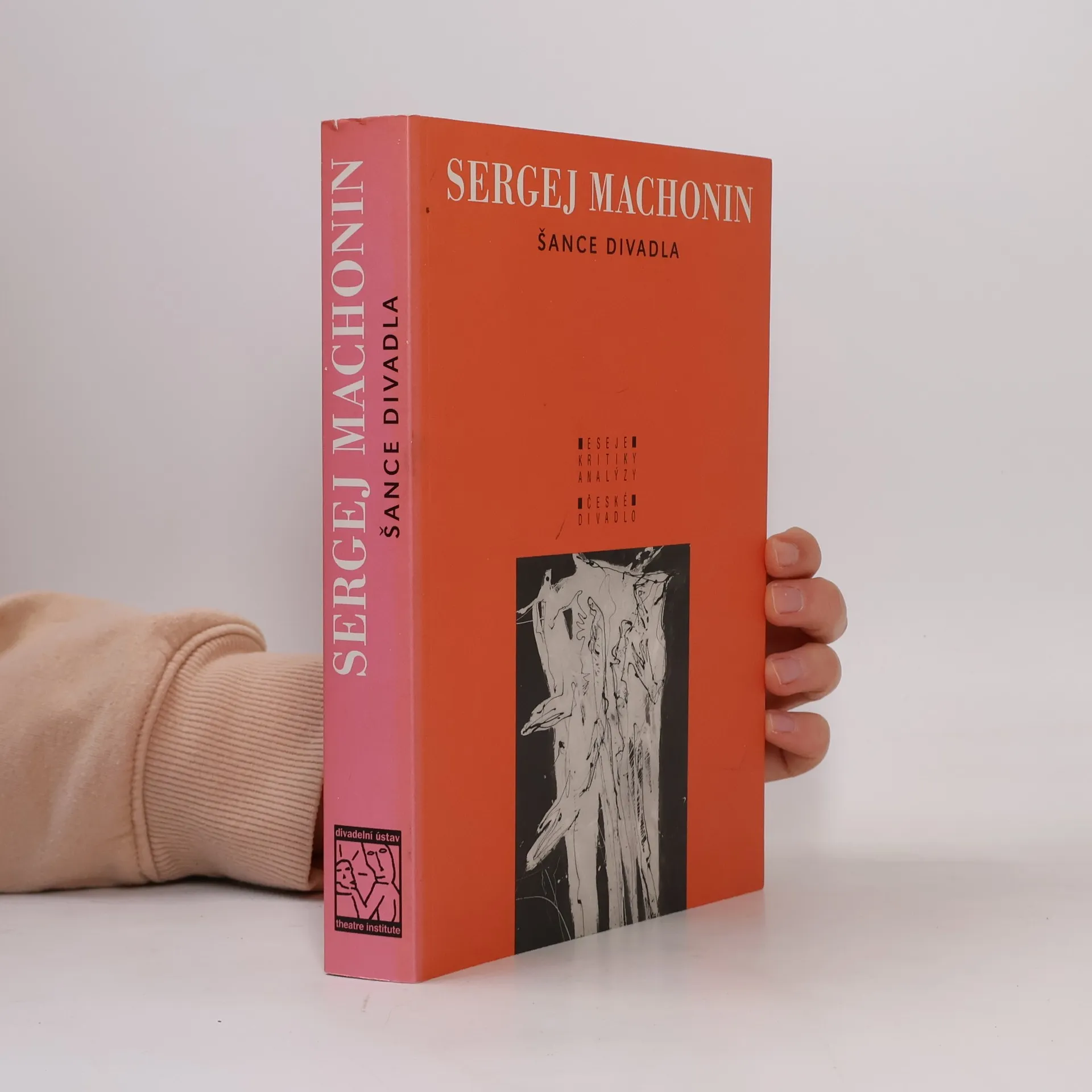
Šance divadla
- 533 pages
- 19 hours of reading
Výbor divadelních referátů a statí Sergeje Machonina, který je doprovázen úplnou anotovanou bibliografií, rozsáhlou ediční poznámkou a rejstříky. Tento poznámkový aparát si - společně s doslovem o Machoninově názorovém vývoji a kritickém typu - klade za cíl v co nejširších kontextech postihnout tuto pozoruhodnou a kontroverzní osobnost české poválečné divadelní kritiky.
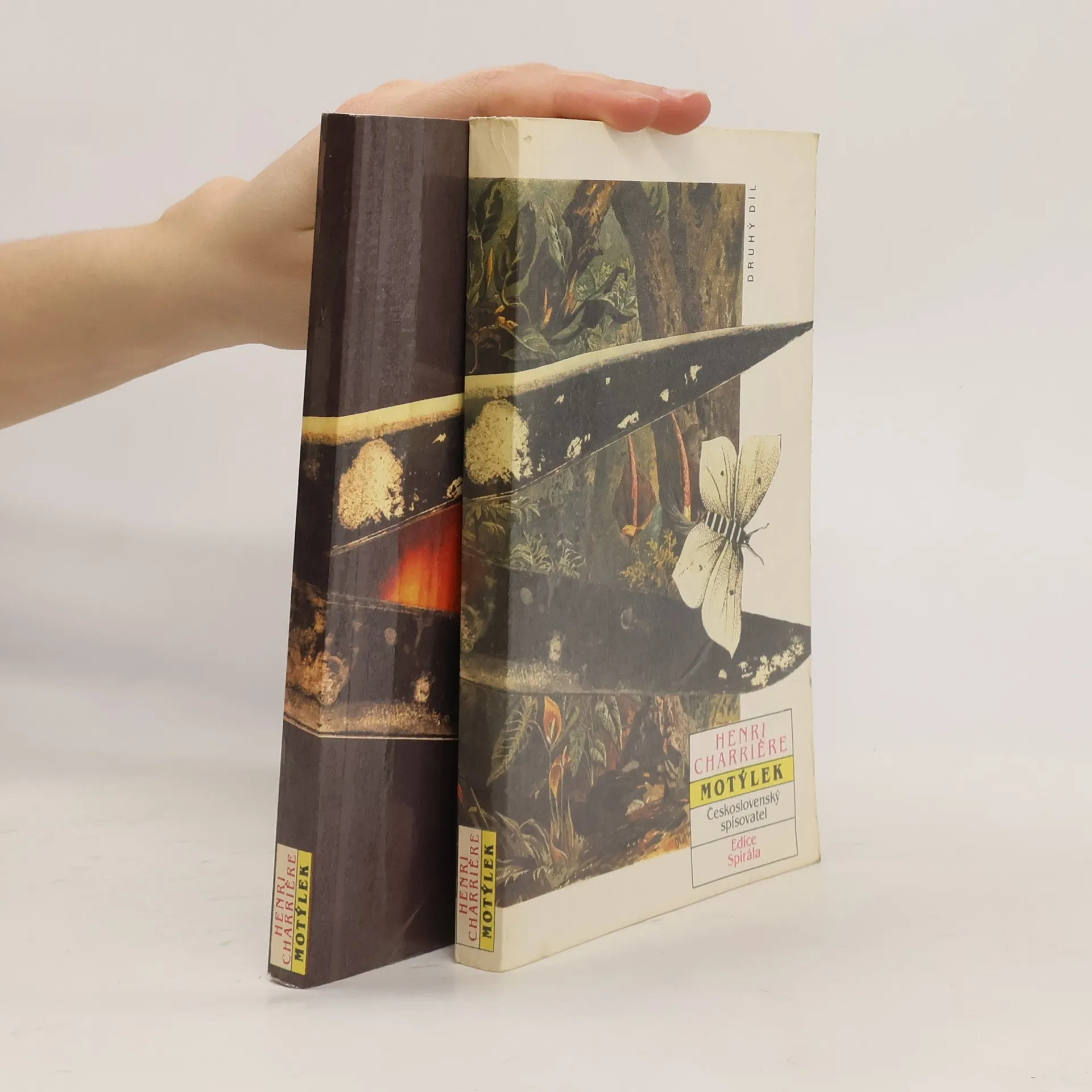
Motýlek 1-2
- 2 volumes
Motýlek 1-2 je literární dílo, které sleduje životní příběh Henriho Charrière, známého jako Motýlek, který byl neprávem odsouzen k doživotnímu vězení na francouzské Guyaně. V prvním svazku se čtenář seznamuje s Charrièreho osudem, jeho únikem z vězení a odhodláním vrátit se do Francie. Příběh je protkán tématy svobody, přežití a touhy po spravedlnosti. Charrière se setkává s různými postavami, které ovlivňují jeho cestu, včetně spoluvězňů a místních obyvatel, a jeho vytrvalost a vynalézavost jsou klíčovými prvky jeho charakteru. Druhý svazek pokračuje v jeho dobrodružstvích a zkoumá důsledky jeho útěku, přičemž se zaměřuje na jeho snahu uniknout nejen fyzicky, ale také psychicky. Charrière čelí mnoha překážkám, které testují jeho odhodlání a morální hodnoty. Kniha se zabývá otázkami identity, přátelství a lidské odolnosti. Celý soubor nabízí komplexní pohled na Charrièreho život a jeho neúnavnou snahu o svobodu, přičemž zachycuje jak jeho osobní tragédie, tak triumfy.
Motýlek 1., 2. díl
- 2 volumes