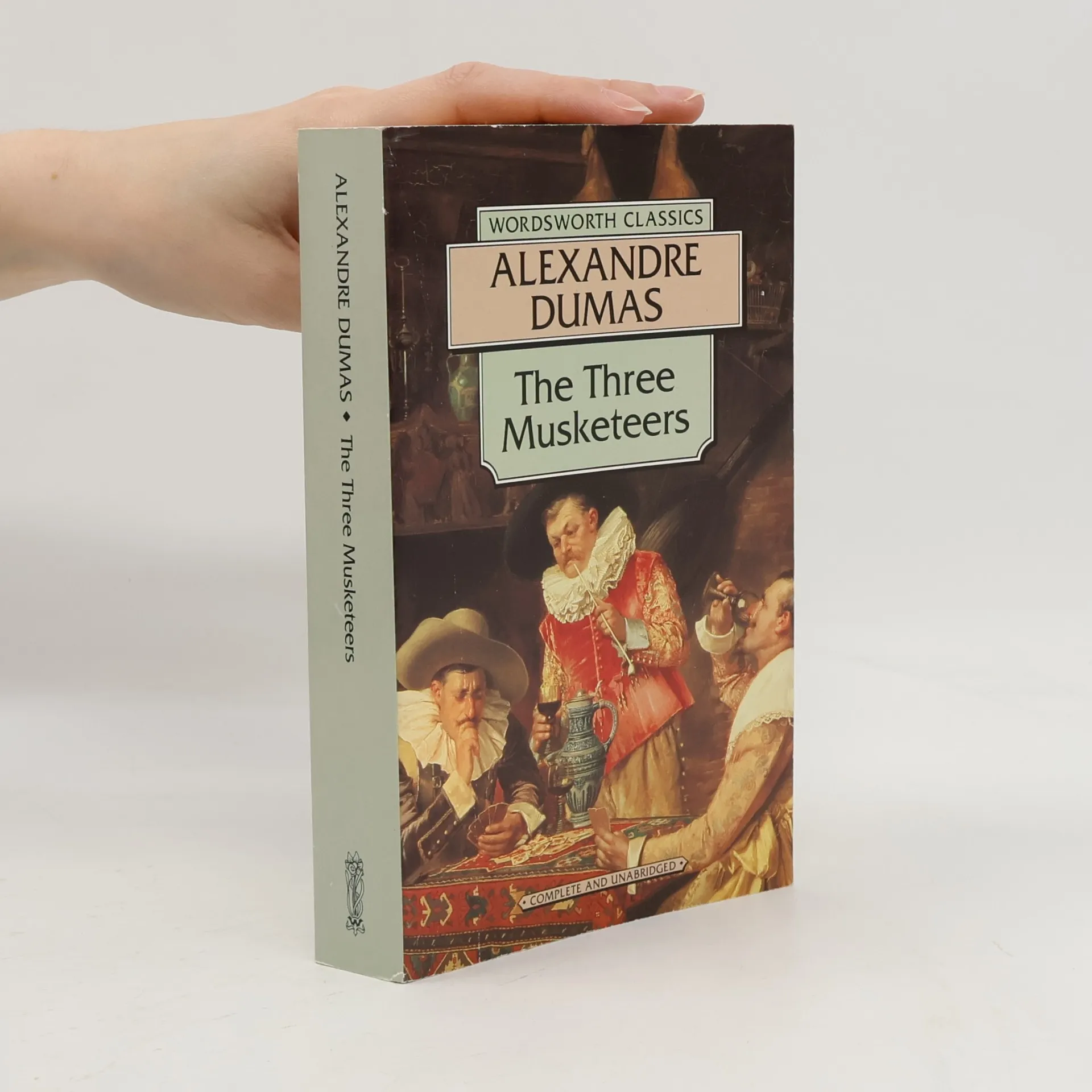
CLASSIC FICTION (PRE C 1945). A historical romance, this novel tells of the adventures of the hot-headed young Gascon, d'Artagnan and his three companions Athos, Porthos and Aramis as they gallantly defend the Queen of France, using their wit and their swords.
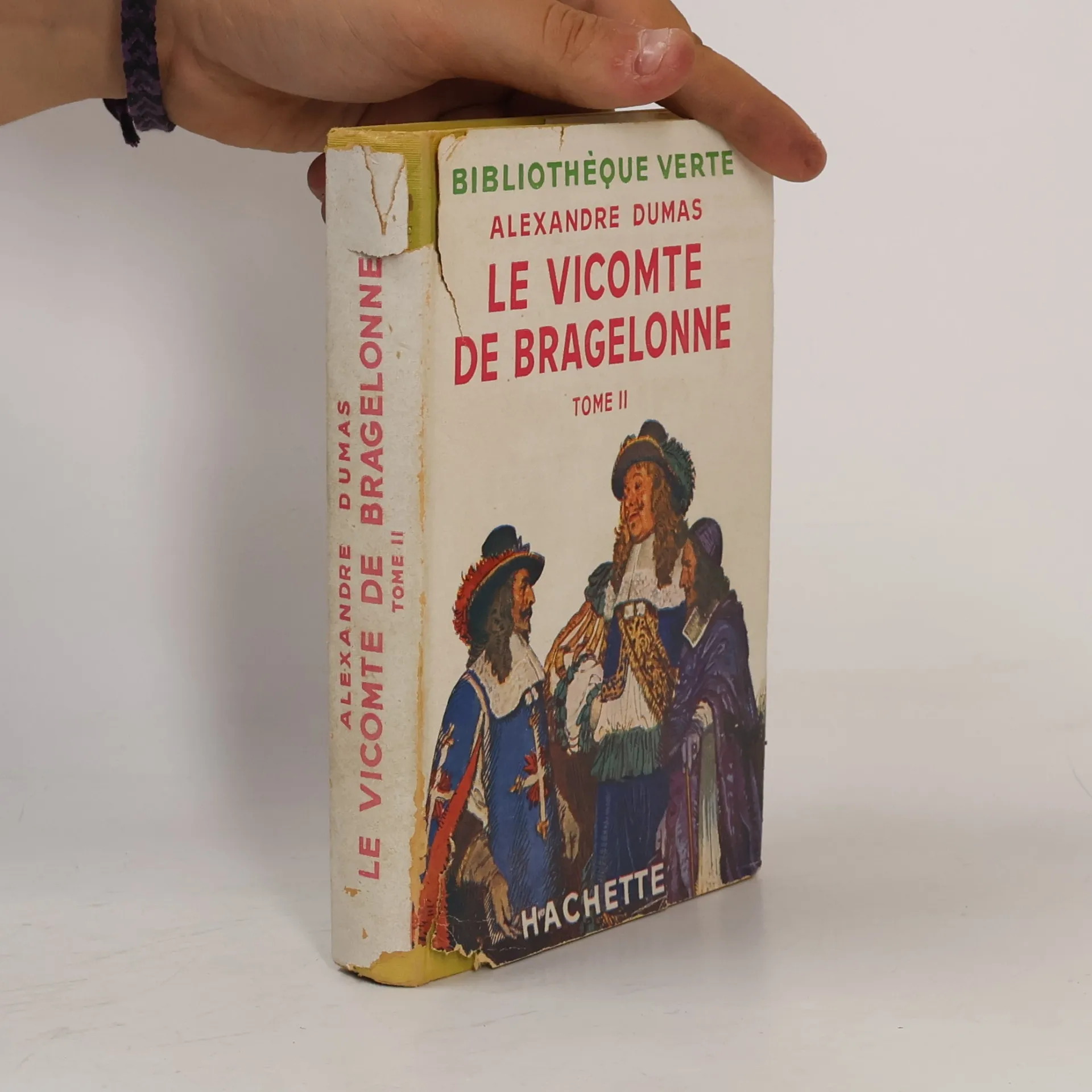
Été 1661. À Fontainebleau, autour du jeune Louis XIV et de sa belle-soeur Henriette d'Angleterre, la cour vole de fètes en fètes et d'amours en amours. Mais les mousquetaires ont perdu la maîtrise des opérations. D'Artagnan assiste en spectateur impuissant à la défaite de Bragelonne et à celle du surintendant Fouquet. C'est alors que l'action rebondit, à l'initiative d'Aramis, plus pétri que jamais d'ambition et de secrets. Que manigance-t-il à la Bastille, autour d'un étrange prisonnier sans nom ? Dans quelle mystérieuse entreprise entraînet- il le naïf Porthos ? D'Artagnan s'interroge, le lecteur aussi. Tous les éléments sont en place pour une cascade de coups de théâtre dont le tome III fournira la clef.
Alexandre Dumas, père (French for "father", akin to Senior in English), born Dumas Davy de la Pailleterie (1802-1870) was a French writer, best known for his numerous historical novels of high adventure which have made him one of the most widely read French authors in the world. Many of his novels, including The Count of Monte Cristo (1845), The Three Musketeers (1844), and The Man in the Iron Mask (1848) were serialized, and he also wrote plays and magazine articles and was a prolific correspondent. Though best known now as a novelist, He earned his first fame as a dramatist. His Henri III et sa Cour (1829) was the first of the great Romantic historical dramas produced on the Paris stage, preceding Victor Hugo's more famous Hernani (1830). He was also a wellknown travel writer, writing such books as From Paris to Cadiz (1847), and Travel Impressions: In Russia (1860). His other works include Twenty Years After (1845), The Two Dianas (1846), Queen Margot (1845), The Black Tulip (1850), The Wolf-Leader (1857), and The Knight of Sainte-Hermine (1869).
Set in 1625, the narrative follows young D'Artagnan, who arrives in Paris eager to join the king's musketeers. His initial confrontations with the seasoned musketeers—Porthos, Aramis, and Athos—quickly turn into camaraderie when they unite against the Cardinal's guards. Their friendship deepens as they embark on a quest to locate a missing woman, facing court intrigues and the treacherous Milady, a spy determined to undermine Queen Anne. This volume captures D'Artagnan's journey filled with adventure, loyalty, and political machinations.
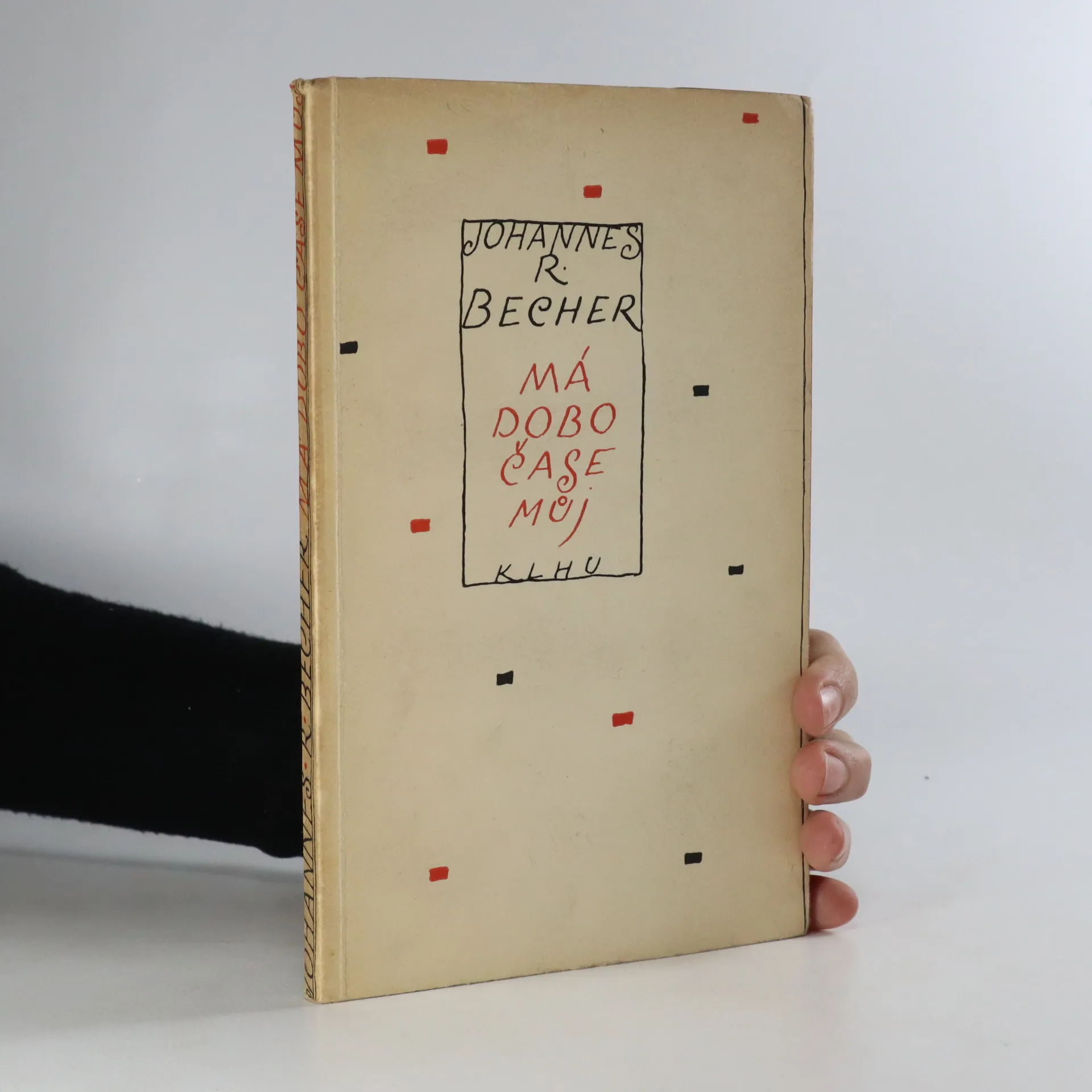
Výbor z poesie německého komunistického básníka je uveden expresionisticky laděnými verši z mládí, aby později nalezl Becher definitivně svou nejvlastnější vyjadřovací polohu, v níž dovede s plnou uměleckou silou zobrazit a rozeznít subjektivní i objektivní skutečnost a podat synthetickýobraz bojové sociální poesie. Silou vzpomínky oživuje v sobě básník-emigrant krásu německé přírody, život rodného lidu a velikost německých dějin, ostře protestuje proti barbarství nacismu. Vyznává se ze své lásky k Sovětskému svazu a odkazu Leninovu, stává se básníkem mírového budování své vlasti. Jeho dílem je i text k nové národní hymně NDR a celá řada jeho písňových textů znárodněla.
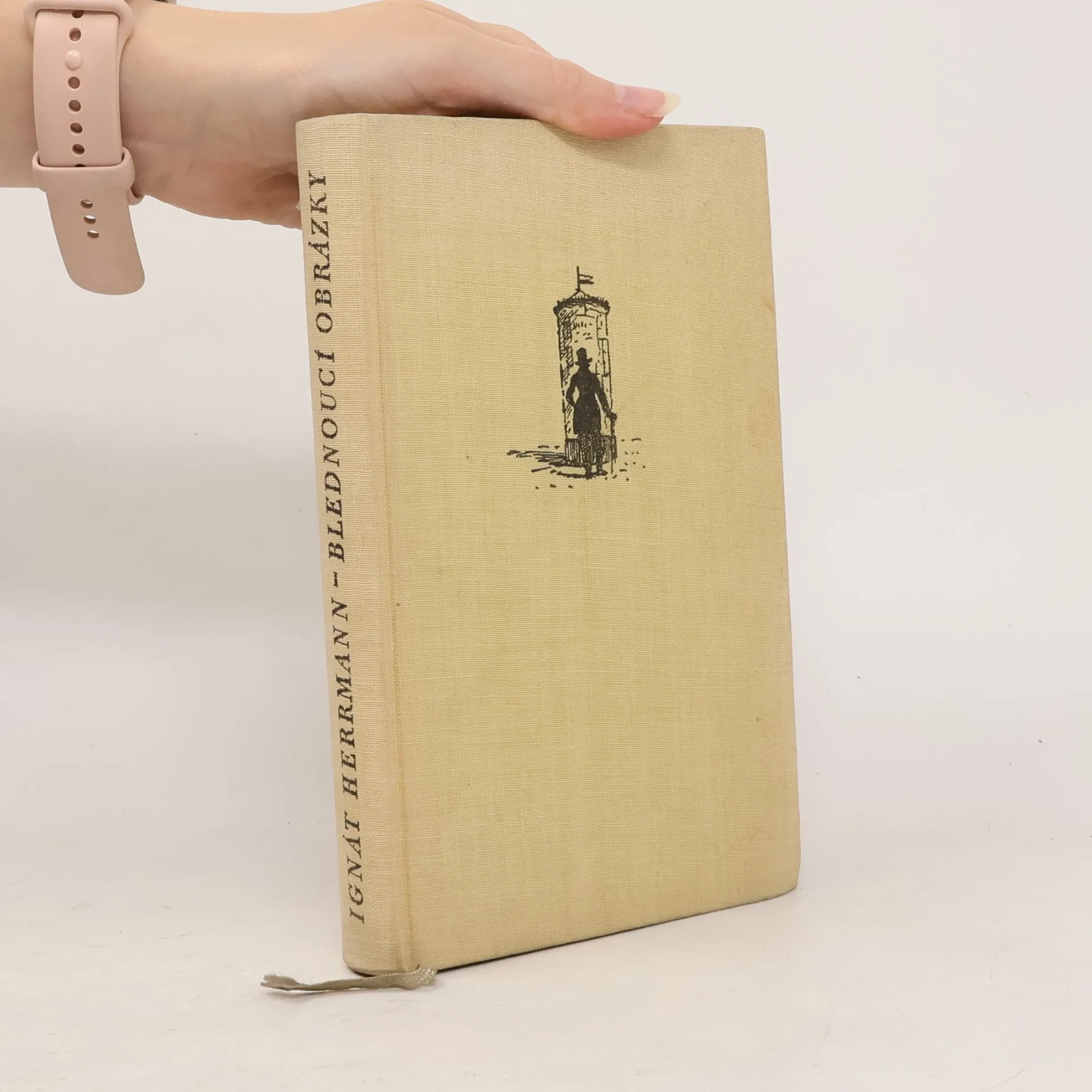
Výbor studií, povídek a črt z knih "Bodří Pražané", Pražské figurky", "Drobní lidé", "Ženitba bratří Adamů", "O třech nebožtících" a "Blednoucí obrázky" je uspořádán z těch Herrmannových próz, "v nichž se spájí svěže vypravěčský a mistrně povaholičný autorův dar s jemnými společenskokritickými postřehy, takových próz, z kterých občas výstižně svítají i Herrmannovy sympatie k zdravému, prostému pracujícímu člověku a které pranýřují v karikatuře to, co v lidech zahnívá". Výbor uspořádal, doslov a vysvětlivky napsal Jaroslav Janů.