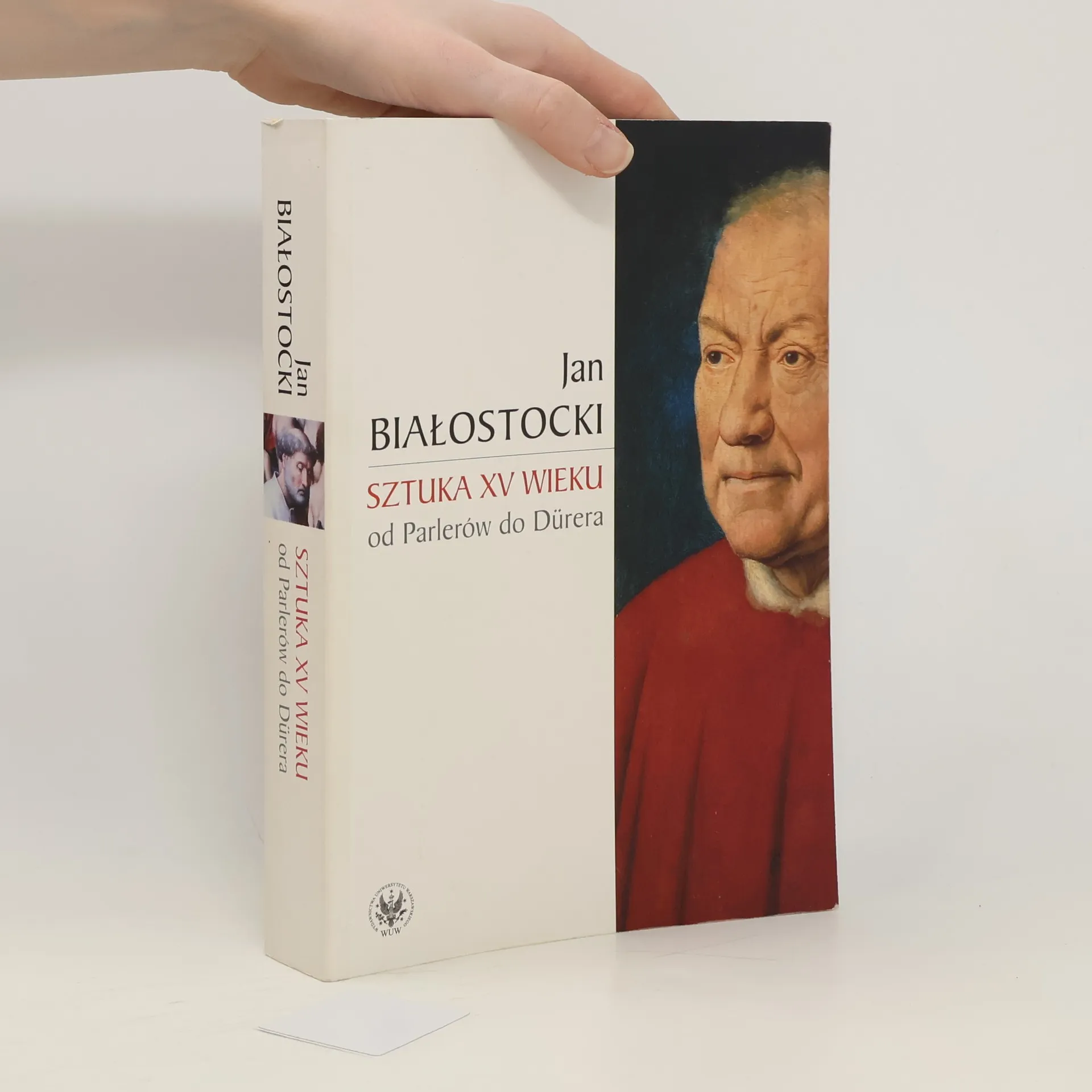
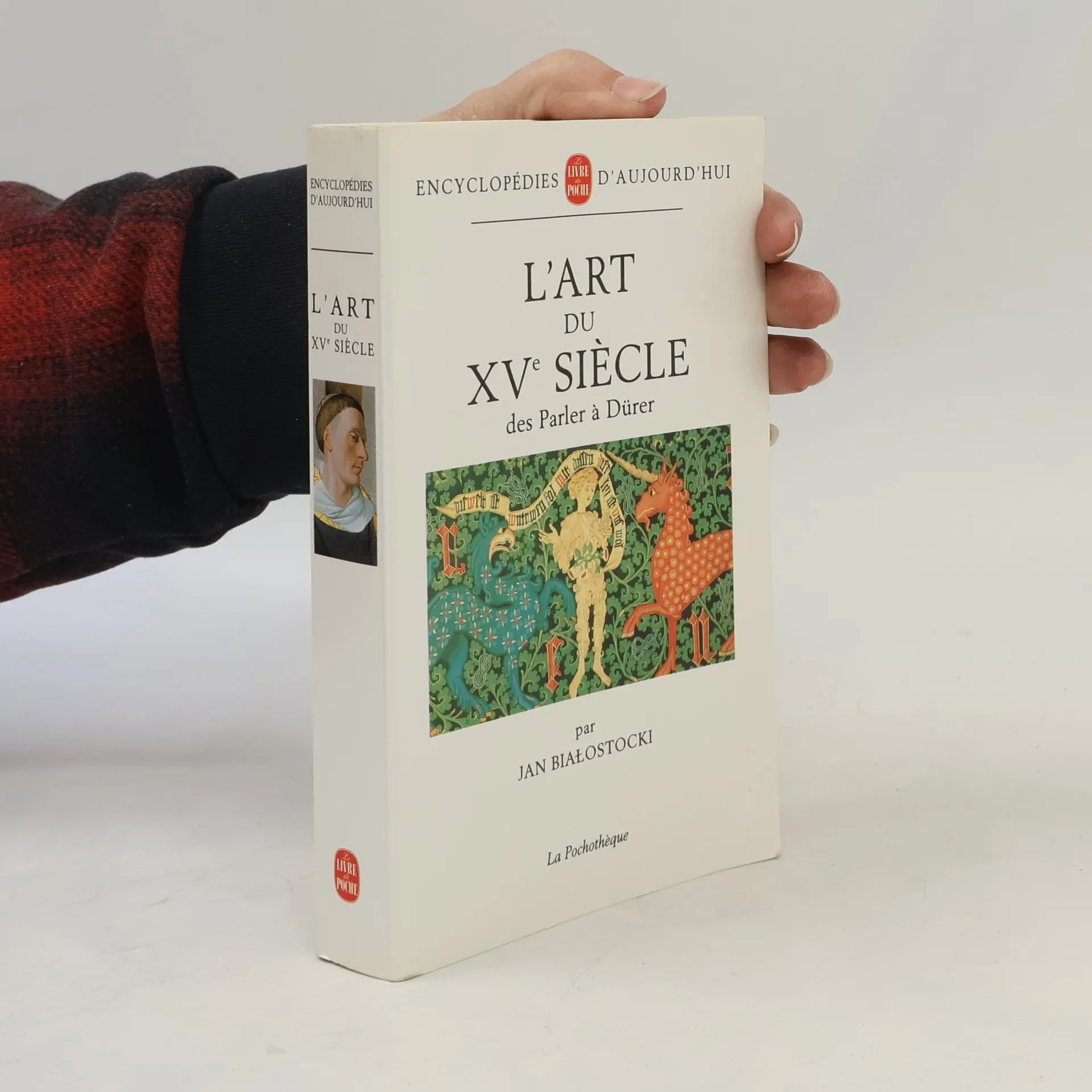
Sztuka XV wieku
- 504 pages
- 18 hours of reading



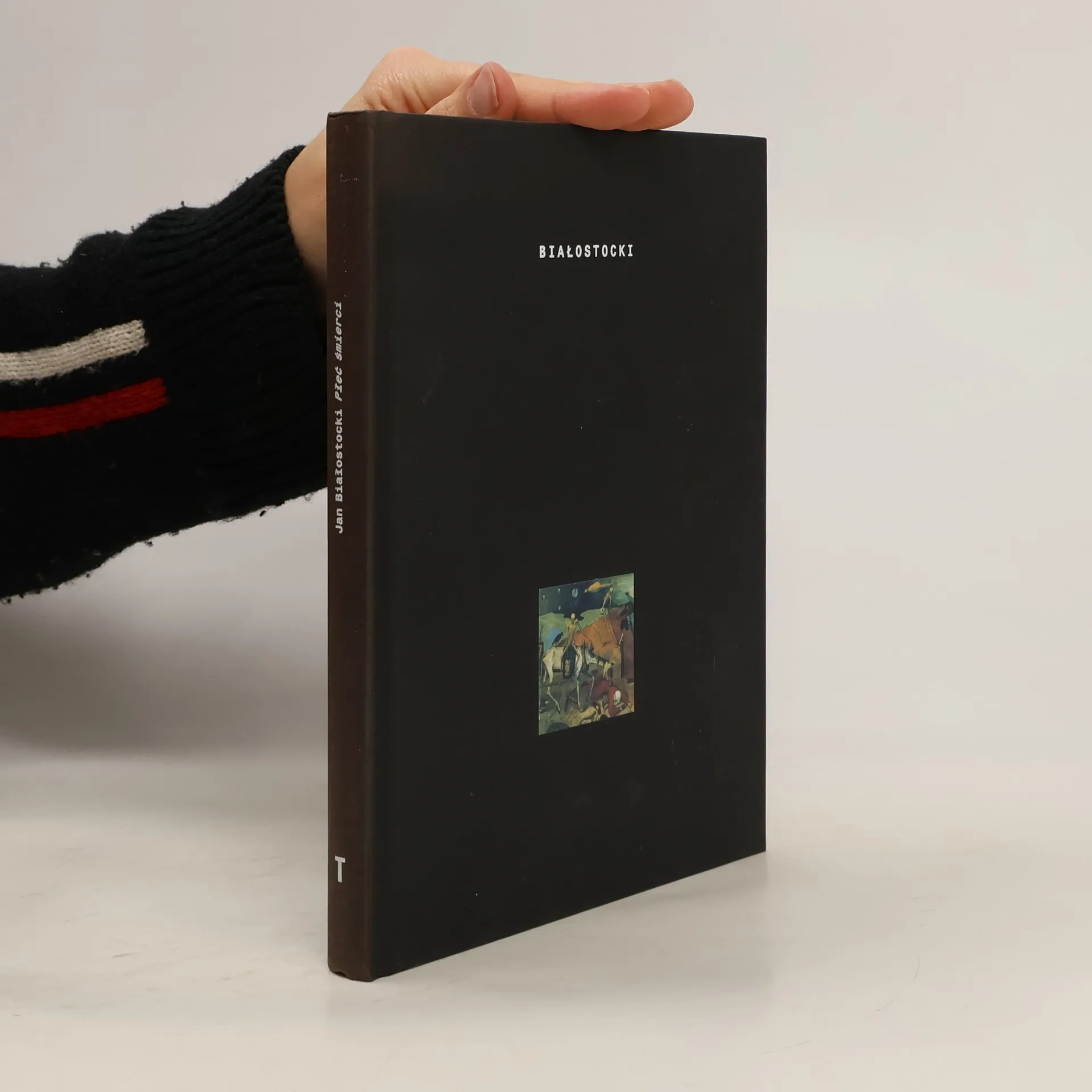

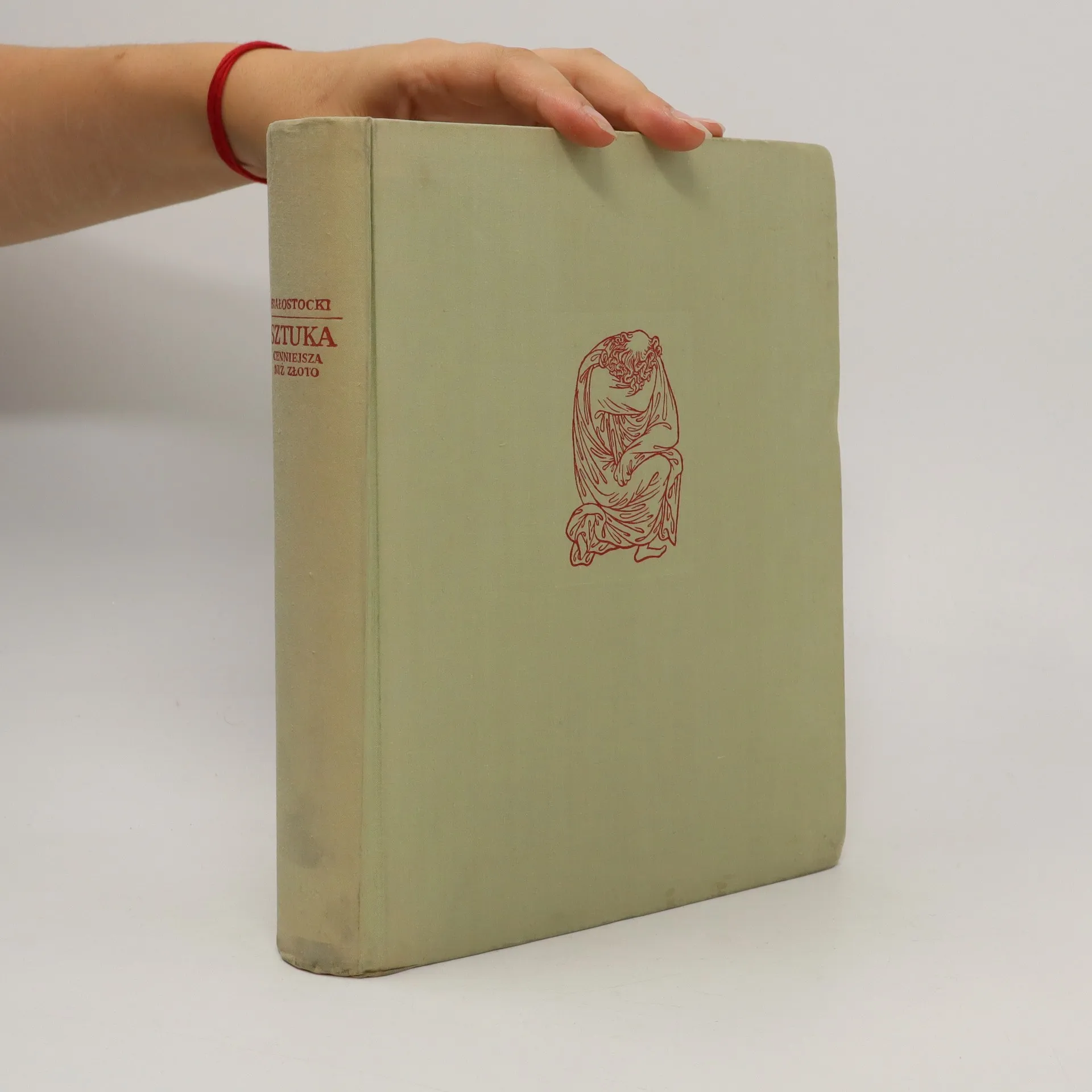
Na książkę składają się trzy eseje szkicujące historię przedstawiania śmierci w malarstwie oraz dzieje obrazowania idei marności w poezji i sztuce. W rozprawie tytułowej Białostocki analizuje przekształcanie się wizerunku śmierci w zależności od gramatycznego rodzaju słowa śmierć w poszczególnych językach. Szkic drugi omawia ewolucję przedstawień śmierci, od moralizatorskich, zakorzenionych w myśleniu religijnym, po związane ze świecką tradycją ikonografii funeralnej. Trzeci z tekstów analizuje tematy ikonografii vanitas, charakterystyczne dla poszczególnych epok i kręgów kulturowych (katolicyzm, protestantyzm), oraz ich rozwój od starożytności po wiek XIX.
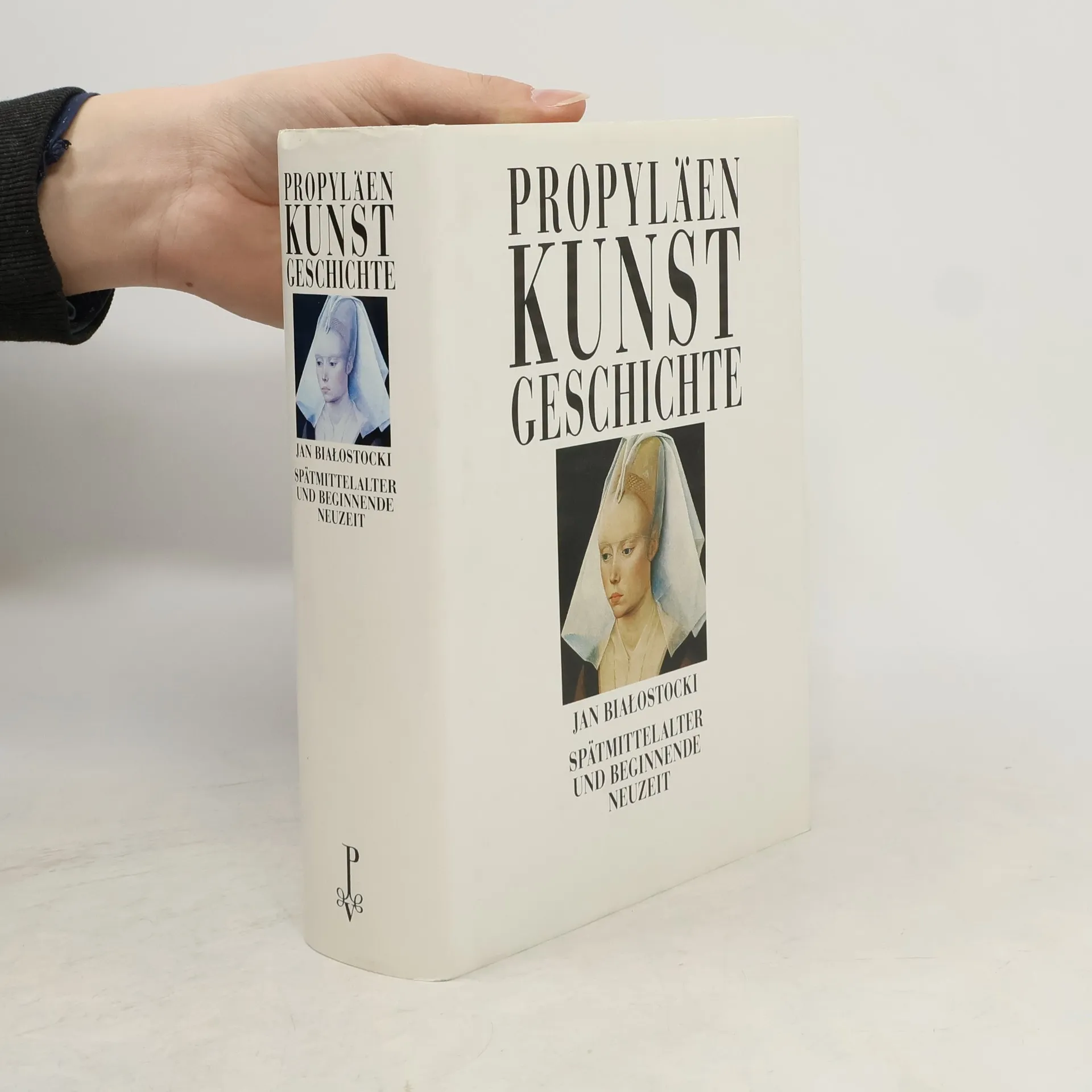
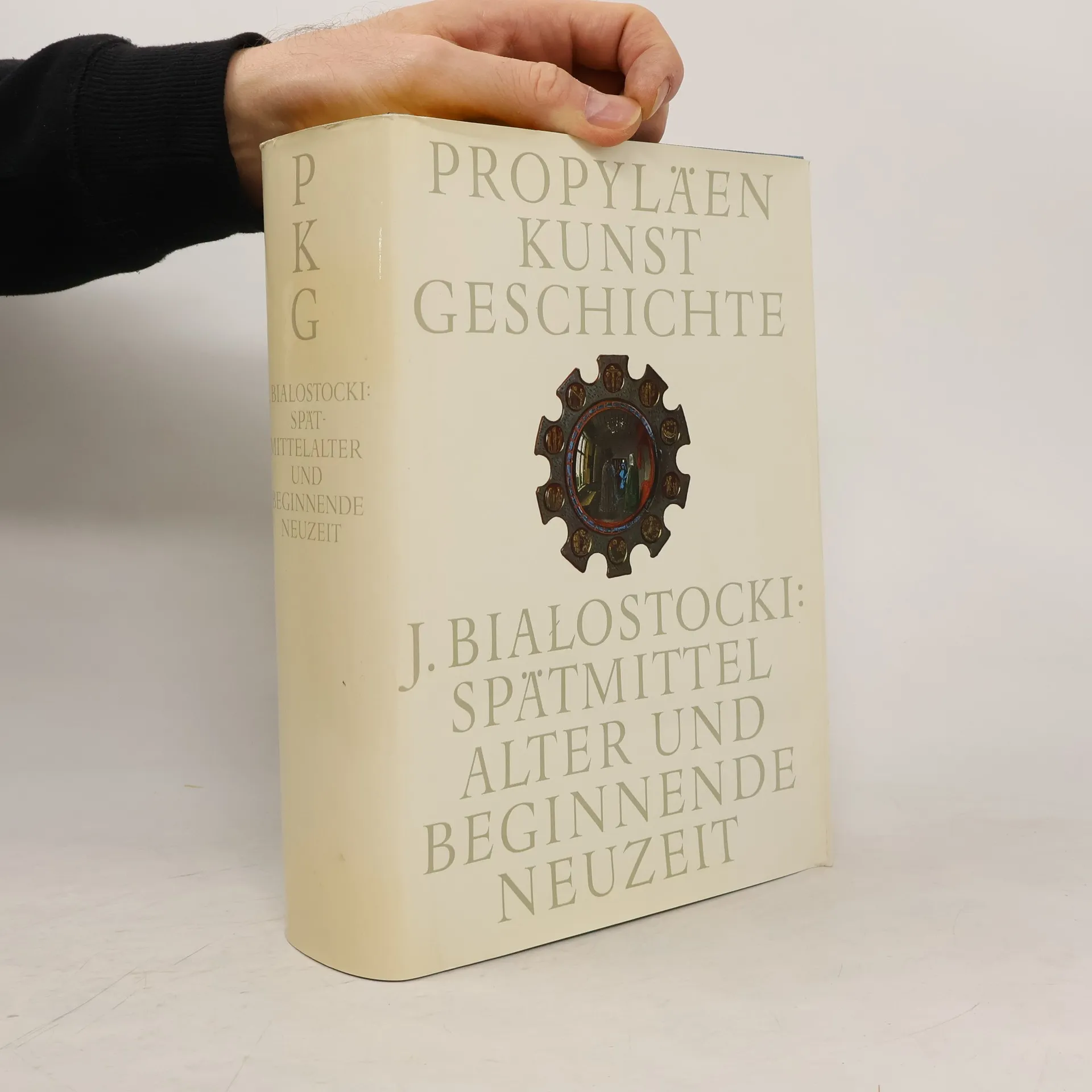
Les triomphes de la Renaissance italienne sont si éclatants qu'ils ont eu tendance à reléguer dans l'ombre des pans entiers de l'art européen au XVe siècle. Dans cette synthèse sans équivalent, Jan Bialostocki, historien de l'art de renommée mondiale, corrige cette perspective et présente un tableau de toute l'activité artistique dans l'ensemble de l'Europe, de l'Espagne à la Russie, de l'Angleterre à la Bohême. Sans jamais diluer dans de vagues généralisations la personnalité de génies tels que Sluter, Fouquet, Van Eyck ou Schongauer, il caractérise les styles et les nouveaux types iconographiques en les reliant constamment aux bouleversements politiques et religieux de ce siècle qu'on a pu surnommer « l'automne du Moyen Âge ».
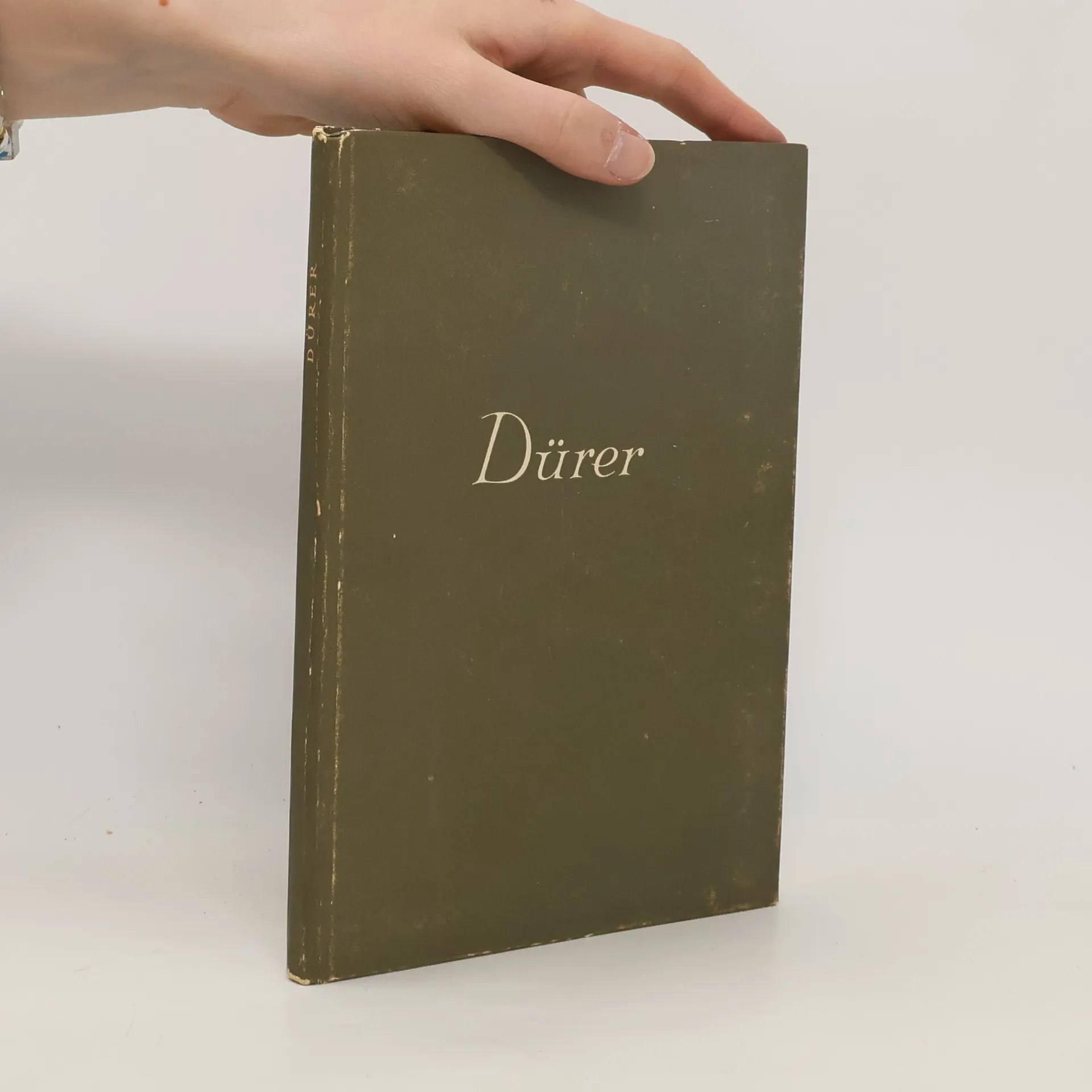
This book has been written in order to present the changing image of Dürer and of his art in the more than five centuries of it's reception in Germany and the other European countries. It's aim is to document and to interpret critical problems and discussions to which Dürer's art gave occasion. The book may be described as a study in the history of ideas, combined with an anthology of texts concerning Dürer. It consists of 12 chapters, which trace the formation of myths, legends and misinterpretations - but also the development of connoisseurship and erudition. The last chapters trace the development of specific scholarly problems of interpretation of Dürer's art, such as Dürer and the Reformation, or the relation of Dürer to Italian and Classical art. The text is accompanied by copius notes, which include bibliographic references to most publications - scholarly, critical, poetical - concerning Dürer and his work.