

Explore the latest books of this year!
Bookbot

Margarete Buber-Neumann

    October 21, 1901 – November 6, 1989

    Margarete Buber-Neumann was a member of the Communist Party of Germany during the Weimar Republic, experiencing profound political engagement. Her life was irrevocably marked by her survival of concentration camps under both Soviet and Nazi regimes during World War II. After the war, she penned a memoir detailing her harrowing experiences, offering a stark testament to human resilience. She also served as a crucial witness during the significant Kravchenko Affair trial in France.

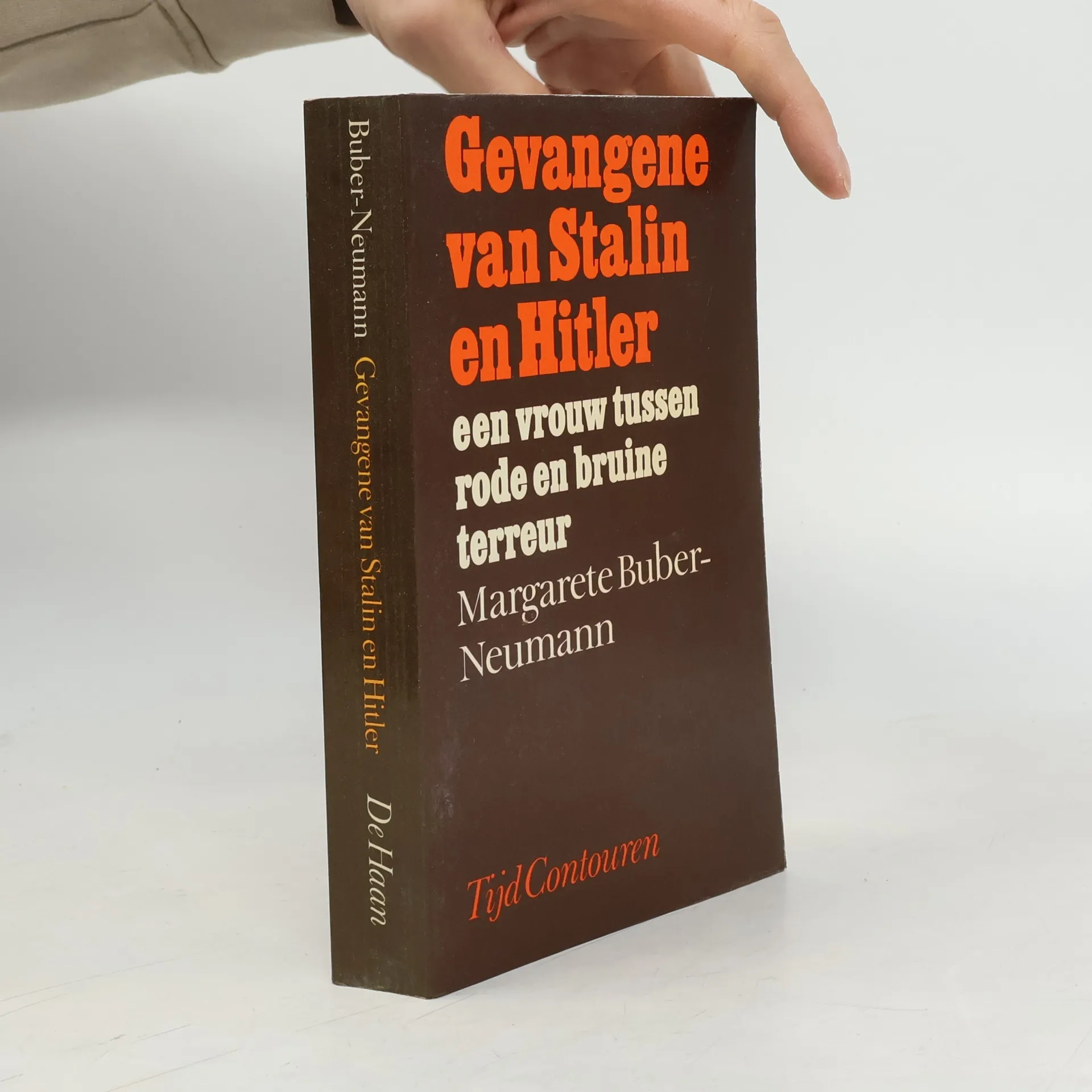
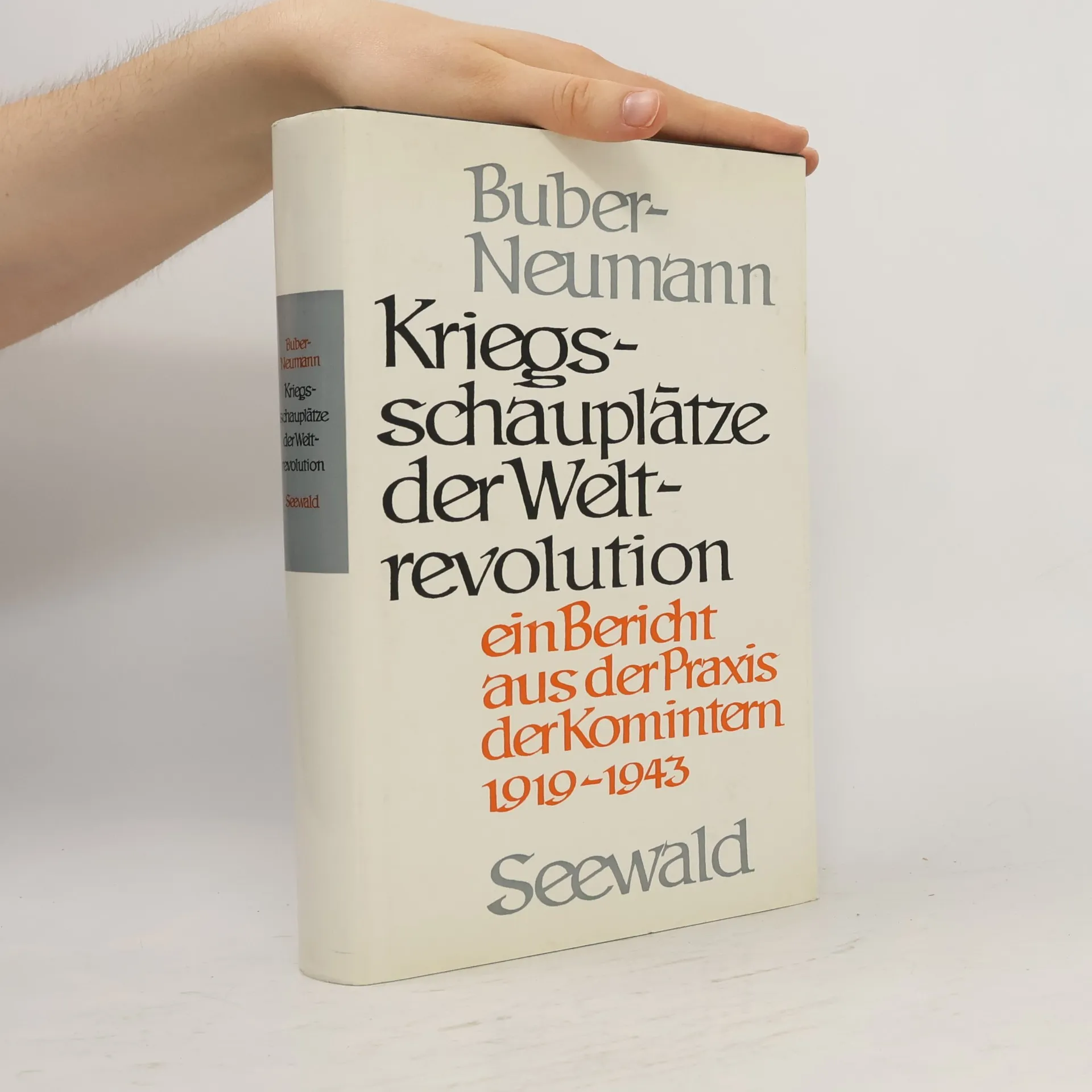
    Margarete Buber-Neumann
    Kriegsschauplätze der Weltrevolution. Ein Bericht aus der Praxis der Komintern 1919-1943
    Die erloschene Flamme
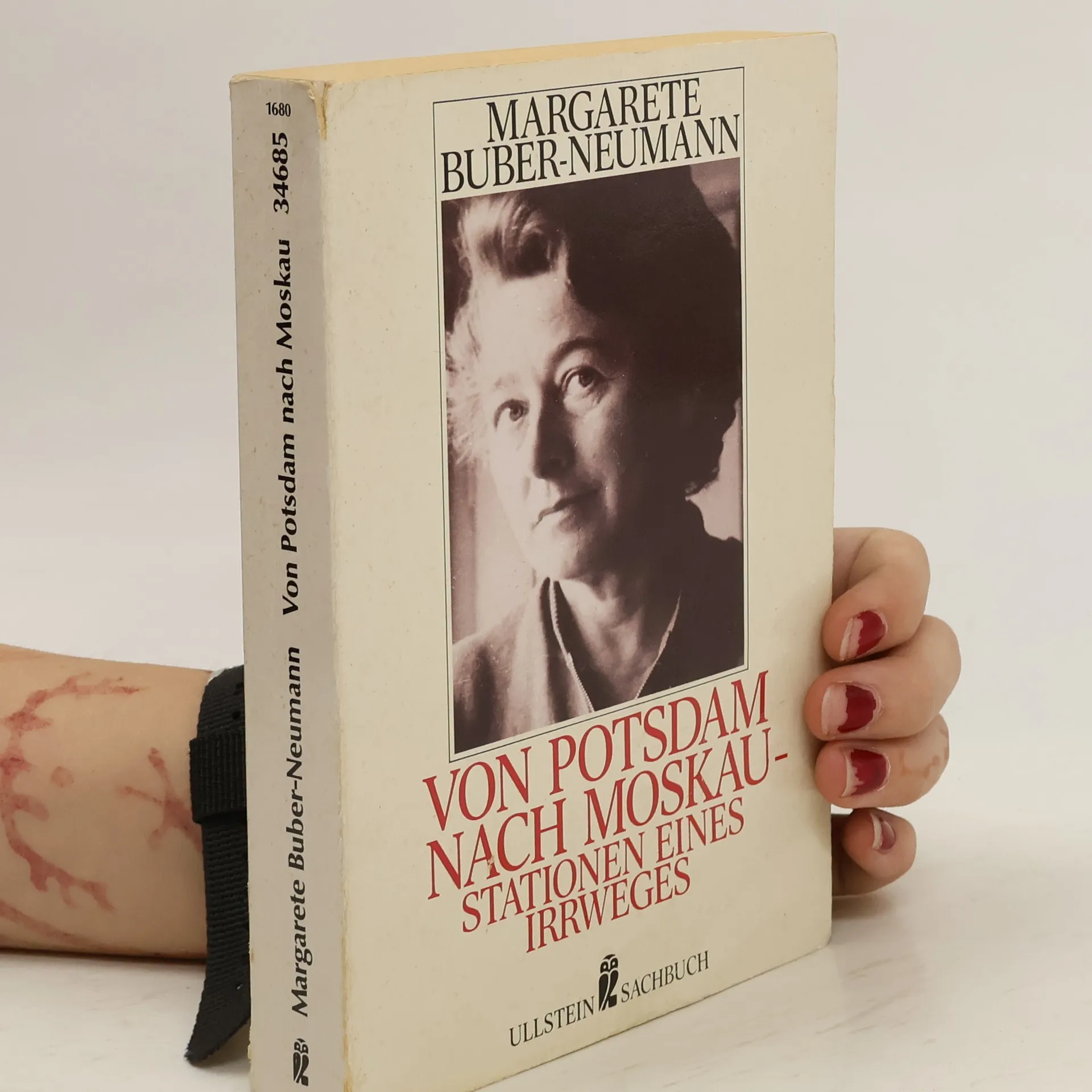
    Von Potsdam nach Moskau
    Von Potsdam nach Moskau - Stationen eines Irrweges
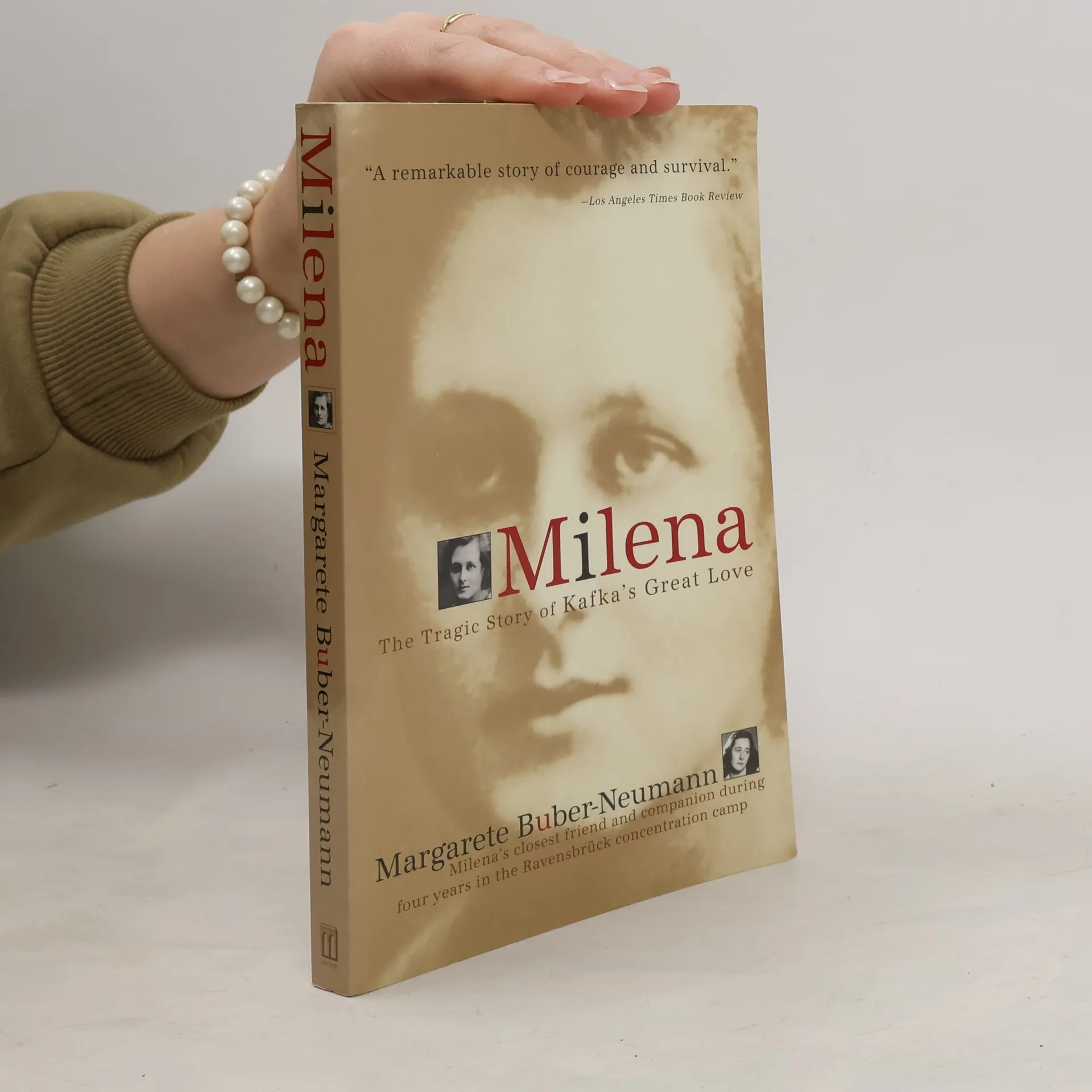
    Milena
    Under two dictators
    • Under two dictators

      • 400 pages
      • 14 hours of reading
      4.5(91)Add rating

      Presents account by a survivor of both the Soviet and Nazi concentration camps. This book explores the behaviour of the guards, supervisors, police and secret police and compares and contrasts Stalin and Hitler's methods of dictatorship and terror.

      Under two dictators
    • Milena

      • 224 pages
      • 8 hours of reading
      4.0(37)Add rating

      Biografi om Kafka's kæreste, som forfatteren mødte i koncentrationslejren Ravensbrück i 1940

      Milena
    • Kindheit im bürgerlichen Elternhaus in Berlin – Anschluß an die Jugendbewegung – Der Erste Weltkrieg – Heirat mit Rafael Buber, dem Sohn des Religionsphilosophen Martin Buber – Eintritt in die KPD – Bekanntschaft und spätere Heirat mit Heinz Neumann, einem der führenden Köpfe der KPD – 1933 Emigration in die UdSSR – dies sind die äußeren Stationen von Margarete Buber-Neumanns Erinnerungen, deren Schlußpunkt die Verhaftung Heinz Neumanns durch den NKWD darstellt.(Dieser Text bezieht sich auf eine frühere Ausgabe.)

      Von Potsdam nach Moskau
    • Kniha Zajatkyní Stalina i Hitlera je příběhem ženy 20. století, která chtěla prožít život ve shodě se svým svědomím. Obě ideologie, komunismus i nacismus, poznala zevnitř a na vlastní kůži. Po zážitku krveprolití první světové války a tváří v tvář následným otřesným sociálním poměrům v Německu se stala komunistkou, přes prvotní nadšení si však uchovala kritickou mysl. To ji předurčilo k tragickému osudu v okamžiku, když se o deset let později uchýlila do moskevského exilu. Jejího manžela Heinze Neumanna, předního člena Komunistické strany Německa, sovětští komunisté záhy uvěznili a poté zastřelili. Margarete Buber-Neumannová byla rovněž zatčena a poslána do gulagu. V roce 1940 ji sověti vydali nacistickému Německu a až do jara 1945 byla vězněna v koncentračním táboře v Ravensbrücku.

      Zajatkyní Stalina i Hitlera : svět v temnotě