

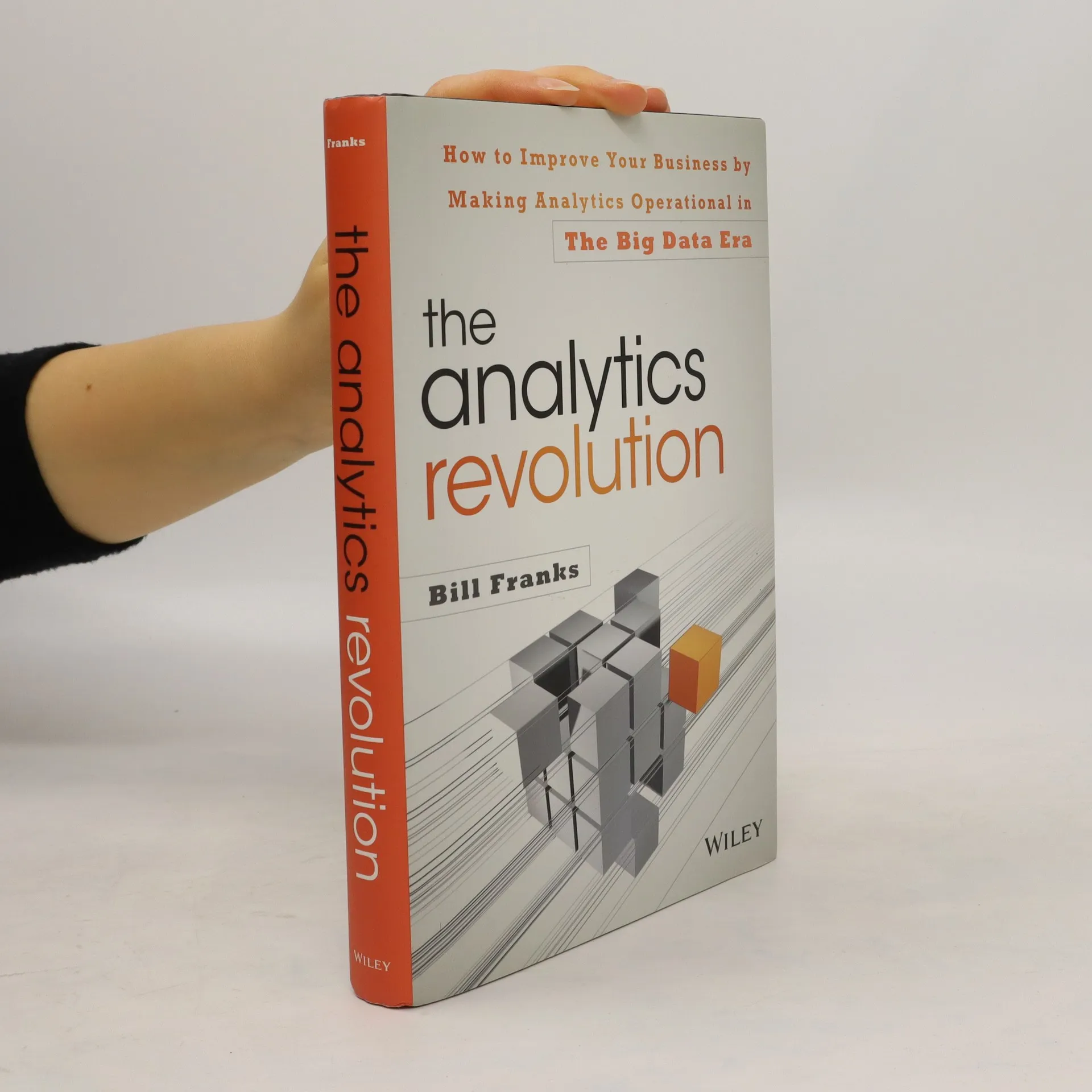
The Analytics Revolution
- 304 pages
- 11 hours of reading
Lead your organization into the industrial revolution of analytics with insights on the evolution and future of big data and analytics in the business world. Once questioned, the value of analytics is now widely recognized. This work explores the transition to making analytics operational by automating and embedding it into business processes, enabling analytics to prescribe and make decisions. It examines the necessary technical and organizational foundations for supporting operational analytics at scale and outlines key factors for success. You'll discover how technological advancements and changing business environments have necessitated the integration of big data into analytic processes. The book cuts through marketplace hype to focus on what truly matters. It includes an overview of operational analytics, trends leading to their adoption, tips for structuring technology infrastructure and analytics organizations, and strategies for fostering a corporate culture that accelerates the discovery and implementation of analytics. Additionally, it provides guidance on justifying, implementing, and governing operational analytics. This resource equips you with the knowledge needed to effectively implement operational analytic processes using big data.