

The tranquility in a Bulgarian village under Ottoman rule is only superficial: the people are quietly preparing for an uprising. The plot follows the story of Boycho Ognyanov, who, having escaped from a prison in Diarbekir, returns to the Bulgarian town of Byala Cherkva (White Church, today Sopot) to take part in the rebellion. There he meets old friends, enemies, and the love of his life. The plot portrays the personal drama of the characters, their emotions, motives for taking part in or standing against the rebellion, betrayal and conflict. Historically, the uprising fails due to bad organization, limited resources, and betrayal. The way in which the Ottomans break the uprising down then becomes the pretext for the Russian-Turkish war, that brought about Bulgarian independence.
Ivan Minchov Vazov Books
Ivan Vazov, often hailed as the "Patriarch of Bulgarian Literature," masterfully captures two pivotal historical epochs within his writings: the Bulgarian National Revival and the period following liberation from Ottoman rule. His work is imbued with a profound understanding of the national character and historical struggles, establishing him as a cornerstone for comprehending Bulgarian identity. Vazov skillfully blends lyrical beauty with epic scope to portray the life and resilience of the Bulgarian people. His literary legacy continues to shape and inspire Bulgarian culture.
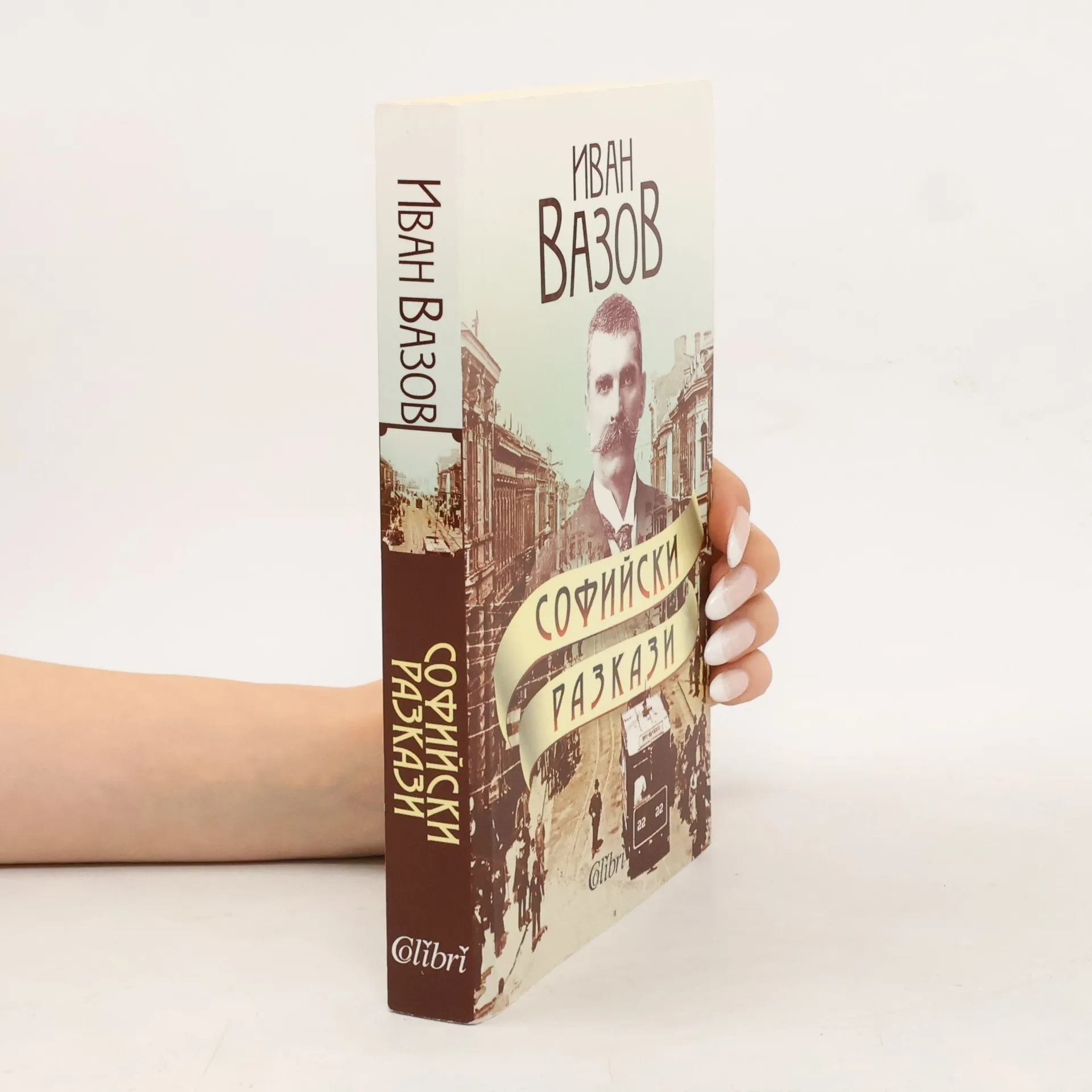


Софийски разкази
- 356 pages
- 13 hours of reading
ИВАН ВАЗОВ (1850–1921) се установява в София през пролетта на 1889 г. Тук той се посвещава на активна обществена и писателска дейност; само шест години по-късно е честван официално като Народен поет. В периода 1890–1905 г. Вазов усилено пише разкази, събрани в пет последователно издадени сборника. В тях значителна част от произведенията са на софийска тематика. Те отразяват непосредствените впечатления на Вазов, който е обичал да се разхожда из улиците и околностите на София, понякога със съзнателното намерение да наблюдава поведението и нравите на новите столичани. В сборника са включени трийсет Вазови разказа със сюжети от столичния живот. Подредени хронологично, те представляват истинска хроника на събитията в българската столица от края на XIX – началото на XX век. Характерни за белетристичния подход на писателя са живата наблюдателност, усетът към характерни детайли, психологическото проникновение и склонността да се извеждат образи-типове на тогавашната действителност.