

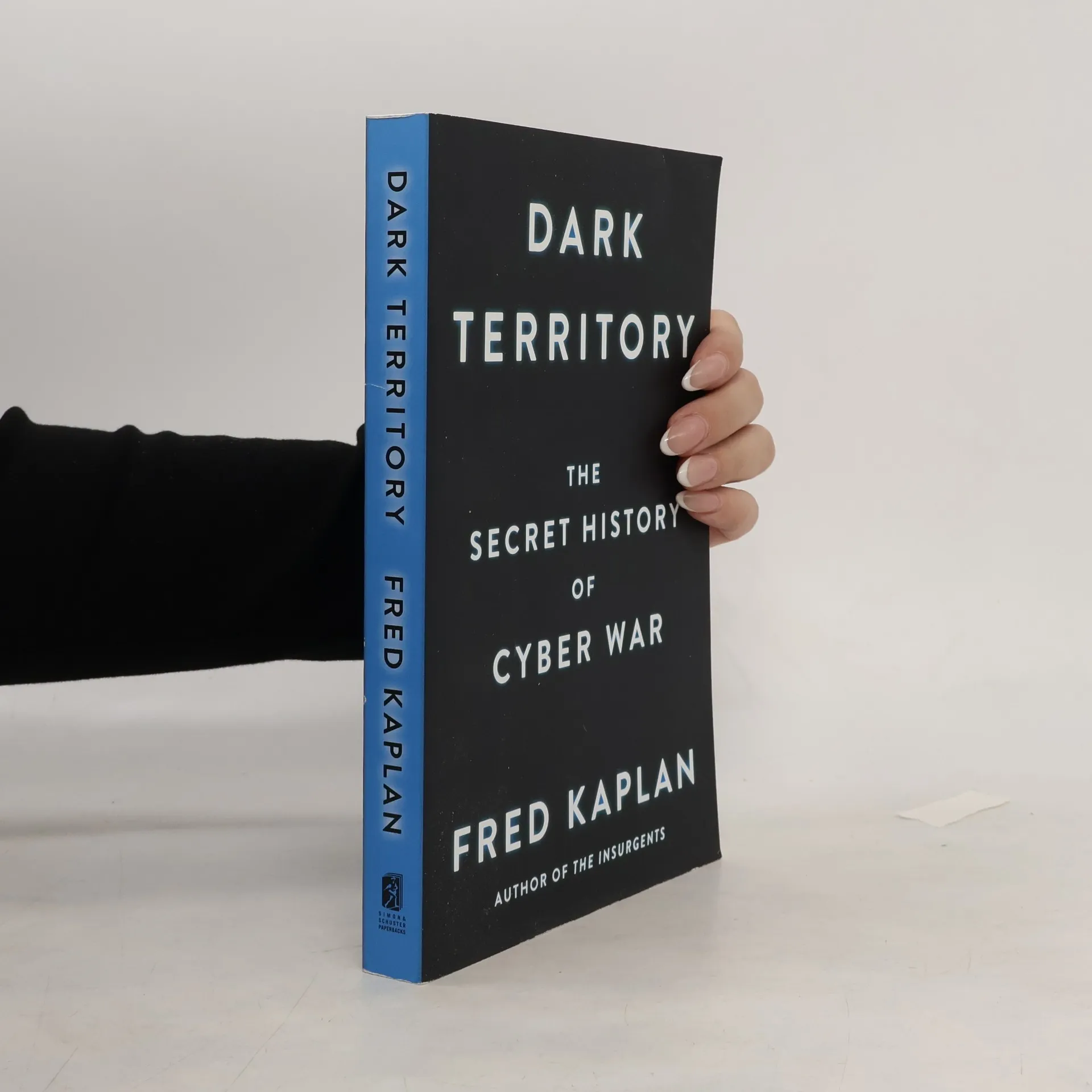
“A consistently eye-opening history...not just a page-turner but consistently surprising.” —The New York Times “A book that grips, informs, and alarms, finely researched and lucidly related.” —John le Carré As cyber-attacks dominate front-page news, as hackers join terrorists on the list of global threats, and as top generals warn of a coming cyber war, few books are more timely and enlightening than Dark Territory: The Secret History of Cyber War, by Slate columnist and Pulitzer Prize–winning journalist Fred Kaplan. Kaplan probes the inner corridors of the National Security Agency, the beyond-top-secret cyber units in the Pentagon, the "information warfare" squads of the military services, and the national security debates in the White House, to tell this never-before-told story of the officers, policymakers, scientists, and spies who devised this new form of warfare and who have been planning—and (more often than people know) fighting—these wars for decades. From the 1991 Gulf War to conflicts in Haiti, Serbia, Syria, the former Soviet republics, Iraq, and Iran, where cyber warfare played a significant role, Dark Territory chronicles, in fascinating detail, a little-known past that shines an unsettling light on our future.
Fred Kaplan Books


The Bomb
- 384 pages
- 14 hours of reading
From the author of The Wizards of Armageddoncomes the definitive history of American policy on nuclear war-and Presidents' actions in nuclear crises-from Truman to Trump.
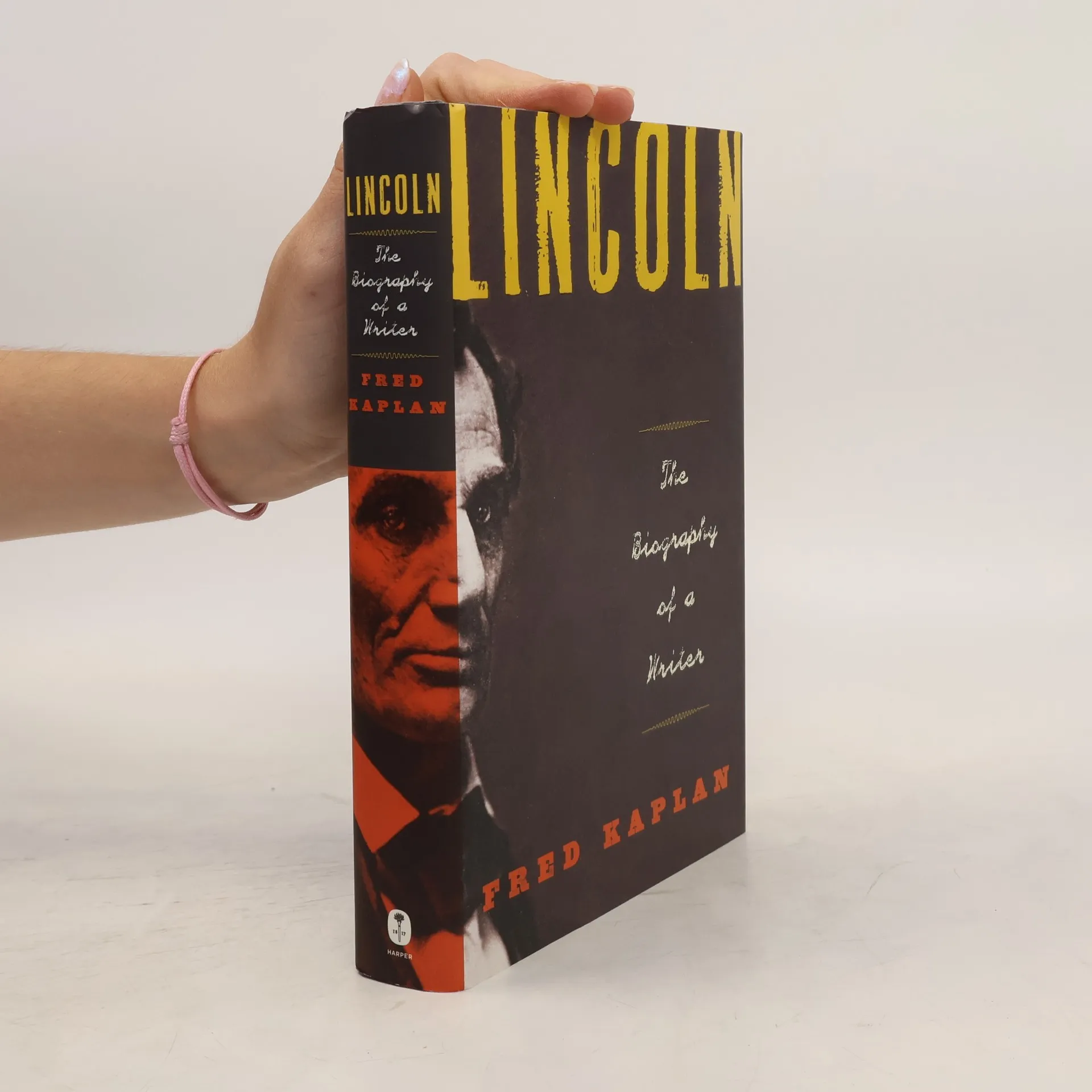
For Abraham Lincoln, words were essential in composing love letters, speeches, and legal arguments. Acclaimed biographer Fred Kaplan delves into Lincoln's life through his linguistic prowess, showcasing how language served as a means to convey complex ideas and emotions while also acting as a tool for persuasion and empowerment. Like other great American literary figures, Lincoln's literary journey is intertwined with his personal narrative. An admirer of Burns, Byron, Shakespeare, and the Old Testament, he stands out as the most literary of U.S. presidents. His perspectives on love, liberty, and human nature were profoundly influenced by his literary engagements. Since Lincoln, no president has matched his ability to craft words that resonate with audiences. Kaplan examines the influences that shaped Lincoln's imaginative landscape, how his writings influenced his identity, relationships, and career, and how they contributed to his emergence as a distinctive political figure and shaped national discourse. This insightful account of Lincoln's life underscores the limitations of contemporary presidencies, emphasizing that the careful and honest use of language is vital for a thriving democracy. Illuminating and engrossing, this narrative captures Lincoln's extraordinary talent with words.
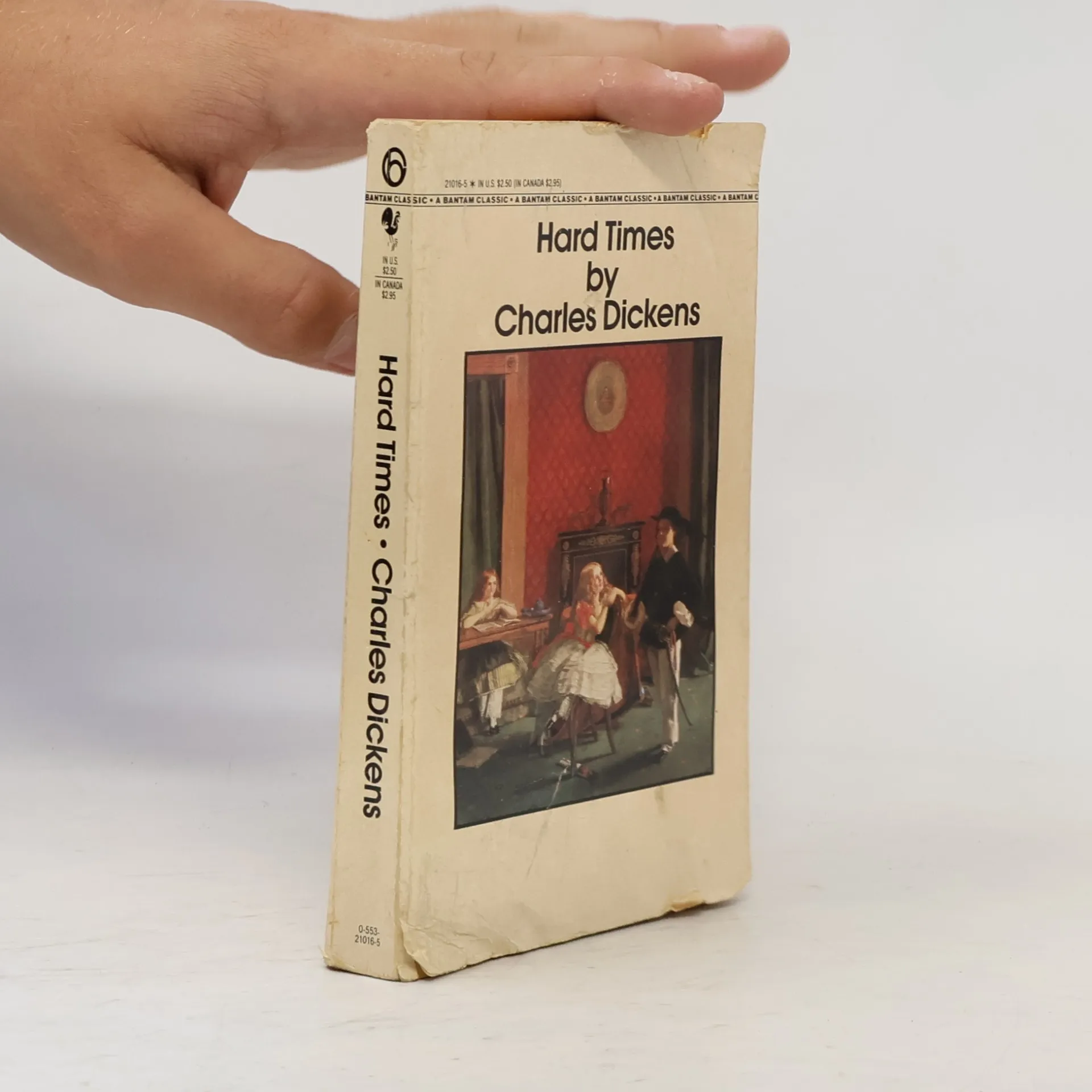
Hard Times
- 280 pages
- 10 hours of reading
Written deliberately to increase the circulation of Dickens’s weekly magazine, Household Words, Hard Times was a huge and instantaneous success upon publication in 1854. Yet this novel is not the cheerful celebration of Victorian life one might have expected from the beloved author of The Pickwick Papers and The Old Curiosity Shop. Compressed, stark, allegorical, it is a bitter exposé of capitalist exploitation during the industrial revolution–and a fierce denunciation of the philosophy of materialism, which threatens the human imagination in all times and places. With a typically unforgettable cast of characters–including the heartless fact-worshipper Mr. Gradgrind, the warmly endearing Sissy Jupe, and the eternally noble Stephen Blackpool–Hard Times carries a uniquely powerful message and remains one of the most widely read of Dickens’s major novels.
Gore Vidal
- 512 pages
- 18 hours of reading
A fascinating, in-depth portrait of one of the most compelling figures of the twentieth century.