
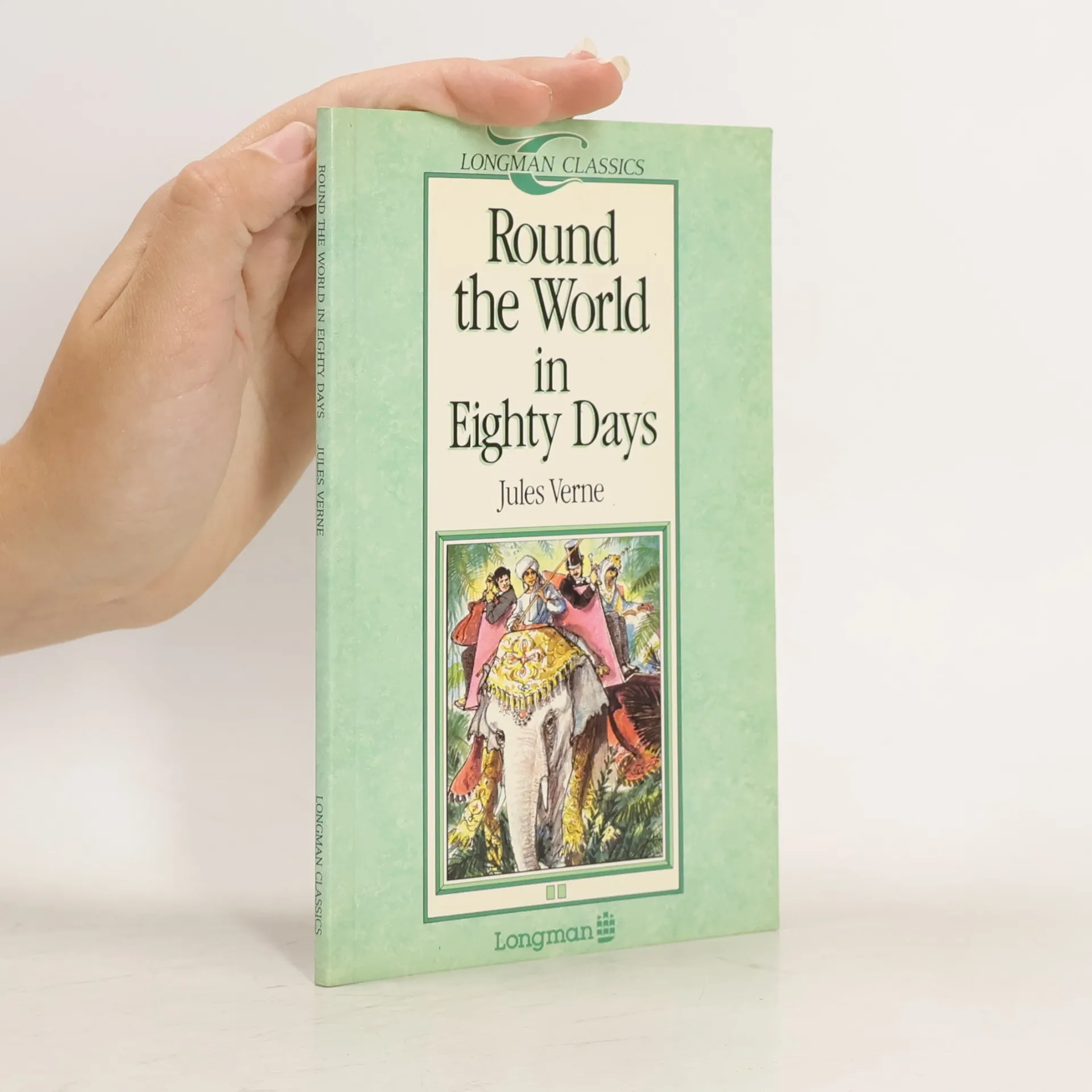


A la suite d'un pari avec les membres de son club, Phileas Fogg, accompagné de son domestique Passe-Partout, s'embarque pour un tour du monde en 80 jours. Nous sommes en 1872... Gagnera t'il son pari?
The narrative follows Michael Strogoff as he embarks on a perilous journey across Siberia to deliver a crucial message to the Russian Czar's brother. Unlike Verne's typical science fiction, this story is grounded in realism, showcasing the challenges and dangers faced during his mission. Through themes of bravery and loyalty, the tale highlights the resilience of the human spirit in the face of adversity.
Jules Verne’s career as a novelist began in 1863, when he struck a new vein in fiction—stories that combined popular science and exploration. In Around the World in Eighty Days, Phileas Fogg rashly bets his companions £20,000 that he can travel around the entire globe in just eighty days—and he is determined not to lose. Breaking the well-established routine of his daily life, the reserved Englishman immediately sets off for Dover, accompanied by his hot-blooded French manservant, Passepartout. Traveling by train, steamship, sailboat, sledge, and even elephant, they must overcome storms, kidnappings, natural disasters, Sioux attacks, and the dogged Inspector Fix of Scotland Yard to win the extraordinary wager. Combining exploration, adventure, and a thrilling race against time, Around the World in Eighty Days gripped audiences upon its publication and remains hugely popular to this day.