

The 1953 American expedition to the second highest peak in the world.
Robert H. Bates Books



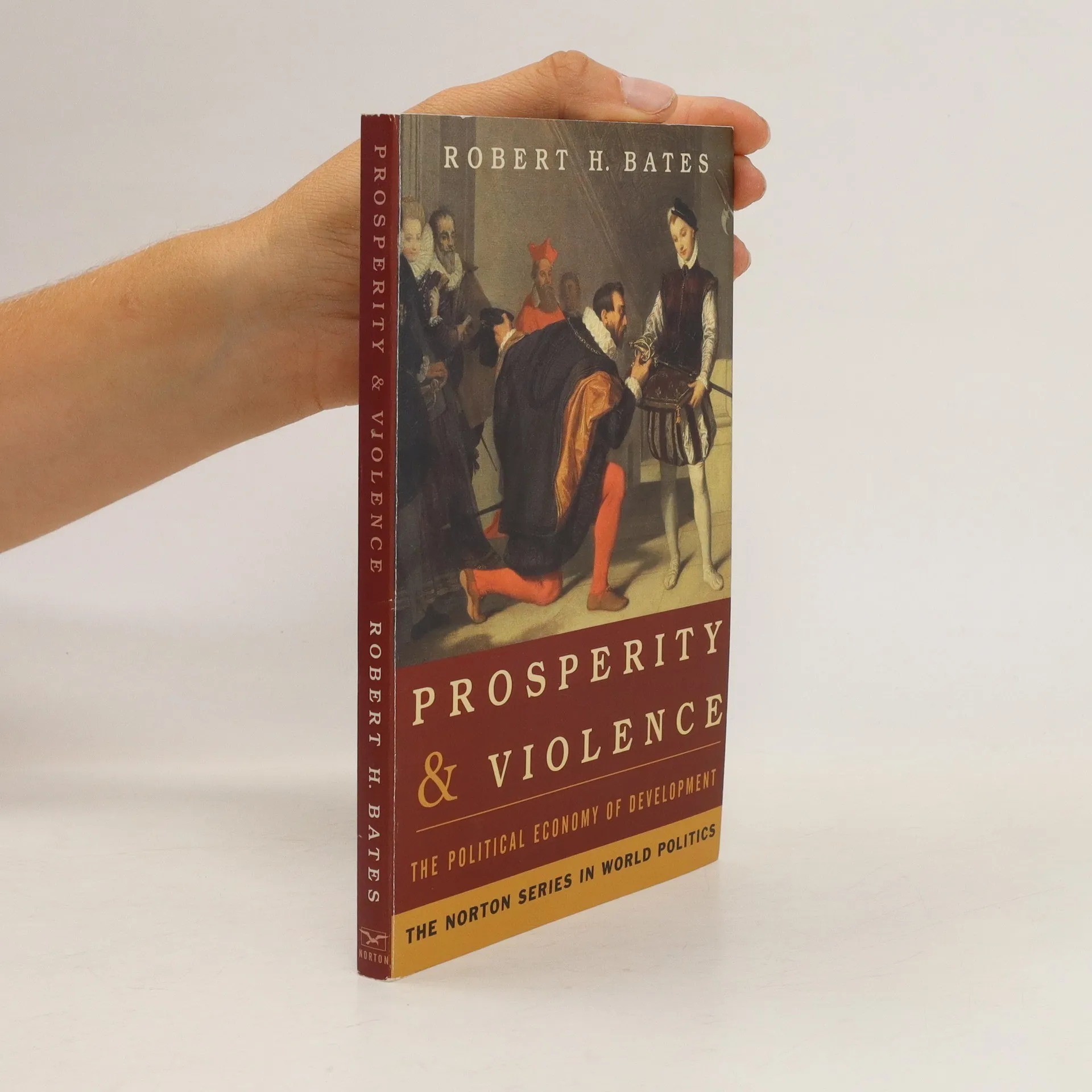

Prosperity and violence. The political economy of development
- 128 pages
- 5 hours of reading
Prosperity & Violence considers the history of human civilization and explains the origins of the modern state, focusing on the evolution of capitalism as cultures move from dispersed agrarian clans to the dense modern metropolis. Informed by firsthand experience with the political and economic development of many diverse cultures, Bates demonstrates how successful modern states harness ethnic diversity for prosperity rather than for violence and political power. Brief and compelling, Prosperity & Violence is certain to be an excellent supplement in any comparative politics course.
In this pioneering anthology, Clint Willis presents 75 years of great writing -- from Neil O'Dell to Jon Krakauer -- on the fabled peaks. Here are stories of two British expeditions to Everest in the 1920s; a piece on the 1939 K2 attempt that claimed four climbers' lives; a firsthand account by the Sherpa who reached the summit of Everest in 1953 with Edmund Hillary; the story of the first successful American assault on K2 in 1978; a British photographer's view of the calamitous 1996 storm on Everest; and many more -- a cornucopia of mountaineering thrills for adventurous readers.
Beyond the Miracle of the Market: New Edition
- 226 pages
- 8 hours of reading
The book examines the transition from socialism to capitalism in Eastern Europe and its effects on developing nations, specifically focusing on Kenya's unique economic trajectory. Robert Bates critiques neo-classical development economics, attributing Kenya's initial growth to its strong economic institutions. However, he argues that the shift from the Kenyatta to the Moi regime led to a decline, as economic institutions were repurposed for wealth redistribution rather than wealth creation, ultimately impacting the country's economic stability.
Set in late 20th century Africa, the book delves into the intricacies of political order and the essential elements that constitute a stable state. It examines the historical and social contexts that shape governance and authority, providing insights into the continent's unique challenges and developments during this transformative period. Through a detailed analysis, it highlights the interplay between politics, culture, and society in the formation of modern African states.